How do Octane/Cetane Analyzers work?
Octane number is defined by comparison with primary reference fuels, a blend of iso-octane and n-heptane. In a cooperative fuel research (CFR) engine, the compression ratio is raised until the sample reaches standard knock intensity, and the result is bracketed against reference blends to give research octane number (RON, ASTM D2699) or motor octane number (MON, D2700) under more severe conditions. Cetane number is similarly measured in a variable-compression diesel CFR engine by adjusting compression ratio until ignition delay matches reference blends of n-cetane and heptamethylnonane (D613). Constant-volume combustion analyzers inject fuel into a heated pressurized chamber, measure ignition delay and derive a derived cetane number. Near-infrared and mid-infrared analyzers record spectra and estimate octane or cetane using chemometric models built from engine results.
Which Octane/Cetane Analyzers variants are available?
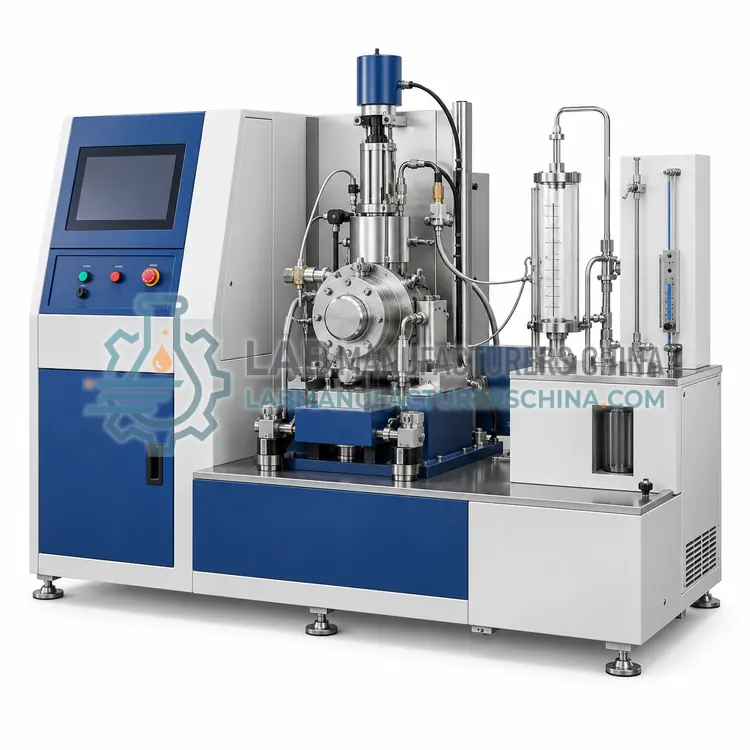
- CFR Octane Rating Engine for RON and MON Testing — A CFR octane rating engine is a single-cylinder variable-compression test engine used to determine research and motor octane numbers of spark-ignition fuels under ASTM D2699 and D2700.
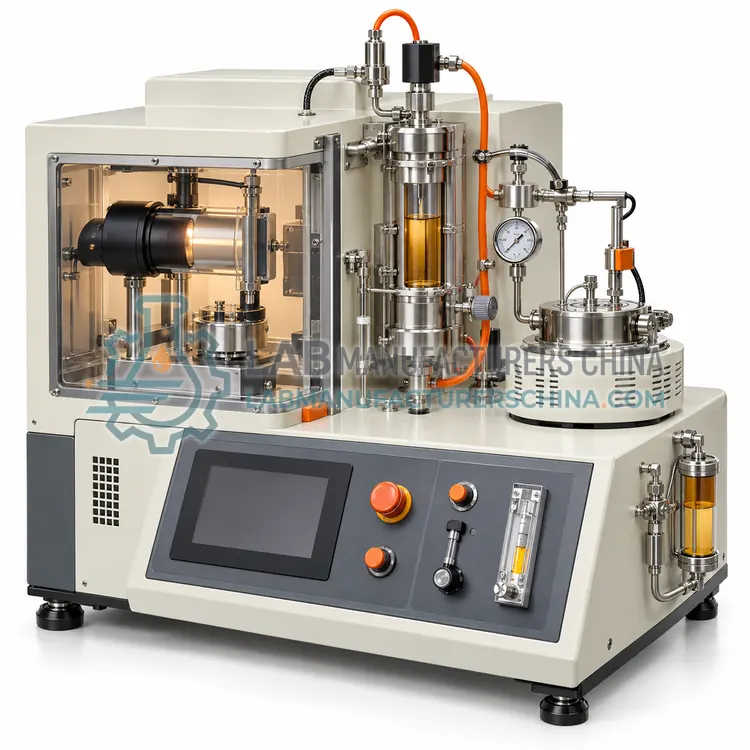
- CFR Cetane Rating Engine for Diesel Fuel — A CFR cetane rating engine is a single-cylinder, variable-compression diesel test engine used to determine the cetane number of diesel fuels under ASTM D613 and ISO 5165.
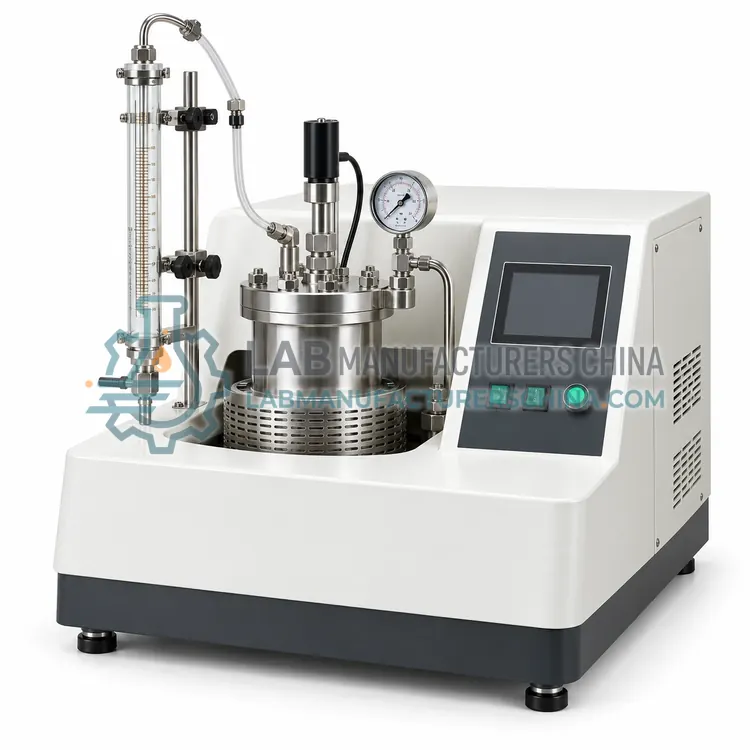
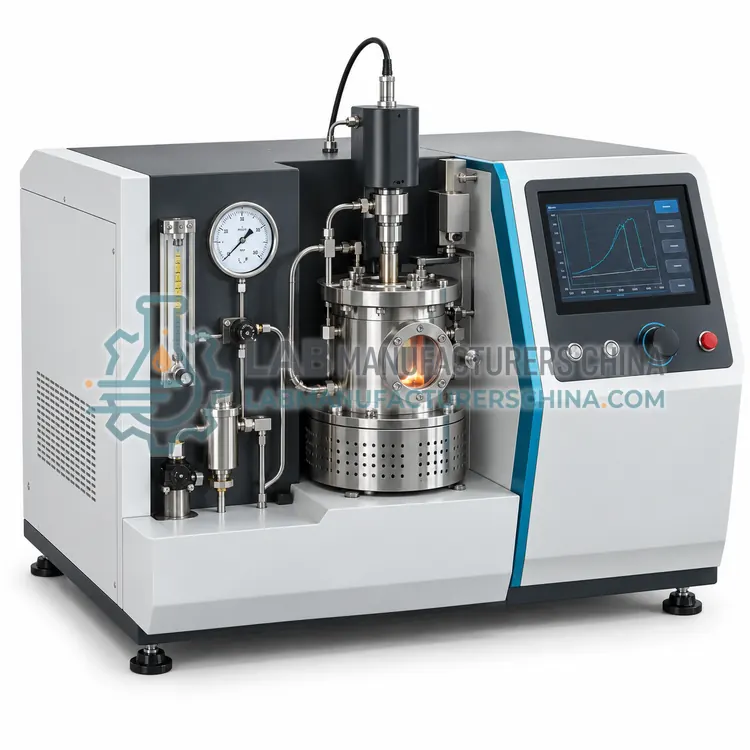
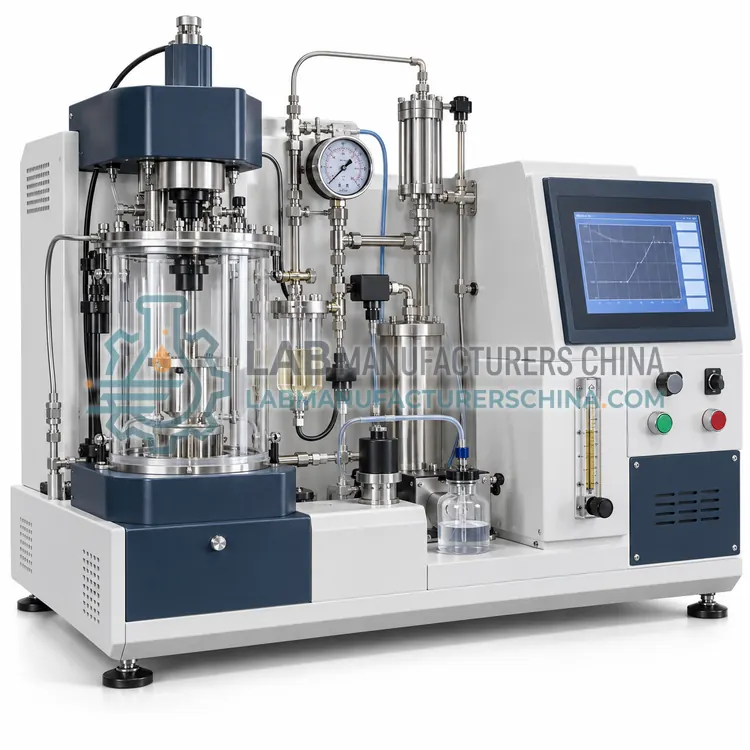
- Constant-Volume Combustion Cetane Analyzer — A constant-volume combustion cetane analyzer injects diesel fuel into a heated, pressurized chamber and measures ignition and combustion delay to calculate derived cetane number.
- Benchtop NIR Octane and Cetane Analyzer — A benchtop near-infrared analyzer estimates octane and cetane numbers by measuring the near-infrared spectrum of a fuel sample and applying a calibration model built from engine test data.
- Portable Octane Analyzer for Gasoline — A portable octane analyzer is a handheld or compact instrument that estimates gasoline octane number using near-infrared or mid-infrared spectroscopy in seconds.
How do I choose the right variant?
Select by the reference method named in your specification and by your need for legal or referee results. CFR engines are the primary standard for RON, MON and cetane number, produce referee results, and need trained operators, dedicated space, cooling water and significant maintenance. Constant-volume combustion instruments give derived cetane number quickly from about 30 mL of sample, with lower cost per test, and are accepted by specifications such as EN 590 and ASTM D975 when correlated. Spectroscopic analyzers give results in minutes, suit blending control and field checks, but rely on calibration to engine data and must be validated for each fuel type. Consider throughput, sample volume, fuel types, operator skill, utilities, and ongoing costs of reference fuels and calibration checks, because these often exceed instrument price.
Where are Octane/Cetane Analyzers used?
Octane/Cetane Analyzers are specified in gasoline grade certification (RON/MON), diesel cetane number verification, refinery blending control, fuel terminal incoming inspection and additive and biofuel blend evaluation.
Which standards and certifications apply?
Work with Octane/Cetane Analyzers is commonly governed by ASTM D2699, ASTM D2700, ASTM D613, ASTM D6890, ASTM D7668, ASTM D975, ASTM D4814, EN 590, ISO 5164, ISO 5163, ISO 5165, GB/T 5487 and GB/T 386. Instrument certifications such as CE marking are confirmed per configuration and never assumed.
What are the key considerations before purchase?
CFR engines require a dedicated, vibration-isolated test cell with a concrete foundation, exhaust ducting, cooling water, conditioned intake air and safe storage of flammable reference fuels. Calibrate by running check fuels, such as toluene standardization fuels, before each test session, and log the results on control charts. Replace piston rings, valves and injectors on schedule, and monitor knock meter response. Constant-volume combustion analyzers need clean compressed air, stable chamber temperature and periodic injector maintenance. Spectroscopic analyzers require regular validation with engine-tested samples, monitoring of model applicability, and maintenance of optical windows or fiber probes. Participation in proficiency testing programs is advisable, and staff should be trained on reference fuel handling and on the applicable method revision.