
Plastic Analysis Equipment
塑料分析设备
CPLA · Petroleum, Mining & Industrial Analysis · 5 product types · 26 models
By Lab Manufacturers China Technical TeamLast reviewed
What are Plastic Analysis Equipment?
Plastic analysis equipment measures the flow, density, thermal behavior, impact resistance and composition of plastic materials and finished parts. It is used by resin suppliers, molders, recyclers and testing laboratories for incoming inspection, grade verification, product qualification and failure analysis under ISO and ASTM methods.
5 product types in Plastic Analysis Equipment
The 5 product types below are grouped by the exact instrument you need.
- MFA6 models
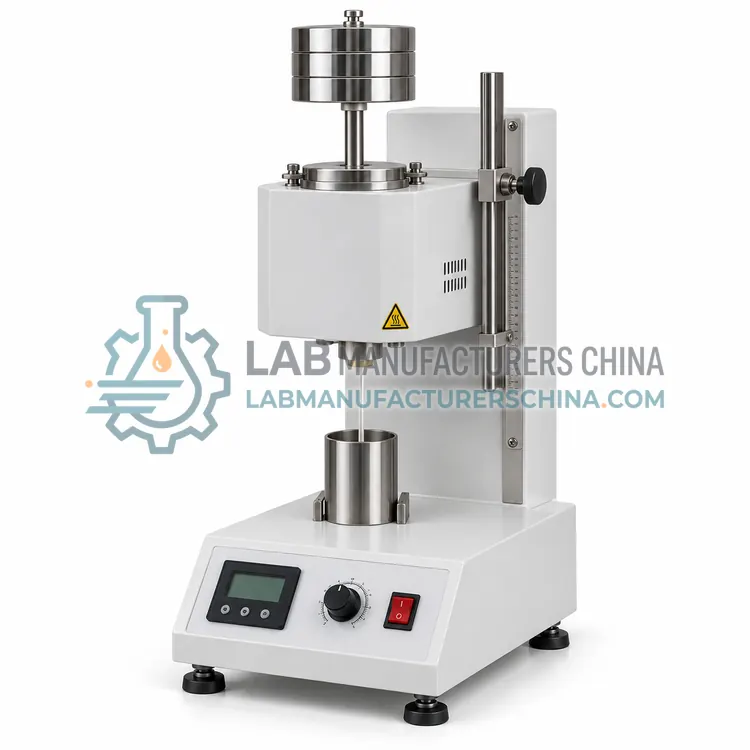
Melt Flow Analysis
塑料熔体流动分析仪
Melt flow analysis determines how a molten thermoplastic flows through a standard die under a specified load, expressed as melt mass-flow rate, melt volume-flow rate or melt density. The result indexes processability, lot-to-lot consistency and the effect of fillers or recycling on a plastic grade.
- DET5 models
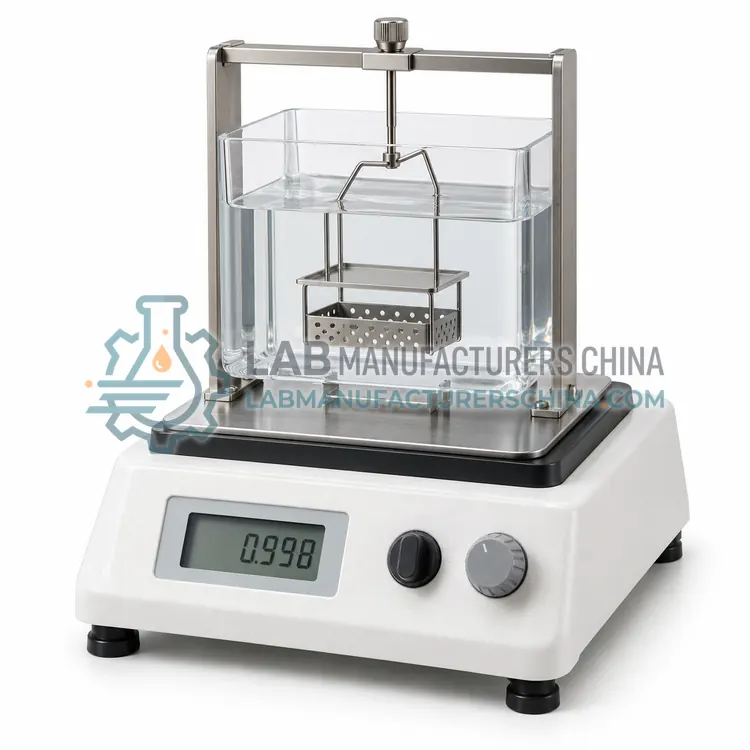
Density Testing
塑料密度测试仪
Density testing of plastics determines mass per unit volume of solid, cellular, granular or powder material using buoyancy, gradient, gas displacement or bulk methods. Density relates directly to crystallinity, filler loading and formulation, so it is a routine incoming and process control parameter.
- THA5 models
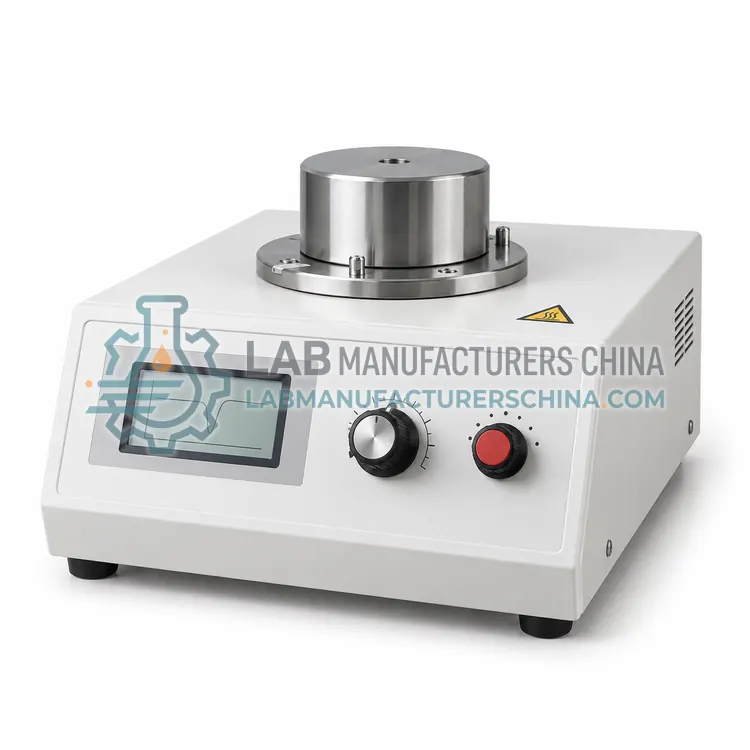
Thermal Analysis
塑料热分析仪
Thermal analysis of plastics measures how a material responds to controlled temperature change, giving transitions, decomposition, expansion, mechanical damping and softening temperatures. These results define the usable temperature range of a plastic part and are used for grade selection, specification testing and failure analysis.
- IMA5 models
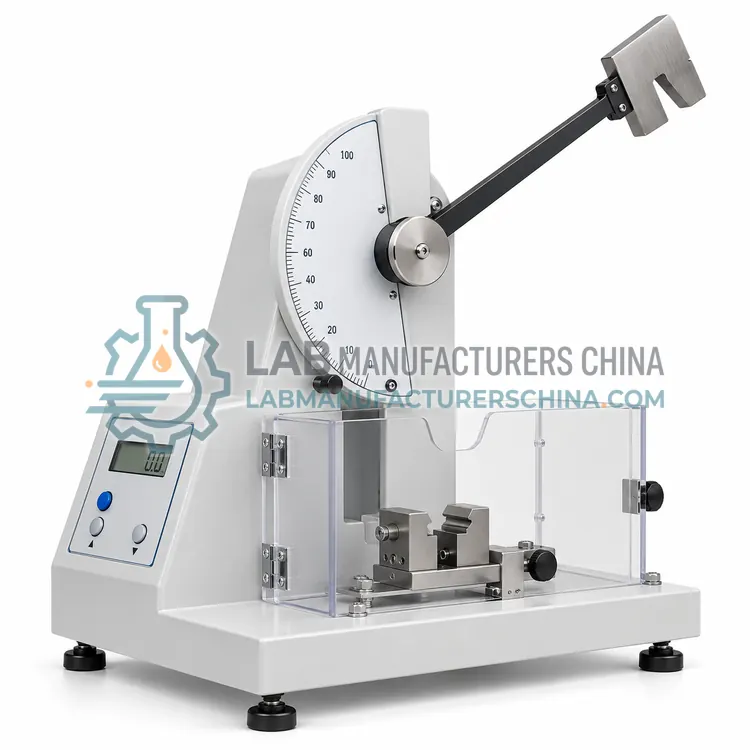
Impact Analysis
塑料冲击试验机
Impact analysis subjects plastic specimens to a high-rate load and records the energy absorbed at fracture, expressing toughness and notch sensitivity. It is used for grade qualification, incoming inspection and to compare formulations where brittle failure is a risk.
- PCA5 models
Plastic Composition Analysis
塑料组成分析仪
Plastic composition analysis determines what a plastic part contains: polymer type, filler and reinforcement content, additives, and regulated elements such as lead, cadmium and brominated flame retardants. It supports incoming inspection, specification testing and recycling validation.
What are Plastic Analysis Equipment?
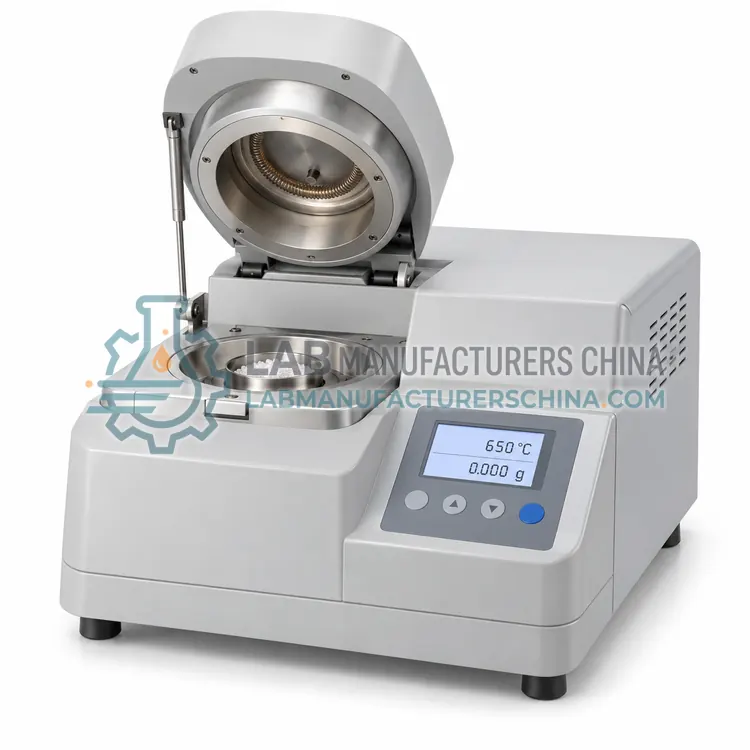
Plastic analysis equipment covers the instruments used to confirm that a plastic material or part is what it claims to be and will perform as required. Typical tests include melt flow rate for processability, density for identification and filler checks, thermal analysis for melting, glass transition and heat deflection, impact tests for toughness, and composition analysis for polymer type, additives, ash and moisture. The same lot may be tested on several instruments because no single property describes a plastic. Laboratories in resin production, injection molding, extrusion, packaging and recycling use this equipment to release lots, qualify suppliers, investigate complaints and demonstrate compliance with customer or regulatory specifications. Most methods are standardized, so the instrument must be able to reproduce the specified geometry, rate and temperature.
How do Plastic Analysis Equipment work?
Each instrument type applies a standardized stimulus to a prepared specimen. Melt flow analyzers push molten plastic through a die under a dead weight and report extrusion rate. Density instruments use buoyancy, gas pycnometry or a density gradient column to determine mass per unit volume. Thermal analyzers heat the specimen under controlled conditions and record heat flow, mass loss, deformation or softening. Impact testers release a pendulum or falling weight to break a notched or unnotched specimen and record absorbed energy. Composition analyzers use infrared spectroscopy, thermogravimetry, or ash and moisture determination to identify polymer and quantify additives. Specimen preparation, such as conditioning at 23 C and 50 percent humidity, is part of the method and strongly affects results.
Where are Plastic Analysis Equipment used?
Injection molders and extruders use plastic analysis equipment to check each resin lot on arrival, confirm that recycled content or colorant has not shifted melt flow or density, and set processing windows. Resin producers certify grades and issue certificates of analysis. Automotive, appliance and electrical manufacturers qualify materials for heat resistance, impact performance and flammability-related additives. Packaging converters check film and container materials for consistency and migration-relevant composition. Recyclers sort and grade reclaimed plastics by density, melt flow and polymer identity. Independent laboratories run these tests for third-party certification and dispute resolution. Failure analysis teams compare a cracked or brittle part with a retained reference sample to locate degradation, contamination or incorrect material.
Which standards apply to Plastic Analysis Equipment?
Plastic testing relies on widely used ISO and ASTM methods. Melt flow rate follows ISO 1133 and ASTM D1238. Density is determined by ISO 1183 or ASTM D792 and D1505. Thermal analysis includes ISO 11357 for DSC, ISO 75 and ASTM D648 for heat deflection temperature, and ISO 306 and ASTM D1525 for Vicat softening. Impact methods include ISO 179 and ISO 180 for Charpy and Izod, ASTM D256, and ASTM D3763 for instrumented puncture. Specimen conditioning follows ISO 291. Composition methods include ISO 3451 for ash and ASTM E1252 for infrared practice. Choose the standard stated in your specification and verify that the equipment meets its dimensional and calibration requirements.
How do I select the right plastic analysis equipment?
Match the equipment to the standards in your purchase specifications and customer contracts. Identify which properties are release criteria: if only flow and density are required, a melt flow indexer and a density balance may be sufficient; if heat resistance or toughness are contractual, add a heat deflection tester and an impact tester with the correct pendulum energy. Check the temperature range, load options and die dimensions against the standards you cite. Consider specimen throughput, notching and conditioning needs, and whether automated cutting and weighing will reduce operator variability. Evaluate software for report formats and data integrity, and confirm calibration support, spare parts and local training. For recycled or filled materials, add composition analysis, since flow and density alone cannot reveal contamination.
Plastic Analysis Equipment comparison
| Subcategory | Principle | Typical use | Key spec |
|---|---|---|---|
| Melt Flow Analysis | Extrusion through a die under dead weight | Processability and lot consistency | Temperature and load options |
| Density Testing | Buoyancy, gas pycnometry or gradient column | Identification and filler check | Resolution of 0.0001 g/cm3 |
| Thermal Analysis | Controlled heating with load, heat flow or mass | HDT, Vicat, melting and stability | Temperature range and control |
| Impact Analysis | Pendulum or falling weight fracture | Toughness and brittleness | Pendulum energy range |
| Plastic Composition Analysis | Infrared, TGA, ash and moisture | Polymer ID, additives and contamination | Spectral range or balance precision |
Frequently asked questions about Plastic Analysis Equipment
Incoming plastic resin is commonly tested with a melt flow indexer, a density balance or pycnometer, a DSC or heat deflection tester for thermal properties, an impact tester for toughness and an infrared spectrometer or TGA for identity and composition.
Melt flow rate is the mass of polymer extruded in ten minutes, in g/10 min, while melt volume rate is the volume extruded in ten minutes, in cm3/10 min. Both come from ISO 1133, and MVR is obtained from piston displacement.
Plastic properties, especially impact strength and dimensions, change with temperature and absorbed moisture. Conditioning specimens at a defined temperature and humidity, commonly 23 C and 50 percent relative humidity per ISO 291, makes results reproducible between laboratories.
Both break a notched specimen with a pendulum. In Charpy the specimen is supported at both ends and struck in the middle; in Izod it is clamped at one end like a cantilever and struck near the free end. Standards ISO 179 and ISO 180 define each.
No single instrument proves recycled content, but melt flow shifts, density changes, DSC showing multiple melting peaks, FTIR detecting contaminants, and TGA revealing unexpected filler can together indicate blending or contamination. Declared recycled content usually needs supply-chain documentation as well.
Related categories
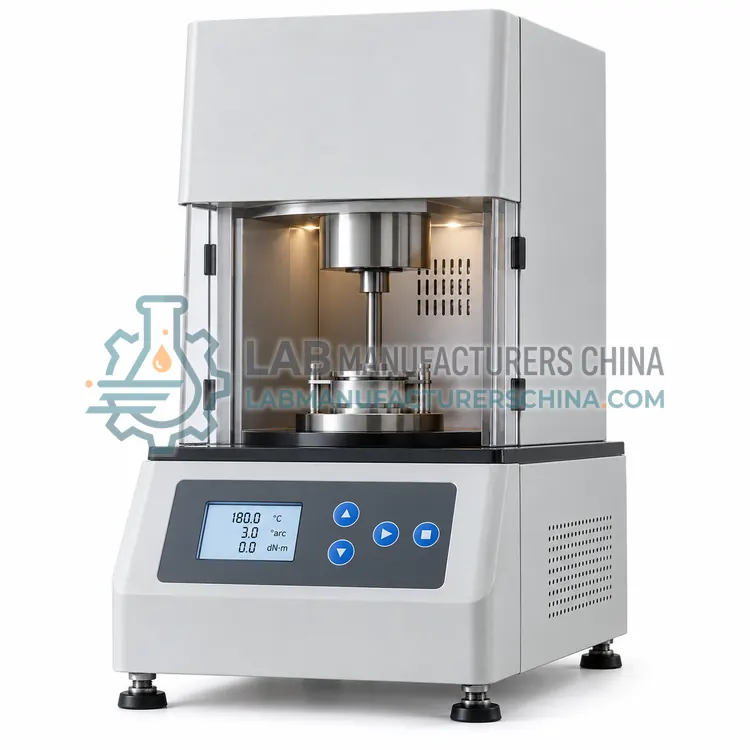 CRAE橡胶分析设备Rubber analysis equipment measures the processing, curing, aging and composition of raw rubber, compounds and vulcanized products. It includes rheometers, Mooney viscometers, rubber process analyzers, aging ovens and composition analyzers used by tire makers, compounders, seal and hose manufacturers and testing laboratories.
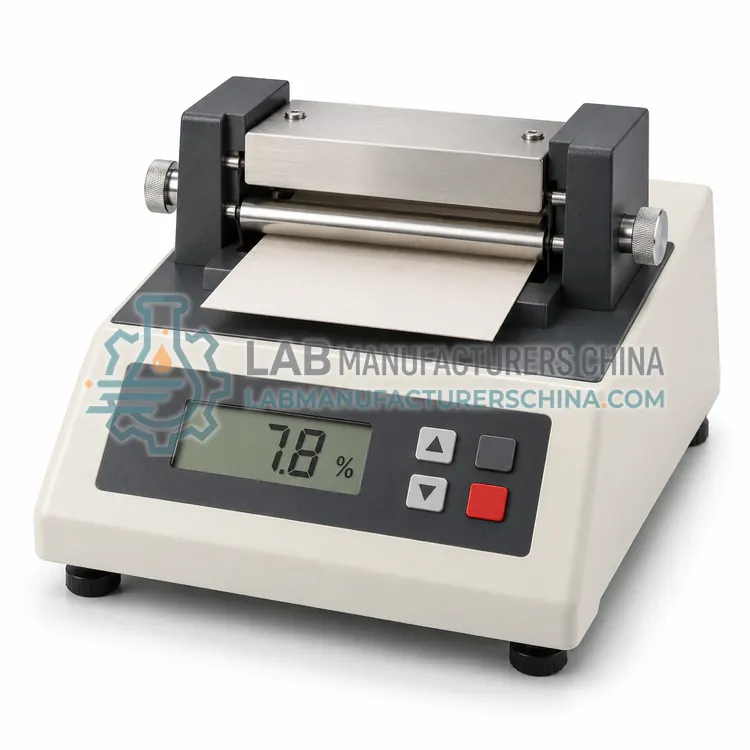 CPAP纸张分析设备Paper analysis equipment measures the moisture, thickness, brightness, burst strength and overall physical quality of paper, board and packaging. It is used by paper mills, converters, packaging manufacturers and testing laboratories for grade control, customer specification compliance and troubleshooting of runnability and print performance.
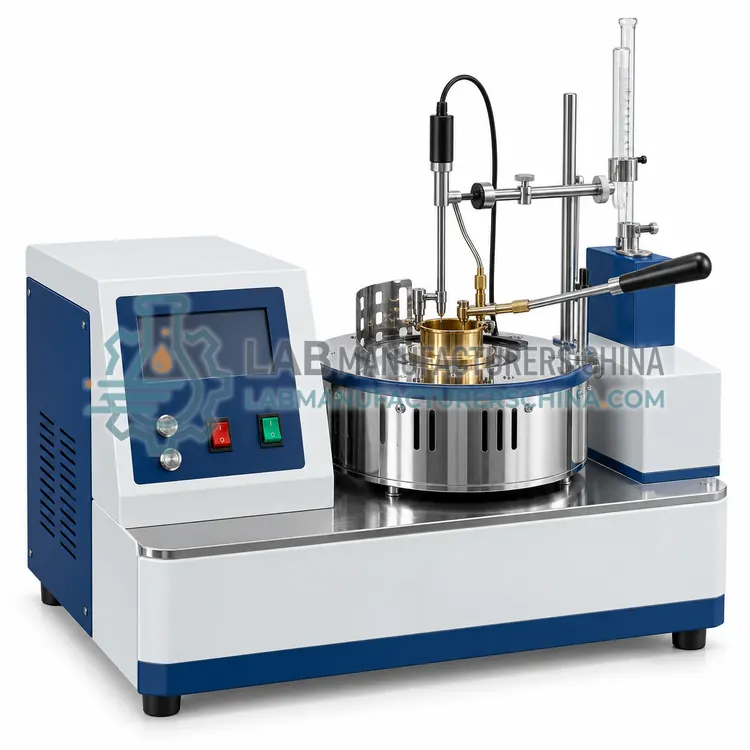 CPTE石油测试设备Petroleum testing equipment covers laboratory instruments that measure the physical, chemical and performance properties of crude oil and refined products, including flash point, distillation range, viscosity, sulfur content and octane or cetane quality. Refineries, terminals, fuel distributors and independent inspection laboratories use them to verify product specifications.
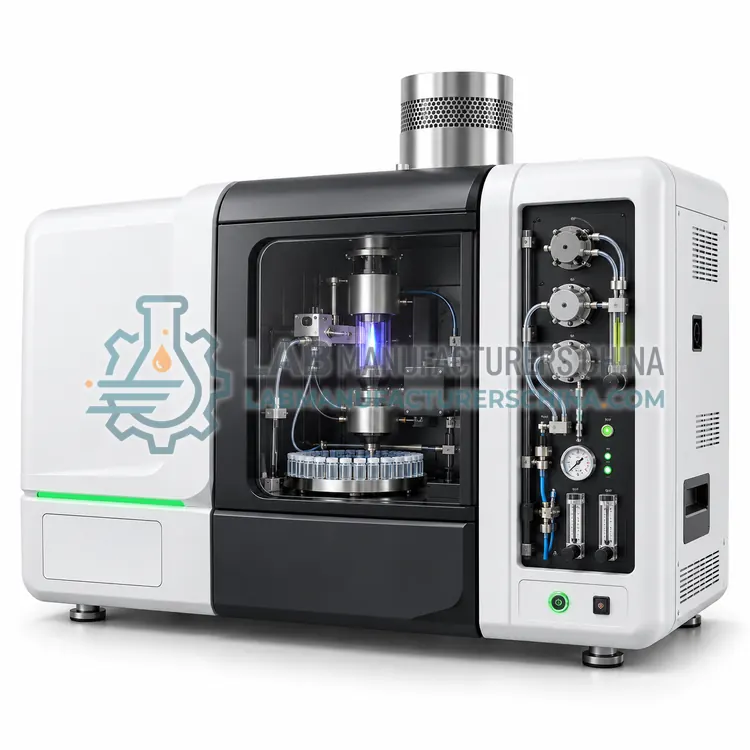 COTE油品检测设备Oil testing equipment covers laboratory and field instruments that measure the physical, chemical and electrical properties of mineral oils, insulating oils, edible oils and fuel oils. It is used by utilities, refineries, food processors and maintenance teams to verify quality, detect degradation and decide on oil change or treatment.