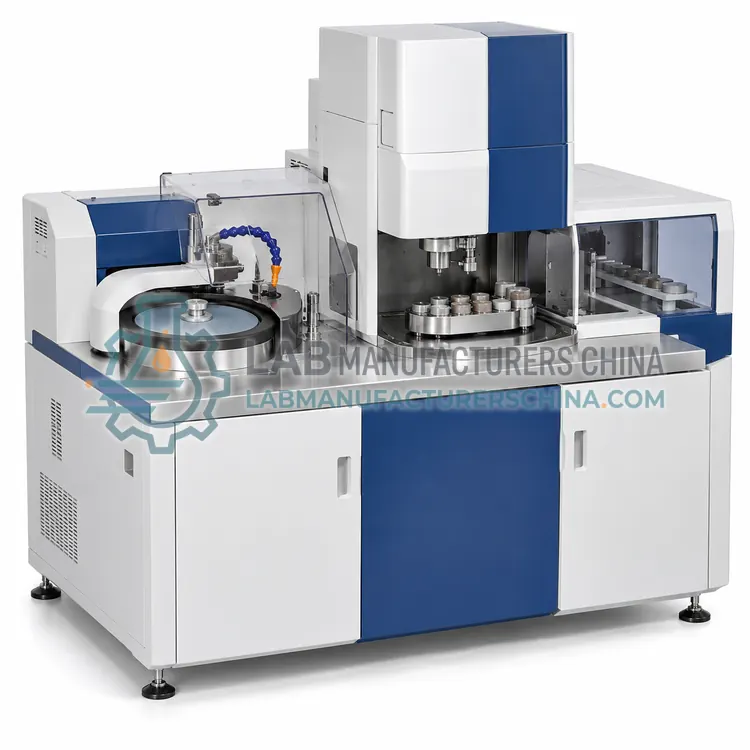
How do Spectrometers work?
Atomic spectrometry relies on the fact that each element emits, absorbs or fluoresces radiation at characteristic wavelengths or energies. In optical emission, an arc, spark or argon plasma excites atoms, and a grating disperses the emitted light onto photomultiplier tubes or CCD/CMOS detectors. In atomic absorption, a hollow cathode lamp passes light through an atomized sample, and absorbance follows Beer–Lambert behavior. In X-ray fluorescence, a primary X-ray beam ejects inner-shell electrons, and the characteristic X-rays emitted as outer electrons fill the vacancies are measured by energy-dispersive or wavelength-dispersive detection. Quantification requires calibration with certified reference materials and correction for matrix effects and spectral interferences, handled by the instrument software.
Which Spectrometers variants are available?
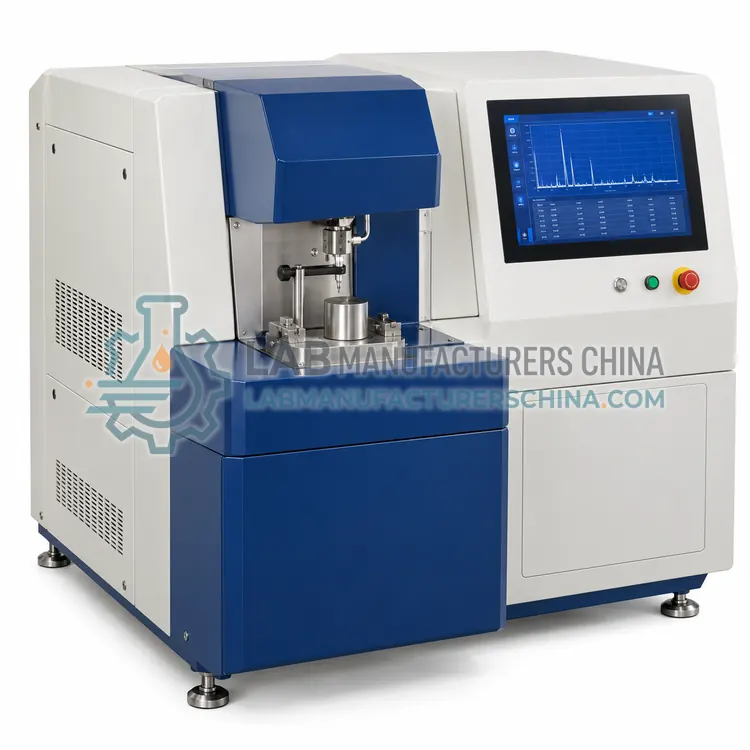
- Spark Optical Emission Spectrometer for Metal Analysis — A spark optical emission spectrometer excites the surface of a solid metal sample with an electrical spark in argon and measures emitted light at element-specific wavelengths.
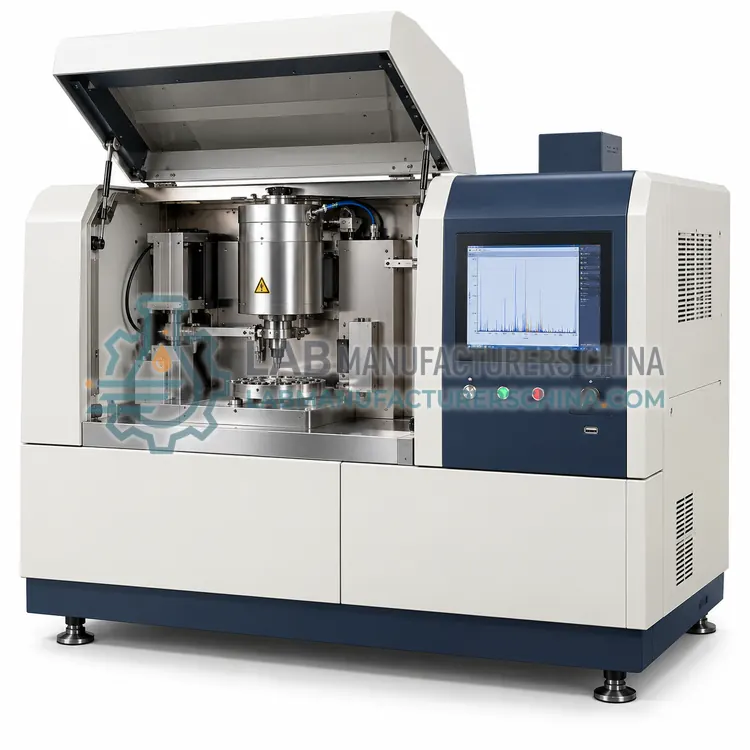
- ICP-OES Spectrometer for Trace Metal and Ore Analysis — An ICP-OES spectrometer measures the atomic emission of elements in an argon plasma at about 6000–10000 K.
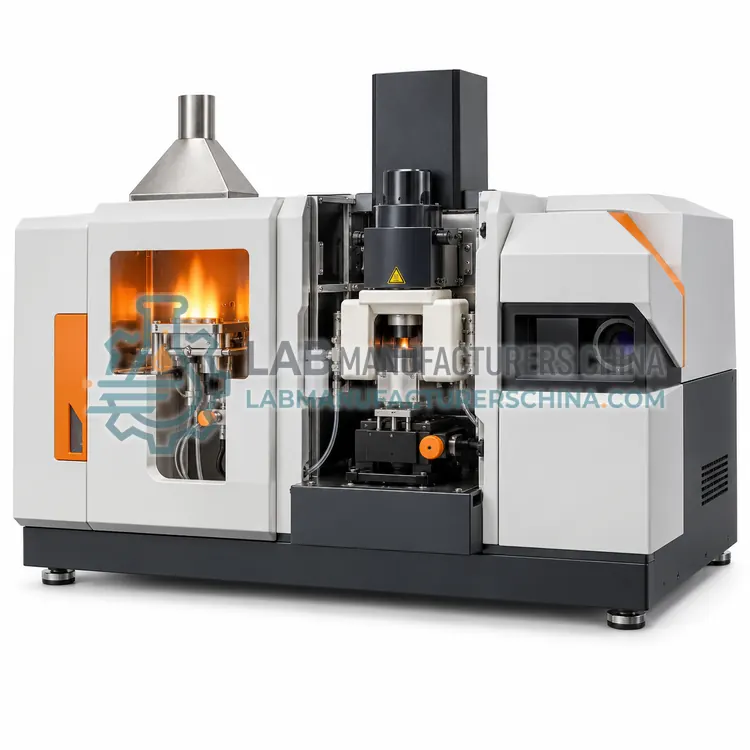
- Flame and Graphite Furnace Atomic Absorption Spectrometer — An atomic absorption spectrometer measures how much light of an element-specific hollow cathode lamp is absorbed by ground-state atoms in a flame or graphite tube.
- Energy-Dispersive XRF Analyzer for Sulfur and Minerals — An energy-dispersive XRF analyzer irradiates a sample with X-rays and measures the characteristic fluorescence energies of its elements with a semiconductor detector.
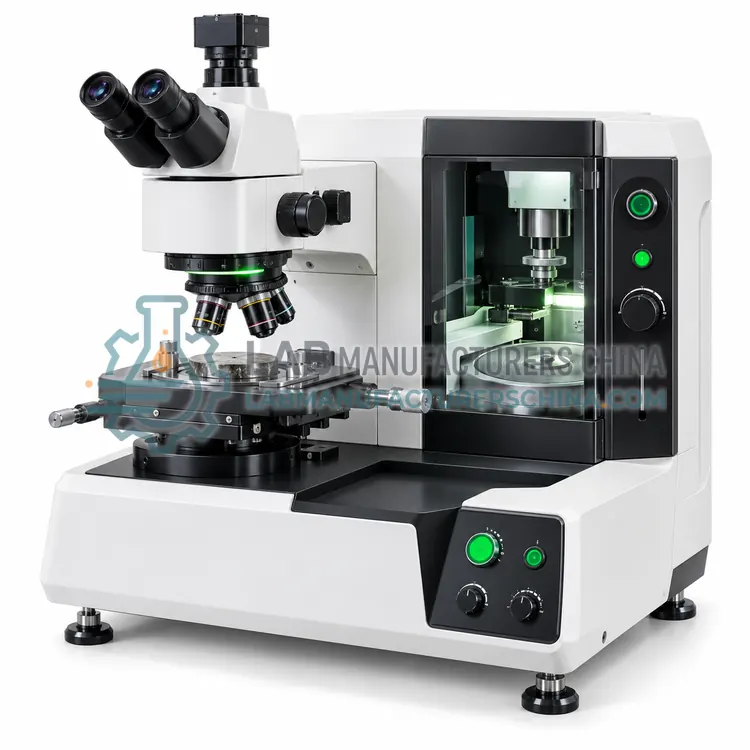
- Wavelength-Dispersive XRF Spectrometer for Ore and Cement — A wavelength-dispersive XRF spectrometer separates fluorescence X-rays with analyzer crystals and measures each wavelength with a goniometer or fixed channels.
How do I choose the right variant?
Sample form and required detection limit narrow the choice quickly. Solid metals for production control suit spark OES, which reads major and trace alloying elements within seconds. Liquids and digested solids measured to ppb levels suit ICP-OES for multi-element work or atomic absorption for one or two elements at lower capital cost. Powders, liquids and solids needing minimal preparation suit XRF, with energy-dispersive models for sulfur in fuels and screening, and wavelength-dispersive models for higher resolution in ore and cement. Consider elements of interest, since light elements such as carbon and boron are difficult by XRF. Also weigh argon consumption, sample preparation effort, operator skill and available reference materials matching your matrix.
Where are Spectrometers used?
Spectrometers are specified in alloy grade verification in foundries and steel mills, sulfur in fuels and oils, wear metals in used lubricating oil, ore and concentrate assay, heavy metals in water and wastewater and raw meal and clinker analysis in cement plants.
Which standards and certifications apply?
Work with Spectrometers is commonly governed by ASTM E415, ASTM E1019, ISO 15350, ASTM D4294, ISO 8754, ASTM D5185, ISO 11885 and IEC 61010-1. Instrument certifications such as CE marking are confirmed per configuration and never assumed.
What are the key considerations before purchase?
Install spectrometers in a temperature-stable room, typically 18–25 °C with controlled humidity, on a stable bench with adequate exhaust for plasma or spark gases. Argon supply of suitable purity is needed for spark OES and ICP. XRF systems require radiation safety registration under local regulations and periodic leak checks. Calibrate with certified reference materials, then monitor drift with control samples and apply type standardization or recalibration at defined intervals. Keep sample surfaces consistent, since grinding finish and pellet density affect results. Replace spark stand electrodes, nebulizers, lamps and windows as maintenance schedules dictate, and document validation in line with ISO/IEC 17025.