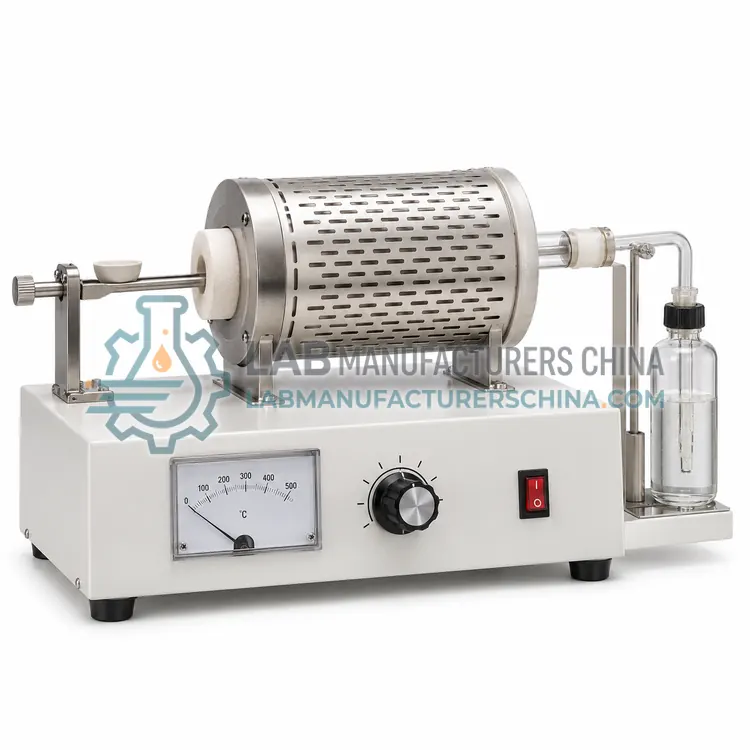
How do Elemental Analyzers work?
Elemental analyzers convert the element of interest into a simple gas at high temperature and then measure that gas. In combustion analysis, a sample burns in oxygen at 900–1350 °C, converting carbon to CO2, hydrogen to H2O, sulfur to SO2 and nitrogen to N2 or NOx. Gases are separated by chromatographic column or selective traps and detected by non-dispersive infrared cells, thermal conductivity detectors or chemiluminescence. Inert gas fusion heats a sample in a graphite crucible under helium to release oxygen as CO, nitrogen as N2 and hydrogen as H2, again measured by infrared and thermal conductivity. Induction furnaces heat metals and ores with accelerators such as tungsten and tin. Calibration uses certified standards of known composition.
Which Elemental Analyzers variants are available?
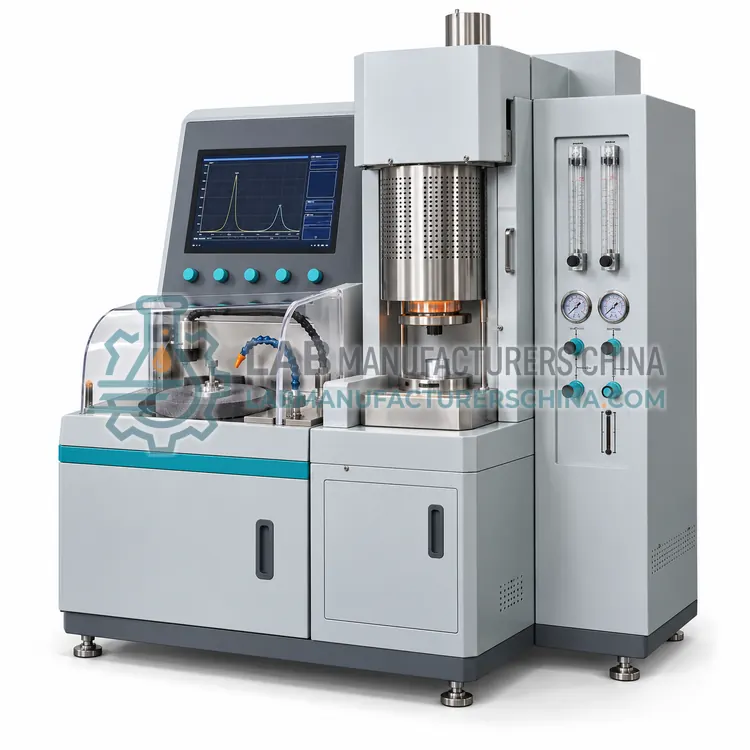
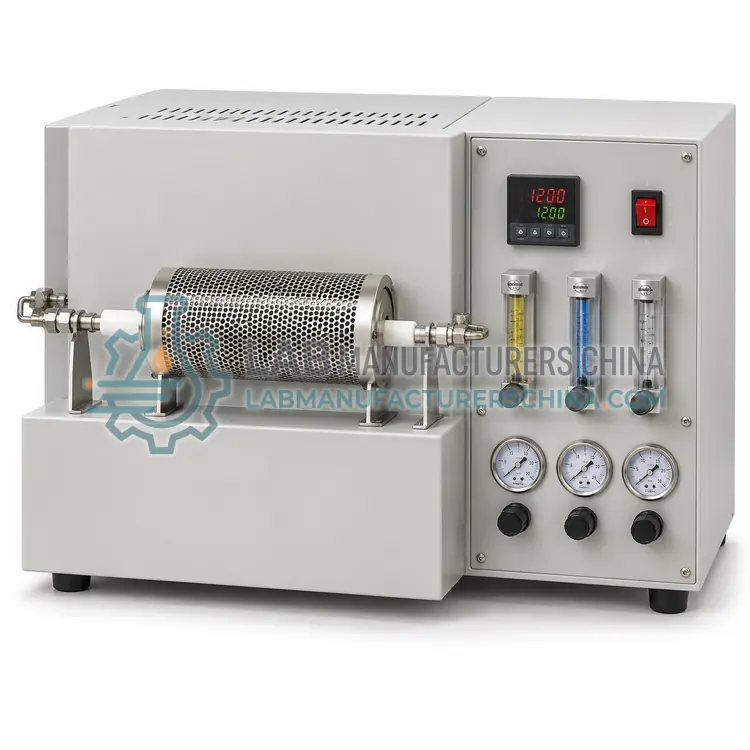
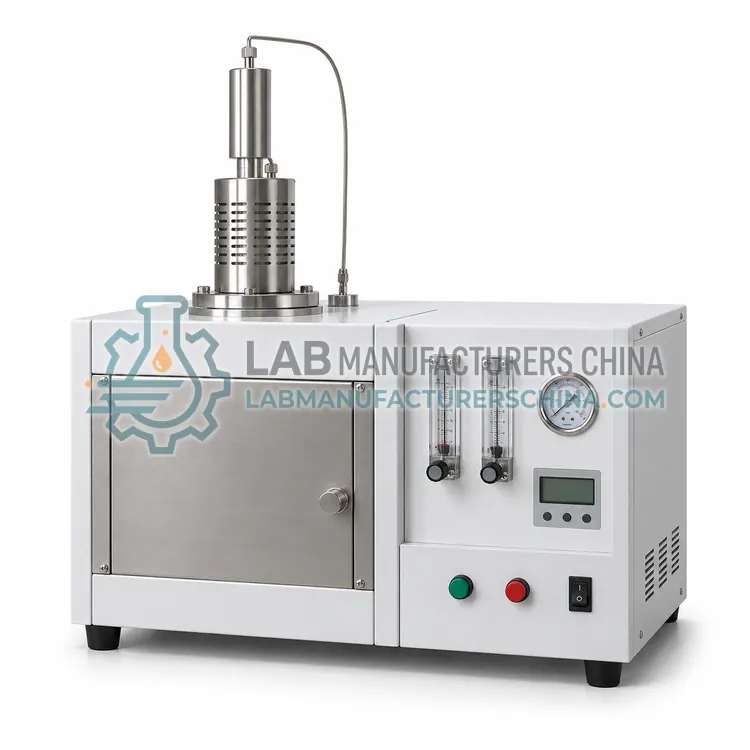
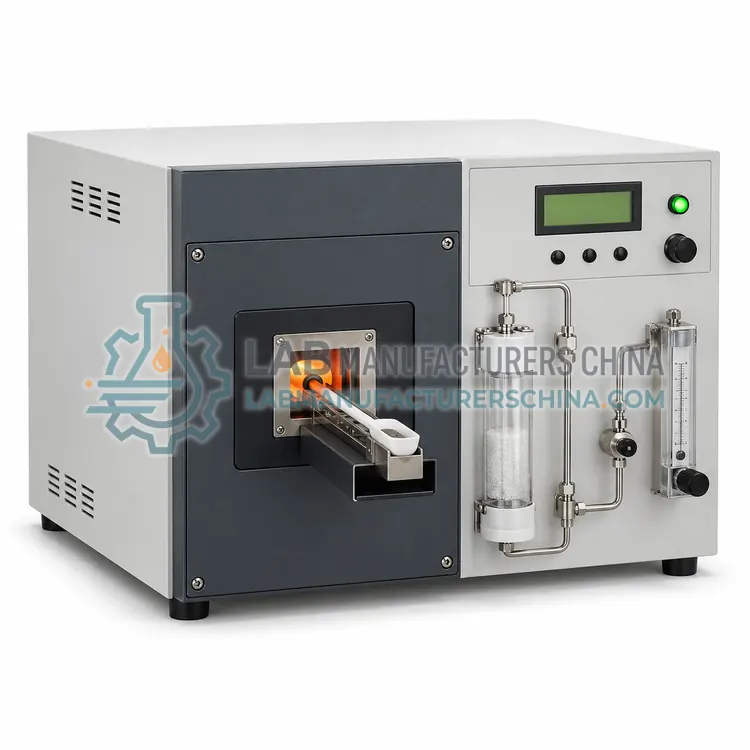
- High-Frequency Infrared Carbon-Sulfur Analyzer — A high-frequency infrared carbon-sulfur analyzer burns a metal, ore or inorganic sample in an induction furnace with oxygen and measures CO2 and SO2 by infrared absorption.
- Inert Gas Fusion Oxygen-Nitrogen-Hydrogen Analyzer — An inert gas fusion analyzer melts a metal sample in a graphite crucible under helium or argon and measures released oxygen, nitrogen and hydrogen by infrared and thermal conductivity.
- CHNS/O Dynamic Flash Combustion Elemental Analyzer — A CHNS/O elemental analyzer flash-combusts a milligram-scale sample at about 1000 °C and separates the resulting gases for thermal conductivity detection.
- UV-Fluorescence Total Sulfur and Chemiluminescence Nitrogen Analyzer — This analyzer combusts liquid or gas samples at about 1050 °C and measures sulfur by UV fluorescence of excited SO2 and nitrogen by chemiluminescence of NO with ozone.
- Infrared Sulfur Analyzer for Coal and Coke — An infrared sulfur analyzer burns a gram-scale coal, coke or solid fuel sample at 1150–1350 °C in oxygen and measures the SO2 formed by non-dispersive infrared absorption.
How do I choose the right variant?
Select by element set and sample form. Carbon and sulfur in steel, ores, cement and ceramics point to a high-frequency induction furnace with infrared detection. Oxygen, nitrogen and hydrogen in metals call for an inert gas fusion analyzer. Organic samples requiring C, H, N, S and possibly O suit a CHNS/O dynamic-flash combustion analyzer. Sulfur or nitrogen at mg/kg levels in liquid fuels suit UV-fluorescence or chemiluminescence analyzers. Check measuring range, since percent-level and ppm-level analyses need different detector ranges. Consider sample throughput, autosampler capacity, consumables such as crucibles, anhydrone and catalysts, and the standard methods to be met, such as ASTM E1019 or ASTM D5453.
Where are Elemental Analyzers used?
Elemental Analyzers are specified in carbon and sulfur in steel and ores, oxygen, nitrogen and hydrogen in metals and alloys, ultimate analysis of coal and coke, total sulfur and nitrogen in fuels and CHNS of chemicals and organic intermediates.
Which standards and certifications apply?
Work with Elemental Analyzers is commonly governed by ASTM E1019, ASTM E1409, ASTM D5373, ASTM D5453, ASTM D4239, ISO 15350, ISO 10694 and IEC 61010-1. Instrument certifications such as CE marking are confirmed per configuration and never assumed.
What are the key considerations before purchase?
Elemental analyzers need clean, dry, high-purity gases, typically oxygen and helium or argon at 99.995% or better, with regulators and moisture traps. Condition new combustion tubes, catalysts and reagents according to the manual, and replace them on a usage schedule. Run blanks and conditioning samples at start-up, then calibrate with certified standards that match the expected concentration range, such as acetanilide for CHN or steel standards for C and S. Control dust by cleaning the furnace and filters frequently, especially for ore and coke samples. Check for gas leaks regularly, weigh samples on a balance with suitable readability, and keep crucibles pre-ignited and free of contamination.