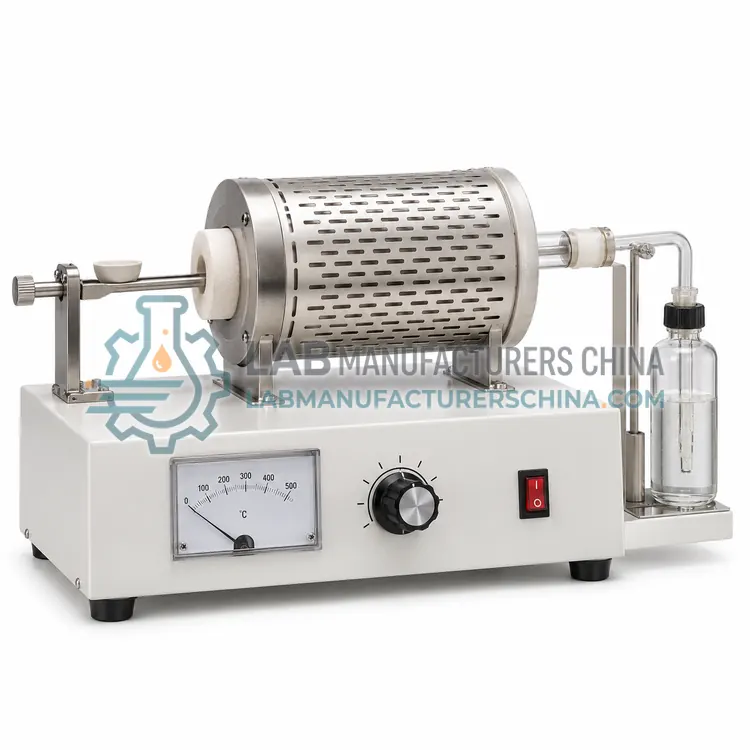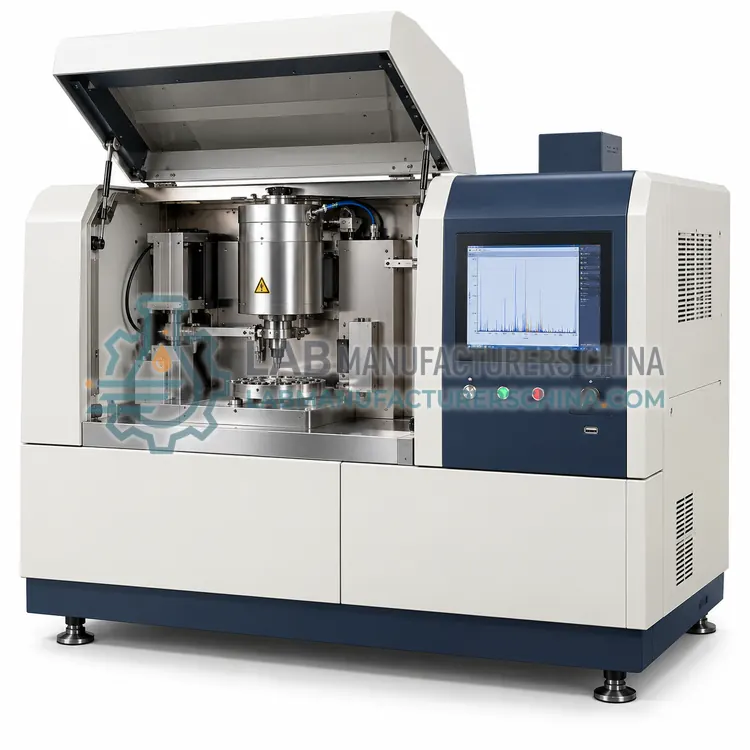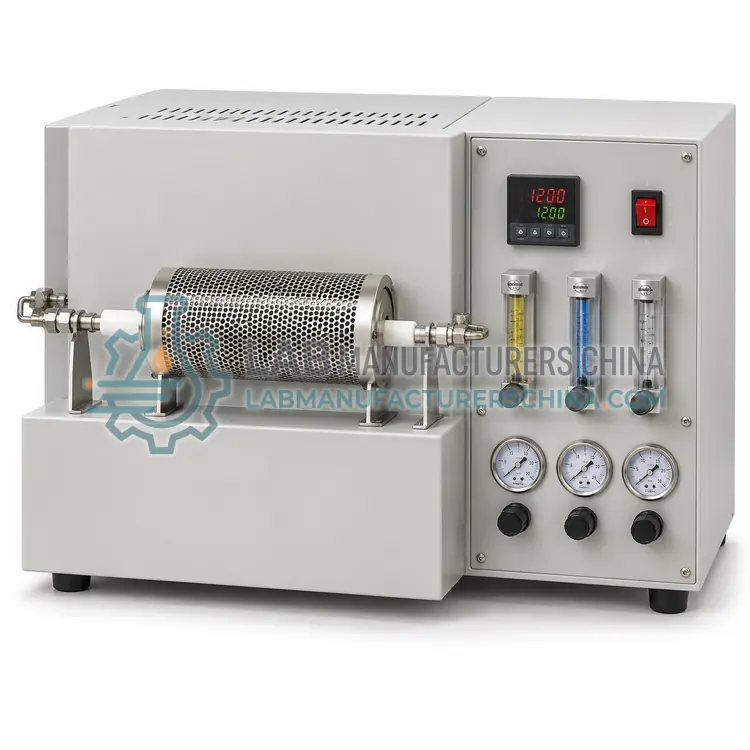
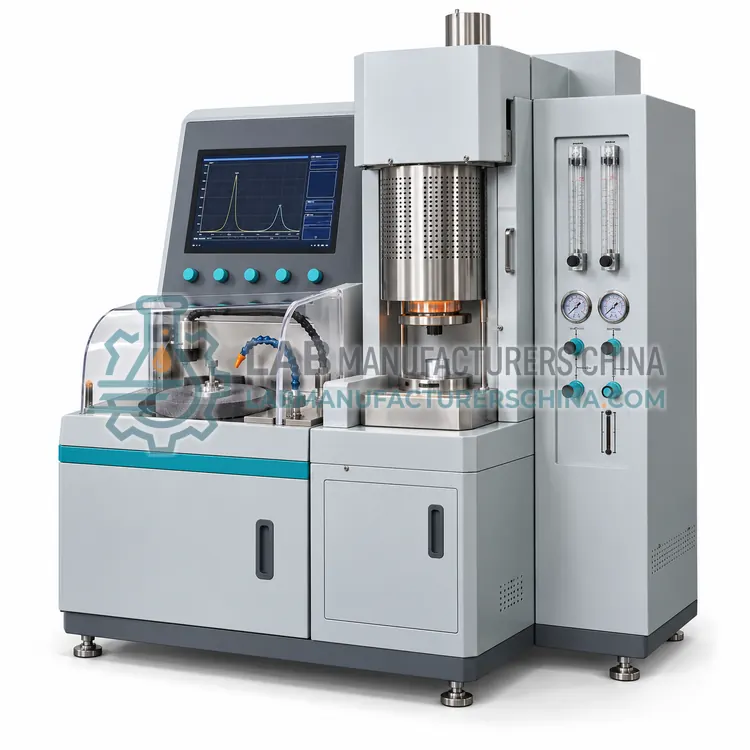
High-Frequency Infrared Carbon-Sulfur Analyzer
高频红外碳硫分析仪
- SKU ELM-0001
- Elemental Analyzers
- CE (to be confirmed)
- ISO 9001 manufacturing (to be confirmed)
- RoHS (to be confirmed)
Price on request — FOB / CIF quoted per order
Prices depend on configuration, quantity and destination port.
Key specifications
| Carbon range | 0.0001–6% (m/m) |
|---|---|
| Sulfur range | 0.0001–0.35% (m/m), extendable |
| Sample mass | 0.2–1.0 g |
| Analysis time | 35–60 s |
| Furnace frequency | 18–20 MHz induction |
| Carbon repeatability | RSD ≤ 0.5% at 0.5% C |
Request a quote Download brochure · to be provided
By Lab Manufacturers China Technical TeamLast reviewed Standards: ASTM E1019, ASTM E1409, ASTM D5373
What is the High-Frequency Infrared Carbon-Sulfur Analyzer?
A high-frequency infrared carbon-sulfur analyzer burns a metal, ore or inorganic sample in an induction furnace with oxygen and measures CO2 and SO2 by infrared absorption. It gives carbon and sulfur results in about 40 seconds for steel, cast iron, ores, cement and ceramics.
What is the High-Frequency Infrared Carbon-Sulfur Analyzer?
A high-frequency infrared carbon-sulfur analyzer burns a metal, ore or inorganic sample in an induction furnace with oxygen and measures CO2 and SO2 by infrared absorption. It gives carbon and sulfur results in about 40 seconds for steel, cast iron, ores, cement and ceramics.
Overview
A weighed sample of about 0.2–1 g, mixed with tungsten and iron or tin accelerators in a ceramic crucible, is heated by a 18–20 MHz induction coil to over 1600 °C in flowing oxygen. Released CO2 and SO2 pass through dust filters and moisture traps to infrared cells that measure absorption at about 4.26 and 7.35 µm respectively. Multiple cell ranges allow carbon from a few ppm to 6% and sulfur to 0.35% or higher without dilution. Analysis cycles are 35–60 seconds. Because the method is gas-volume independent, it offers high precision, with typical carbon repeatability of 0.0005% at low levels. Calibration with steel, iron and ore standards covers different matrices, and autoloaders extend throughput for foundries and mining laboratories.
How does it work?
Elemental analyzers convert the element of interest into a simple gas at high temperature and then measure that gas. In combustion analysis, a sample burns in oxygen at 900–1350 °C, converting carbon to CO2, hydrogen to H2O, sulfur to SO2 and nitrogen to N2 or NOx. Gases are separated by chromatographic column or selective traps and detected by non-dispersive infrared cells, thermal conductivity detectors or chemiluminescence. Inert gas fusion heats a sample in a graphite crucible under helium to release oxygen as CO, nitrogen as N2 and hydrogen as H2, again measured by infrared and thermal conductivity. Induction furnaces heat metals and ores with accelerators such as tungsten and tin. Calibration uses certified standards of known composition.
What are the key features?
- Induction furnace reaching over 1600 °C for complete combustion of refractory samples
- Four-range infrared detection for carbon and sulfur without sample dilution
- Automatic dust cleaning and replaceable filters to reduce downtime
- Analysis in 35–60 seconds with automatic blank and calibration routines
- Optional autoloader with 50 to 100 crucible positions
- Software supports multi-point calibration, statistics and result export
What are the technical specifications?
A typical high-frequency infrared carbon-sulfur analyzer configuration offers carbon range of 0.0001–6% (m/m), sulfur range of 0.0001–0.35% (m/m), extendable, sample mass of 0.2–1.0 g, analysis time of 35–60 s, furnace frequency of 18–20 MHz induction and carbon repeatability of RSD ≤ 0.5% at 0.5% C. Values are indicative of the product class; the exact figures for each configuration are confirmed on the quotation and the calibration documents supplied with the instrument.
Which applications is it used for?
The High-Frequency Infrared Carbon-Sulfur Analyzer is used in carbon and sulfur in steel and cast iron, ore and concentrate sulfur determination, cement and ceramic raw materials, ferroalloys and non-ferrous metals and carbon in coke and graphite. Across the wider Elemental Analyzers class, laboratories also deploy it for carbon and sulfur in steel and ores, oxygen, nitrogen and hydrogen in metals and alloys and ultimate analysis of coal and coke.
Which standards and certifications apply?
Relevant standards and methods include ASTM E1019, ASTM E1409, ASTM D5373, ASTM D5453, ASTM D4239, ISO 15350, ISO 10694 and IEC 61010-1. Certification candidates for this model are CE, ISO 9001 manufacturing and RoHS; each is to be confirmed for the specific configuration before shipment, and certificates are supplied only where they have been issued.
Elemental analyzers need clean, dry, high-purity gases, typically oxygen and helium or argon at 99.995% or better, with regulators and moisture traps. Condition new combustion tubes, catalysts and reagents according to the manual, and replace them on a usage schedule. Run blanks and conditioning samples at start-up, then calibrate with certified standards that match the expected concentration range, such as acetanilide for CHN or steel standards for C and S. Control dust by cleaning the furnace and filters frequently, especially for ore and coke samples. Check for gas leaks regularly, weigh samples on a balance with suitable readability, and keep crucibles pre-ignited and free of contamination.
How do I select the right High-Frequency Infrared Carbon-Sulfur Analyzer?
Select this variant for routine carbon and sulfur control of metals, ores and inorganic solids. Choose an ONH analyzer for gases in metals and a CHNS analyzer for organic samples. In an RFQ, give carbon and sulfur ranges, sample types, daily throughput, autoloader need, oxygen supply, and applicable standards such as ASTM E1019 or ISO 15350.
How does it compare with other Elemental Analyzers variants?
Select by element set and sample form. Carbon and sulfur in steel, ores, cement and ceramics point to a high-frequency induction furnace with infrared detection. Oxygen, nitrogen and hydrogen in metals call for an inert gas fusion analyzer. Organic samples requiring C, H, N, S and possibly O suit a CHNS/O dynamic-flash combustion analyzer. Sulfur or nitrogen at mg/kg levels in liquid fuels suit UV-fluorescence or chemiluminescence analyzers. Check measuring range, since percent-level and ppm-level analyses need different detector ranges. Consider sample throughput, autosampler capacity, consumables such as crucibles, anhydrone and catalysts, and the standard methods to be met, such as ASTM E1019 or ASTM D5453.
Full specifications
| Carbon range | 0.0001–6% (m/m) |
|---|---|
| Sulfur range | 0.0001–0.35% (m/m), extendable |
| Sample mass | 0.2–1.0 g |
| Analysis time | 35–60 s |
| Furnace frequency | 18–20 MHz induction |
| Carbon repeatability | RSD ≤ 0.5% at 0.5% C |
| Detector | Non-dispersive infrared, 4 cells |
| Oxygen requirement | ≥ 99.5%, 0.2 MPa |
| Carrier gas | Oxygen / compressed air for pneumatics |
| Power | 220 V AC, 50 Hz, ≤ 2.5 kW |
Indicative values for this product class. Final specifications are confirmed on the quotation and in the calibration documents supplied with the instrument.
Applications
- Carbon and sulfur in steel and cast iron
- Ore and concentrate sulfur determination
- Cement and ceramic raw materials
- Ferroalloys and non-ferrous metals
- Carbon in coke and graphite
Key features
- Induction furnace reaching over 1600 °C for complete combustion of refractory samples
- Four-range infrared detection for carbon and sulfur without sample dilution
- Automatic dust cleaning and replaceable filters to reduce downtime
- Analysis in 35–60 seconds with automatic blank and calibration routines
- Optional autoloader with 50 to 100 crucible positions
- Software supports multi-point calibration, statistics and result export
Frequently asked questions about High-Frequency Infrared Carbon-Sulfur Analyzer
Accelerators such as tungsten, iron and tin couple to the induction field, raise combustion temperature and promote complete, rapid oxidation of the sample. Without them many metals would not reach the temperature required for full carbon and sulfur release.
Ceramic crucibles are single-use consumables, so cost per analysis includes crucible, accelerator and oxygen. They must be pre-ignited at about 1000 °C to remove carbon contamination and kept dry before use to keep blanks low.
Calibrate using certified steel, iron or ore reference materials across the concentration range, typically three to five points. A drift check with one control standard should be run daily and recalibration triggered when it falls outside set limits.
A carbon-sulfur analyzer uses an induction furnace and infrared cells to measure C and S in metals, ores and inorganic solids at ppm to percent levels. A CHNS analyzer uses flash combustion and gas separation for organic samples, reporting C, H, N and S together.
Combustion analyzers need high-purity oxygen for combustion and either helium or argon as carrier gas, plus compressed air for pneumatics in some models. Gas purity of 99.995% or better is typical, and moisture and CO2 traps protect detectors.
Replacement depends on sample load and type. Typical schedules are after 300–1000 combustions for tubes and reagents in CHNS systems, while induction furnace dust traps and filters are cleaned daily. Follow the maker's indicators and check recovery of standards.
Related models
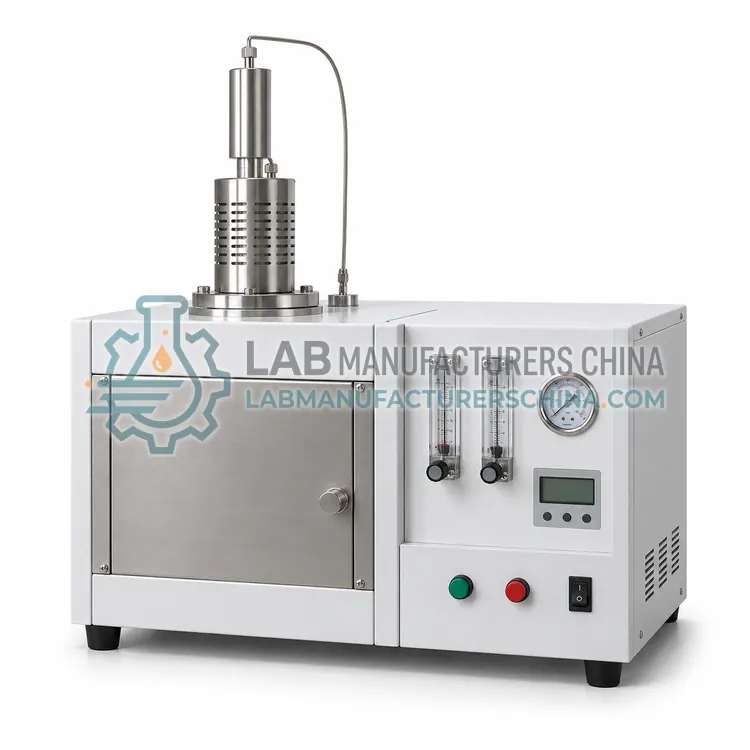
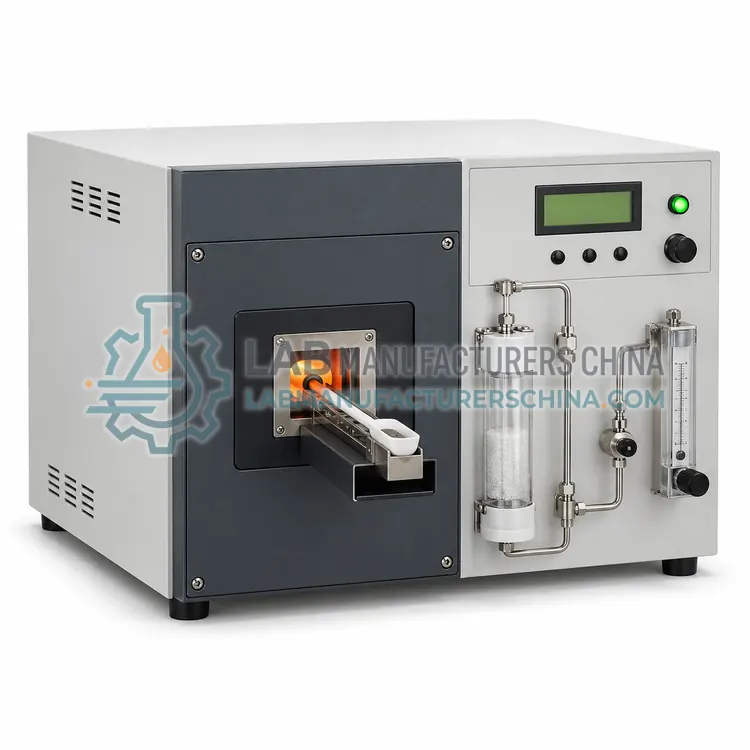
UV-Fluorescence Total Sulfur and Chemiluminescence Nitrogen Analyzer
紫外荧光总硫与化学发光总氮分析仪
- CE (to be confirmed)
- +2