Lab Manufacturers China

Metal Analysis

金属成分分析仪

MET · Metallurgical Laboratory Equipment · 5 models

By Lab Manufacturers China Technical TeamLast reviewed Standards: ASTM E415, ASTM E1086, ASTM E1019

Standards referenced

  • ASTM E415
  • ASTM E1086
  • ASTM E1019
  • ASTM E1479
  • ISO 14284
  • ASTM E1806
  • IEC 61010-1

What are Metal Analysis?

Metal analysis instruments determine the chemical composition of steels, alloys, cast irons and non-ferrous metals, including carbon, sulfur and dissolved gases. Foundries, steel mills, heat treaters and inspection bodies use them for grade verification and process control.

5 models of Metal Analysis

The 5 models below are current configurations; specifications are confirmed on quotation.

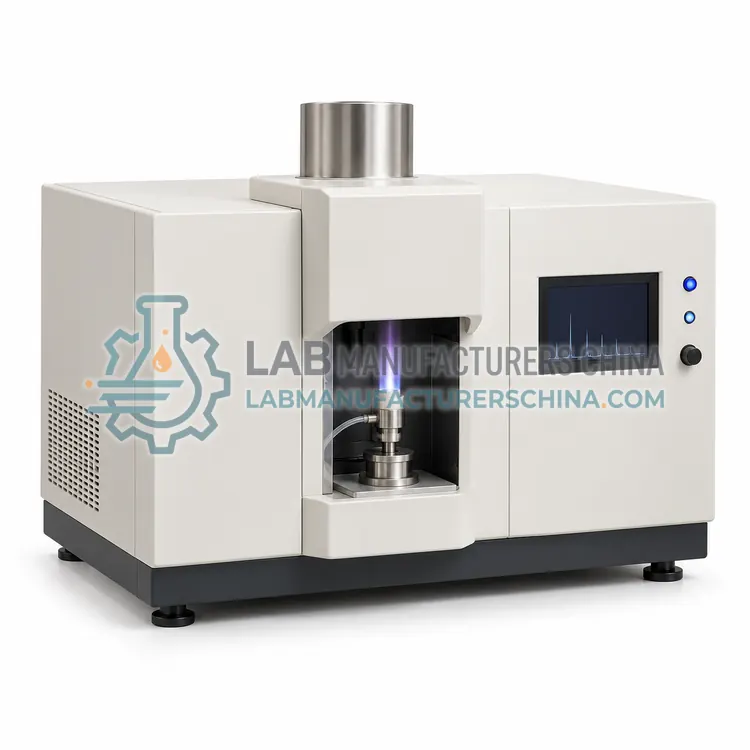
Spark Optical Emission Spectrometer for Metal Analysis

金属分析火花发射光谱仪

  • MET-0001
  • Metal Analysis
  • CE (to be confirmed)
  • ISO 9001 manufacturing (to be confirmed)
Wavelength range:
165–800 nm
Elements measured:
20–30 simultaneously
Detection limit:
From about 1–10 mg/kg for many elements
Measurement time:
20–40 s including prespark
Argon purity:
≥ 99.999 %
Sample surface:
Machined flat, Ra about 1–3 µm

A spark optical emission spectrometer excites a machined metal surface with an argon-shielded discharge and measures the emitted light to determine many elements at once. It is the standard instrument for steel and alloy composition control.

Request a quote
View details

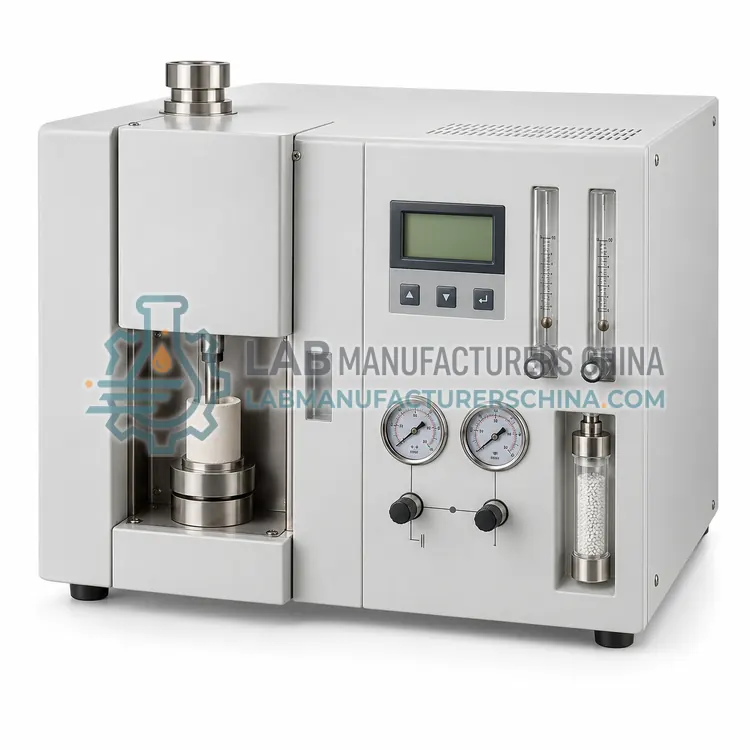
Combustion Carbon-Sulfur Analyzer for Metals

金属碳硫燃烧分析仪

  • MET-0002
  • Metal Analysis
  • CE (to be confirmed)
  • ISO 9001 manufacturing (to be confirmed)
Carbon range:
0.0005–6 %
Sulfur range:
0.0005–1 %
Sample mass:
0.2–1 g chips
Furnace temperature:
Induction, 1800–2200 °C in the crucible
Detectors:
NDIR cells for CO2 and SO2
Analysis time:
40–90 s per sample

A combustion carbon-sulfur analyzer burns a weighed metal sample with an accelerator in an oxygen stream and measures the carbon dioxide and sulfur dioxide released with infrared cells. It covers carbon and sulfur to mg/kg levels.

Request a quote
View details

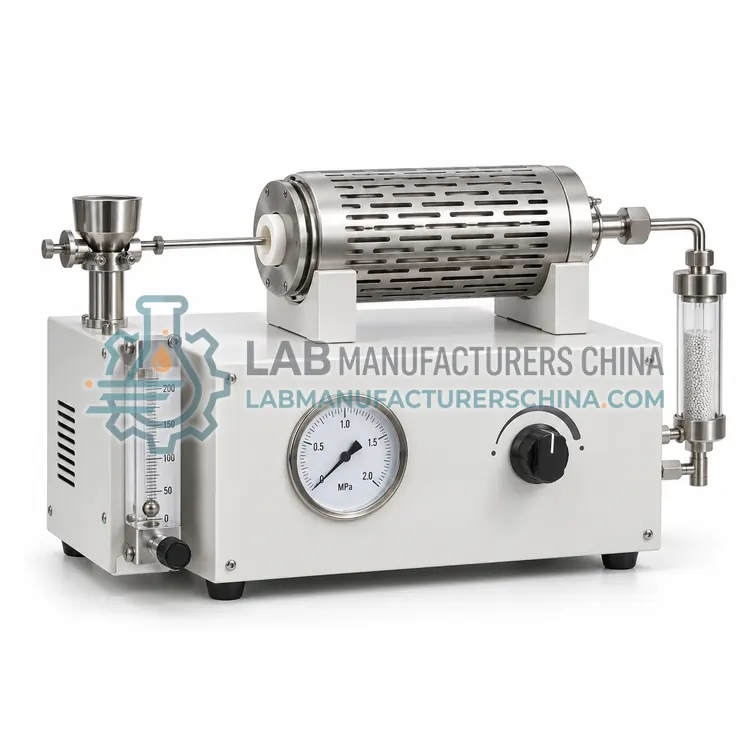
Inert Gas Fusion Oxygen-Nitrogen-Hydrogen Analyzer

惰性气体熔融氧氮氢分析仪

  • MET-0003
  • Metal Analysis
  • CE (to be confirmed)
  • ISO 9001 manufacturing (to be confirmed)
Measured elements:
O, N, H, singly or combined
Oxygen range:
From about 1 mg/kg to 0.5 %
Nitrogen range:
From about 1 mg/kg to 0.5 %
Hydrogen range:
From about 0.1 mg/kg to 50 mg/kg
Furnace temperature:
Up to 3000 °C
Sample mass:
0.1–1 g

An inert gas fusion analyzer melts metal samples in a graphite crucible under inert gas and measures the released oxygen, nitrogen and hydrogen. It quantifies dissolved gases that affect steel cleanliness and weld quality.

Request a quote
View details

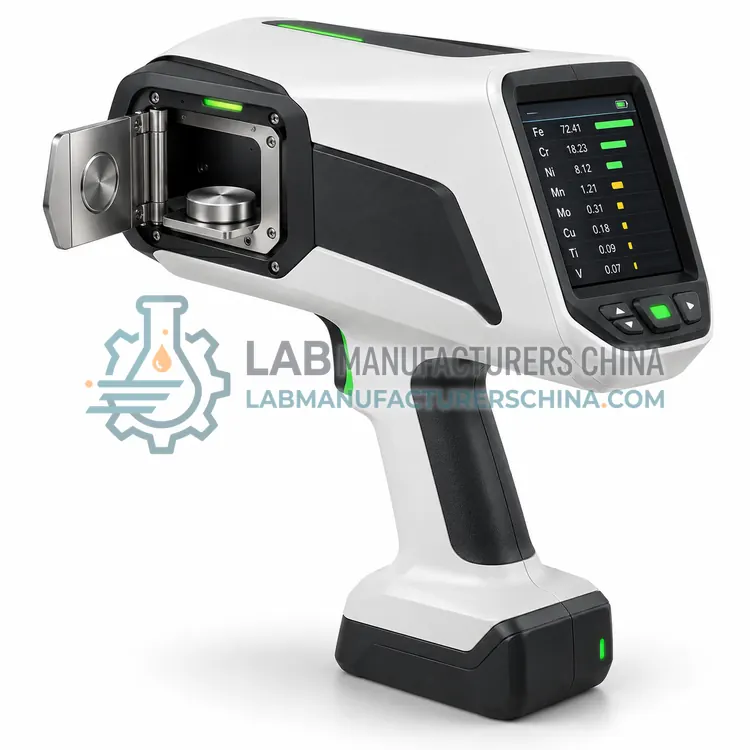
Handheld XRF Alloy Analyzer

手持式合金成分分析仪

  • MET-0004
  • Metal Analysis
  • CE (to be confirmed)
  • ISO 9001 manufacturing (to be confirmed)
Element range:
Mg to U, typically 20–30 elements
Detection limit:
About 0.01–0.1 % for most alloying elements
Measurement time:
2–60 s depending on mode
Alloy libraries:
Stainless, nickel, copper, aluminium, titanium, tool steels
X-ray tube:
Rh or Ag anode, 40–50 kV
Weight:
1.5–2.5 kg with battery

A handheld XRF alloy analyzer identifies alloy grades by measuring X-ray fluorescence from a test surface, making positive material identification possible in the warehouse or on installed equipment. Carbon and light elements are not measurable.

Request a quote
View details

Inductively Coupled Plasma Optical Emission Spectrometer for Metal Assay

金属测定用电感耦合等离子体发射光谱仪

  • MET-0005
  • Metal Analysis
  • CE (to be confirmed)
  • ISO 9001 manufacturing (to be confirmed)
Wavelength range:
165–800 nm
Detection limit:
From about 1–10 µg/L in solution
Plasma power:
1.0–1.6 kW
Argon consumption:
10–20 L/min
Sample introduction:
Nebuliser and spray chamber, autosampler
Elements per run:
20 or more

An inductively coupled plasma optical emission spectrometer measures trace and major elements in dissolved metal samples, separating the metal in acid first. It is used for certification work and unusual alloy systems.

Request a quote
View details

Compare Metal Analysis models

ModelWavelength rangeDetection limitMeasurement timeData outputSample mass
Spark Optical Emission Spectrometer for Metal AnalysisMET-0001165–800 nmFrom about 1–10 mg/kg for many elements20–40 s including presparkLAN, LIMS export—
Combustion Carbon-Sulfur Analyzer for MetalsMET-0002———USB, LAN, LIMS export0.2–1 g chips
Inert Gas Fusion Oxygen-Nitrogen-Hydrogen AnalyzerMET-0003————0.1–1 g
Handheld XRF Alloy AnalyzerMET-0004—About 0.01–0.1 % for most alloying elements2–60 s depending on modeBluetooth, USB, on-board storage—
Inductively Coupled Plasma Optical Emission Spectrometer for Metal AssayMET-0005165–800 nmFrom about 1–10 µg/L in solution—LAN, LIMS export—

Indicative values for this product class. Final specifications are confirmed on the quotation and in the calibration documents supplied with the instrument.

How do Metal Analysis work?

Spark optical emission spectrometry is the workhorse for solid metal. An argon-shielded electric discharge vaporises and excites atoms at the sample surface, the emitted light is dispersed by a spectrometer, and intensities are converted to concentrations using calibrations built from certified reference materials of similar composition. X-ray fluorescence offers the same idea without the need for a conductive, flat surface: a beam excites inner-shell electrons, and the characteristic fluorescence identifies and quantifies elements, which makes handheld units useful for alloy sorting. Carbon, sulfur, oxygen, nitrogen and hydrogen are not accessible to optical emission at low levels and are determined by combustion or inert gas fusion: the sample melts in a crucible under a stream of oxygen or inert gas, gases are released and measured by infrared cells or thermal conductivity. Inductively coupled plasma optical emission spectrometry is used after acid dissolution for trace elements and for certification work. All these techniques depend on calibration, matrix matching and clean, representative samples.

Which Metal Analysis variants are available?

  • Spark Optical Emission Spectrometer for Metal Analysis — A spark optical emission spectrometer excites a machined metal surface with an argon-shielded discharge and measures the emitted light to determine many elements at once.
  • Combustion Carbon-Sulfur Analyzer for Metals — A combustion carbon-sulfur analyzer burns a weighed metal sample with an accelerator in an oxygen stream and measures the carbon dioxide and sulfur dioxide released with infrared cells.
  • Inert Gas Fusion Oxygen-Nitrogen-Hydrogen Analyzer — An inert gas fusion analyzer melts metal samples in a graphite crucible under inert gas and measures the released oxygen, nitrogen and hydrogen.
  • Handheld XRF Alloy Analyzer — A handheld XRF alloy analyzer identifies alloy grades by measuring X-ray fluorescence from a test surface, making positive material identification possible in the warehouse or on installed equipment.
  • Inductively Coupled Plasma Optical Emission Spectrometer for Metal Assay — An inductively coupled plasma optical emission spectrometer measures trace and major elements in dissolved metal samples, separating the metal in acid first.

How do I choose the right variant?

Decide from the elements, the levels and the sample form. For production control of solid metal, spark optical emission gives fast multi-element results from a machined surface and is the usual choice, with the spectrometer configuration matched to the base metals and element ranges you analyse. Combustion and inert gas fusion instruments are required when carbon, sulfur, oxygen, nitrogen or hydrogen form part of the specification, and they need their own sample preparation and reference materials. Handheld X-ray fluorescence suits incoming inspection, alloy sorting and positive material identification on installed parts, but cannot measure carbon or low atomic number elements and needs careful radiation management. Inductively coupled plasma is preferred for trace and tramp elements, for non-routine matrices and for validating other methods. Check detection limits, the number of elements and channels, calibration standards available, argon or gas supply and service support before committing.

Where are Metal Analysis used?

Metal Analysis are specified in steel and alloy grade verification, foundry melt control and charge optimisation, positive material identification of installed parts, gas content control for steel cleanliness and certification of reference materials.

Which standards and certifications apply?

Work with Metal Analysis is commonly governed by ASTM E415, ASTM E1086, ASTM E1019, ASTM E1479, ISO 14284, ASTM E1806 and IEC 61010-1. Instrument certifications such as CE marking are confirmed per configuration and never assumed.

What are the key considerations before purchase?

Everything depends on calibration and reference materials, so keep a set of certified standards covering each element range and renew them before they expire. Condition the sample surface correctly: machined for spark emission, flat and clean for X-ray fluorescence, uncontaminated chips for combustion. Reference the instrument daily with a control sample and confirm drift before releasing results. Maintain gas supplies at the specified purity, since moisture and oxygen in argon degrade spark stability, and check crucibles, electrodes, filters and reagents on a schedule. Control contamination between samples: clean the spark stand, change crucibles and use new tools. Radiation and laser safety programs, fume extraction for acid digestion and safe handling of compressed gases are part of normal operation, and records of calibration, verification and maintenance should travel with the results.

Frequently asked questions about Metal Analysis

Spark optical emission spectrometry for solid metal, because it measures many elements quickly from a machined surface. Carbon, sulfur and dissolved gases are added by combustion or inert gas fusion analyzers, since optical emission cannot reach the required low levels.

Need help specifying Metal Analysis?

Request a quote