
Water & Environment Laboratory Solutions
水与环境
By Lab Manufacturers China Technical TeamLast reviewed
What laboratory equipment does Water & Environment need?
Water and environmental laboratories measure the quality of drinking water, wastewater, air and soil against regulatory limits. Typical equipment includes pH, conductivity and turbidity meters, COD and BOD analyzers, TOC analyzers, spectrophotometers, atomic absorption and ICP for metals, air samplers and soil testing instruments, supplied for field and laboratory use.
What do water and environmental laboratories measure?
Water laboratories measure physical, chemical and biological parameters to assess drinking water safety, treatment performance and discharge compliance. Common parameters are pH, conductivity, turbidity, dissolved oxygen, hardness, residual chlorine, COD, BOD, total organic carbon, nutrients and metals, plus coliform bacteria.
Environmental laboratories extend this to air particulates and gases, soil nutrients and contaminants, and sediment or sludge. Results are compared with national limits and guidelines such as those published by the World Health Organization.
Regulatory frameworks differ by country, so the same analyte may be governed by different methods and limits depending on where results are reported. Confirm the governing method before choosing instruments, and keep a copy of the method with your validation records.
Which instruments are used for routine water analysis?
Routine water analysis relies on a compact set of instruments:
- Multiparameter meters for pH, conductivity, dissolved oxygen and temperature
- Turbidity meters following ISO 7027 or EPA 180.1 style optics
- Spectrophotometers and colorimeters with reagent kits for nutrients, chlorine and COD
- BOD incubators at 20 °C and COD digesters
- TOC analyzers for organic carbon
Portable versions serve field sampling, while benchtop versions provide higher accuracy for compliance reporting.
Record the lot numbers of reagent kits and standards used for each batch of results. If a result is questioned later, this traceability lets the laboratory show exactly how it was produced.
How are trace metals and organic pollutants measured?
Trace metals in water, soil and digests are determined by atomic absorption spectrometry, ICP-OES or ICP-MS, following methods such as EPA 200.7 and 200.8 or ISO 17294. Organic pollutants such as volatile organic compounds, pesticides and polycyclic aromatic hydrocarbons are measured by GC or GC-MS and by HPLC.
Purge-and-trap, headspace or solid-phase extraction equipment handles sample preparation. Choose the technique according to detection limit, number of elements and sample throughput.
Air quality and soil testing
Air quality monitoring covers particulate matter (PM10 and PM2.5), gases such as SO2, NO2, O3 and CO, and volatile organic compounds. Options range from manual samplers with laboratory analysis to continuous analyzers and portable monitors. ISO 16000 and national ambient air standards guide method selection.
Soil laboratories measure pH, organic matter, nitrogen, phosphorus, potassium, moisture and heavy metals, using drying ovens, grinders, digestion blocks, spectrophotometers and dedicated soil nutrient analyzers.
Planning a water-testing laboratory
Start from the regulation or standard your reports must satisfy, then list parameters, ranges and sample numbers. Plan for purified water, since reagent preparation and blanks need Type I or Type II water as defined in ISO 3696, and for a balanced workflow between sample reception, preparation and analysis.
Include in an RFQ:
- Parameters and reporting limits
- Methods and standards followed
- Fixed laboratory versus field use
- Consumables and reagent supply plans
- Calibration standards and traceability needs
Typical specifications are confirmed at quotation.
Field versus laboratory measurement
Some parameters change quickly after sampling and are best measured on site: temperature, pH, dissolved oxygen, residual chlorine and often conductivity and turbidity. Portable multiparameter meters with rugged probes, data logging and GPS tagging serve this purpose. Sample bottles, preservatives, coolers and chain-of-custody forms complete the field kit.
Other parameters are determined in the laboratory from preserved samples, including metals, nutrients, COD, BOD and organic pollutants. Holding times depend on the parameter and are listed in the governing method, so transport and receiving workflows must keep to them.
Online analyzers installed at treatment plants give continuous trends but still require periodic verification against laboratory results. A sound monitoring program combines all three approaches and documents how results from each are compared.
Calibration, reference materials and data quality
Reliable environmental data depends on calibration standards, blanks, duplicates and spikes. pH electrodes need buffer calibration before each use, turbidity meters use formazin or stabilized standards, and spectrophotometers use certified standard solutions. Check the expiry dates and traceability of every standard.
Laboratories accredited to ISO/IEC 17025 must also show control charts, participation in proficiency testing and documented uncertainty for reported values. Instruments with automatic calibration prompts and stored records make this work easier.
Plan spare parts and consumables with the same care as the instrument itself. Electrodes, lamps, reagent kits and digestion tubes are wear items, and long lead times can halt a laboratory. Ask suppliers for a recommended spares list at quotation.
Equipment for Water & Environment
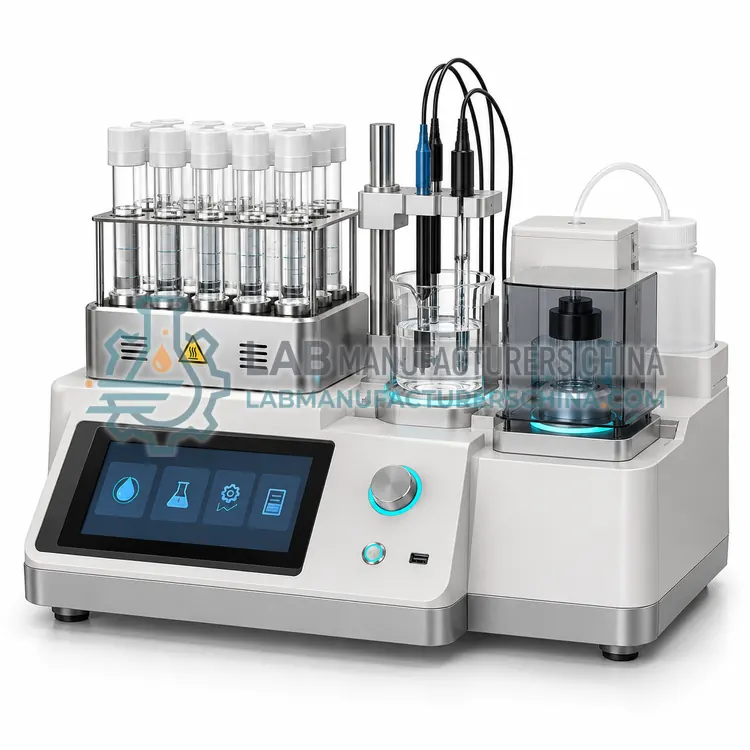 CWTE5 product types水质检测设备Water testing equipment measures the physical, chemical and biological quality of drinking water, wastewater, surface water and process water. The category covers multiparameter meters, turbidity meters, COD analysers, BOD analysers and chlorine meters used in treatment plants, utilities and environmental laboratories.
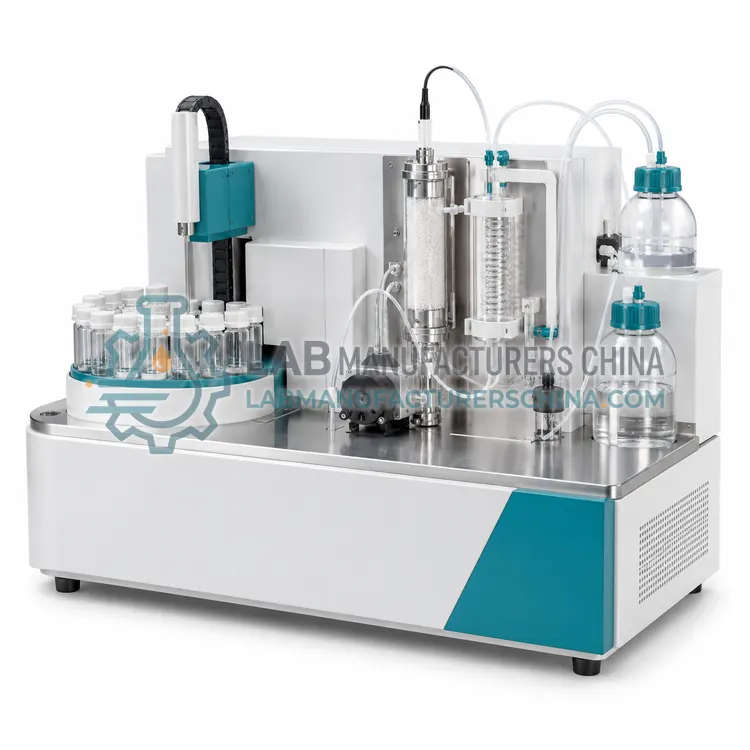 CWAE5 product types水质分析设备Water analysis equipment measures the chemical, physical and metal content of drinking water, surface water, wastewater and process water. The category covers TOC analyzers, ion analyzers, water-specific spectrophotometers, multi-parameter water quality analyzers and heavy metal analyzers used by utilities, environmental labs and industrial QC teams.
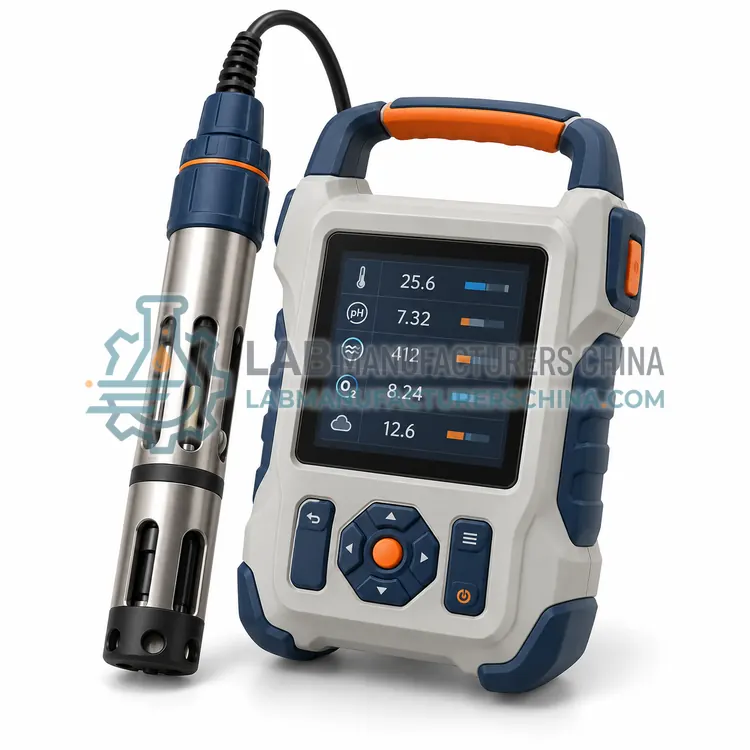 CETE5 product types环境检测设备Environmental testing equipment measures and collects samples of water, air, stack emissions, noise and soil or sediment to assess pollution and regulatory compliance. It covers online monitors, portable meters and samplers used by environmental agencies, industrial plants, consultancies and accredited testing laboratories.
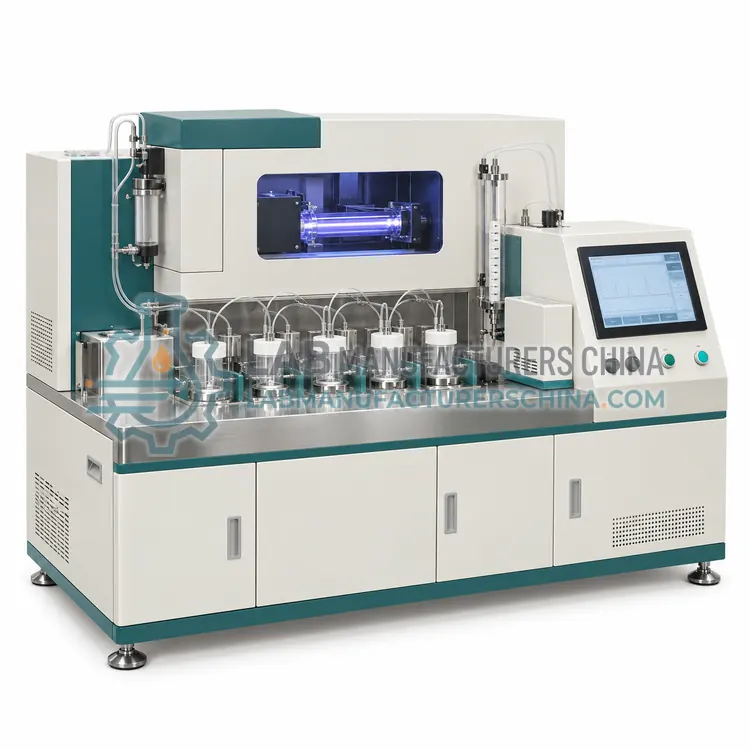 CAQM5 product types空气质量监测设备Air quality monitoring equipment measures gases, particulate matter and volatile organic compounds in ambient air and in industrial stacks. It includes gas analyzers, particulate monitors, VOC analyzers, stack gas analyzers and integrated ambient air stations used by environmental agencies, industry and research institutes.
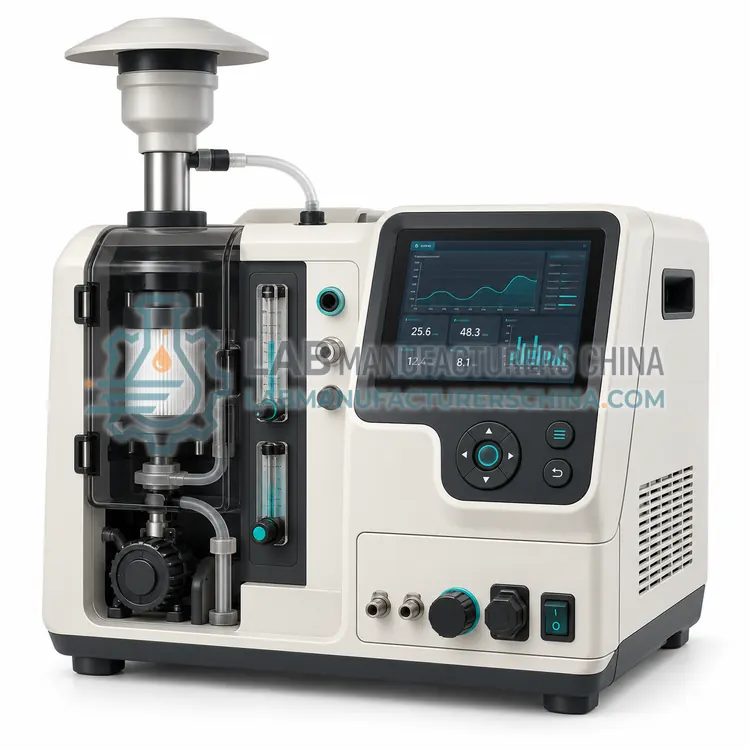 CSAE5 product types土壤分析设备Soil analysis equipment measures nutrients, pH, moisture and spectral properties of soil and prepares soil samples for laboratory analysis. It is used by agronomists, environmental consultants, agricultural laboratories, research institutes and government soil survey programs.
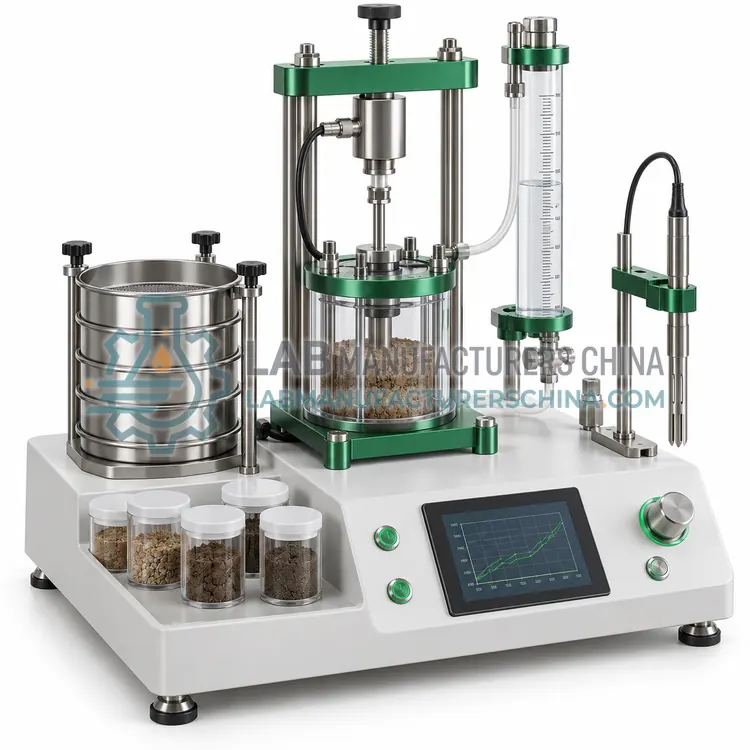 CATE5 product types农业检测设备Agricultural testing equipment analyzes grain, crops, plant tissue and fertilizers for quality, composition and nutrient content, and prepares agricultural samples for analysis. It is used by grain traders, feed and fertilizer producers, breeding programs, inspection bodies and agronomy laboratories.
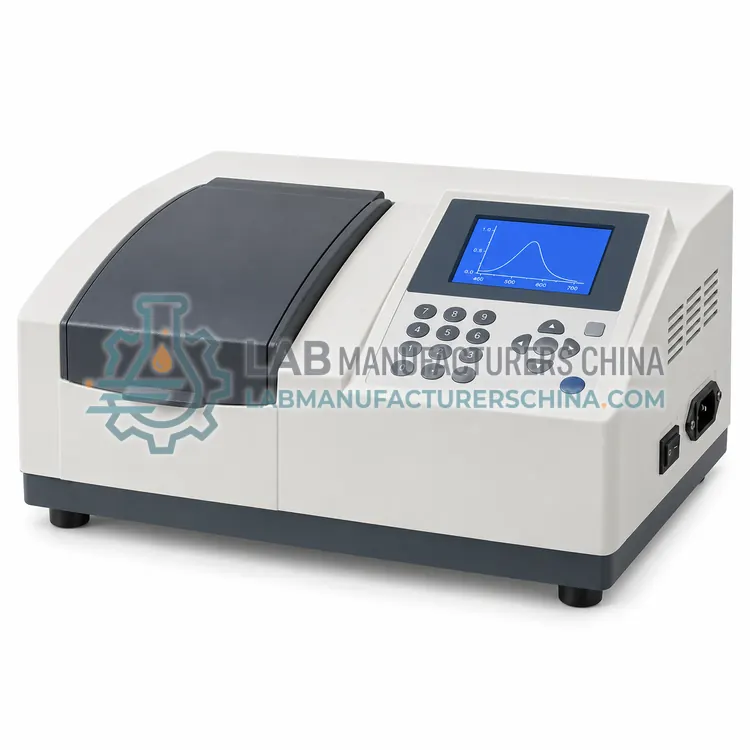 CANI6 product types分析仪器Analytical instruments measure the chemical, optical or physical properties of samples to identify substances and quantify their concentration. This category covers spectrophotometers, photometers, refractometers, polarimeters, turbidity meters and general analytical analyzers used in pharmaceutical, environmental, food, chemical and industrial quality-control laboratories.
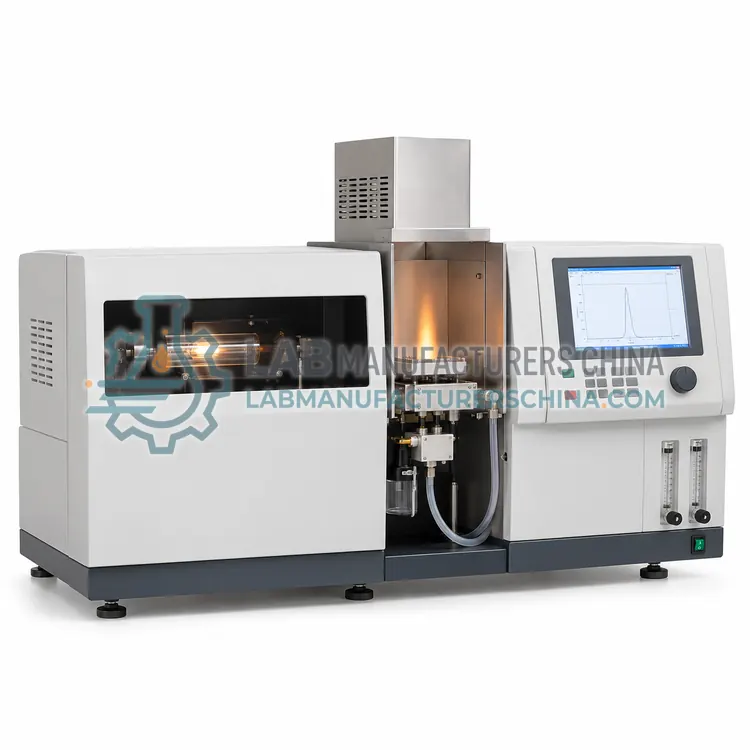 CAAS5 product types原子吸收光谱仪Atomic absorption spectrometers determine elemental concentrations by measuring light absorbed by free atoms produced in a flame, graphite furnace or hydride generation cell. They serve environmental, food, clinical, geochemical and pharmaceutical laboratories that need reliable trace-metal results at low cost.
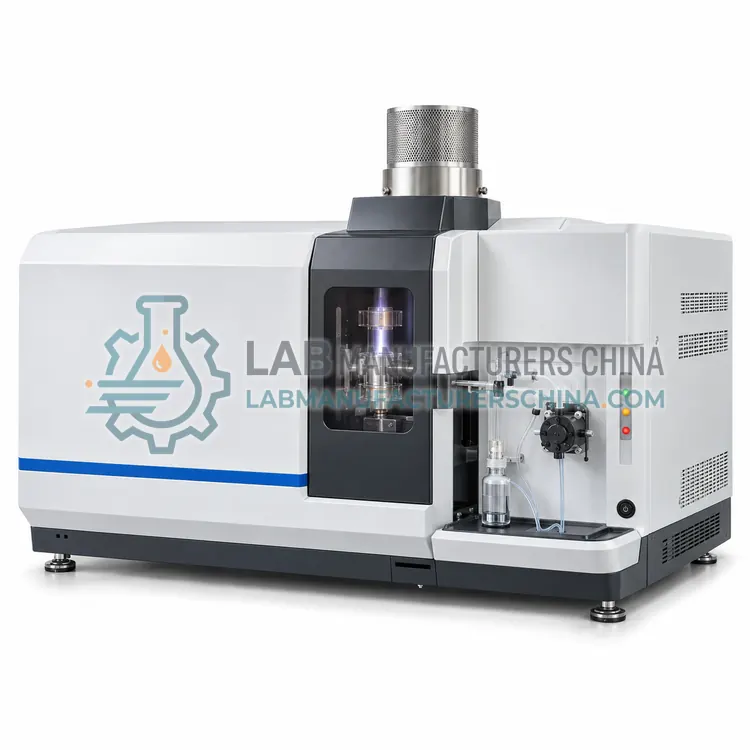 CICS5 product typesICP 光谱仪ICP spectrometers use an inductively coupled argon plasma to atomize and ionize samples for elemental analysis by optical emission or mass spectrometry. They serve environmental, pharmaceutical, food, metallurgical and geological laboratories that need multi-element results.
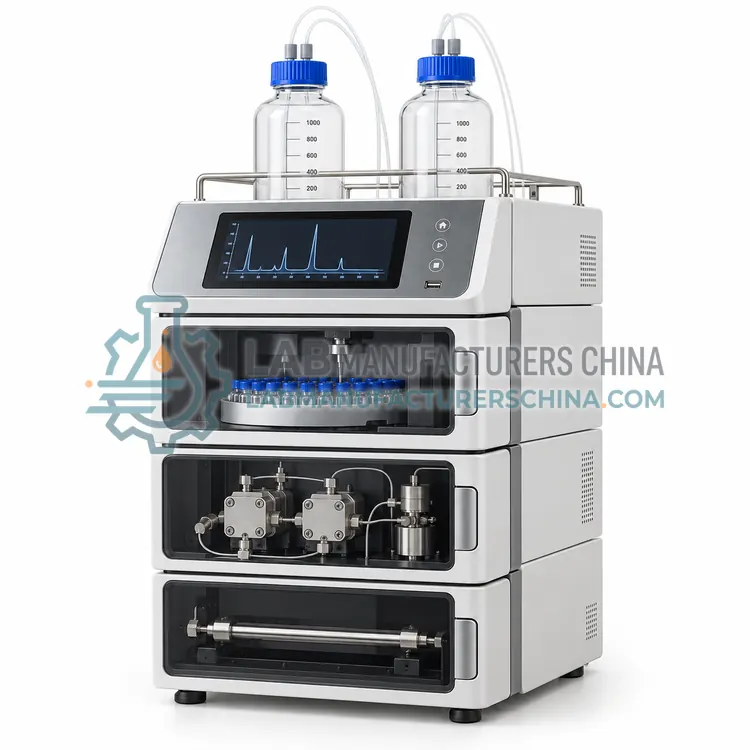 CCHI5 product types色谱仪器Chromatography instruments separate the components of a mixture between a mobile phase and a stationary phase, then detect and quantify each component. The category covers HPLC, UHPLC, gas chromatography, ion chromatography and flash chromatography systems used in QC, environmental, food, pharmaceutical and synthetic chemistry laboratories.
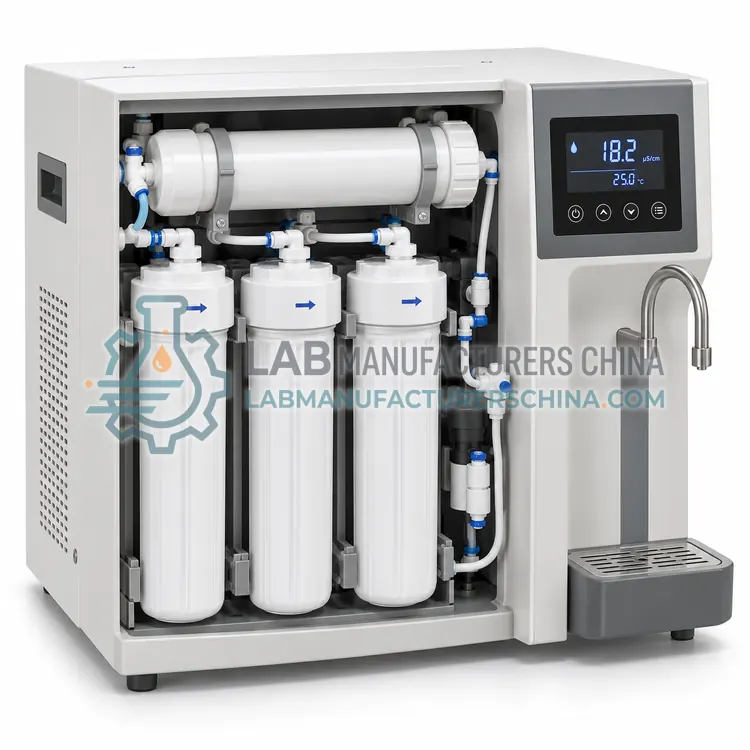 CLWP5 product types实验室水纯化设备Laboratory water purification equipment produces water of defined purity from tap or pretreated feed for analytical, biological and industrial use. The category covers reverse osmosis systems, deionizers, ultrapure water systems, distillation units and larger water purification plants.
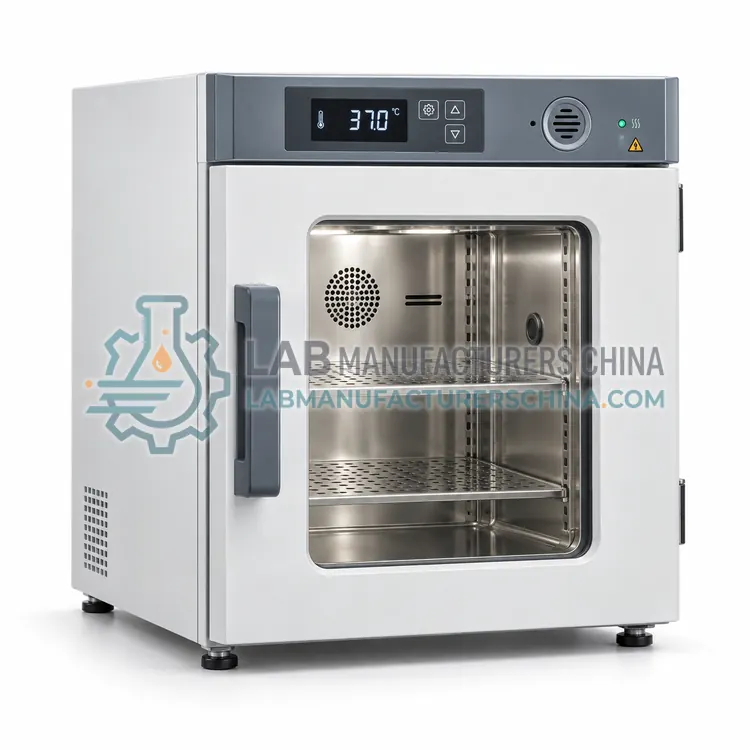 CLAI5 product types实验室培养箱Laboratory incubators are temperature-controlled chambers that maintain stable conditions for growing, culturing and storing microorganisms, cells, plants and samples, typically from 5 C to 80 C with optional CO2, humidity and shaking. The category covers standard, CO2, cooling, shaking and BOD incubators used in microbiology, cell culture and environmental testing.
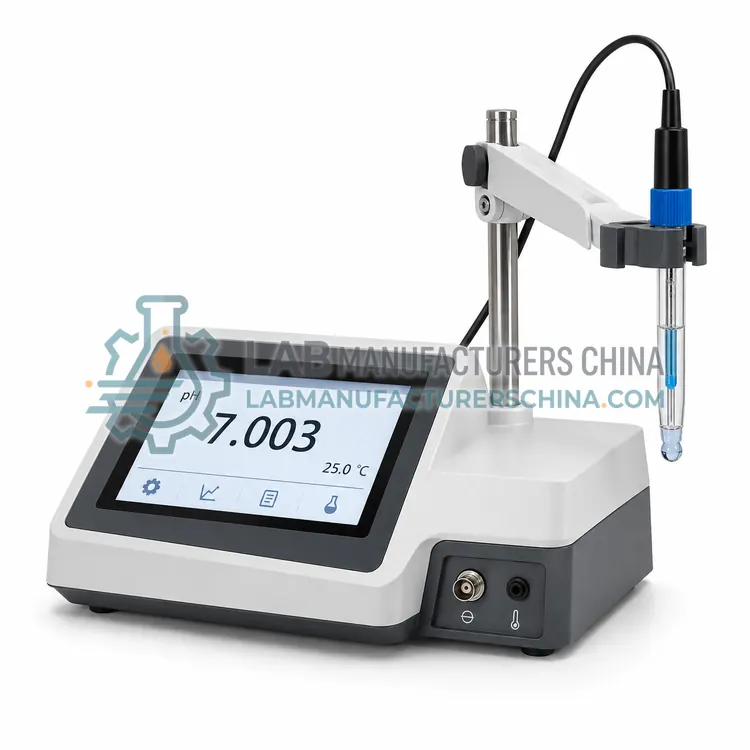 CELI6 product types电化学仪器Electrochemistry instruments measure electrical properties of solutions and electrode interfaces, including pH, conductivity, redox potential, ion activity, dissolved oxygen and current-potential behavior. The category covers pH, conductivity, ORP, ion and dissolved oxygen meters and potentiostats for water, process, pharmaceutical and battery laboratories.
Reference project
A case study for this industry will be added once a suitable project is available.
Frequently asked questions about Water & Environment
A basic laboratory needs pH, conductivity and turbidity meters, a dissolved oxygen meter, a spectrophotometer with reagent kits, COD digester, BOD incubator, balance and purified water. Trace metals require atomic absorption or ICP. Portable meters support field sampling.
COD measures the oxygen equivalent of organic matter that can be chemically oxidized, typically in a few hours. BOD measures oxygen consumed by microorganisms breaking down organic matter over a set period, normally five days at 20 °C. BOD reflects biodegradable load, while COD is faster and more inclusive.
Methods are set by bodies such as ISO, US EPA, APHA Standard Methods and national agencies, including China's GB series. Examples include ISO 7027 for turbidity, ISO 5815 for BOD and EPA 200.8 for metals by ICP-MS. Your regulator determines which method is acceptable.
Portable meters are well suited to screening and field measurements, and some are accepted for compliance when calibrated and used as the method requires. Regulatory acceptance depends on the method and jurisdiction, so check with your regulator. Benchtop instruments generally offer higher accuracy.