
Air Quality Monitoring Equipment
空气质量监测设备
CAQM · Food, Water, Agriculture & Environment · 5 product types · 25 models
By Lab Manufacturers China Technical TeamLast reviewed
What are Air Quality Monitoring Equipment?
Air quality monitoring equipment measures gases, particulate matter and volatile organic compounds in ambient air and in industrial stacks. It includes gas analyzers, particulate monitors, VOC analyzers, stack gas analyzers and integrated ambient air stations used by environmental agencies, industry and research institutes.
5 product types in Air Quality Monitoring Equipment
The 5 product types below are grouped by the exact instrument you need.
- GAA5 models
Gas Analyzers
气体分析仪
Gas analyzers measure the concentration of specific gases such as sulfur dioxide, nitrogen oxides, carbon monoxide and ozone in ambient air. They are used by air quality monitoring networks, industrial plants and regulators to compare concentrations with health-based standards and to track pollution trends over time.
- PAM5 models
Particulate Monitors
颗粒物监测仪
Particulate monitors measure the mass or number concentration of airborne particles such as PM10, PM2.5 and ultrafine dust in ambient and indoor air. They are used by air quality networks, industrial plants, research groups and health agencies to check compliance with particulate standards and to study exposure.
- VOA5 models
VOC Analyzers
挥发性有机物分析仪
VOC analyzers measure volatile organic compounds such as benzene, toluene, xylene, solvents and hydrocarbons in ambient, indoor and workplace air. They are used by air quality networks, industrial hygiene teams, petrochemical plants and researchers to detect leaks, assess exposure and study photochemical smog formation.
- SGA5 models
Stack Gas Analyzers
烟气分析仪
Stack gas analyzers measure the concentration of oxygen, carbon monoxide, sulfur dioxide, nitrogen oxides and other components in combustion and industrial flue gases. They are used by power plants, cement and steel works, incinerators and regulators for emission compliance, combustion tuning and continuous monitoring.
- AAS5 models
Ambient Air Stations
环境空气质量监测站
Ambient air stations are integrated shelters or enclosures that house gas analyzers, particulate monitors, sampling manifolds, calibration systems and data loggers. They are used by environmental agencies, industrial parks and municipalities to produce regulatory air quality data and public reports.
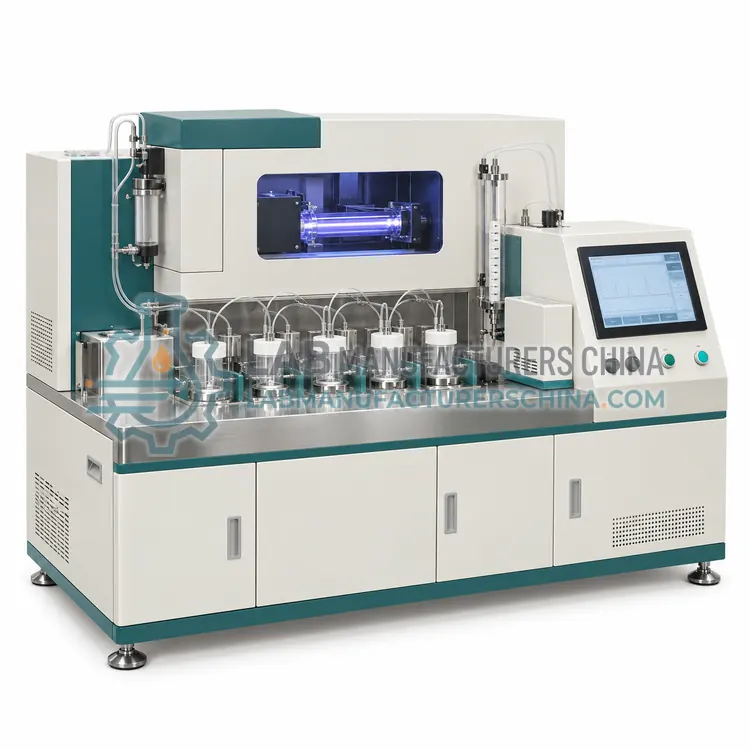
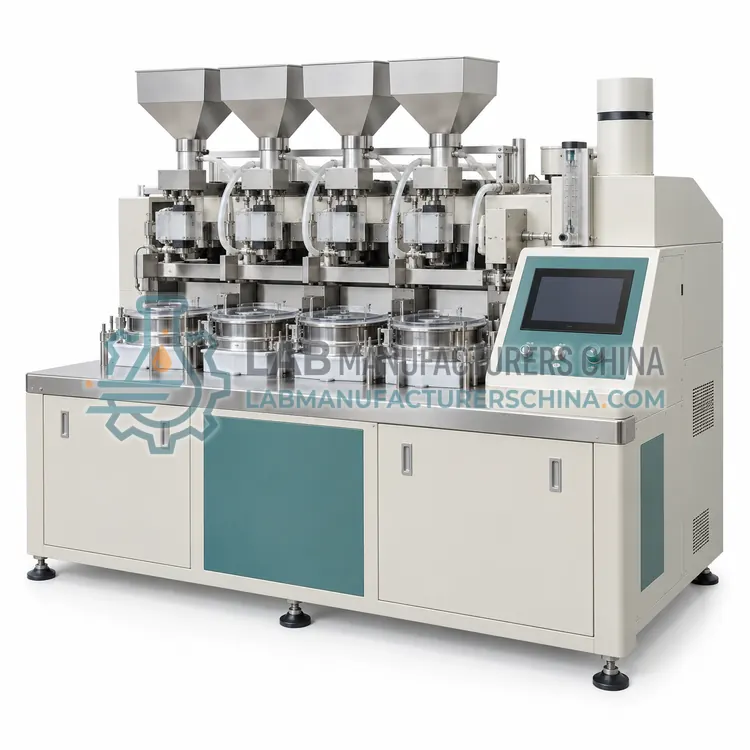
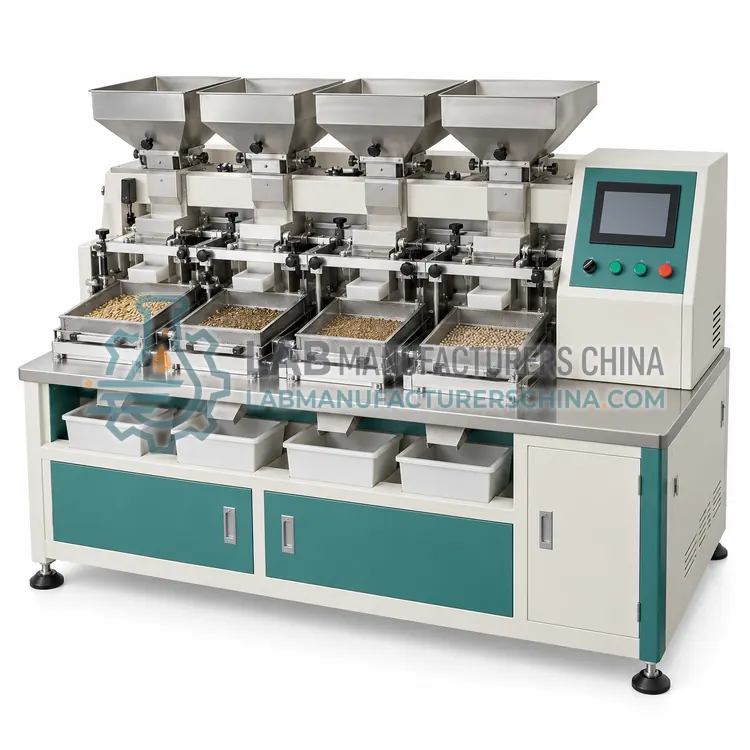
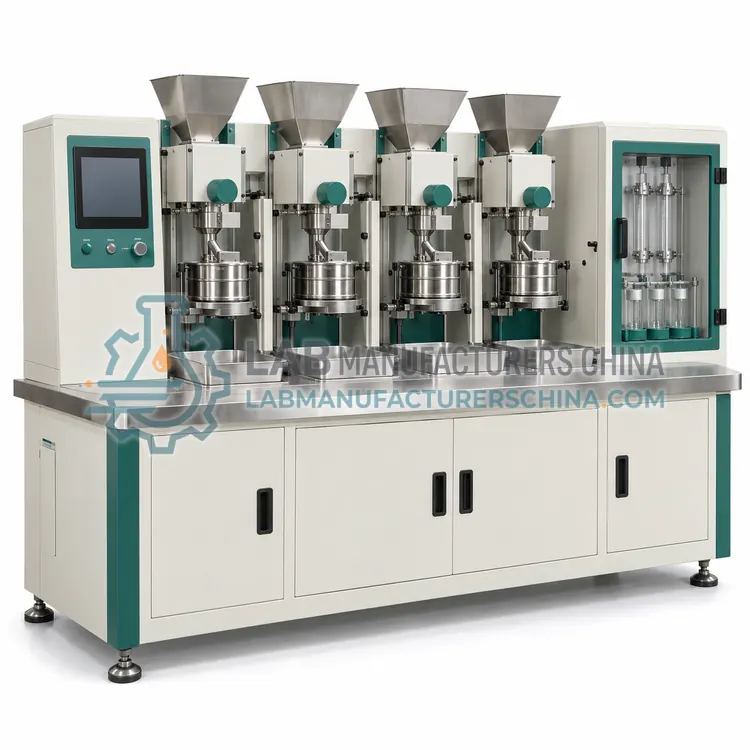
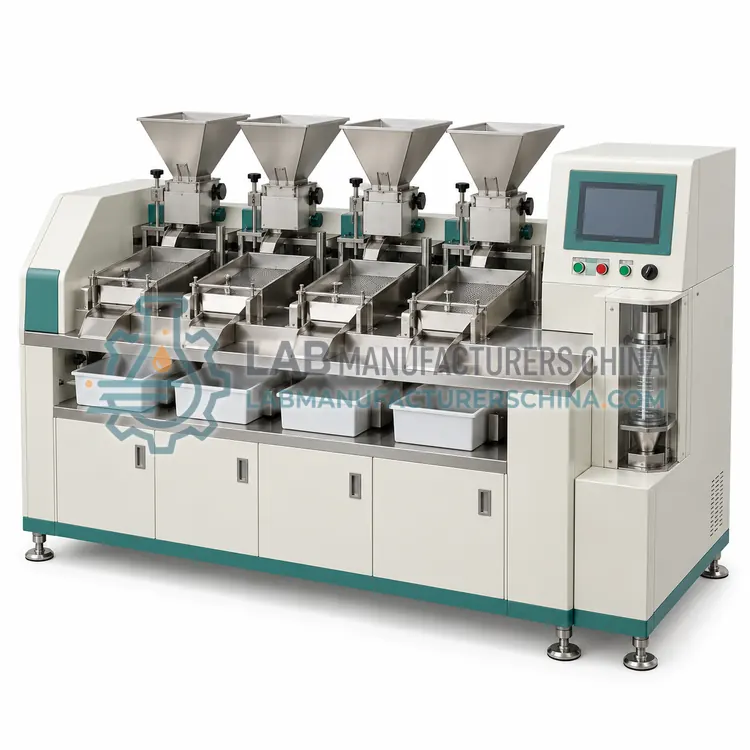
What are Air Quality Monitoring Equipment?
Air quality monitoring equipment is the family of instruments that quantify pollutants in ambient air, workplace air and stack emissions. Gas analyzers measure compounds such as SO2, NOx, CO, O3 and CO2. Particulate monitors report PM10, PM2.5 and total suspended particles by mass or light scattering. VOC analyzers detect hydrocarbons and solvents using photoionization or flame ionization detectors, and stack gas analyzers measure concentrations and flow in heated industrial exhausts. Ambient air stations integrate several analyzers, meteorological sensors, a calibration system and a data logger in one enclosure. The equipment is used by environmental protection agencies for regional networks, by industry for permit compliance, and by universities and consultants for source apportionment and exposure research.
How do Air Quality Monitoring Equipment work?
Each pollutant uses a method chosen for specificity and sensitivity. SO2 is measured by pulsed ultraviolet fluorescence, NOx by chemiluminescence after reaction with ozone, O3 by UV absorption at 254 nm, and CO by non-dispersive infrared absorption with gas filter correlation. Particulates are sized by an inlet such as a PM2.5 cyclone and then quantified by beta ray attenuation, tapered element oscillating microbalance or optical scattering. VOCs are detected by photoionization lamps or flame ionization, sometimes after gas chromatographic separation. Extractive stack analyzers draw sample through a heated probe and line to keep water from condensing, while in-situ analyzers measure across the duct with laser or infrared beams. Calibration gas dilution systems provide zero and span checks, and software logs data with quality flags.
Where are Air Quality Monitoring Equipment used?
Regional ambient air networks use gas analyzers and particulate monitors to report the air quality index and to check compliance with national standards for PM2.5, ozone and nitrogen dioxide. Industrial facilities install stack gas analyzers to demonstrate compliance with emission permits and to optimize combustion, while refineries, chemical plants and coating operations use VOC analyzers for leak detection and fence-line monitoring. Construction and mining sites rely on particulate monitors to manage dust. Indoor air quality investigations, traffic studies, research campaigns and emergency response to industrial incidents also depend on portable and mobile monitoring. Data from ambient stations feeds health studies, forecasting models and public information displays.
Which standards apply to Air Quality Monitoring Equipment?
Ambient monitors are typically assessed against EN 14211 for nitrogen oxides, EN 14212 for sulfur dioxide, EN 14625 for ozone, EN 14626 for carbon monoxide and EN 12341 for PM10 and PM2.5, with US EPA Federal Reference and Equivalent Method designations as an alternative route. Stack systems follow EN 14181 for quality assurance, EN 15267 for certification, ISO 12039 for CO, CO2 and O2 and US EPA 40 CFR Part 60. China references include HJ 654 for ambient systems and HJ 75 and HJ 76 for stationary source CEMS. VOC measurement may reference EN 15267 and ISO 16000. Laboratory calibration work aligns with ISO/IEC 17025.
How do I select the right air quality monitoring equipment?
First identify the regulated pollutants and the applicable method standard, because regulators often accept only type-approved or reference-equivalent instruments. Match the measurement range and detection limit to the expected concentrations: ambient analyzers need sub-ppb to ppb sensitivity, while stack analyzers need ranges up to thousands of mg/m³. Decide between extractive and in-situ configurations for stacks according to moisture, particulate load and temperature. Evaluate calibration demands, including zero air generators, span gas cylinders and dilution calibrators, plus consumables such as filter tapes, lamps and scrubbers. For networks, check communication protocols such as Modbus, data validation software and power or shelter requirements. Low-cost sensors suit screening but should not replace reference methods where compliance data is required.
Air Quality Monitoring Equipment comparison
| Subcategory | Principle | Typical use | Key spec |
|---|---|---|---|
| Gas Analyzers | UV fluorescence, chemiluminescence, NDIR, electrochemical | SO2, NOx, CO, O3 and CO2 measurement | Detection limit 0.4–1 ppb for ambient |
| Particulate Monitors | Beta attenuation, TEOM or light scattering | PM10, PM2.5 and TSP monitoring | 0–10,000 µg/m³ range |
| VOC Analyzers | PID, FID or GC separation | Leak detection and fence-line monitoring | 0.1 ppb to 10,000 ppm depending on detector |
| Stack Gas Analyzers | Heated extractive or in-situ optical measurement | CEMS for power, cement and waste incineration | Sample line 180 °C, SO2 to 5000 mg/m³ |
| Ambient Air Stations | Integrated analyzers, meteorology and data logger | Regional air quality networks | 5–8 parameters per station |
Frequently asked questions about Air Quality Monitoring Equipment
A size-selective inlet removes particles larger than 2.5 µm, and the remaining particles are quantified by beta ray attenuation, tapered element oscillating microbalance or optical scattering. Gravimetric filter sampling is the reference method, and continuous monitors must show equivalence to it.
Extractive analyzers draw flue gas through a heated probe and line to a conditioned analysis cabinet, suited to multi-gas measurement. In-situ analyzers measure directly across the duct or at a probe tip with optical beams, giving fast response and no sample transport but less flexibility for multiple species.
A standard station measures SO2, NO and NO2, CO and O3 with dedicated analyzers, plus PM10 and PM2.5. Meteorological sensors for wind, temperature, humidity and pressure are added, and some stations include VOC, black carbon or CO2 modules depending on the monitoring objective.
Low-cost sensors are useful for screening, spatial mapping and trend detection, but their accuracy drifts with humidity, temperature and cross-sensitivity. They generally cannot replace reference or equivalent analyzers where regulatory compliance data is required, unless co-located calibration demonstrates acceptable performance.
Automatic zero and span checks are commonly run daily, with multipoint calibration at installation and after repairs or when checks drift beyond limits. Routine maintenance such as filter, lamp and scrubber replacement is scheduled weekly to quarterly depending on the manufacturer and site conditions.
Related categories
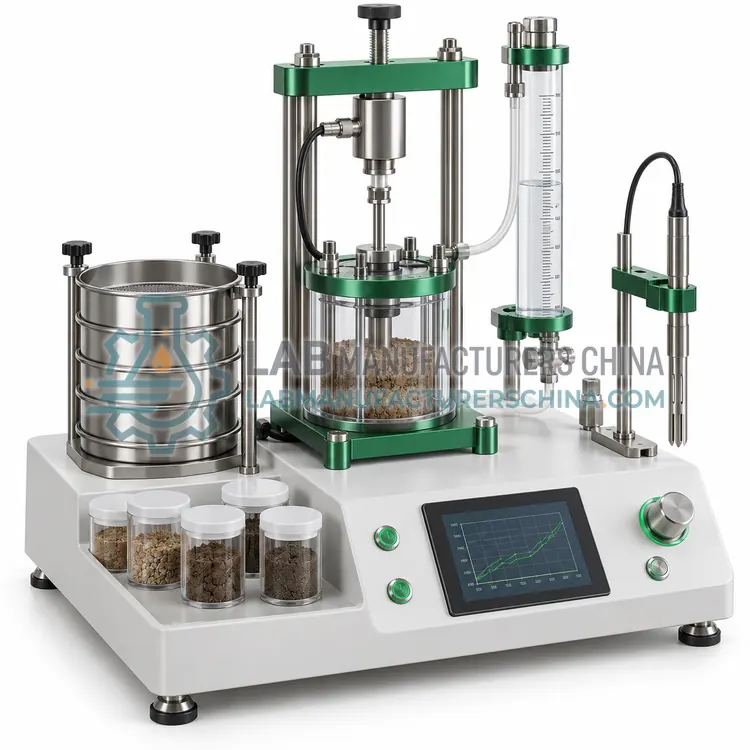 CATE农业检测设备Agricultural testing equipment analyzes grain, crops, plant tissue and fertilizers for quality, composition and nutrient content, and prepares agricultural samples for analysis. It is used by grain traders, feed and fertilizer producers, breeding programs, inspection bodies and agronomy laboratories.
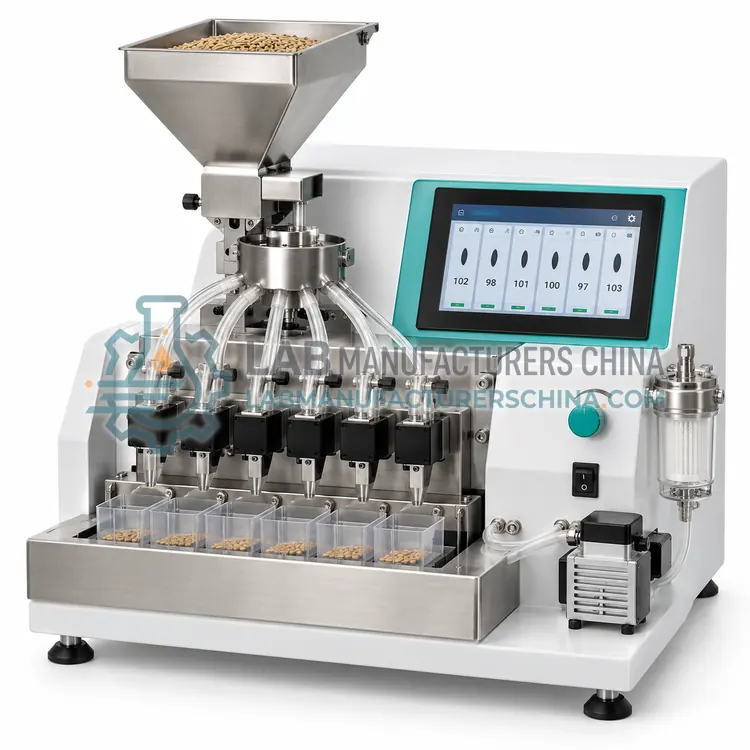 CSTE种子检测设备Seed testing equipment evaluates seed quality, including count, germination, moisture content, physical purity and representative sampling. It is used by seed companies, official seed testing stations, breeders and research institutes that follow ISTA and AOSA rules to certify and trade seed lots.
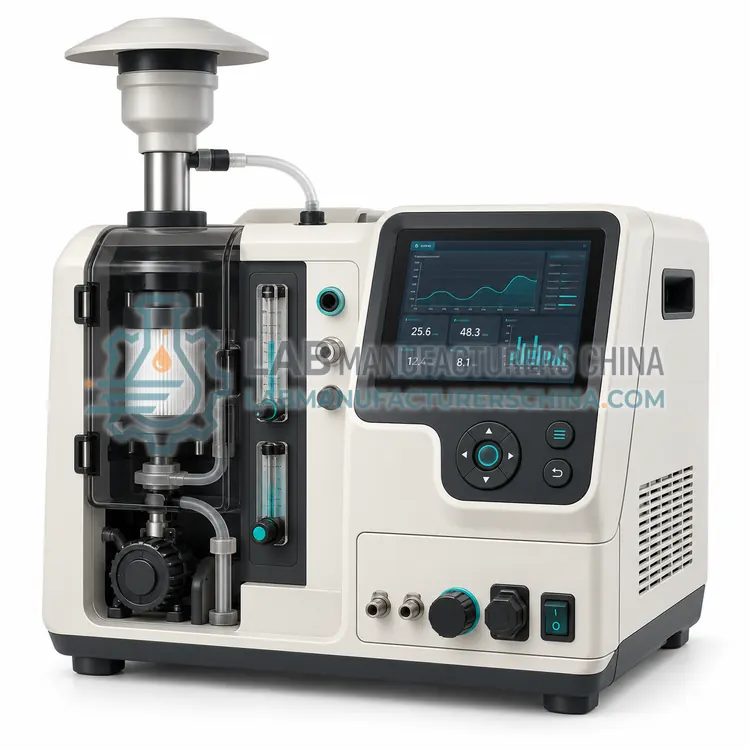 CSAE土壤分析设备Soil analysis equipment measures nutrients, pH, moisture and spectral properties of soil and prepares soil samples for laboratory analysis. It is used by agronomists, environmental consultants, agricultural laboratories, research institutes and government soil survey programs.
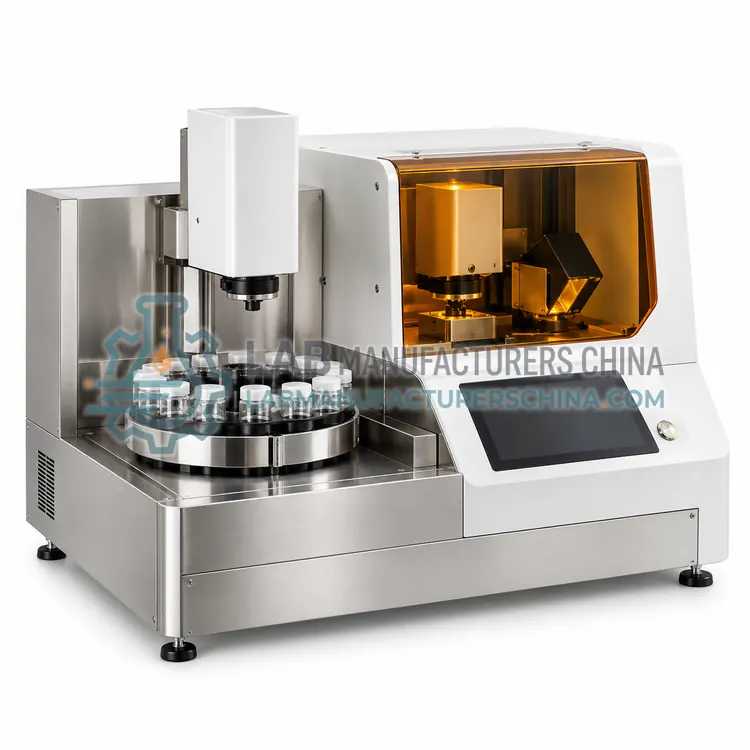 CFTE食品检测设备Food testing equipment measures the composition, safety, microbiology, contaminant levels and texture of food and beverage products. The category covers composition analysis instruments, food safety analysers, microbiology testing systems, contaminant detection platforms and texture analysers used in food quality control and regulatory laboratories.