
Soil Analysis Equipment
土壤分析设备
CSAE · Food, Water, Agriculture & Environment · 5 product types · 25 models
By Lab Manufacturers China Technical TeamLast reviewed
What are Soil Analysis Equipment?
Soil analysis equipment measures nutrients, pH, moisture and spectral properties of soil and prepares soil samples for laboratory analysis. It is used by agronomists, environmental consultants, agricultural laboratories, research institutes and government soil survey programs.
5 product types in Soil Analysis Equipment
The 5 product types below are grouped by the exact instrument you need.
- SNA5 models
Soil Nutrient Analyzers
土壤养分分析仪
Soil nutrient analyzers measure the availability or total content of nitrogen, phosphorus, potassium and related nutrients in soil. They are used by agronomy laboratories, soil testing stations, fertilizer advisers and researchers to recommend fertilizer rates and monitor soil fertility.
- SPM5 models
Soil pH Meters
土壤 pH 计
Soil pH meters measure the acidity or alkalinity of soil, either in a prepared suspension or directly in the field. They are used by agronomists, soil surveyors, growers, environmental scientists and laboratories to assess nutrient availability, lime requirements and soil condition for agriculture and land management.
- SMA5 models
Soil Moisture Analyzers
土壤水分分析仪
Soil moisture analyzers measure the water content or water potential of soil in the field, in pots and in the laboratory. They are used by growers, irrigation advisers, hydrologists, geotechnical engineers and researchers to schedule irrigation, model water movement and monitor soil water status.
- SSP5 models
Soil Sample Preparation
土壤样品前处理设备
Soil sample preparation equipment dries, grinds, homogenises, divides and sieves soil samples so that a small analytical portion represents the whole lot. It is used by soil testing laboratories, environmental consultants and geochemistry laboratories to prepare samples for chemical, physical and mineralogical analysis.
- SOS5 models
Soil Spectrometers
土壤光谱仪
Soil spectrometers determine elemental or molecular composition from the interaction of soil with X-rays, laser light or infrared radiation. They are used by environmental consultants, mining and geochemistry teams, agronomists and researchers for rapid field screening, contamination mapping and large-scale soil characterization.
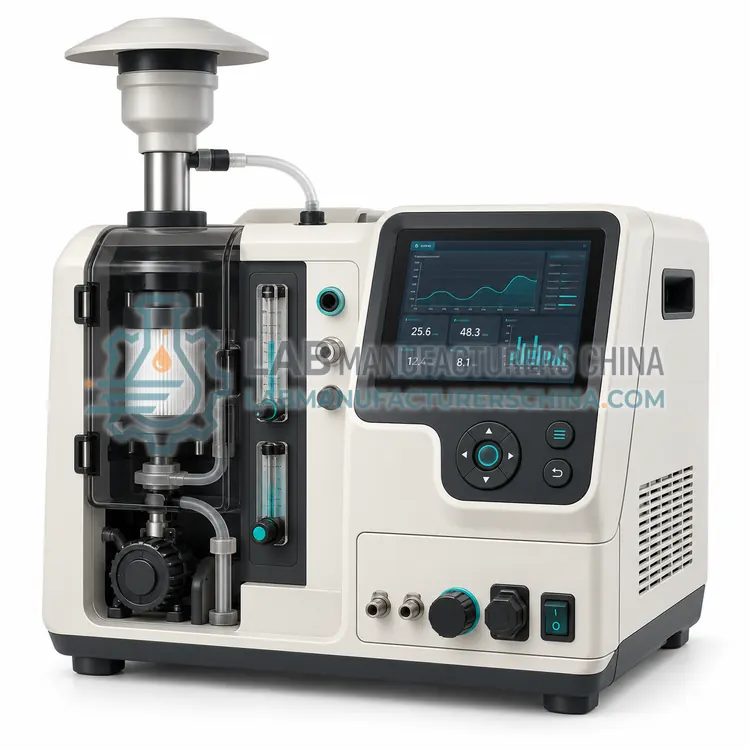
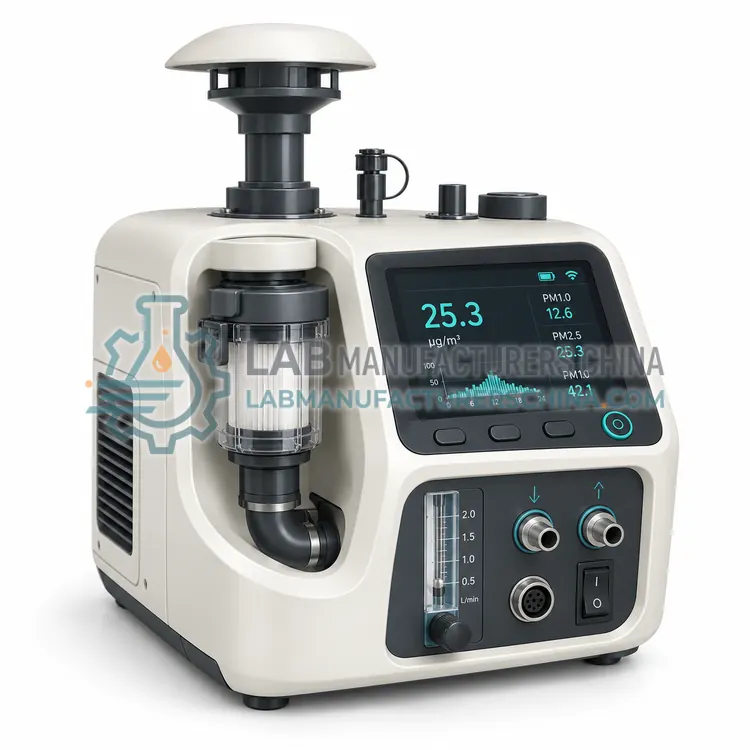
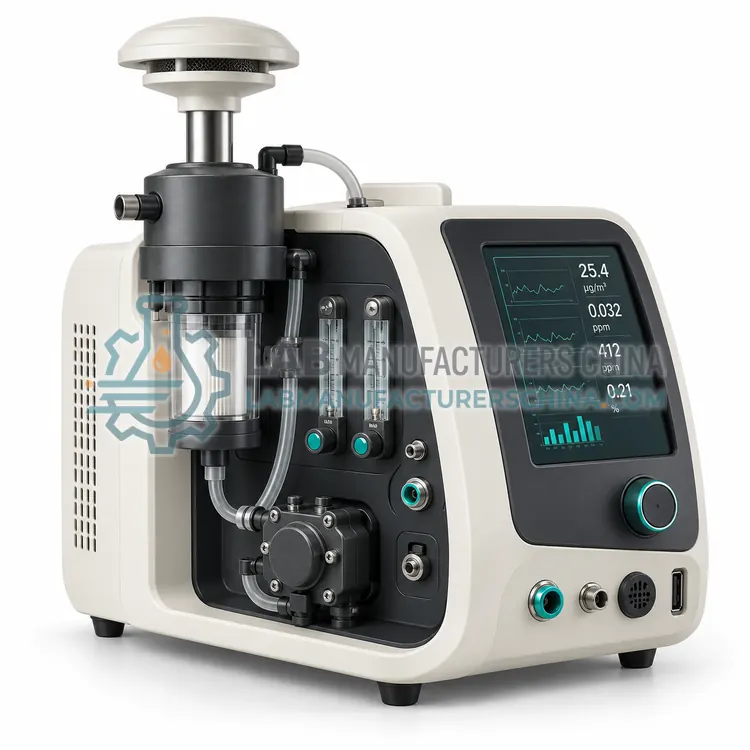
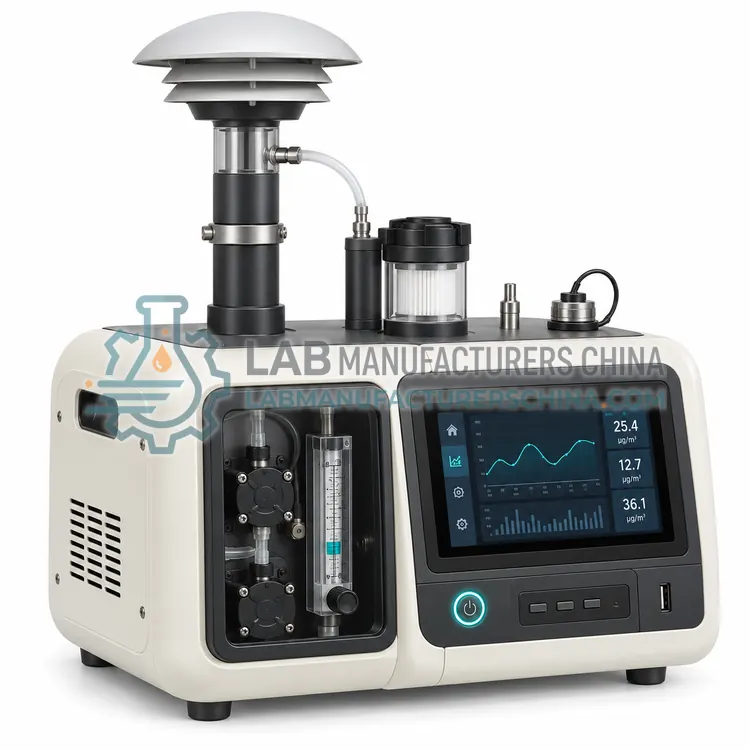
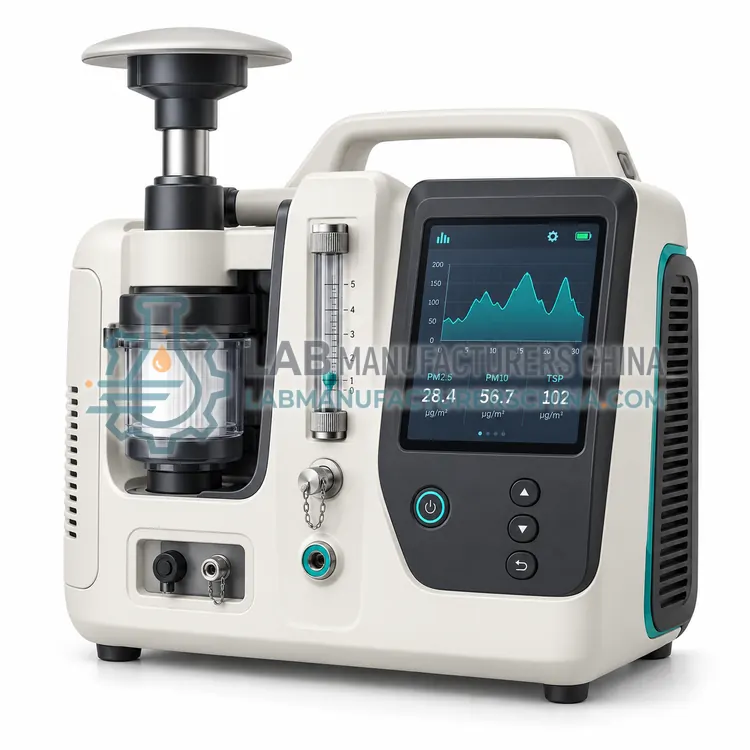
What are Soil Analysis Equipment?
Soil analysis equipment includes instruments that characterize soil fertility, acidity, water status and composition, and the tools that prepare soil for testing. Nutrient analyzers determine nitrogen, phosphorus, potassium, organic matter and trace elements, often with rapid colorimetric or ion-selective methods. Soil pH meters use electrodes designed for slurries and penetration. Moisture analyzers measure volumetric water content in the field or gravimetric content in the laboratory. Sample preparation equipment, including dryers, crushers, sieves and mills, produces homogeneous fine earth fractions. Soil spectrometers use near-infrared, mid-infrared or X-ray fluorescence to estimate multiple properties in seconds. Users include farmers, consultants, irrigation planners, contaminated land specialists and soil survey agencies.
How do Soil Analysis Equipment work?
Soil testing starts with sample preparation: air or oven drying at up to 40 °C, crushing and sieving through a 2 mm screen to obtain fine earth. Nutrient extraction uses reagents such as Mehlich-3, Olsen bicarbonate or ammonium acetate, followed by colorimetry, flame photometry or ICP measurement. Soil pH is measured in a 1:2.5 soil to water or calcium chloride suspension with a glass electrode. Moisture sensors use time-domain reflectometry, frequency-domain capacitance or neutron scattering to infer water content from dielectric properties. Gravimetric moisture uses oven drying at 105 °C. Soil spectrometers record diffuse reflectance or fluorescence and apply chemometric models, such as partial least squares regression, to predict organic carbon, clay and nutrients. Calibration against reference laboratory data maintains accuracy.
Where are Soil Analysis Equipment used?
Precision agriculture services use soil nutrient analyzers and spectrometers to build fertility maps and to set variable-rate fertilizer and lime plans. Irrigation managers install moisture sensors to schedule watering and reduce water use. Environmental consultants test contaminated land for metals and organics and assess remediation progress. Soil survey programs classify soils and monitor organic carbon and acidification over time. Turf, horticulture and greenhouse operators check pH and electrical conductivity of substrates. Research laboratories study nutrient cycling, carbon sequestration and erosion, and construction and geotechnical teams use moisture measurements for compaction control and site assessment.
Which standards apply to Soil Analysis Equipment?
Laboratory soil methods are standardized by ISO. ISO 10390 covers pH determination, ISO 11465 dry matter and water content on a mass basis, ISO 11277 particle size distribution, ISO 10694 organic and total carbon by dry combustion, ISO 13878 total nitrogen and ISO 11260 cation exchange capacity. ISO 11464 describes pretreatment of samples. ASTM D2216 covers laboratory water content of soil, and ASTM D4972 covers pH. US methods include Mehlich-3 and Olsen phosphorus procedures. Chinese standards include HJ 962 for pH, NY/T 1121 series for agricultural soil methods and GB 15618 for soil contamination risk screening values. Laboratories often follow ISO/IEC 17025.
How do I select the right soil analysis equipment?
Decide whether the main need is screening or reference-grade data. Field-deployable spectrometers, nutrient kits and moisture probes give fast answers for mapping and scheduling, but they need local calibration against laboratory results. Laboratory nutrient analyzers, pH meters and ICP systems give defensible values for certification and dispute. Match the extraction method to regional recommendations so results are comparable with published fertility guidance. For moisture, choose the sensor type by soil salinity and texture, since capacitance probes can read high in saline soils. Plan for preparation capacity, because drying, grinding and sieving time often limits throughput. Consider data management, GPS tagging, ruggedness of field instruments and the availability of calibration libraries for your soil types.
Soil Analysis Equipment comparison
| Subcategory | Principle | Typical use | Key spec |
|---|---|---|---|
| Soil Nutrient Analyzers | Extraction with colorimetric or ISE detection | NPK and organic matter fertility testing | N 0–500 mg/kg, P 0–100 mg/kg |
| Soil pH Meters | Glass or ISFET electrode potentiometry | Acidity and liming decisions | pH 0–14, ±0.01 pH |
| Soil Moisture Analyzers | TDR, capacitance or thermogravimetry | Irrigation scheduling and lab moisture | 0–100% VWC, ±2–3% |
| Soil Sample Preparation | Drying, crushing and sieving to fine earth | Lab sample pretreatment per ISO 11464 | 2 mm sieve output, 1–5 kg batch |
| Soil Spectrometers | NIR, MIR or XRF with chemometrics | Rapid multi-property screening | NIR 1000–2500 nm, XRF Mg–U |
Frequently asked questions about Soil Analysis Equipment
A sample of air-dried soil is mixed with water or 0.01 M calcium chloride, commonly in a 1:2.5 ratio, stirred and allowed to settle. A calibrated glass pH electrode is placed in the suspension and read per ISO 10390. Buffer calibration at pH 4 and 7 is standard.
Gravimetric moisture is the mass of water divided by the mass of dry soil, determined by oven drying at 105 °C. Volumetric moisture is water volume divided by total soil volume and is what field sensors report. Conversion needs bulk density of the soil.
Drying at up to 40 °C stops biological change and allows consistent weighing, while crushing and sieving through 2 mm produces a uniform fine earth fraction. Without this step, stones, roots and aggregates cause sampling error and poor repeatability, as described in ISO 11464.
They provide fast estimates of organic carbon, clay, pH and some nutrients, useful for mapping and screening. Accuracy depends on calibration with local laboratory data, so they complement rather than replace reference analysis when certified or disputed results are required.
Olsen sodium bicarbonate is common for neutral to alkaline soils, Bray-1 for acidic soils, and Mehlich-3 is a multi-nutrient extractant used for many soil types. Choose the method recommended for your region so that results match local fertilizer calibration.
Related categories
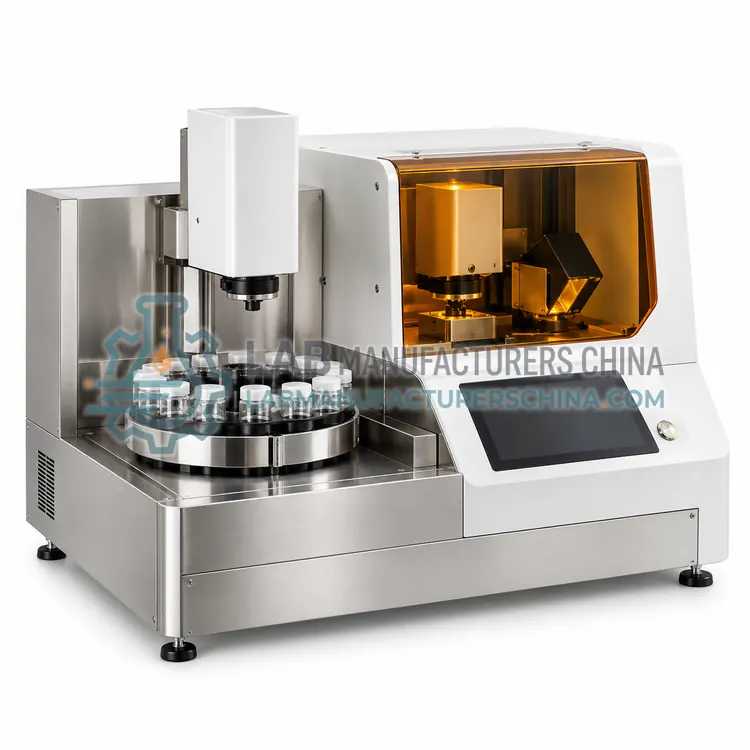 CFTE食品检测设备Food testing equipment measures the composition, safety, microbiology, contaminant levels and texture of food and beverage products. The category covers composition analysis instruments, food safety analysers, microbiology testing systems, contaminant detection platforms and texture analysers used in food quality control and regulatory laboratories.
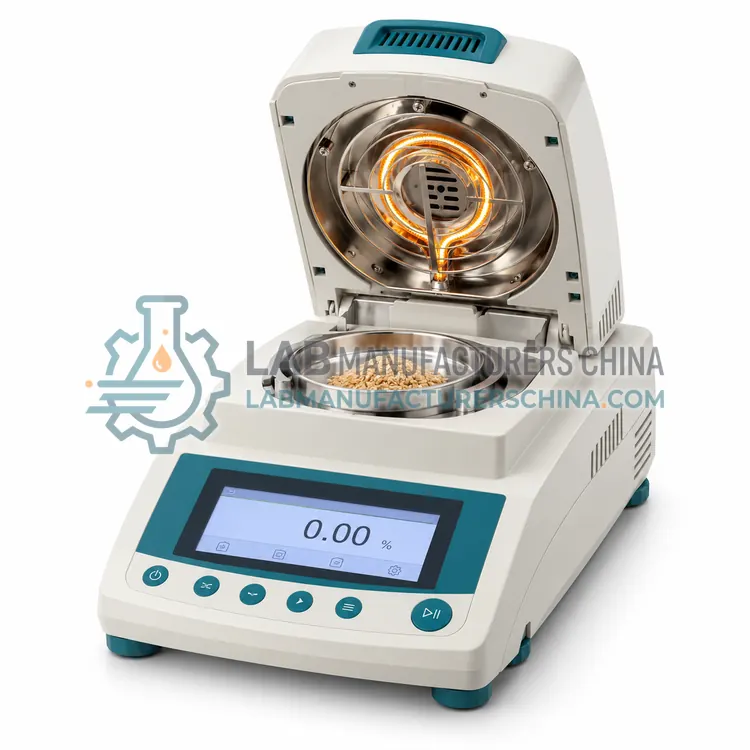 CFAE食品分析设备Food analysis equipment determines the macro-nutrient composition of food and feed: moisture, fat, protein and fibre. The category covers moisture analysers, fat analysers, protein analysers, fibre analysers and Kjeldahl digestion and distillation systems used for nutritional labelling and quality control.
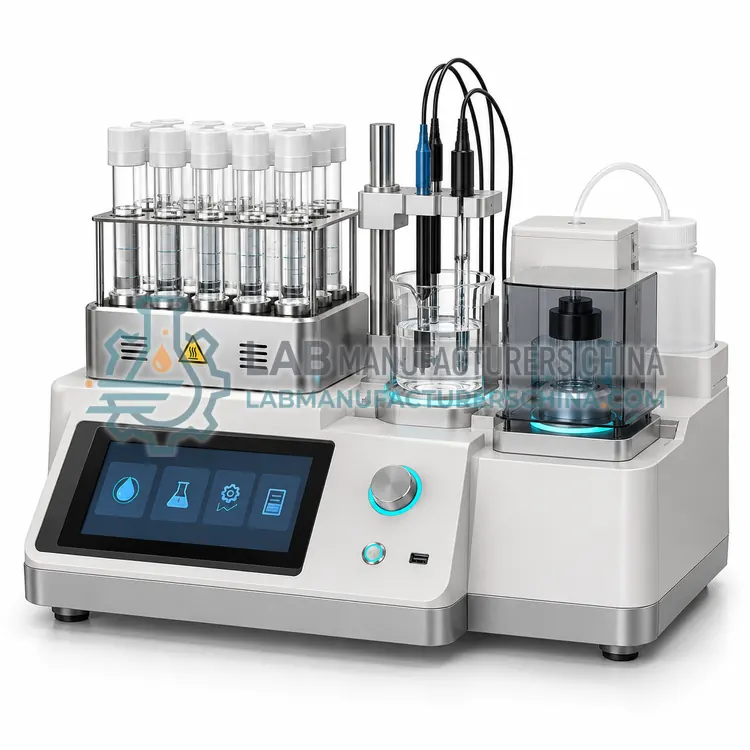 CWTE水质检测设备Water testing equipment measures the physical, chemical and biological quality of drinking water, wastewater, surface water and process water. The category covers multiparameter meters, turbidity meters, COD analysers, BOD analysers and chlorine meters used in treatment plants, utilities and environmental laboratories.
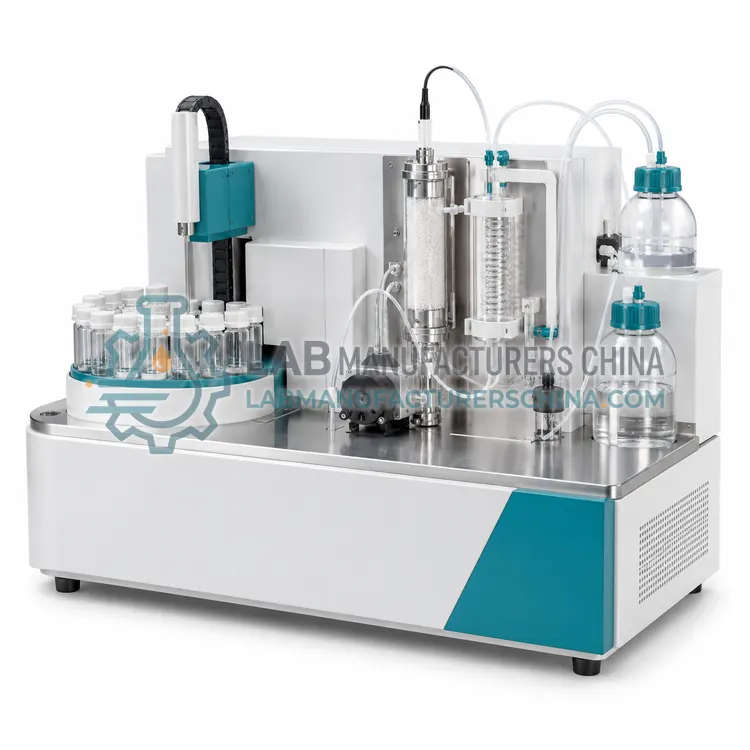 CWAE水质分析设备Water analysis equipment measures the chemical, physical and metal content of drinking water, surface water, wastewater and process water. The category covers TOC analyzers, ion analyzers, water-specific spectrophotometers, multi-parameter water quality analyzers and heavy metal analyzers used by utilities, environmental labs and industrial QC teams.