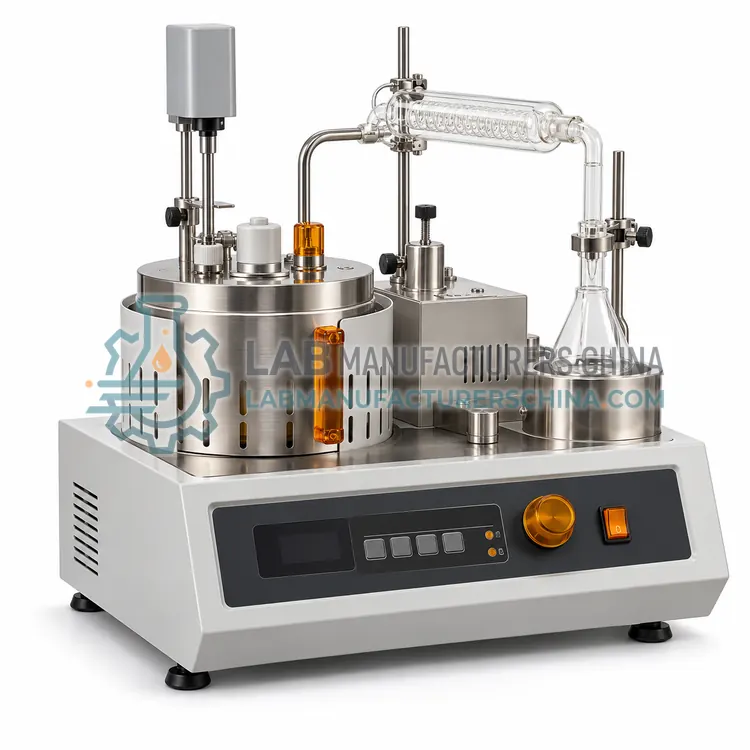
How do Soil Spectrometers work?
Soil spectrometers use several spectroscopic principles. X-ray fluorescence excites atoms in the sample with X-rays, and each element emits characteristic fluorescence that an energy-dispersive detector identifies, giving elemental concentrations from sodium to uranium with little sample preparation. Portable instruments bring this capability to the field, while benchtop units give lower detection limits and better precision. Laser-induced breakdown spectroscopy focuses a laser to create a small plasma on the sample surface and reads the emitted atomic lines, which allows rapid multi-element measurement with minimal preparation. Visible and near-infrared and mid-infrared spectrometers measure diffuse reflectance, where overtones and combination bands of soil constituents such as clay minerals, carbonates, organic matter and water provide predictions through calibration models.
Which Soil Spectrometers variants are available?
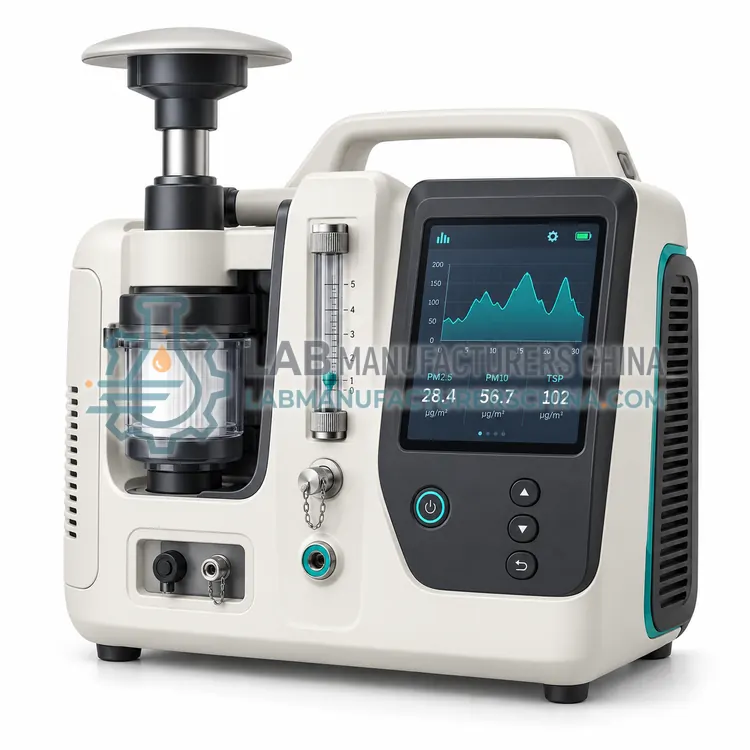
- Portable XRF Soil Analyzer — A hand-held X-ray fluorescence spectrometer for rapid elemental analysis of soil samples in the field.
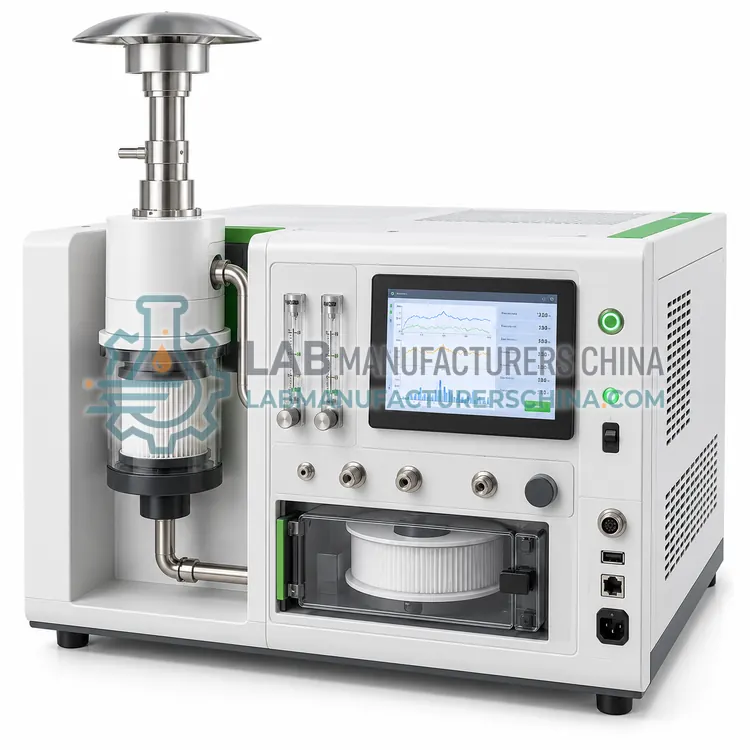
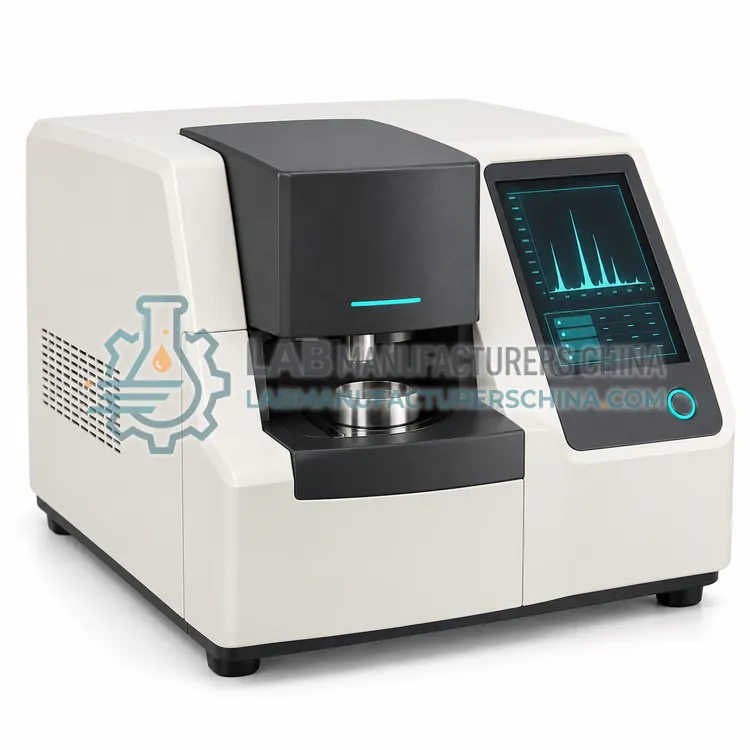
- Benchtop XRF Soil Spectrometer — A laboratory X-ray fluorescence spectrometer for precise elemental analysis of prepared soil samples in the laboratory.
- Visible-Near-Infrared Soil Spectrometer — An instrument that predicts soil properties from visible and near-infrared diffuse reflectance spectra.
- Laser-Induced Breakdown Spectroscopy Soil Analyzer — An analyzer that vaporises a small spot of soil with a laser and reads the emitted atomic lines.
- Mid-Infrared Soil Spectrometer — A Fourier transform infrared spectrometer that measures soil diffuse reflectance in the mid-infrared for composition prediction.
How do I choose the right variant?
Choose according to the target, the required detection limit and the portability needed. Portable XRF is the first choice for heavy metal screening and contamination mapping in the field, because it measures many elements directly with minimal preparation; it is less suited to light elements and to some elements that need very low detection limits. Benchtop XRF or inductively coupled plasma techniques are used for reference confirmation. Laser-induced breakdown spectroscopy suits rapid multi-element profiling and depth analysis with minimal sample handling but has higher detection limits. Visible-near-infrared and mid-infrared are used for organic matter, carbonate, clay and sometimes nutrient predictions, and depend entirely on a local calibration library. Consider radiation licensing for XRF, calibration and reference sample support, and whether the technique provides screening or reference data.
Where are Soil Spectrometers used?
Soil Spectrometers are specified in contaminated site screening, mining and geochemical exploration, precision agriculture soil mapping and soil carbon and organic matter surveys.
Which standards and certifications apply?
Work with Soil Spectrometers is commonly governed by US EPA Method 6200, ISO 18227 (XRF elemental composition), ISO 13196 (EDXRF screening), ISO 17184 (NIR carbon and nitrogen) and ISO 10694 (organic carbon). Instrument certifications such as CE marking are confirmed per configuration and never assumed.
What are the key considerations before purchase?
Prepare samples consistently, because moisture, particle size, surface roughness and compaction all affect spectroscopic readings. For XRF, dry and grind the soil, use a thin sample over a support or a pressed pellet, and account for the sample matrix through calibration, fundamental parameters or a standard addition approach, since the method is comparative rather than absolute. For infrared methods, standardise drying and grinding and control temperature, because water dominates the spectra. Run certified reference materials, duplicates and blanks with each batch and verify calibration curves periodically. For XRF, comply with radiation safety requirements, including licensing, training, dosimetry, a radiation survey and secure storage. Record sample preparation, instrument settings and calibration used, and confirm important results with a laboratory reference method.