
Seed Testing Equipment
种子检测设备
CSTE · Food, Water, Agriculture & Environment · 5 product types · 25 models
By Lab Manufacturers China Technical TeamLast reviewed
What are Seed Testing Equipment?
Seed testing equipment evaluates seed quality, including count, germination, moisture content, physical purity and representative sampling. It is used by seed companies, official seed testing stations, breeders and research institutes that follow ISTA and AOSA rules to certify and trade seed lots.
5 product types in Seed Testing Equipment
The 5 product types below are grouped by the exact instrument you need.
- SEC5 models
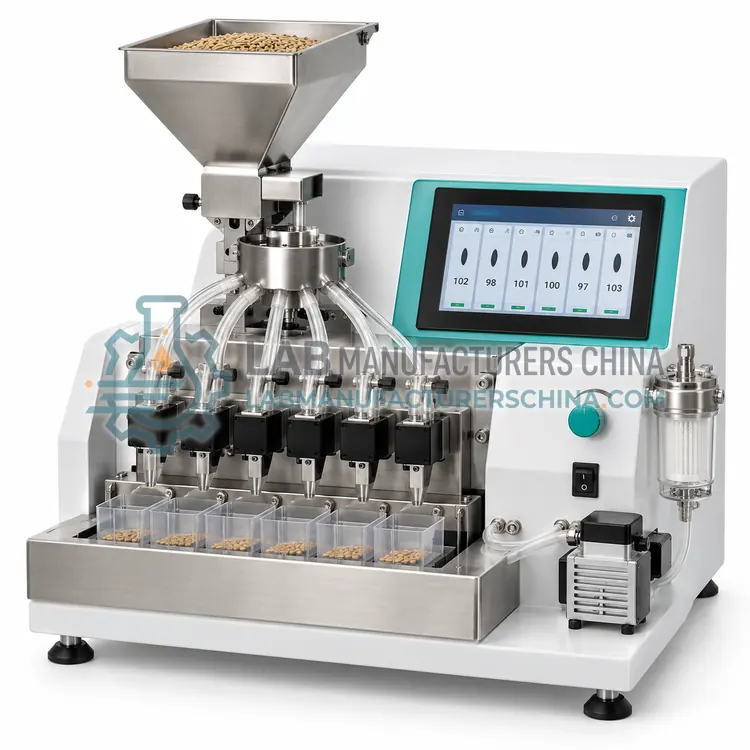
Seed Counters
种子计数仪
Seed counters count individual seeds quickly and accurately for germination tests, purity analysis, thousand-grain weight determination and sowing rate calculations. They are used by seed testing laboratories, breeders, seed companies and research stations that must prepare replicate samples of a known seed number.
- SEG5 models
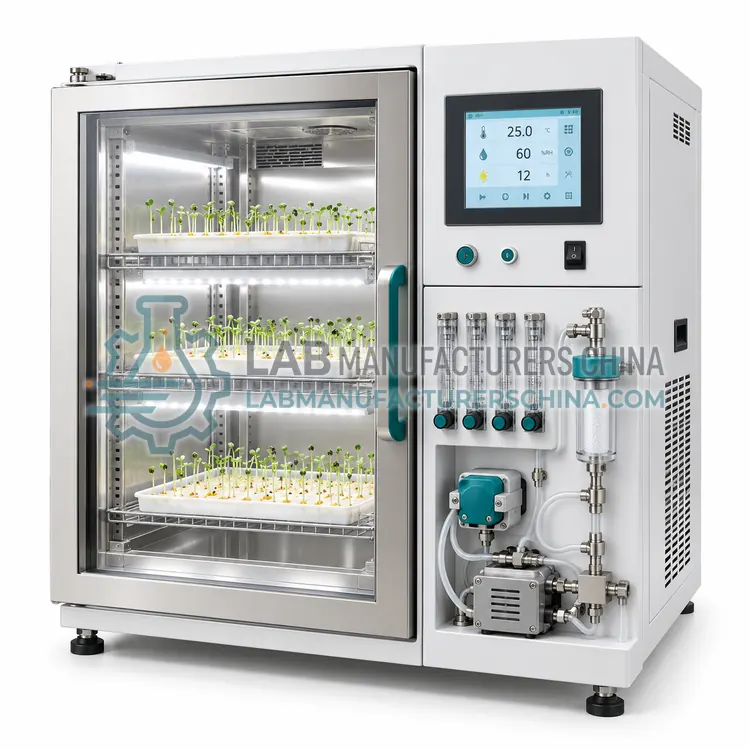
Seed Germinators
种子发芽箱
Seed germinators are controlled-environment chambers that provide the temperature, humidity, light and ventilation needed to germinate seeds under reproducible conditions. They are used by seed testing laboratories, seed companies, breeders and phytosanitary services to determine germination percentage and seedling vigour.
- SMM5 models
Seed Moisture Meters
种子水分测定仪
Seed moisture meters determine the water content of seeds by capacitance, near-infrared or loss-on-drying methods. They are used by seed testing laboratories, seed companies, storage operators and traders to check that lots are safe for storage, meet contract moisture limits and can be sold or sown at the correct weight.
- SEE5 models
Seed Purity Equipment
种子纯度检验设备
Seed purity equipment separates and analyses seed samples into pure seed, other crop seed, weed seed and inert matter. It is used by seed testing laboratories, conditioning plants and certification agencies to determine purity percentages and to clean and upgrade seed lots before sale or sowing.
- SSE5 models
Seed Sampling Equipment
种子取样设备
Seed sampling equipment withdraws and divides representative samples from bags, bulk lots and production streams. It is used by seed testing laboratories, seed companies, certification agencies and inspectors to obtain the submitted samples on which purity, germination and moisture results, and therefore lot decisions, depend.
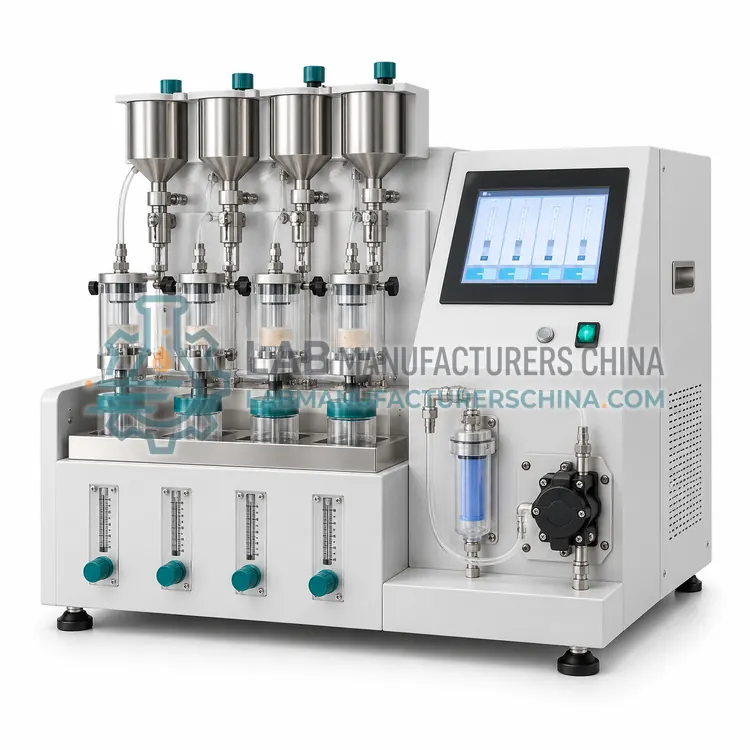
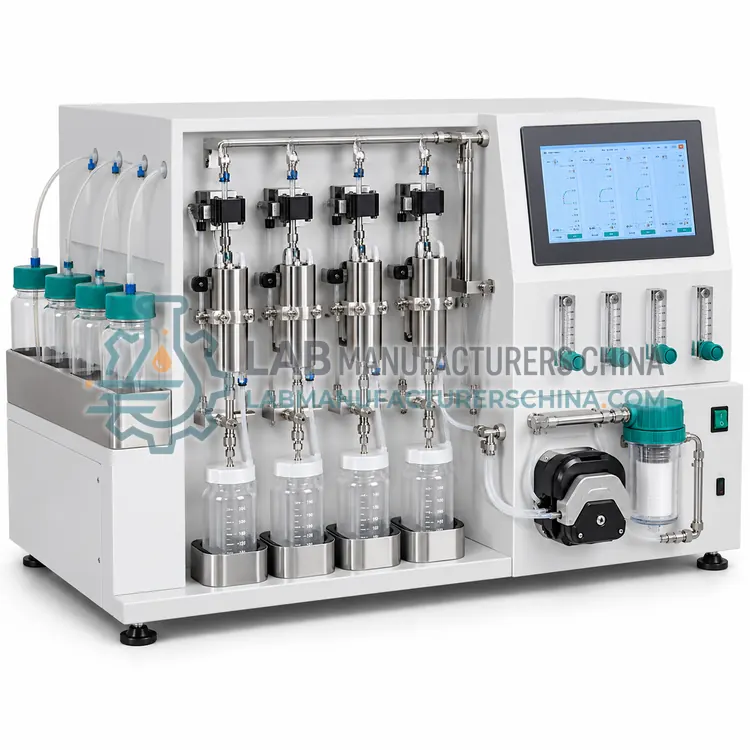
What are Seed Testing Equipment?
Seed testing equipment comprises the instruments used to determine the quality attributes of seed lots. Seed counters automate counting for thousand-seed weight and sowing calculations. Germinators provide controlled temperature, humidity and light for germination tests. Seed moisture meters determine moisture content for safe storage and trade. Purity equipment, including blowers, sieves, diaphanoscopes and sorting tables, separates pure seed from inert matter and other seeds. Sampling equipment such as triers and dividers obtains representative samples from bulk lots. Together these tools let seed testing laboratories follow International Seed Testing Association rules and produce reports that accompany seed certification, import and export, and variety development.
How do Seed Testing Equipment work?
Seed counters use optical sensors or vibrating feeders to count seeds by interrupting a light beam or by image analysis, and some use vacuum plates to place a fixed number of seeds. Germinators regulate temperature, often alternating between 20 and 30 °C, with relative humidity above 90% and controlled illumination, using compressor or Peltier cooling and fan-forced circulation. Seed moisture is measured by oven drying at 103 °C or 130 °C according to species, or by capacitance and resistance meters calibrated to reference results. Purity separation uses air flow, sieve size and visual inspection under magnification, with transmitted light to reveal internal damage. Sampling triers and dividers ensure each portion has equal probability of containing every component, reducing bias before laboratory testing begins.
Where are Seed Testing Equipment used?
Official seed testing stations issue analysis certificates for certified seed, verifying germination, purity and moisture against labeled values. Seed producers test each lot before packaging to meet minimum standards and to set pricing. Breeders and gene banks monitor viability and moisture to schedule regeneration and confirm storage conditions. Importers and exporters use ISTA certificates to clear phytosanitary and quality requirements. Researchers study dormancy, vigor and aging, and agronomists calculate seeding rates from thousand-seed weight and germination. Universities use germinators and counters in plant science teaching, and seed treatment companies use them to demonstrate coating effects on emergence and uniformity.
Which standards apply to Seed Testing Equipment?
International Rules for Seed Testing published by ISTA are the main reference, covering sampling (Chapter 2), purity (Chapter 3), germination (Chapter 5) and moisture determination (Chapter 9). AOSA Rules for Testing Seeds apply in North America, and the OECD Seed Schemes govern varietal certification. Chinese laboratories follow GB/T 3543 series for agricultural seed testing, and seed moisture methods are also aligned with ISO 6540 for maize and ISO 712 for cereals. Germination chambers may be checked against ISTA temperature tolerance guidance, and laboratories seek ISTA accreditation and ISO/IEC 17025 compliance. Equipment safety typically references IEC 61010-1.
How do I select the right seed testing equipment?
Match equipment to the species and the test volume. Small laboratories may need a single germinator and a manual counter, while official stations require multi-chamber germinators with temperature uniformity within plus or minus 0.5 to 1 °C and validated counting throughput. Confirm that temperature and alternating regimes cover the ISTA requirements for your species, and check light options for species that need illumination. For moisture, choose oven methods when reporting for certificates and capacitance meters for rapid receiving checks, verifying that the calibration covers your crops. Purity equipment should match seed size range and cleanliness level. Consider sample capacity, data export, hygiene and cleaning access, and after-sales support for calibration.
Seed Testing Equipment comparison
| Subcategory | Principle | Typical use | Key spec |
|---|---|---|---|
| Seed Counters | Optical beam or vacuum plate counting | Thousand-seed weight and lot packaging | Up to 1,500 seeds per minute |
| Seed Germinators | Controlled temperature, humidity and light | ISTA germination tests | 5–50 °C, uniformity ±1 °C |
| Seed Moisture Meters | Capacitance, resistance or oven drying | Receiving checks and certificate testing | 5–35% moisture, ±0.5% |
| Seed Purity Equipment | Air separation, sieving and magnified inspection | Pure seed and inert matter determination | Sieve apertures 0.5–10 mm |
| Seed Sampling Equipment | Trier probes and mechanical dividing | Obtaining representative lot samples | Probe length 0.5–2 m |
Frequently asked questions about Seed Testing Equipment
Standard tests include purity analysis, germination, moisture content, thousand-seed weight and seed health, with vigor tests added for some species. Results are reported on analysis certificates used for labeling, certification and trade, following ISTA or national rules.
ISTA rules specify regimes by species, commonly constant 20 °C, constant 25 °C or alternating 20 and 30 °C, with light provided for certain species. Chambers must hold setpoints within roughly plus or minus 1 °C and maintain high relative humidity around the substrate.
The reference method is oven drying at 103 °C for 17 hours for most species or 130 °C for one to four hours for cereals, per ISTA rules. Capacitance and resistance meters give rapid readings but must be calibrated against the oven method for each species.
Test results describe only the portion analyzed, so sampling must give every seed in the lot an equal chance of selection. Triers, divers and mechanical dividers reduce bias, and sample sizes follow ISTA tables that depend on species and lot size.
Accreditation is required to issue ISTA International Seed Analysis Certificates and is often demanded by national authorities for official certification. ISTA accreditation builds on ISO/IEC 17025 principles and audits equipment calibration, staff competence and proficiency test results.
Related categories
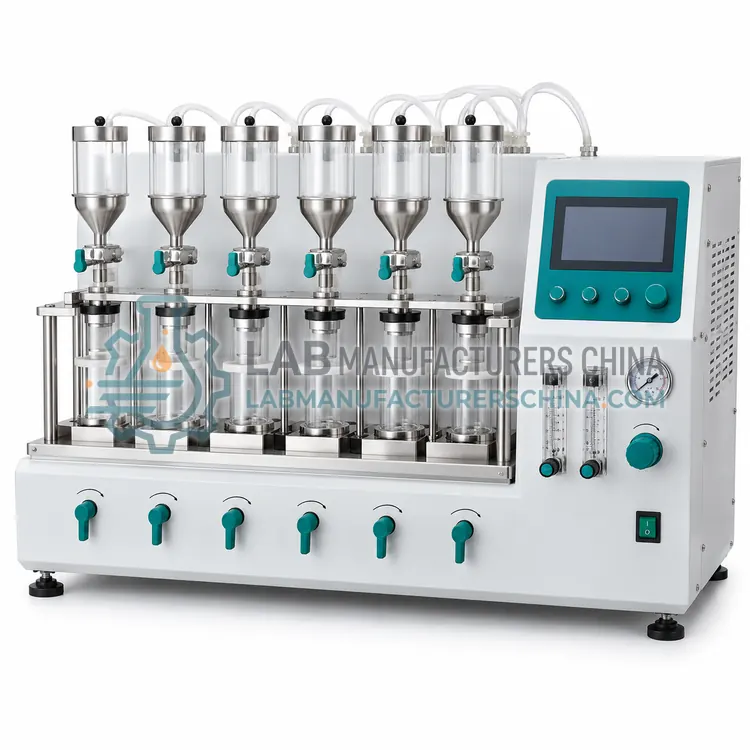
 CSAE土壤分析设备Soil analysis equipment measures nutrients, pH, moisture and spectral properties of soil and prepares soil samples for laboratory analysis. It is used by agronomists, environmental consultants, agricultural laboratories, research institutes and government soil survey programs.
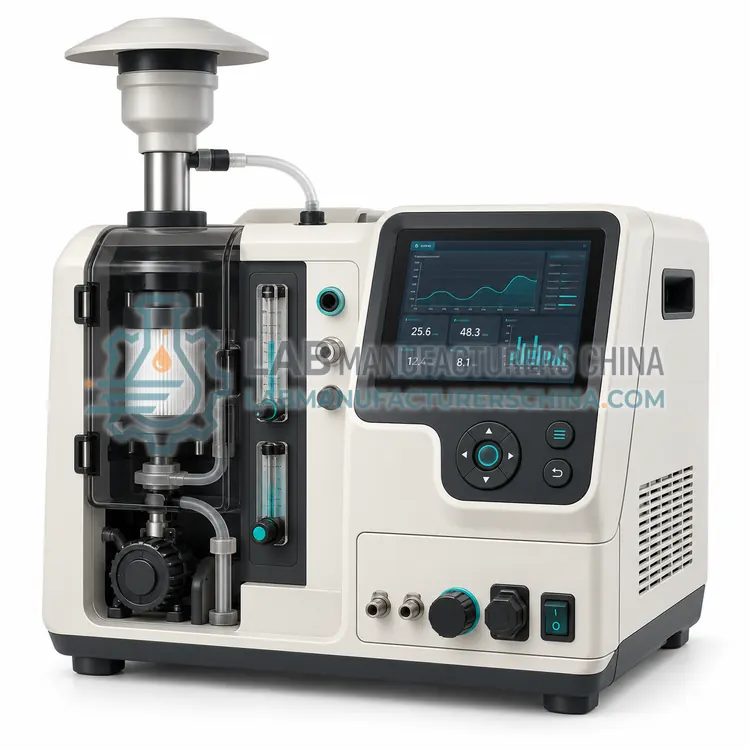
 CFTE食品检测设备Food testing equipment measures the composition, safety, microbiology, contaminant levels and texture of food and beverage products. The category covers composition analysis instruments, food safety analysers, microbiology testing systems, contaminant detection platforms and texture analysers used in food quality control and regulatory laboratories.
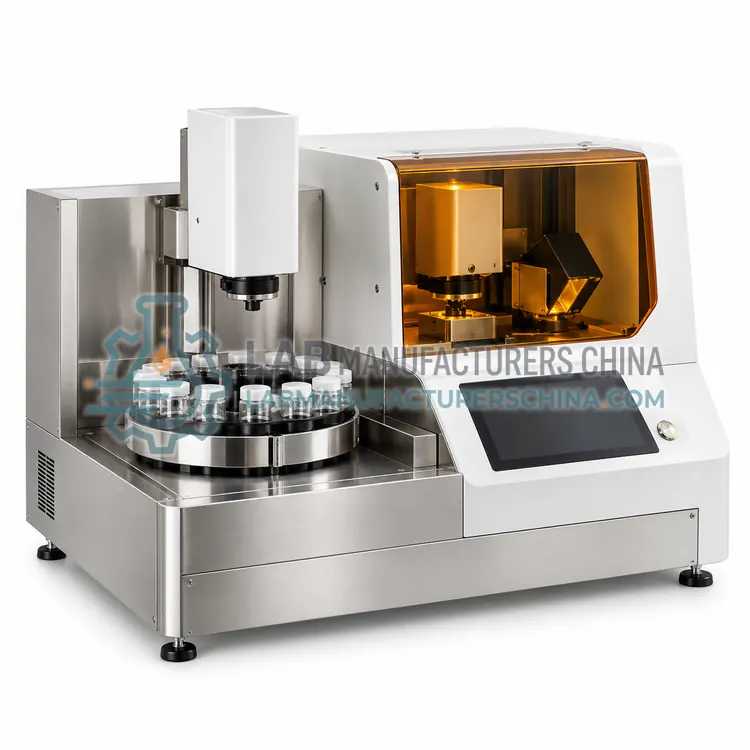
 CFAE食品分析设备Food analysis equipment determines the macro-nutrient composition of food and feed: moisture, fat, protein and fibre. The category covers moisture analysers, fat analysers, protein analysers, fibre analysers and Kjeldahl digestion and distillation systems used for nutritional labelling and quality control.
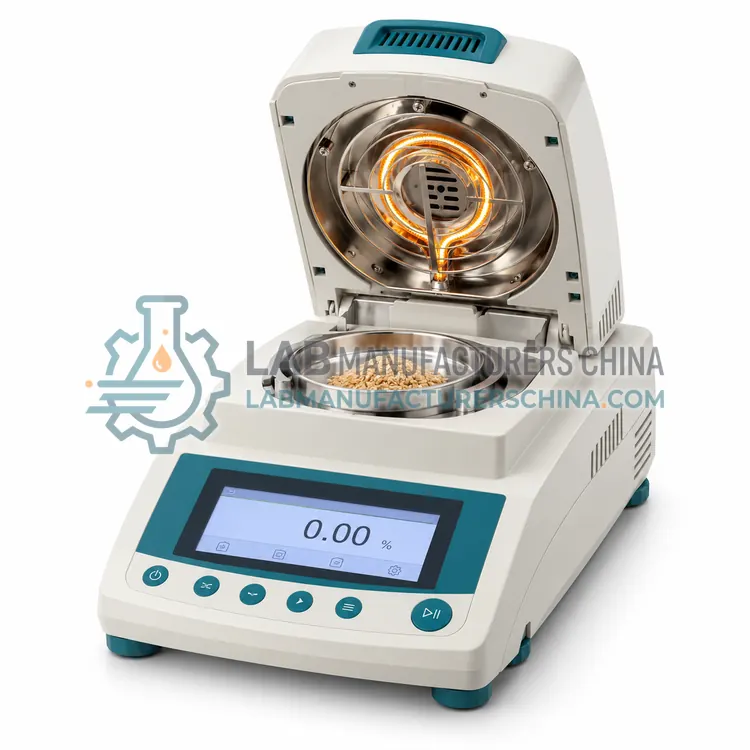
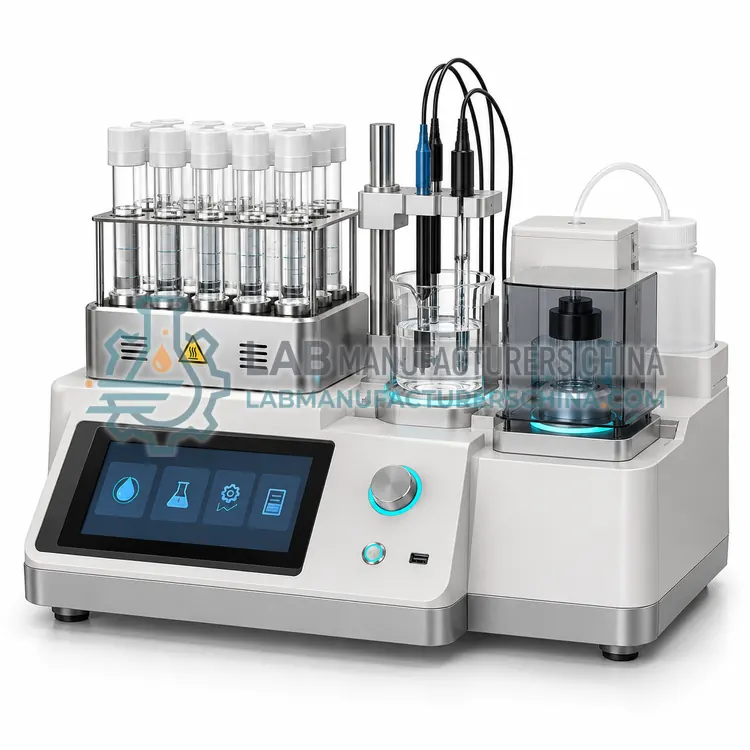 CWTE水质检测设备Water testing equipment measures the physical, chemical and biological quality of drinking water, wastewater, surface water and process water. The category covers multiparameter meters, turbidity meters, COD analysers, BOD analysers and chlorine meters used in treatment plants, utilities and environmental laboratories.