
Food Analysis Equipment
食品分析设备
CFAE · Food, Water, Agriculture & Environment · 5 product types · 26 models
By Lab Manufacturers China Technical TeamLast reviewed
What are Food Analysis Equipment?
Food analysis equipment determines the macro-nutrient composition of food and feed: moisture, fat, protein and fibre. The category covers moisture analysers, fat analysers, protein analysers, fibre analysers and Kjeldahl digestion and distillation systems used for nutritional labelling and quality control.
5 product types in Food Analysis Equipment
The 5 product types below are grouped by the exact instrument you need.
- MAN6 models
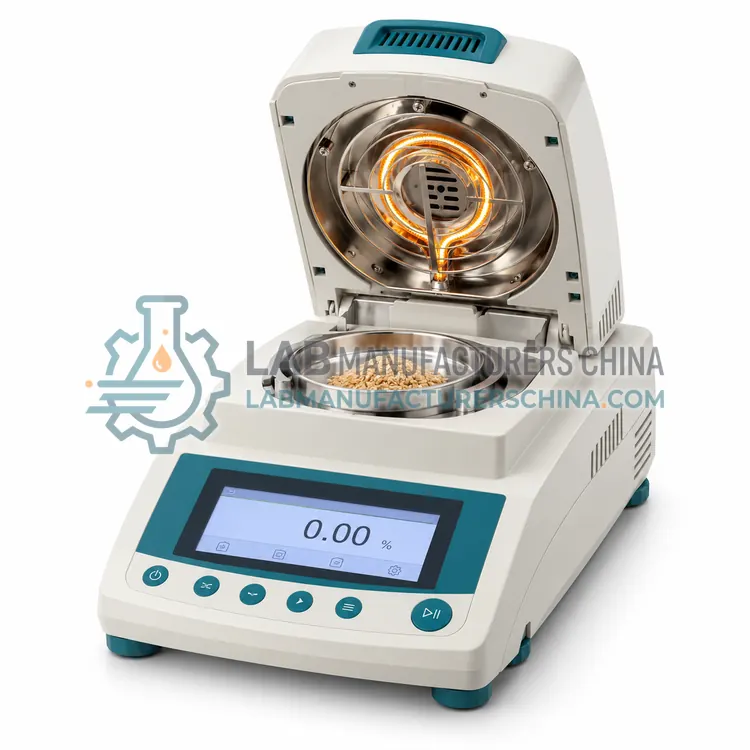
Moisture Analyzers
食品水分分析仪
Food moisture analyzers determine the water content of food and feed ingredients using loss-on-drying, capacitance or Karl Fischer methods. The subcategory covers infrared, halogen, microwave and capacitance instruments plus titrators and drying ovens used for nutrition labelling and process control.
- FAN5 models
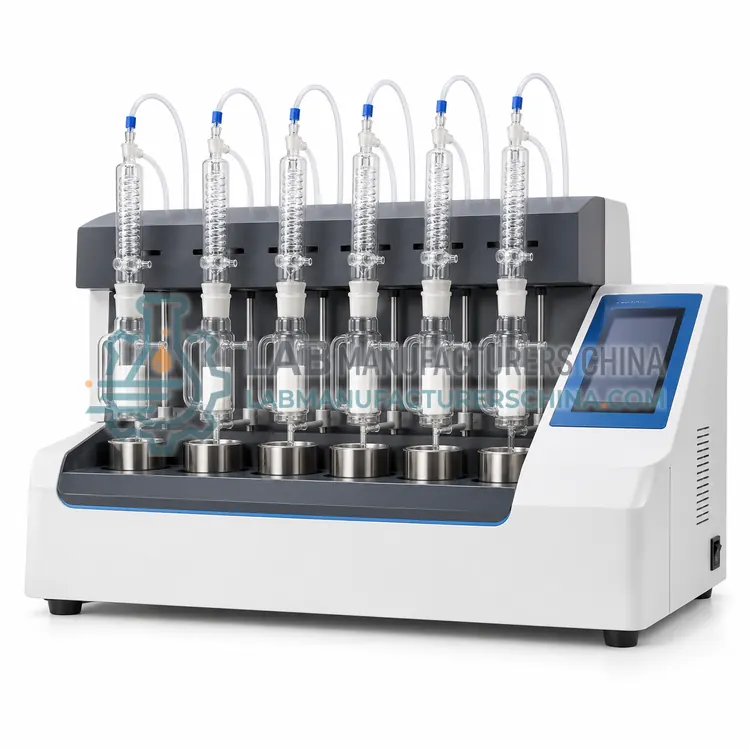
Fat Analyzers
食品脂肪分析仪
Food fat analyzers determine the total, crude or milk fat content of food and feed by solvent extraction, acid hydrolysis or nuclear magnetic resonance. The subcategory covers Soxhlet and Randall systems, hydrolysis extractors, NMR analysers and butyrometer centrifuges used for labelling and process control.
- PRO5 models
Protein Analyzers
食品蛋白质分析仪
Food protein analyzers determine nitrogen and protein content in food and feed by combustion, dye binding, infrared spectroscopy, colorimetry or amino acid analysis. The subcategory covers Dumas combustion systems, NIR grain analyzers, dye-binding milk analyzers, colorimetric instruments and amino acid analysers.
- FIA5 models
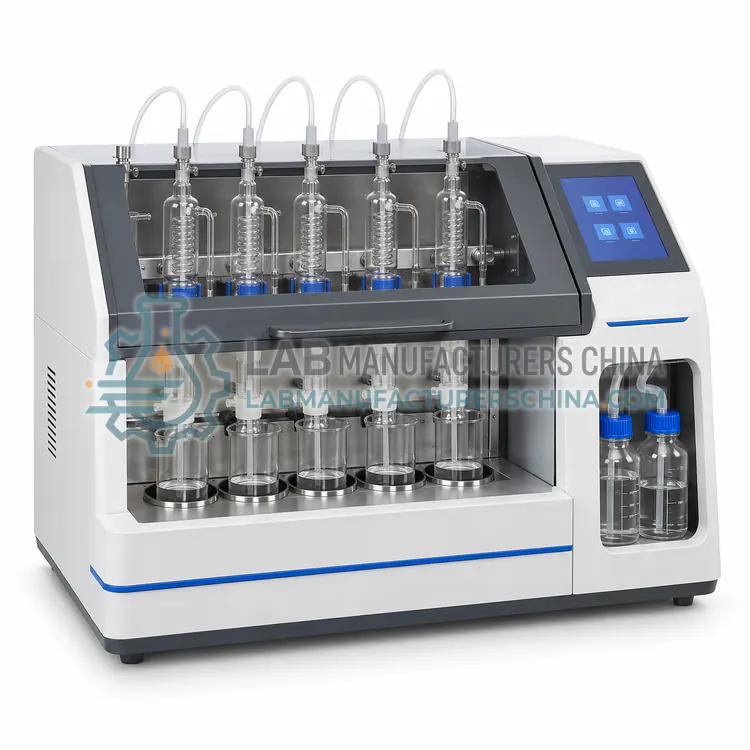
Fiber Analyzers
食品纤维分析仪
Food fiber analyzers determine crude fiber, detergent fiber and dietary fiber fractions in food and feed by gravimetric, enzymatic or chromatographic procedures. The subcategory covers crude fiber systems, detergent fiber analyzers, filter bag analyzers, dietary fiber systems and HPLC fiber analyzers.
- KJS5 models
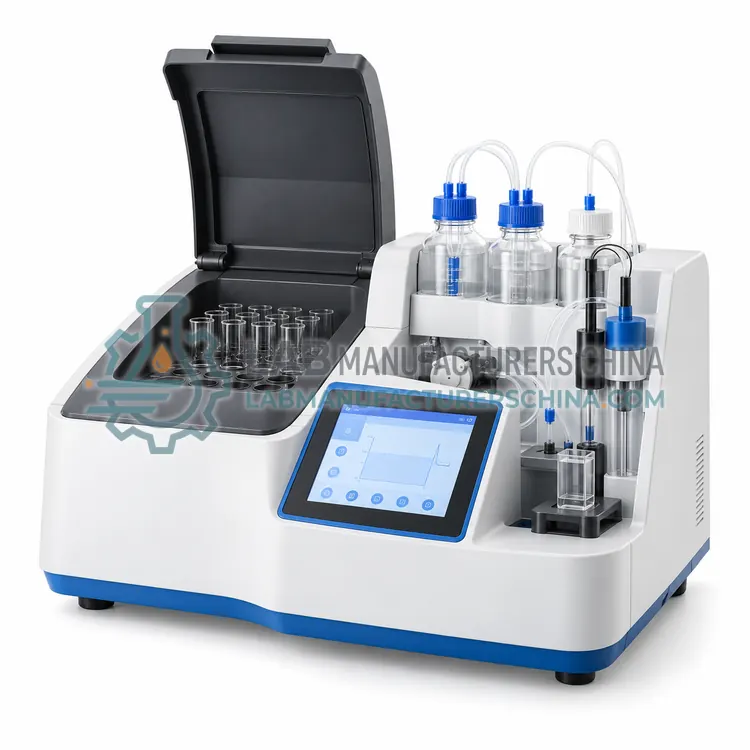
Kjeldahl Systems
凯氏定氮系统
Kjeldahl systems determine nitrogen and protein in food, feed and water by acid digestion, alkaline distillation and titration. The subcategory covers manual and automated digestion blocks, steam distillation units, integrated nitrogen analyzers and micro-Kjeldahl systems used in reference laboratories.
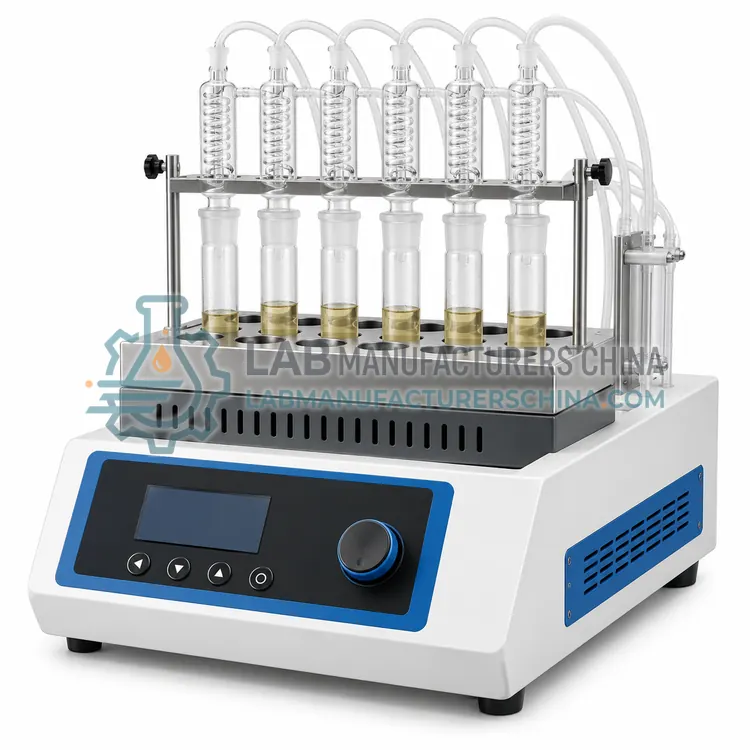
What are Food Analysis Equipment?
Food analysis focuses on the quantitative determination of the major components that define nutritional value and product quality. Moisture is measured because it affects shelf life, texture and the calculation of results on a dry basis. Fat content is reported for labelling and for process control in dairy, snack and bakery production. Protein is determined from nitrogen content using Kjeldahl digestion or Dumas combustion. Fibre analysis separates dietary fibre fractions for labelling and for feed evaluation. These tests are performed on raw materials, intermediates and finished products, and they underpin nutritional declarations, specification compliance and feed formulation.
How do Food Analysis Equipment work?
Moisture analysers heat a sample with an infrared or halogen lamp and weigh it continuously until the mass stabilises, giving loss-on-drying. Fat analysers use solvent extraction, often automated Soxhlet or Randall systems, to dissolve and recover the lipid fraction. Protein analysers convert nitrogen to ammonium sulfate by acid digestion with a catalyst, then release ammonia with alkali and quantify it by titration or by thermal conductivity after combustion in Dumas instruments. Fibre analysers use enzymatic or gravimetric procedures to isolate fibre fractions. Kjeldahl systems combine block digestion with steam distillation and titration, and are often scaled to a full batch of tubes.
Where are Food Analysis Equipment used?
Food manufacturers use these instruments for raw-material acceptance, in-process checks and finished-product release, and to substantiate the nutrition facts panel. Dairy processors monitor milk fat and protein for payment and standardisation. Feed mills and premix plants determine protein, fibre and moisture to formulate rations and to comply with feed labelling rules. Grain handlers test moisture before storage to prevent spoilage. Research and development groups compare formulations, while third-party laboratories verify supplier claims and resolve disputes. Automated systems are preferred where daily sample numbers are high or where several parameters must be reported from one subsample.
Which standards apply to Food Analysis Equipment?
Key methods include AOAC official methods for moisture, fat, protein and fibre, the ISO 712 and ISO 6496 moisture procedures, ISO 1443 and ISO 1735 for fat, ISO 5983 and ISO 8968 for protein, and ISO 5498 and ISO 6541 for crude fibre. Kjeldahl determination is described in AOAC 2001.11 and in ISO 5983-2, while Dumas combustion follows AOAC 990.03 or ISO 16634. Regulatory declarations must comply with regional nutrition labelling rules. Laboratories are usually accredited to ISO/IEC 17025, quality systems follow ISO 9001, and suppliers may offer CE and ISO 9001 documentation, to be confirmed per model.
How do I select the right food analysis equipment?
Select the method first, because reference and rapid methods answer different questions. Kjeldahl and Soxhlet remain the accredited reference techniques, while NIR and combustion analysers suit high volumes where correlation to the reference method has been demonstrated. Choose Kjeldahl when your authority requires acid digestion, and Dumas when speed and low reagent use matter more. Match the number of positions to daily throughput, and decide whether digestion, distillation and titration should be integrated. For moisture, an infrared analyser is faster but a drying oven is the reference. Also compare consumable costs, automated reagent handling and validation support for your sample types.
Food Analysis Equipment comparison
| Subcategory | Principle | Typical use | Key spec |
|---|---|---|---|
| Moisture Analyzers | Loss-on-drying with infrared or halogen heating and continuous weighing | Moisture and dry-matter content of food and feed | 0.001 percent readability, 0–100 percent range |
| Fat Analyzers | Solvent extraction of the lipid fraction, gravimetric determination | Total and crude fat for labelling and process control | 1–100 percent fat, 4–6 positions per batch |
| Protein Analyzers | Nitrogen determination by Dumas combustion or Kjeldahl conversion | Protein content for labelling and feed formulation | 0.1–100 percent protein, thermal conductivity detection |
| Fiber Analyzers | Enzymatic-gravimetric or crude-fibre extraction and filtration | Dietary and crude fibre for labelling and feed evaluation | 0.1–100 percent fibre, 6 positions, vacuum filtration |
| Kjeldahl Systems | Acid digestion, alkaline distillation and titration of nitrogen | Reference protein determination in food, feed and water | 6–40 tubes, digestion up to 450 °C, titration 0.01 mL |
Frequently asked questions about Food Analysis Equipment
Kjeldahl digests the sample in acid, distils ammonia and titrates it, giving an accredited reference result. Dumas combusts the sample and measures nitrogen by thermal conductivity, which is faster and needs no hazardous reagents but must be correlated with the reference method.
Moisture affects shelf life, microbial stability, texture and weight-based pricing. It also enters every calculation expressed on a dry basis, so accurate moisture data are needed before comparing fat, protein or fibre results.
Total fat is usually measured by solvent extraction, using Soxhlet or Randall apparatus, which dissolves the lipid and leaves it after solvent evaporation. Some rapid instruments instead use NMR, infrared or gravimetric methods after hydrolysis of the sample.
Fibre analysers measure crude fibre, detergent fibre or total dietary fibre, depending on the digestion and filtration procedure used. The choice is set by the labelling or feed regulation that applies to the product.
Bench instruments usually specialise in one parameter, but automated platforms and infrared analysers can predict moisture, fat, protein and fibre from a single spectrum or subsample after calibration. Reference chemistry is still needed to validate those predictions.
Related categories
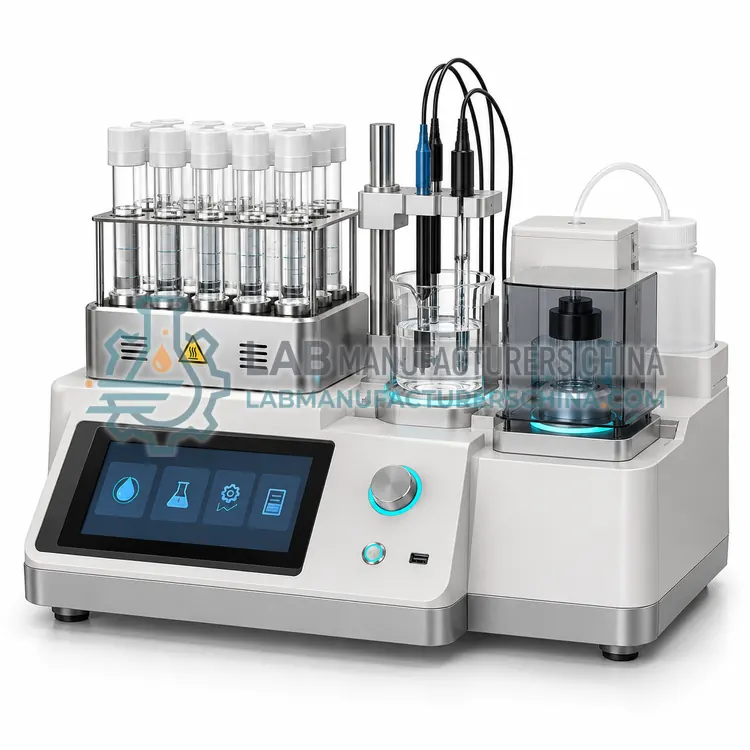 CWTE水质检测设备Water testing equipment measures the physical, chemical and biological quality of drinking water, wastewater, surface water and process water. The category covers multiparameter meters, turbidity meters, COD analysers, BOD analysers and chlorine meters used in treatment plants, utilities and environmental laboratories.
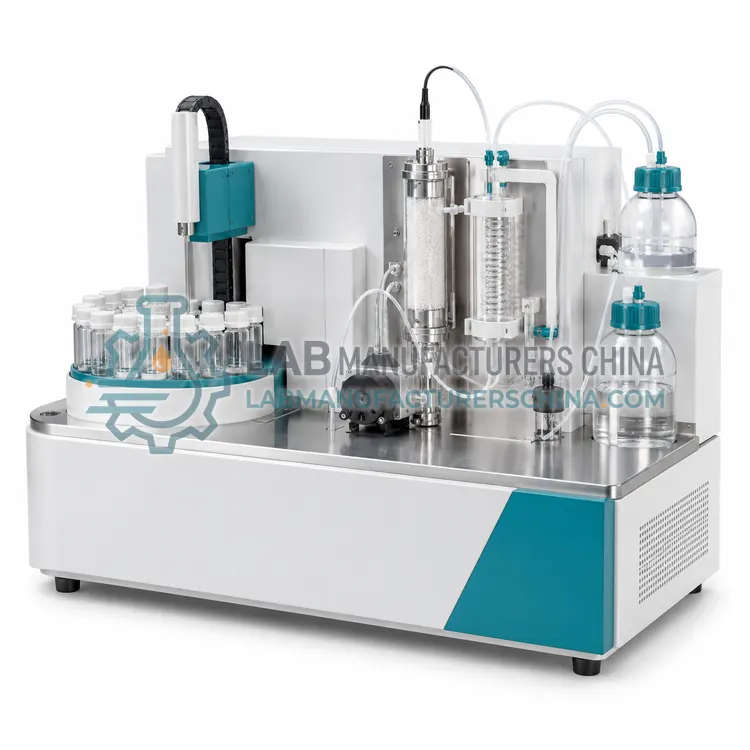 CWAE水质分析设备Water analysis equipment measures the chemical, physical and metal content of drinking water, surface water, wastewater and process water. The category covers TOC analyzers, ion analyzers, water-specific spectrophotometers, multi-parameter water quality analyzers and heavy metal analyzers used by utilities, environmental labs and industrial QC teams.
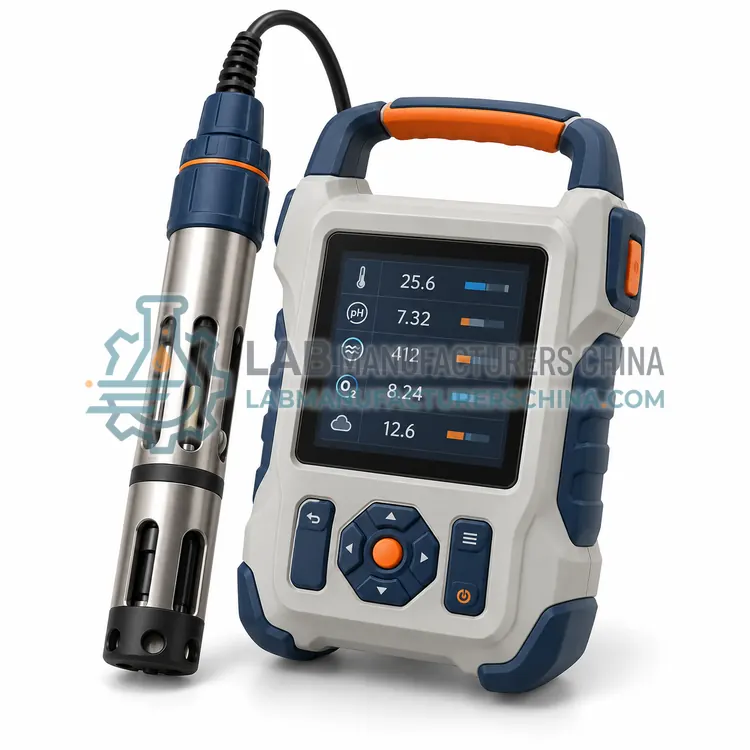 CETE环境检测设备Environmental testing equipment measures and collects samples of water, air, stack emissions, noise and soil or sediment to assess pollution and regulatory compliance. It covers online monitors, portable meters and samplers used by environmental agencies, industrial plants, consultancies and accredited testing laboratories.
 CAQM空气质量监测设备Air quality monitoring equipment measures gases, particulate matter and volatile organic compounds in ambient air and in industrial stacks. It includes gas analyzers, particulate monitors, VOC analyzers, stack gas analyzers and integrated ambient air stations used by environmental agencies, industry and research institutes.