Lab Manufacturers China

Moisture Analyzers

食品水分分析仪

MAN · Food Analysis Equipment · 6 models

By Lab Manufacturers China Technical TeamLast reviewed Standards: ISO 712, ISO 6496, AOAC 925.10

Standards referenced

  • ISO 712
  • ISO 6496
  • AOAC 925.10
  • ISO 760
  • ASTM E203
  • ISO/IEC 17025

What are Moisture Analyzers?

Food moisture analyzers determine the water content of food and feed ingredients using loss-on-drying, capacitance or Karl Fischer methods. The subcategory covers infrared, halogen, microwave and capacitance instruments plus titrators and drying ovens used for nutrition labelling and process control.

6 models of Moisture Analyzers

The 6 models below are current configurations; specifications are confirmed on quotation.

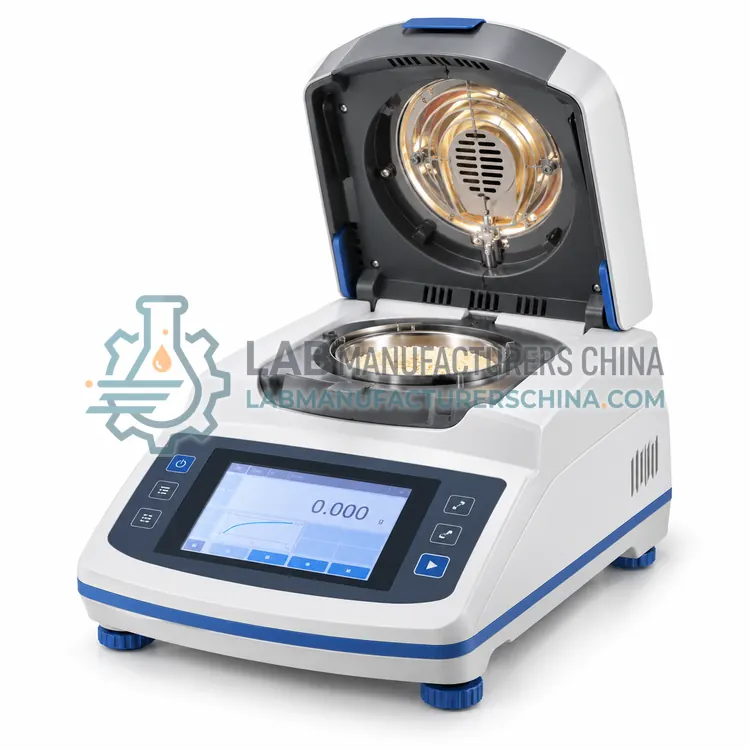
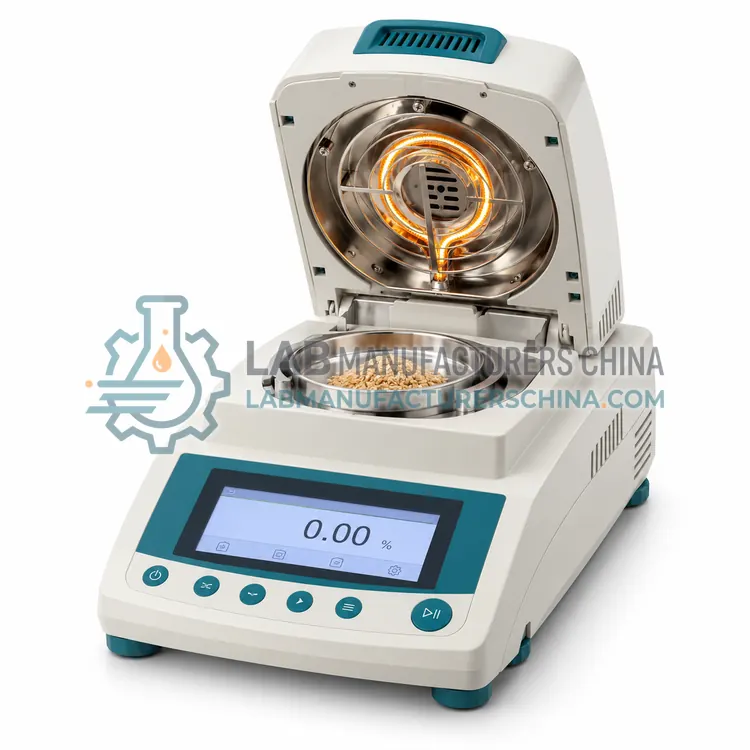
Halogen Moisture Analyzer for Food

食品卤素水分分析仪

  • MAN-0001
  • Moisture Analyzers
  • CE (to be confirmed)
  • ISO 9001 manufacturing (to be confirmed)
Heating source:
Halogen lamp, 400 W
Balance readability:
0.001 g
Maximum sample mass:
100 g
Moisture range:
0.01–100 percent
Temperature range:
40–200 °C
Temperature accuracy:
±1 °C

A halogen moisture analyzer dries a food sample with a halogen lamp and weighs it continuously to give moisture by loss-on-drying. It is the routine choice for powders, pastes and liquids when results are needed in minutes.

Request a quote
View details

Infrared Moisture Analyzer for Food

食品红外水分分析仪

  • MAN-0002
  • Moisture Analyzers
  • CE (to be confirmed)
  • ISO 9001 manufacturing (to be confirmed)
Heating source:
Infrared lamp with reflector
Balance readability:
0.001 g
Maximum sample mass:
50–100 g
Moisture resolution:
0.01 percent
Temperature range:
50–180 °C
Heating profiles:
Single or multi-step, programmable

An infrared moisture analyzer uses a broad-spectrum infrared heater to dry food samples while weighing them continuously. It provides loss-on-drying results with gentler heating than halogen lamps, suiting temperature-sensitive powders and pastes.

Request a quote
View details

Microwave Moisture Analyzer for Food

食品微波水分分析仪

  • MAN-0003
  • Moisture Analyzers
  • CE (to be confirmed)
  • ISO 9001 manufacturing (to be confirmed)
Heating source:
Microwave, 2450 MHz
Power output:
300–1000 W, adjustable
Balance readability:
0.001 g
Maximum sample mass:
50 g
Moisture range:
0.1–100 percent
Drying time:
2–10 min typical

A microwave moisture analyzer dries food from the inside out using microwave energy and continuous weighing. It suits dense or bulky products such as whole grains, meats and oilseeds where surface heating is too slow.

Request a quote
View details

Capacitance Grain Moisture Meter

电容式谷物水分测定仪

  • MAN-0004
  • Moisture Analyzers
  • CE (to be confirmed)
  • ISO 9001 manufacturing (to be confirmed)
Measurement principle:
Capacitance of packed grain
Moisture range (cereals):
8–40 percent
Moisture range (oilseeds):
5–30 percent
Resolution:
0.1 percent
Repeatability:
±0.2–0.5 percent
Measurement time:
Under 10 s

A capacitance grain moisture meter estimates moisture from the dielectric properties of a packed grain sample in seconds. It is the standard field and intake instrument for wheat, maize, rice, barley and oilseeds.

Request a quote
View details

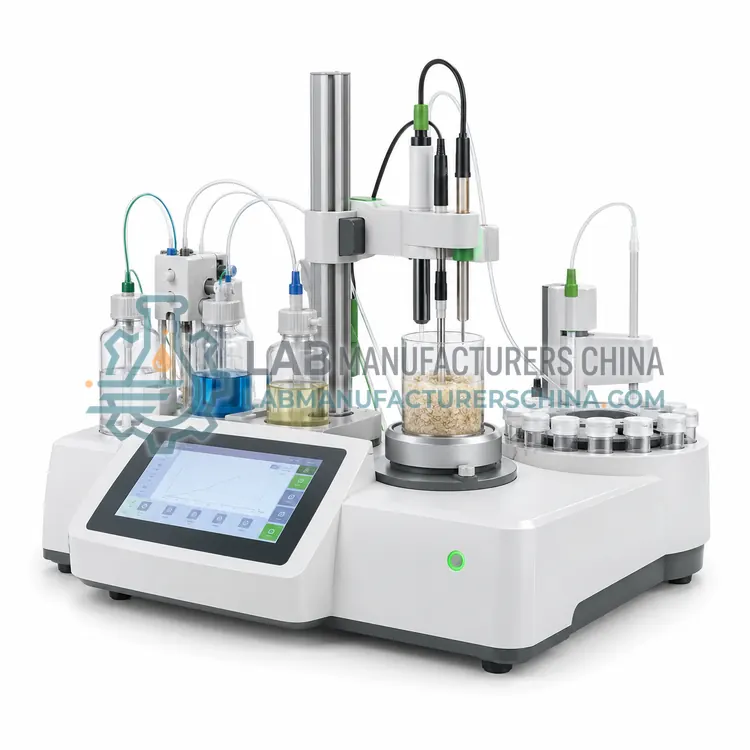
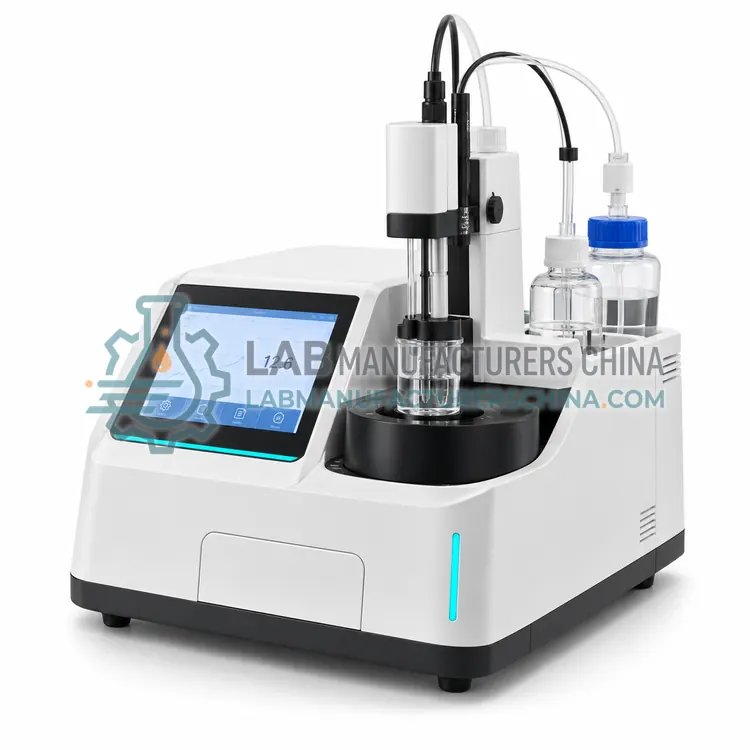
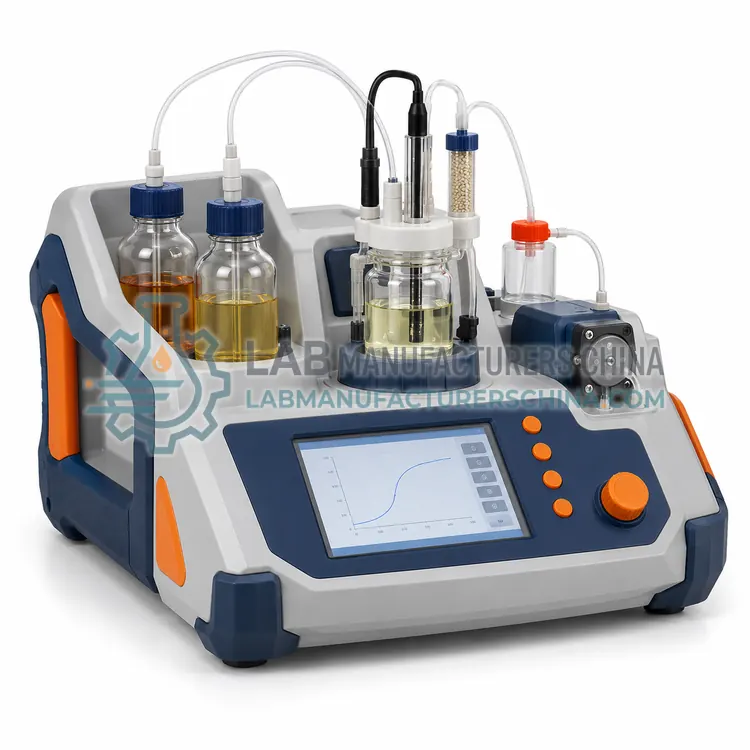
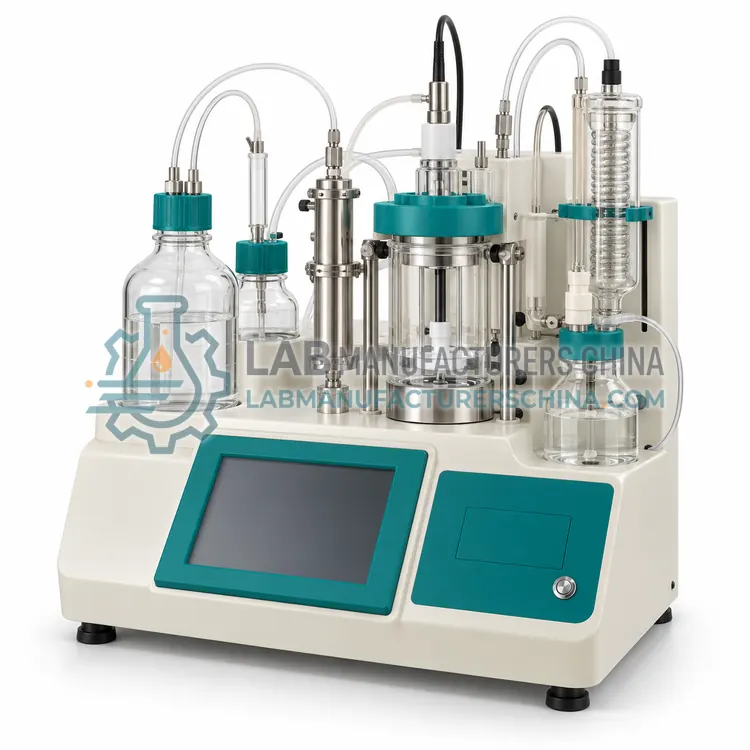
Karl Fischer Titrator for Food Moisture

食品卡尔费休水分滴定仪

  • MAN-0005
  • Moisture Analyzers
  • CE (to be confirmed)
  • ISO 9001 manufacturing (to be confirmed)
Titration mode:
Volumetric and coulometric
Measuring range (volumetric):
0.1–100 percent water
Measuring range (coulometric):
10 µg–10 mg water
Resolution:
0.1 µg water
Sample introduction:
Direct injection or oven transfer
Oven temperature:
50–250 °C, programmable

A Karl Fischer titrator measures water content chemically through the iodine-sulfur dioxide reaction, giving water-specific results for oils, low-moisture powders and products containing volatiles. It is the reference alternative to loss-on-drying methods.

Request a quote
View details

Vacuum Drying Oven for Food Moisture

食品真空干燥烘箱

  • MAN-0006
  • Moisture Analyzers
  • CE (to be confirmed)
  • ISO 9001 manufacturing (to be confirmed)
Temperature range:
40–200 °C
Temperature uniformity:
±1 °C at 100 °C
Vacuum level:
Down to 10 mbar
Chamber volume:
50–250 L
Shelves:
2–4 adjustable, aluminium or stainless steel
Door:
Tempered safety glass

A vacuum drying oven determines moisture gravimetrically at reduced pressure and lower temperature, protecting heat-sensitive and oxidisable food samples. It is the accepted reference method for products that decompose in conventional ovens.

Request a quote
View details

Compare Moisture Analyzers models

ModelHeating sourceBalance readabilityMaximum sample massMoisture rangeTemperature range
Halogen Moisture Analyzer for FoodMAN-0001Halogen lamp, 400 W0.001 g100 g0.01–100 percent40–200 °C
Infrared Moisture Analyzer for FoodMAN-0002Infrared lamp with reflector0.001 g50–100 g—50–180 °C
Microwave Moisture Analyzer for FoodMAN-0003Microwave, 2450 MHz0.001 g50 g0.1–100 percent—
Capacitance Grain Moisture MeterMAN-0004—————
Karl Fischer Titrator for Food MoistureMAN-0005—————
Vacuum Drying Oven for Food MoistureMAN-0006————40–200 °C

Indicative values for this product class. Final specifications are confirmed on the quotation and in the calibration documents supplied with the instrument.

How do Moisture Analyzers work?

Loss-on-drying instruments weigh a sample, heat it with an infrared or halogen lamp, and track mass until it stabilises; the mass loss is reported as moisture. Halogen lamps reach the drying temperature faster and distribute heat more evenly than infrared. Microwave drying drives water out from within the sample, which suits bulky or dense products. Capacitance meters in grain-moisture devices correlate the dielectric constant of a packed sample with water content using stored calibrations. Karl Fischer titration measures water chemically, by the iodine-sulfur dioxide reaction, and is the reference for low-moisture foods, oils and powders where volatiles would bias loss-on-drying. Vacuum oven drying remains the gravimetric reference method for many commodities.

Which Moisture Analyzers variants are available?

  • Halogen Moisture Analyzer for Food — A halogen moisture analyzer dries a food sample with a halogen lamp and weighs it continuously to give moisture by loss-on-drying.
  • Infrared Moisture Analyzer for Food — An infrared moisture analyzer uses a broad-spectrum infrared heater to dry food samples while weighing them continuously.
  • Microwave Moisture Analyzer for Food — A microwave moisture analyzer dries food from the inside out using microwave energy and continuous weighing.
  • Capacitance Grain Moisture Meter — A capacitance grain moisture meter estimates moisture from the dielectric properties of a packed grain sample in seconds.
  • Karl Fischer Titrator for Food Moisture — A Karl Fischer titrator measures water content chemically through the iodine-sulfur dioxide reaction, giving water-specific results for oils, low-moisture powders and products containing volatiles.
  • Vacuum Drying Oven for Food Moisture — A vacuum drying oven determines moisture gravimetrically at reduced pressure and lower temperature, protecting heat-sensitive and oxidisable food samples.

How do I choose the right variant?

Match the method to the product and to the accuracy you must report. Loss-on-drying analysers are fast and simple and are ideal for routine control of powders, pastes and liquids, but volatile components other than water can cause a positive bias. Halogen models heat faster and suit high sample numbers, while microwave models handle dense or bulky products better. Capacitance meters are convenient for grain at intake but depend on crop-specific calibrations and are affected by temperature. Karl Fischer titration is required for oils, low-moisture powders and any product where the reference method specifies it. Confirm repeatability, sample size and the ability to store and export results.

Where are Moisture Analyzers used?

Moisture Analyzers are specified in grain intake moisture and safe storage decisions, nutrition labelling and dry-basis calculations, in-process control of drying and blending, powder, spice and ingredient specification testing, oil and low-moisture product water determination and feed and pet food quality control.

Which standards and certifications apply?

Work with Moisture Analyzers is commonly governed by ISO 712, ISO 6496, AOAC 925.10, ISO 760, ASTM E203 and ISO/IEC 17025. Instrument certifications such as CE marking are confirmed per configuration and never assumed.

What are the key considerations before purchase?

Moisture results depend on sample handling, so grinding, portion size, spreading and cooling time must follow the method. Loss-on-drying instruments need periodic verification with reference materials or a drying oven comparison, and the balance inside them should be checked with traceable weights. Karl Fischer reagents are moisture-sensitive and need fresh solvent, correct titration parameters and regular drift checks. Capacitance meters must be set to the right crop calibration and corrected for temperature. Keep records of reference-method comparisons and store instruments away from draughts, direct sunlight and heat sources.

Frequently asked questions about Moisture Analyzers

Loss-on-drying measures any mass lost when the sample is heated, so volatile components such as alcohol or essential oils inflate the result. Karl Fischer titration measures water specifically through a chemical reaction and is preferred for oils and low-moisture products.

Need help specifying Moisture Analyzers?

Request a quote