
Food Testing Equipment
食品检测设备
CFTE · Food, Water, Agriculture & Environment · 5 product types · 28 models
By Lab Manufacturers China Technical TeamLast reviewed
What are Food Testing Equipment?
Food testing equipment measures the composition, safety, microbiology, contaminant levels and texture of food and beverage products. The category covers composition analysis instruments, food safety analysers, microbiology testing systems, contaminant detection platforms and texture analysers used in food quality control and regulatory laboratories.
5 product types in Food Testing Equipment
The 5 product types below are grouped by the exact instrument you need.
- FCA6 models
Food Composition Analysis
食品成分分析
Food composition analysis determines the nutrient content of food and feed rapidly and accurately. It covers near-infrared and mid-infrared analysers, bomb calorimeters, refractometers, enzymatic analysers and salt analysers for moisture, fat, protein, sugar, energy and sodium in raw materials and finished products.
- FSA6 models
Food Safety Analysis
食品安全分析
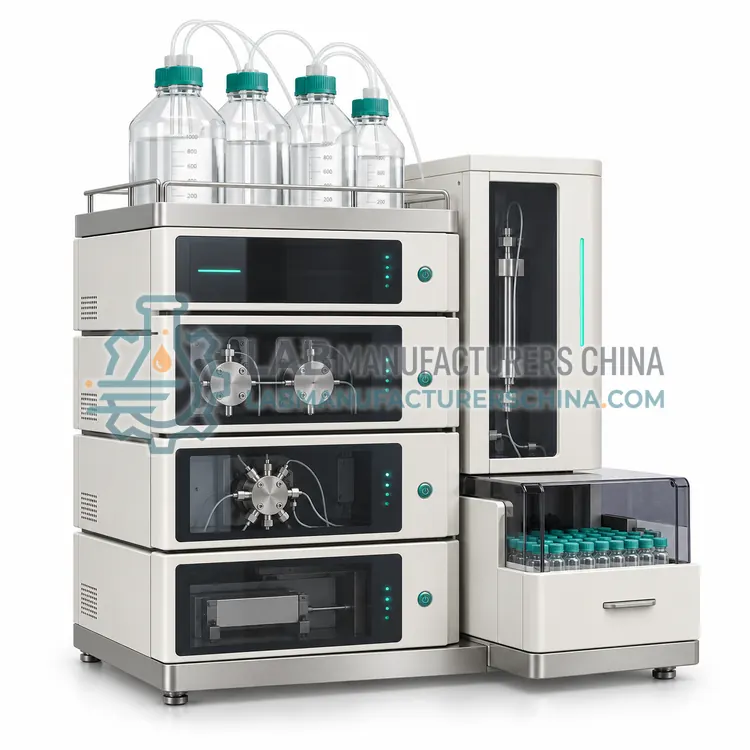
Food safety analysis detects additives, preservatives, pesticide residues, allergens and authenticity markers in food and beverages. It combines HPLC, LC-MS/MS, GC-MS, immunoassay and PCR platforms used by food manufacturers and regulatory laboratories to demonstrate compliance with safety limits.
- MTE6 models
Microbiology Testing
食品微生物检测
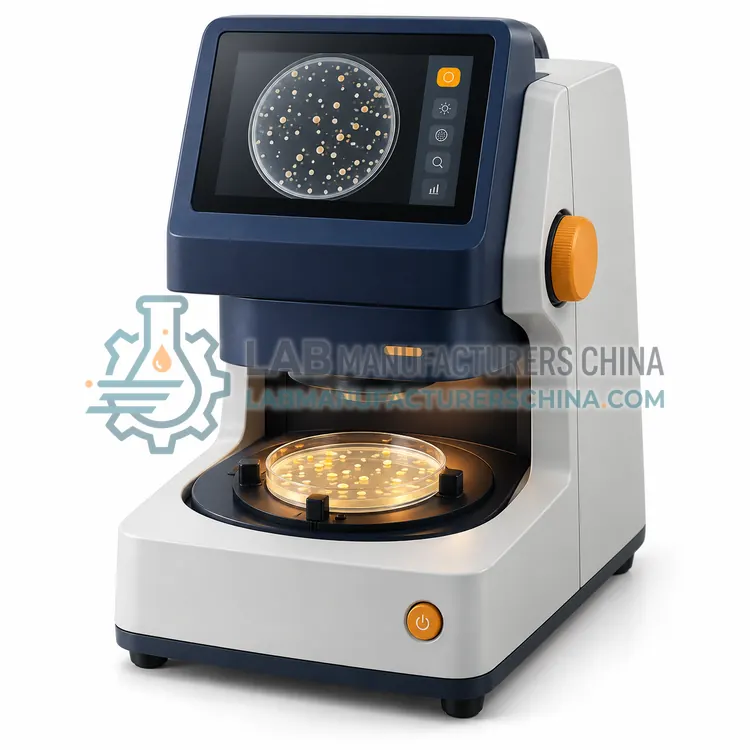
Microbiology testing equipment detects and enumerates pathogens, spoilage organisms and hygiene indicators in food, beverages and production environments. It covers colony counters, PCR pathogen systems, microbial identification platforms, immunoassay readers, sample homogenisers and ATP hygiene monitors used in food laboratories.
- COA5 models
Contaminant Analysis
食品污染物分析
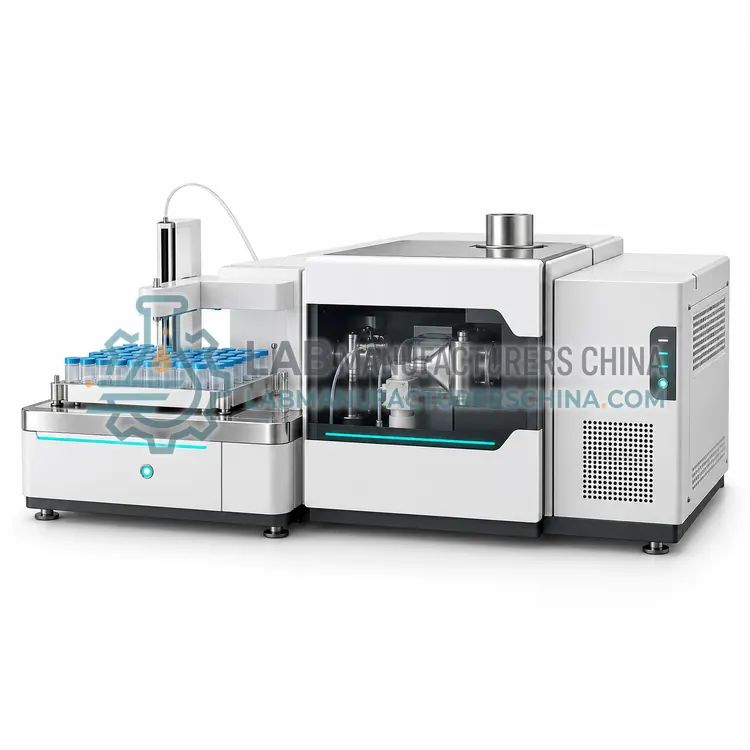
Food contaminant analysis quantifies harmful substances at trace levels: heavy metals, mycotoxins, veterinary drug residues, process contaminants and packaging migrants. It relies on ICP-MS, atomic absorption, LC-MS/MS and GC-MS/MS platforms used by regulatory, export and quality laboratories.
- TEA5 models
Texture Analysis
食品质构分析
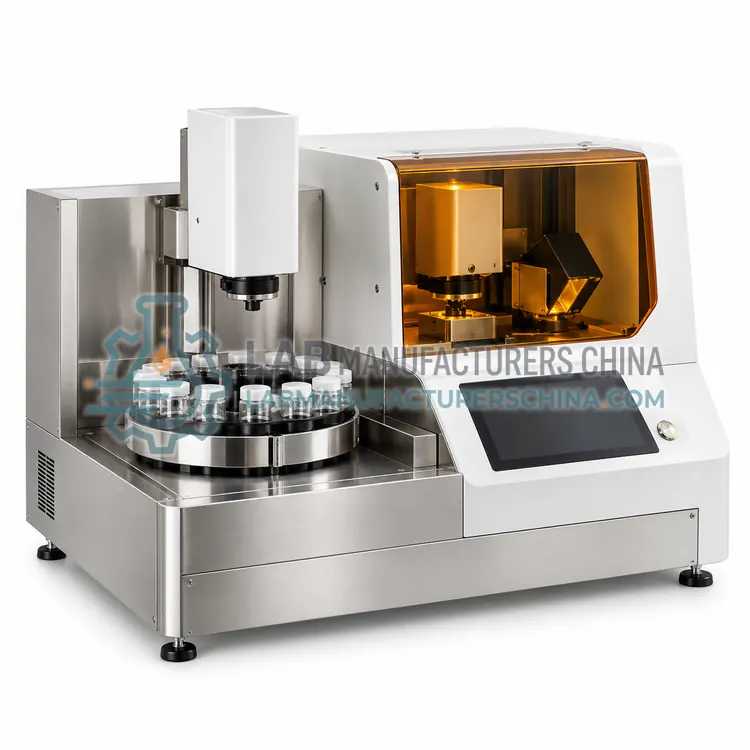
Texture analysis measures the mechanical properties of food that consumers perceive as firmness, chewiness, crispness, adhesiveness and elasticity. It covers texture profile analysers, penetrometers, gel strength testers, dough testing instruments and rotational rheometers used in food development and quality control.
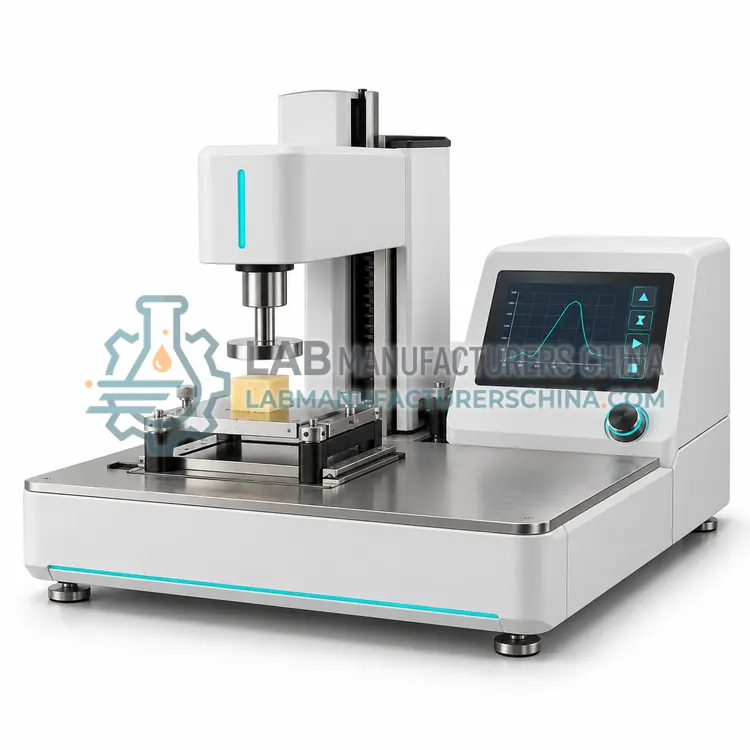
What are Food Testing Equipment?
Food testing covers the analytical and microbiological methods used to verify that food and beverages meet composition, safety and quality requirements. Composition analysis measures moisture, fat, protein, fibre, carbohydrates, ash and specific nutrients such as vitamins. Food safety analysis targets additives, preservatives, allergens, pesticide residues and process contaminants. Microbiological testing detects pathogens, spoilage organisms and hygiene indicators. Contaminant analysis quantifies heavy metals, mycotoxins, veterinary drug residues and packaging migrants. Texture analysis characterises hardness, chewiness, adhesiveness and other mechanical properties that consumers perceive. Together these methods support incoming-material inspection, in-process control, finished-product release, shelf-life studies and regulatory compliance.
How do Food Testing Equipment work?
Composition analysis uses reference chemistry: solvent or Soxhlet extraction for fat, Kjeldahl or Dumas combustion for protein, enzymatic or gravimetric methods for fibre, and oven or infrared drying for moisture. Near-infrared and mid-infrared spectroscopy gives rapid, calibration-based results for the same parameters. Safety and contaminant analysis use chromatographic separation with UV, fluorescence or mass-spectrometric detection, immunoassay kits for rapid screening, and atomic techniques such as ICP-MS for elemental contaminants. Microbiological methods culture organisms on selective media, count colonies, or use molecular and immunological techniques for faster identification. Texture analysers apply controlled compression, penetration or tension to a sample and record the force-distance curve.
Where are Food Testing Equipment used?
Food testing supports the whole supply chain. Manufacturers test raw materials against purchase specifications, monitor process parameters and release finished batches. Quality laboratories verify nutritional labelling claims and check that additives stay within legal limits. Shelf-life and stability studies track moisture, texture and microbial load over storage. Import and export inspection bodies test for pesticide residues, mycotoxins and illegal additives. Retail and catering groups run hygiene and allergen checks. Research and product-development teams use the same instruments to benchmark recipes, optimise formulations and compare products during sensory and textural studies.
Which standards apply to Food Testing Equipment?
Common references include AOAC Official Methods of Analysis, ISO 6658 and the ISO 11000 series for analytical and sensory methods, ISO 6579 for Salmonella detection, ISO 4833 for colony counts and ISO 21528 for Enterobacteriaceae. Codex Alimentarius guidance and regional regulations set maximum residue and contaminant limits. Heavy-metal testing follows methods such as EPA 6020 or ISO 17294, and texture measurement uses ISO 11036 or standard ASTM and AACC procedures. Laboratories are typically accredited to ISO/IEC 17025, and quality systems follow ISO 9001 or FSSC 22000. Suppliers may offer CE and ISO 9001 documentation, to be confirmed per model.
How do I select the right food testing equipment?
Start from the parameters you must report and the regulation that governs them. Reference chemistry (Kjeldahl, Soxhlet, gravimetric) is the accuracy benchmark and is needed for referee or accredited work, while NIR analysers give fast, calibration-dependent screening for high sample volumes. Match microbiological methods to the organisms you must detect and to your required turnaround: cultural methods remain the reference, and rapid molecular methods suit time-critical release. For contaminants, choose detection technology according to the limits you must reach, because trace work at parts-per-billion level generally requires mass spectrometry. Compare throughput, automation, consumable costs and service support, and request validation data for your specific matrices.
Food Testing Equipment comparison
| Subcategory | Principle | Typical use | Key spec |
|---|---|---|---|
| Food Composition Analysis | Reference chemistry and infrared spectroscopy for nutrients | Nutrition labelling, raw-material and batch verification | Moisture 0.01 percent resolution, protein by Kjeldahl or Dumas |
| Food Safety Analysis | Chromatography, immunoassay and PCR for additives and allergens | Additive limits, allergen control and residue screening | Detection limits 0.01–10 mg/kg depending on analyte |
| Microbiology Testing | Culture, colony counting and rapid molecular identification | Pathogen, spoilage and hygiene monitoring in food plants | Incubation 20–60 °C, detection limit 1 CFU per sample |
| Contaminant Analysis | ICP-MS, LC-MS/MS and GC-MS/MS for trace residues | Heavy metals, mycotoxins, veterinary drugs and migrants | ppb-level detection, quantification 10–100 µg/kg |
| Texture Analysis | Controlled compression, cutting or tension with force recording | Hardness, chewiness and adhesiveness of solid and semi-solid foods | Force 0–500 N, test speed 0.1–40 mm/s |
Frequently asked questions about Food Testing Equipment
It measures composition such as moisture, fat, protein and fibre; safety parameters such as additives and allergens; microbiological load; contaminants such as heavy metals and mycotoxins; and textural properties such as hardness and chewiness.
Reference methods include Kjeldahl or Dumas for protein, Soxhlet or solvent extraction for fat, enzymatic-gravimetric procedures for fibre and oven drying for moisture. Near-infrared and mid-infrared analysers offer rapid alternatives after calibration against those methods.
Culture-based methods enrich the sample and isolate colonies on selective media, while PCR and immunoassay methods detect specific organisms or antigens much faster. Confirmatory identification may use biochemical tests, serology or sequencing.
Texture affects consumer acceptance and processing behavior. Instruments record force during compression, cutting or penetration, giving objective values for hardness, springiness, cohesiveness and chewiness that support specification setting and batch consistency.
Most commercial and regulatory food laboratories seek ISO/IEC 17025 accreditation for the specific test methods they offer. Food safety management systems may additionally follow ISO 22000, FSSC 22000 or retailer standards, which cover hygiene and traceability.
Related categories
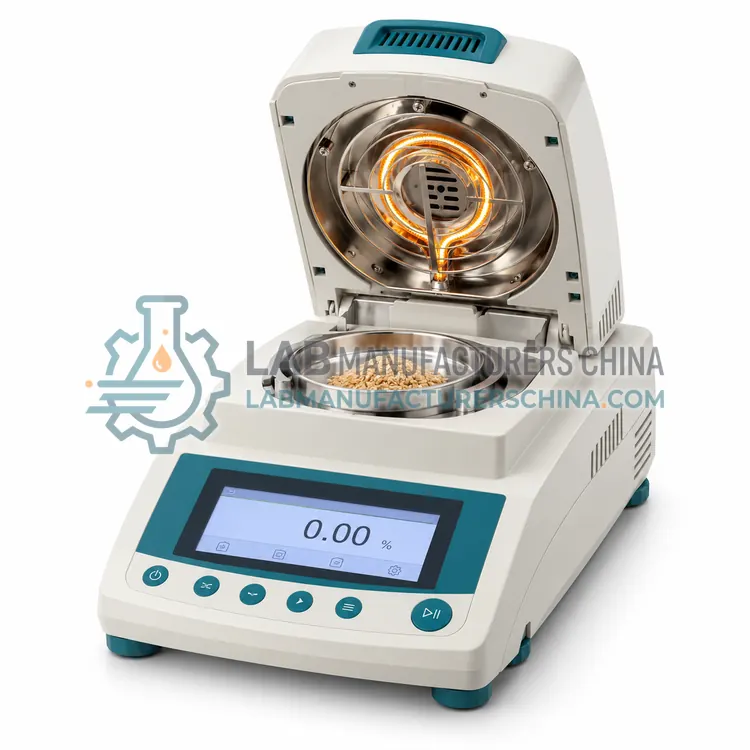 CFAE食品分析设备Food analysis equipment determines the macro-nutrient composition of food and feed: moisture, fat, protein and fibre. The category covers moisture analysers, fat analysers, protein analysers, fibre analysers and Kjeldahl digestion and distillation systems used for nutritional labelling and quality control.
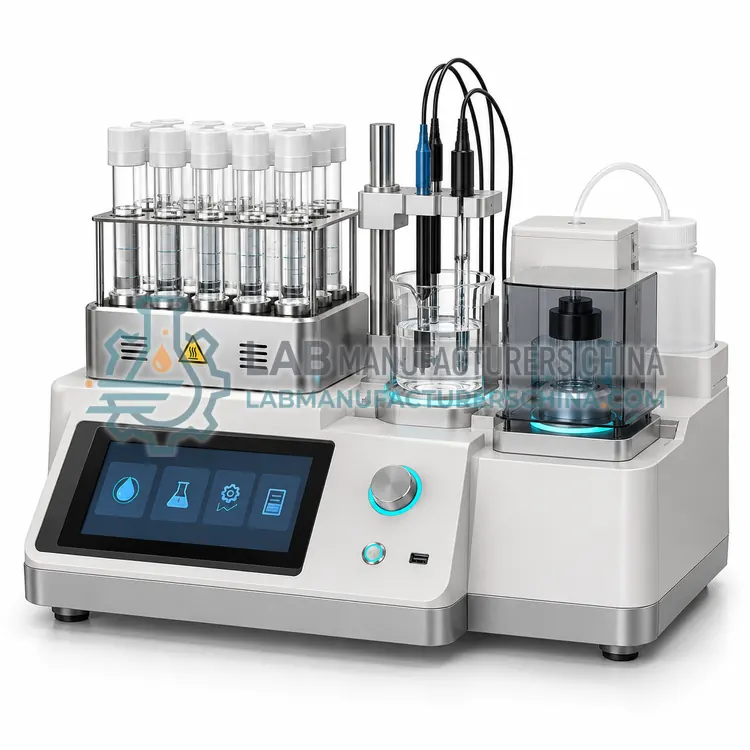 CWTE水质检测设备Water testing equipment measures the physical, chemical and biological quality of drinking water, wastewater, surface water and process water. The category covers multiparameter meters, turbidity meters, COD analysers, BOD analysers and chlorine meters used in treatment plants, utilities and environmental laboratories.
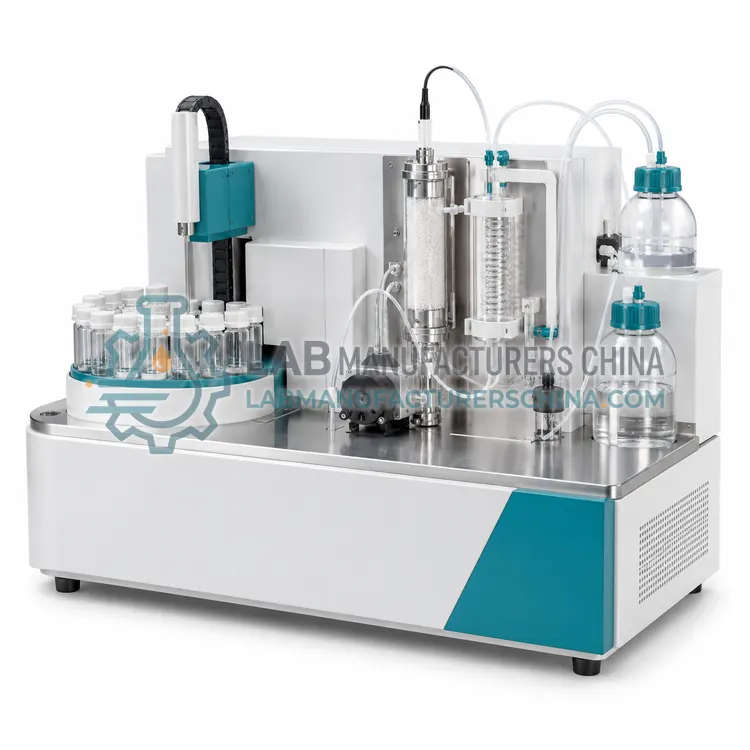 CWAE水质分析设备Water analysis equipment measures the chemical, physical and metal content of drinking water, surface water, wastewater and process water. The category covers TOC analyzers, ion analyzers, water-specific spectrophotometers, multi-parameter water quality analyzers and heavy metal analyzers used by utilities, environmental labs and industrial QC teams.
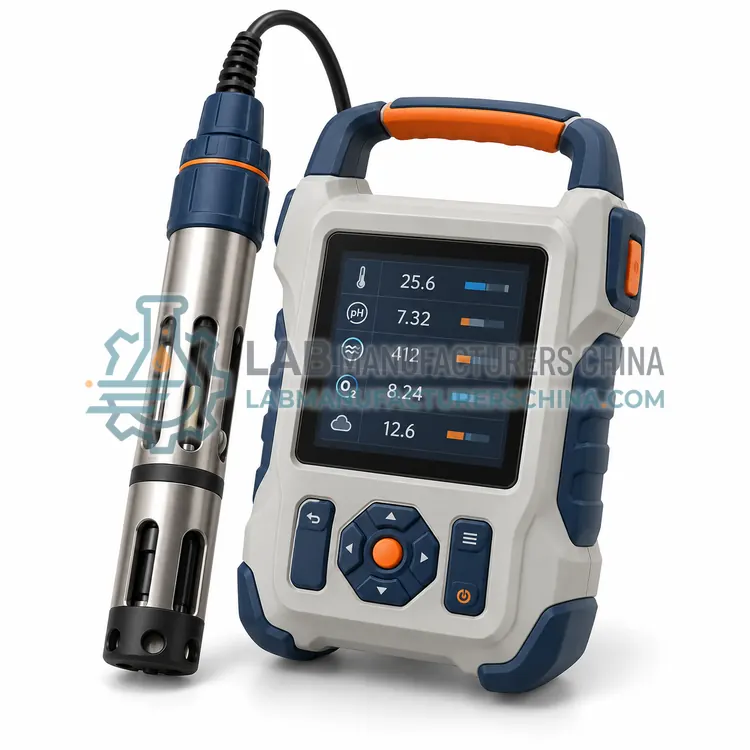 CETE环境检测设备Environmental testing equipment measures and collects samples of water, air, stack emissions, noise and soil or sediment to assess pollution and regulatory compliance. It covers online monitors, portable meters and samplers used by environmental agencies, industrial plants, consultancies and accredited testing laboratories.