
Environmental Testing Equipment
环境检测设备
CETE · Food, Water, Agriculture & Environment · 5 product types · 25 models
By Lab Manufacturers China Technical TeamLast reviewed
What are Environmental Testing Equipment?
Environmental testing equipment measures and collects samples of water, air, stack emissions, noise and soil or sediment to assess pollution and regulatory compliance. It covers online monitors, portable meters and samplers used by environmental agencies, industrial plants, consultancies and accredited testing laboratories.
5 product types in Environmental Testing Equipment
The 5 product types below are grouped by the exact instrument you need.
- WAM5 models
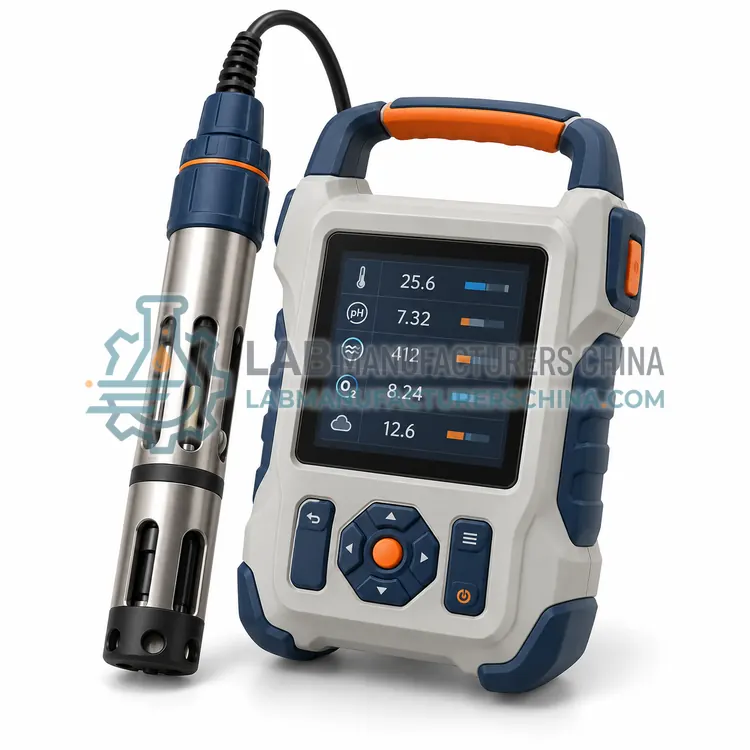
Water Monitoring
水质监测设备
Water monitoring equipment measures the physical, chemical and biological condition of surface water, groundwater, drinking water and effluent, either continuously on site or during field surveys. It is used by environmental agencies, water utilities, treatment plants and industrial dischargers to track quality and demonstrate compliance.
- AIM5 models
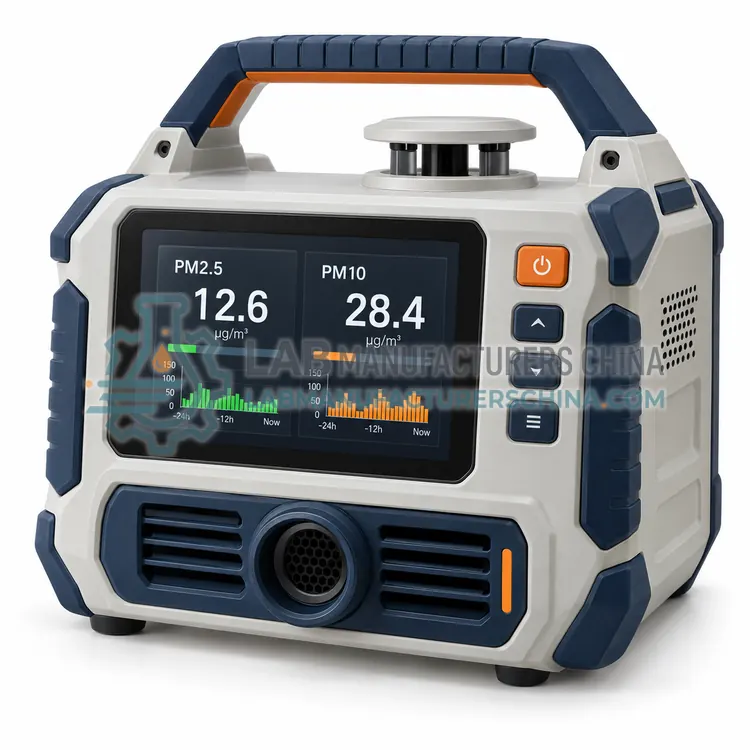
Air Monitoring
空气监测设备
Air monitoring equipment measures pollutants and physical conditions in ambient, indoor and workplace air, including particulate matter, gases and meteorological parameters. It is used by environmental agencies, industrial hygienists, building managers and research groups to assess exposure, compliance and pollution sources.
- EMM5 models
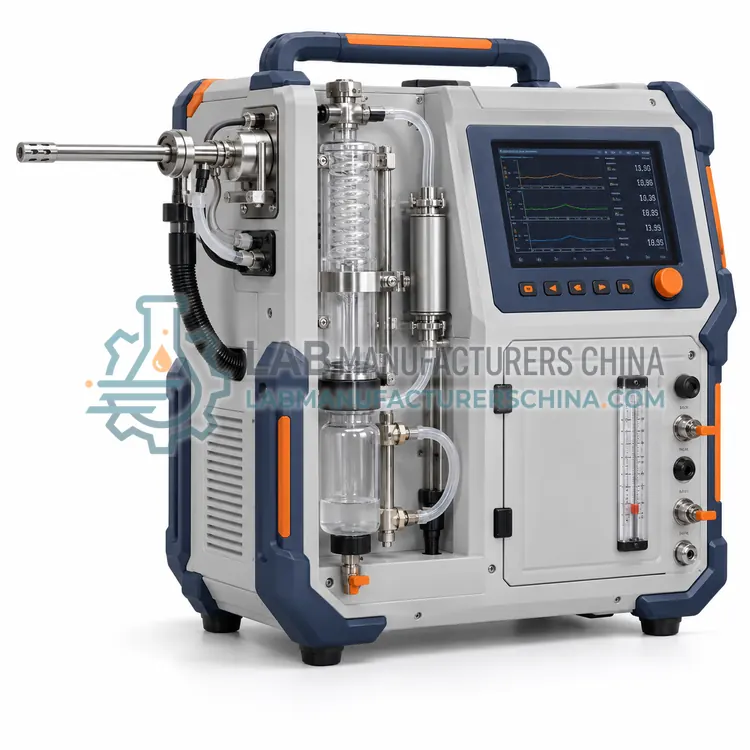
Emission Monitoring
排放监测设备
Emission monitoring equipment measures pollutant concentrations, flow and opacity in stack and duct exhausts from combustion and industrial processes. It is used by power plants, cement works, incinerators, chemical plants and regulators to report emissions, demonstrate permit compliance and control processes.
- NOM5 models
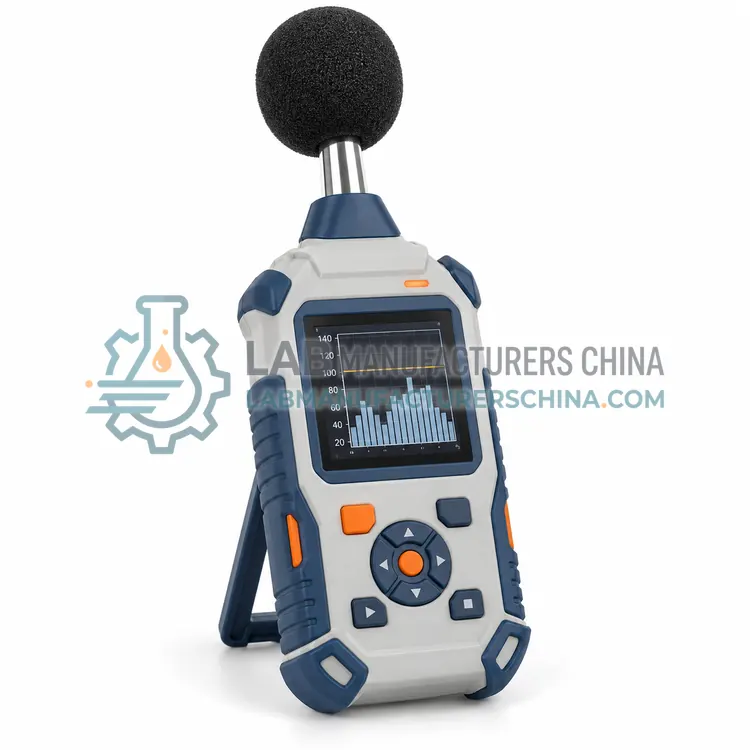
Noise Monitoring
噪声监测设备
Noise monitoring equipment measures sound pressure levels and related acoustic quantities in environmental, occupational and product testing contexts. It includes sound level meters, dosimeters, permanent monitoring terminals and calibrators used by environmental agencies, safety officers, construction managers and acoustic consultants.
- ENS5 models
Environmental Sampling
环境采样设备
Environmental sampling equipment collects representative soil, water, air, sediment and gas samples from the field for laboratory analysis. It includes automatic water samplers, sediment grab and core samplers, low-flow groundwater pumps and passive air samplers used by environmental consultants, regulators and industrial monitoring teams to document contaminant levels and demonstrate compliance.
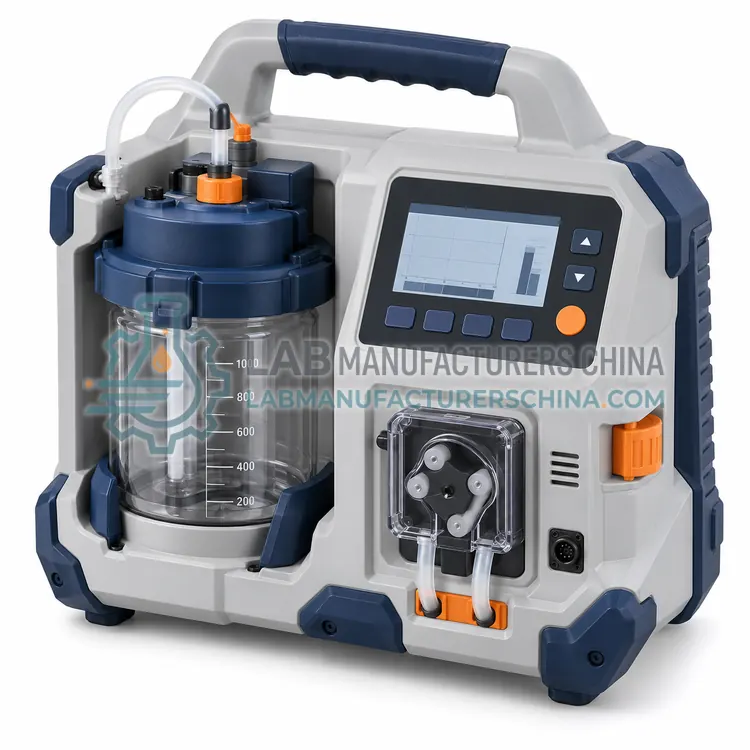
What are Environmental Testing Equipment?
Environmental testing equipment is the group of instruments used to quantify pollutants and physical stressors in the environment and to collect representative samples for laboratory analysis. It includes water monitoring systems that track parameters such as pH, dissolved oxygen, turbidity, COD and ammonia nitrogen, and air monitoring instruments for particulate matter and gases. It also includes continuous emission monitoring systems for stacks, sound level meters and noise monitors for community and workplace assessment, and samplers for water, air, soil and sediment. Equipment ranges from handheld field meters to fixed online stations that transmit data to a central platform. Users include environmental protection bureaus, wastewater treatment plants, power and chemical industries, construction sites, research institutes and third-party testing laboratories that must produce defensible data.
How do Environmental Testing Equipment work?
Environmental instruments convert a physical or chemical property of the medium into an electrical signal. Water sensors use electrochemical cells for pH and dissolved oxygen, optical scattering for turbidity, and photometric or titration methods for COD and nutrients. Air monitors apply beta attenuation, light scattering or tapered element oscillation for particulates, and electrochemical, infrared, ultraviolet fluorescence or chemiluminescence detection for gases. Stack analyzers add heated sampling lines and conditioning to remove moisture and particles before measurement. Sound level meters use a calibrated microphone with frequency weighting and time weighting to report decibel levels. Samplers work by pumping, vacuum, grab or core collection into clean, preserved containers. Data loggers, telemetry and quality-control routines such as zero, span and drift checks complete the system.
Where are Environmental Testing Equipment used?
Environmental testing equipment supports regulatory monitoring of rivers, lakes, drinking water sources and coastal waters, as well as compliance checks on industrial wastewater discharge. Air monitoring networks track PM2.5, PM10, ozone, nitrogen oxides and sulfur dioxide in cities and industrial zones, while stack monitors verify emissions from power plants, cement kilns, incinerators and chemical works. Noise monitors are used at construction sites, airports, roads and factories to assess community and occupational exposure. Samplers collect material for laboratory analysis of metals, organics and microbiology during site investigations, environmental impact assessments and remediation projects. Research institutes use the same tools for climate, ecology and pollution source studies, and accredited laboratories rely on them for accredited third-party reports.
Which standards apply to Environmental Testing Equipment?
Environmental measurements are governed by method standards and performance specifications. Water work follows ISO 5667 for sampling, ISO 7027 for turbidity and ISO 5814 for dissolved oxygen, alongside Chinese HJ and GB methods. Ambient air monitoring references EN 12341 for PM10 and PM2.5, EN 14211 for nitrogen oxides, EN 14212 for sulfur dioxide and ISO 7996. Continuous emission monitoring follows EN 14181 and EN 15267, and US EPA 40 CFR Part 60 and Part 75. Noise instruments comply with IEC 61672-1 and IEC 61672-3. Laboratories usually operate under ISO/IEC 17025, and equipment safety may reference IEC 61010-1.
How do I select the right environmental testing equipment?
Start with the medium and the regulation that applies, because it fixes the method, range and reporting format. Decide between portable and fixed installation: field surveys favor handheld or battery-powered units, while compliance monitoring needs online systems with automatic calibration, data storage and telemetry. Check measurement range and detection limit against the legal limit, aiming for a range where the limit sits in the middle third. Consider sensor maintenance frequency, consumable cost, ingress protection rating such as IP65, operating temperature and power supply, including solar options for remote sites. Confirm that the instrument has documented conformity to the required standard, for example IEC 61672 class 1 for noise or EN 12341 equivalence for particulates, and that software exports data in the format the authority requires.
Environmental Testing Equipment comparison
| Subcategory | Principle | Typical use | Key spec |
|---|---|---|---|
| Water Monitoring | Electrochemical, optical and photometric sensors | Rivers, outfalls and treatment plants | pH 0–14, turbidity 0–1000 NTU |
| Air Monitoring | Light scattering, beta attenuation and gas sensing | Urban and industrial ambient air | PM2.5 0–1000 µg/m³ |
| Emission Monitoring | Extractive or in-situ stack gas analysis | Power, cement and incineration stacks | SO2 0–2000 mg/m³ |
| Noise Monitoring | Calibrated microphone with weighting filters | Community, site and workplace noise | 30–130 dB, IEC 61672 class 1 or 2 |
| Environmental Sampling | Pump, vacuum, grab or core collection | Water, air, soil and sediment sampling | Flow 0.1–100 L/min or depth to 1 m |
Frequently asked questions about Environmental Testing Equipment
It measures pollutants and physical stressors in water, air, stack gas, noise, soil and sediment. Typical parameters include pH, dissolved oxygen, turbidity, COD, particulate matter, gases such as SO2 and NOx, sound level, and sampled concentrations of metals and organics analyzed later in a laboratory.
Online monitors are fixed, run continuously, calibrate automatically and send data to a platform, which suits regulatory compliance. Portable monitors are handheld or battery-powered, used for spot checks, surveys and screening, and usually need manual calibration and manual recording of results.
Common references are EN 14181 for quality assurance of automated measuring systems, EN 15267 for certification, US EPA 40 CFR Part 60 and Part 75, and China HJ 75 and HJ 76. The governing standard depends on the jurisdiction and the permit issued to the plant.
Frequency depends on the parameter and regulation. Electrochemical water sensors are often checked weekly to monthly, gas analyzers receive daily automatic zero and span checks, and sound level meters require a field calibrator check before each survey and periodic laboratory verification, commonly every one to two years.
State the medium, target parameters and ranges, applicable regulation, installation type (portable or fixed), power supply, communication protocol, ingress protection, sampling method and any required conformity documents. Also list expected maintenance capacity and spare parts so the supplier can size consumables correctly.
Related categories
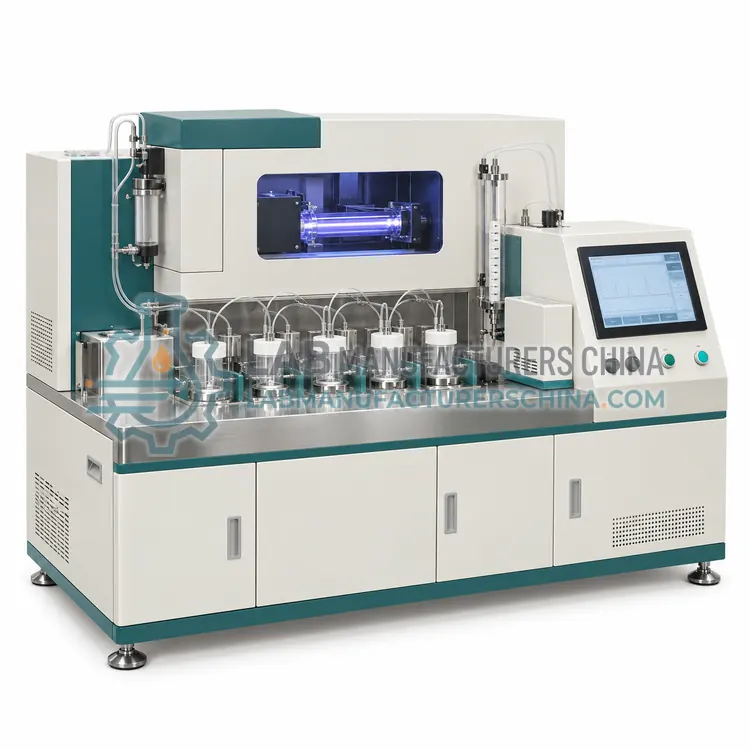 CAQM空气质量监测设备Air quality monitoring equipment measures gases, particulate matter and volatile organic compounds in ambient air and in industrial stacks. It includes gas analyzers, particulate monitors, VOC analyzers, stack gas analyzers and integrated ambient air stations used by environmental agencies, industry and research institutes.
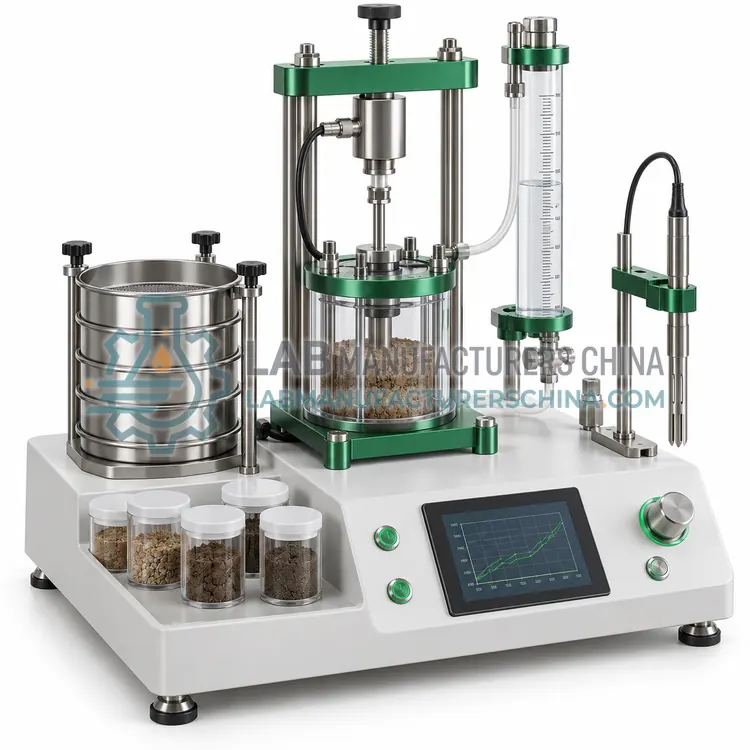 CATE农业检测设备Agricultural testing equipment analyzes grain, crops, plant tissue and fertilizers for quality, composition and nutrient content, and prepares agricultural samples for analysis. It is used by grain traders, feed and fertilizer producers, breeding programs, inspection bodies and agronomy laboratories.
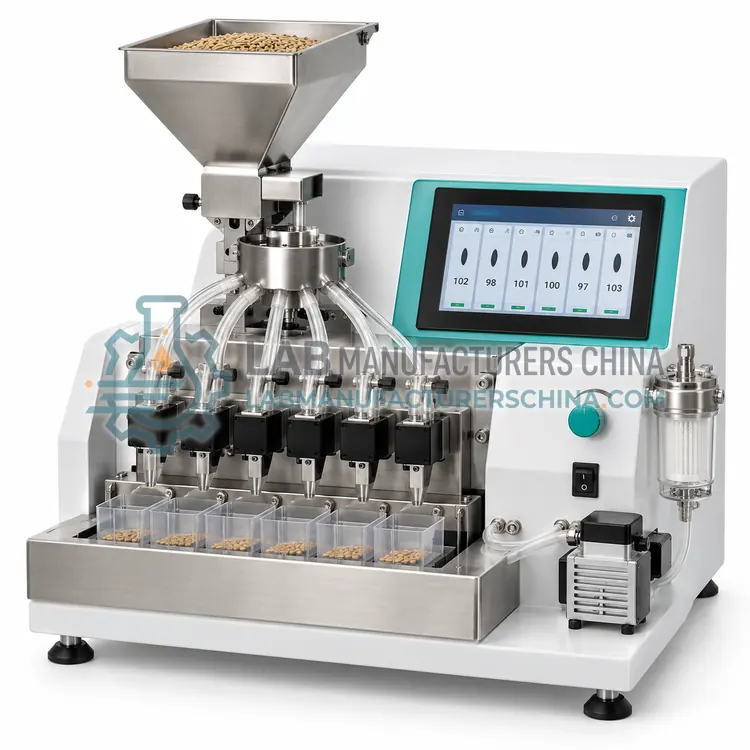 CSTE种子检测设备Seed testing equipment evaluates seed quality, including count, germination, moisture content, physical purity and representative sampling. It is used by seed companies, official seed testing stations, breeders and research institutes that follow ISTA and AOSA rules to certify and trade seed lots.
 CSAE土壤分析设备Soil analysis equipment measures nutrients, pH, moisture and spectral properties of soil and prepares soil samples for laboratory analysis. It is used by agronomists, environmental consultants, agricultural laboratories, research institutes and government soil survey programs.