Lab Manufacturers China

Environmental Sampling

环境采样设备

ENS · Environmental Testing Equipment · 5 models

By Lab Manufacturers China Technical TeamLast reviewed Standards: ISO 5667-1, ISO 5667-3, ISO 18400-101

Standards referenced

  • ISO 5667-1
  • ISO 5667-3
  • ISO 18400-101
  • ASTM D6907
  • US EPA Method 1669
  • EN ISO 16017-1

What are Environmental Sampling?

Environmental sampling equipment collects representative soil, water, air, sediment and gas samples from the field for laboratory analysis. It includes automatic water samplers, sediment grab and core samplers, low-flow groundwater pumps and passive air samplers used by environmental consultants, regulators and industrial monitoring teams to document contaminant levels and demonstrate compliance.

5 models of Environmental Sampling

The 5 models below are current configurations; specifications are confirmed on quotation.

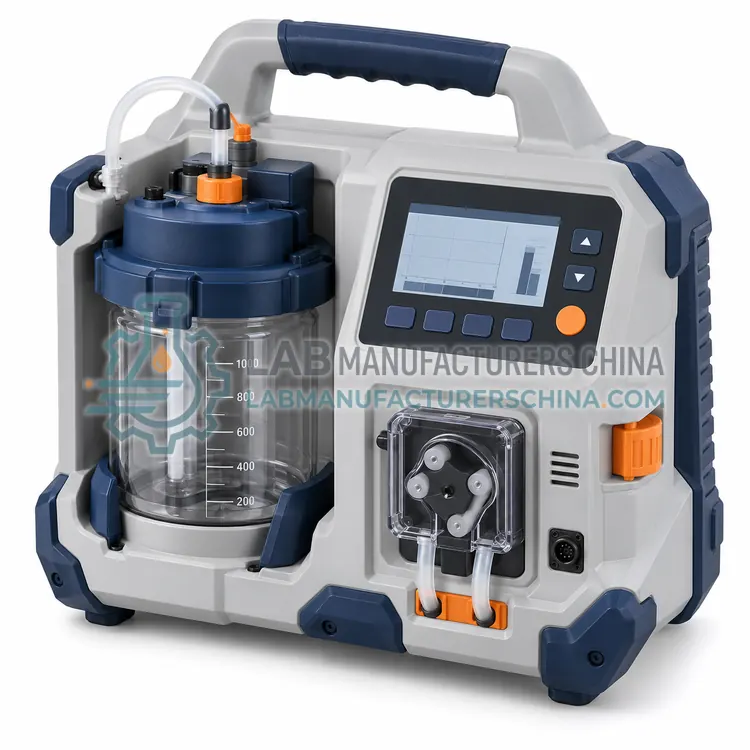
Portable Automatic Water Sampler

便携式自动水质采样器

  • ENS-0001
  • Environmental Sampling
  • CE (to be confirmed)
  • RoHS (to be confirmed)
  • ISO 9001 manufacturing (to be confirmed)
Bottle configuration:
1 × 10 L or 24 × 1 L
Sample volume:
10–1000 mL, programmable
Suction lift:
Up to 7 m
Pump type:
Peristaltic with spring-loaded rollers
Intake velocity:
≥ 0.3 m/s at 3 m lift
Sample cooling:
0–4 °C, compressor

A battery-powered field sampler that pumps water into single or multiple bottles on a programmable time, flow or event schedule. It is the right choice for wastewater, stormwater and river monitoring where a representative composite must be collected without an operator present.

Request a quote
View details

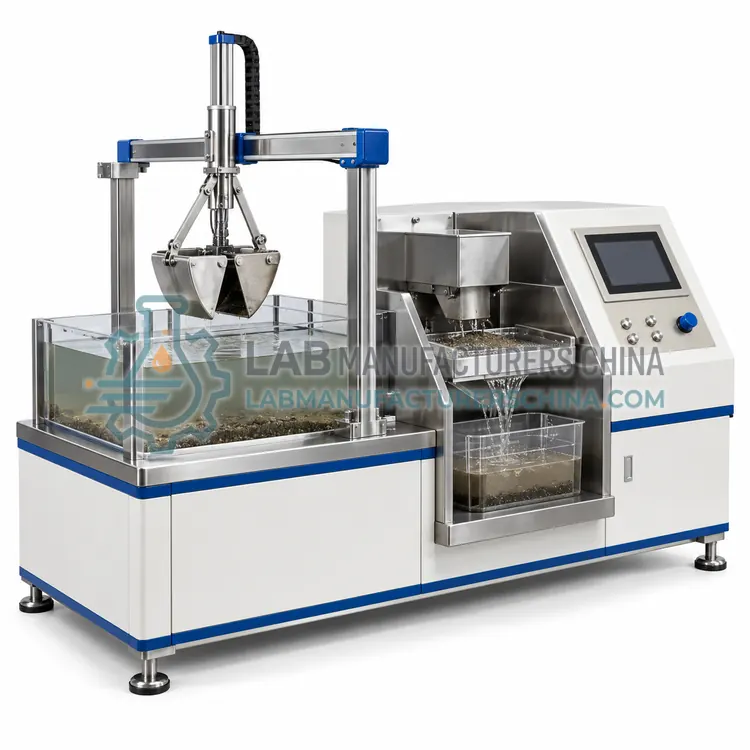
Sediment Grab Sampler

沉积物抓斗采样器

  • ENS-0002
  • Environmental Sampling
  • CE (to be confirmed)
  • ISO 9001 manufacturing (to be confirmed)
Sampler type:
Van Veen / Ponar clamshell
Sample area:
0.02–0.1 m²
Sampler mass:
5–15 kg, weights optional
Maximum depth:
50 m (handline), 200 m (winch)
Body material:
304 stainless steel or PVC-coated
Typical penetration:
5–15 cm in soft sediment

A heavy clamshell tool that is lowered to the bed and closes to recover the top few centimetres of sediment. It is the right choice for surface sediment quality surveys in rivers, lakes and harbours where the biologically active layer matters most.

Request a quote
View details

Soil and Sediment Core Sampler

土壤和沉积物柱状采样器

  • ENS-0003
  • Environmental Sampling
  • CE (to be confirmed)
  • ISO 9001 manufacturing (to be confirmed)
Core diameter:
5–10 cm
Core length:
30–150 cm per section
Sampling depth:
0.5–3 m (hand), up to 6 m (vibracore)
Liner material:
PVC, polycarbonate or stainless steel
Cutting shoe:
Hardened steel or stainless, replaceable
Sub-sampling interval:
1–5 cm

A hollow tube system that is pushed or driven into soil or sediment to recover an undisturbed vertical column. It is the right choice for layered profiles, depth-resolved metals and dating studies where the sequence must be preserved.

Request a quote
View details

Low-Flow Groundwater Sampling Pump

低流量地下水采样泵

  • ENS-0004
  • Environmental Sampling
  • CE (to be confirmed)
  • RoHS (to be confirmed)
  • ISO 9001 manufacturing (to be confirmed)
Flow rate:
0.1–1.0 L/min, adjustable
Pump type:
Bladder, helical rotor or peristaltic
Maximum lift:
Up to 60 m (submersible)
Well diameter:
≥ 50 mm
Tubing material:
PTFE or low-density polyethylene
Purge rate:
0.1–0.5 L/min (low-flow)

A small submersible or peristaltic pump that draws groundwater slowly to minimise turbidity and aeration. It is the right choice for monitoring wells where dissolved metals, volatiles or water quality parameters must reflect ambient conditions.

Request a quote
View details

Passive Air Sampler

被动式空气采样器

  • ENS-0005
  • Environmental Sampling
  • CE (to be confirmed)
  • RoHS (to be confirmed)
  • ISO 9001 manufacturing (to be confirmed)
Sampler format:
Badge or sorbent tube
Sorbent media:
Activated charcoal, Tenax TA, silica gel
Target compounds:
VOCs, formaldehyde, ammonia, ozone, SO2
Exposure duration:
8 hours to 28 days
Sampling rate:
0.5–50 mL/min (analyte dependent)
Detection limit:
Low µg/m³ for 7-day exposure

A small badge or tube that collects airborne gases and vapours by diffusion into a sorbent, without a pump. It is the right choice for long-term average exposure surveys and screening across many sites at low cost.

Request a quote
View details

Compare Environmental Sampling models

ModelSample volumePump typePower supplyDeploymentOperating temperature
Portable Automatic Water SamplerENS-000110–1000 mL, programmablePeristaltic with spring-loaded rollers12 VDC rechargeable battery, 10–24 Ah——
Sediment Grab SamplerENS-00022–10 L——Rope or winch0–40 °C
Soil and Sediment Core SamplerENS-0003———Hand, slide hammer or vibracore0–40 °C
Low-Flow Groundwater Sampling PumpENS-0004—Bladder, helical rotor or peristaltic12 VDC controller or battery—0–40 °C
Passive Air SamplerENS-0005————−10 to 40 °C

Indicative values for this product class. Final specifications are confirmed on the quotation and in the calibration documents supplied with the instrument.

How do Environmental Sampling work?

Environmental sampling equipment captures a volume of the target medium under controlled conditions so that the laboratory result represents the site. Automatic water samplers use a peristaltic or vacuum pump to draw a fixed volume into bottles on a time or flow-proportional schedule, with pre-rinse cycles to limit cross-contamination and refrigeration or ice to preserve samples. Sediment grab samplers close spring-loaded jaws when lowered onto the bed, while core samplers drive a lined tube to recover an undisturbed vertical profile. Low-flow groundwater pumps use bladder or helical rotors to lift water at 0.1–0.5 L/min, reducing turbidity and volatilization. Passive air samplers rely on diffusion or permeation into a sorbent, integrating exposure over days to weeks. Containers, tubing and sorbents are chosen so analytes do not adsorb, leach or degrade before analysis.

Which Environmental Sampling variants are available?

  • Portable Automatic Water Sampler — A battery-powered field sampler that pumps water into single or multiple bottles on a programmable time, flow or event schedule.
  • Sediment Grab Sampler — A heavy clamshell tool that is lowered to the bed and closes to recover the top few centimetres of sediment.
  • Soil and Sediment Core Sampler — A hollow tube system that is pushed or driven into soil or sediment to recover an undisturbed vertical column.
  • Low-Flow Groundwater Sampling Pump — A small submersible or peristaltic pump that draws groundwater slowly to minimise turbidity and aeration.
  • Passive Air Sampler — A small badge or tube that collects airborne gases and vapours by diffusion into a sorbent, without a pump.

How do I choose the right variant?

Start from the matrix and the analytical method, because these decide the container, preservation and allowable holding time. For flowing water and effluent, choose between grab samples and automatic samplers that can composite over time or flow. For sediments and soils, decide whether a surface grab or an undisturbed core is required, and match the sampler material to the target analytes so metals do not leach from brass or alloy components. For groundwater, low-flow sampling gives lower turbidity and more reproducible metals results than bailers. For air, select active sorbent tubes when short-term concentrations are needed and passive samplers when long-term averages are sufficient. Confirm decontamination procedures, blank requirements and the number of duplicates before specifying.

Where are Environmental Sampling used?

Environmental Sampling are specified in contaminated site investigation, surface water and effluent monitoring, groundwater compliance monitoring, ambient and indoor air surveys and sediment quality assessment.

Which standards and certifications apply?

Work with Environmental Sampling is commonly governed by ISO 5667-1, ISO 5667-3, ISO 18400-101, ASTM D6907, US EPA Method 1669 and EN ISO 16017-1. Instrument certifications such as CE marking are confirmed per configuration and never assumed.

What are the key considerations before purchase?

Plan a sampling and analysis plan that defines locations, depths, frequencies, preservation and chain-of-custody. Clean and decontaminate reusable equipment between stations using procedures free of the target analytes, and collect field blanks, trip blanks and duplicates. Transport samples in coolers with ice at 0–4 °C and ship within the method holding time. Calibrate pumps and flow meters before each campaign and record volumes for flow-proportional composites. For regulatory work, follow the applicable guidance and keep records for audit. Store tubing and bottles away from solvents and exhaust, and replace worn seals and liners, which are common sources of contamination and leakage.

Frequently asked questions about Environmental Sampling

A grab sample is a single aliquot taken at one time and place, while a composite combines several aliquots over time or flow into one container. Composite sampling is preferred for variable discharges such as wastewater, and grab sampling suits stable conditions or volatile parameters that change during storage.

Need help specifying Environmental Sampling?

Request a quote