How do Water Monitoring work?
Water monitors combine sensors with a controller and communication unit. Electrochemical sensors measure pH by glass electrode potential, conductivity by electrode cell resistance, and dissolved oxygen by optical luminescence quenching or a membrane-covered amperometric cell. Turbidity uses nephelometric scattering of light at 90 degrees, typically at 860 nm per ISO 7027. Ammonia, nitrate and fluoride use ion-selective electrodes, while COD, total phosphorus and total nitrogen analyzers automate digestion and photometric detection, often with UV absorbance at 254 nm as a proxy for organics. Multiparameter sondes integrate several sensors on one cable. Automatic cleaning with wipers or air blasts limits fouling. Data loggers record readings with time stamps, and telemetry sends results over cellular, satellite or radio links to a central platform with alarms.
Which Water Monitoring variants are available?
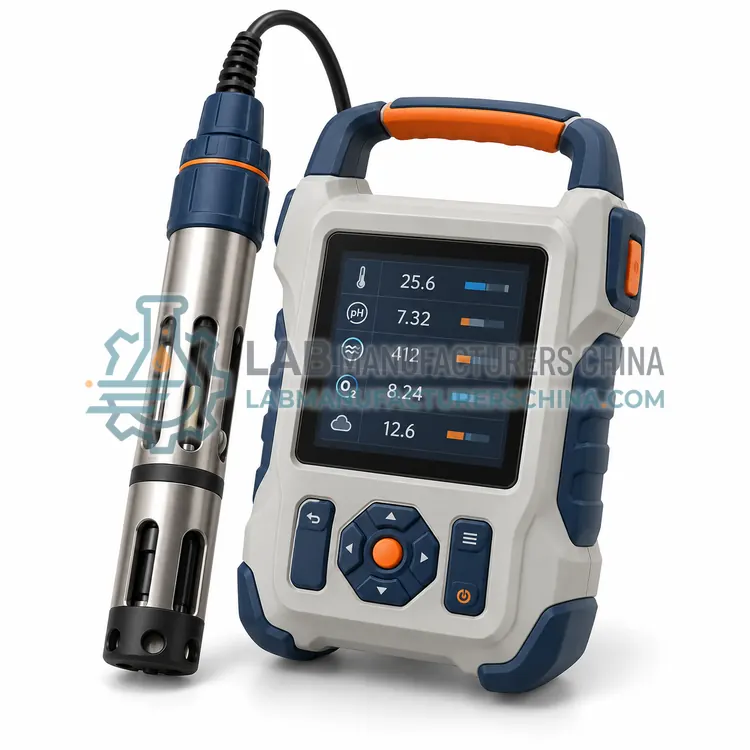
- Multiparameter Water Quality Sonde — A submersible probe that carries several sensors, typically pH, conductivity, dissolved oxygen, turbidity and temperature, on one cable.
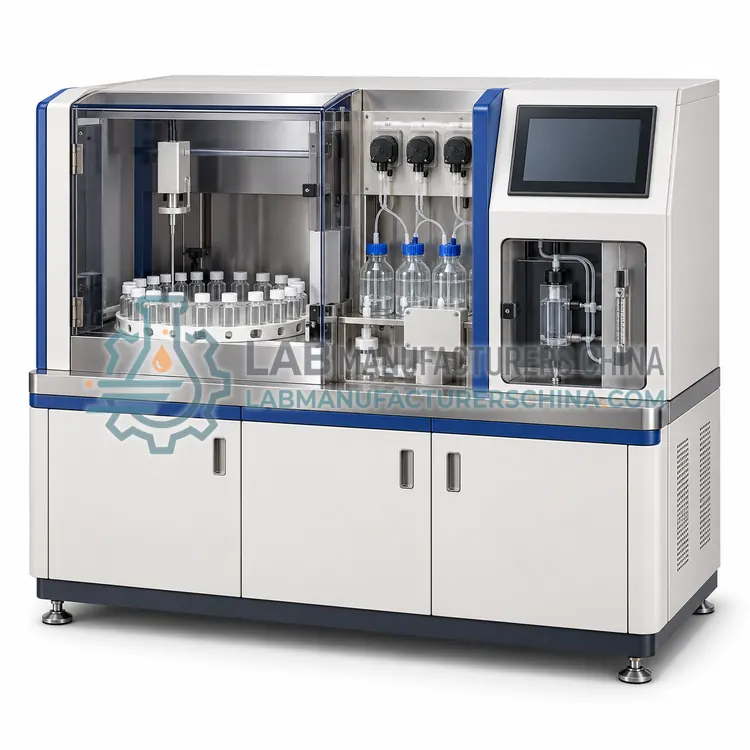
- Online COD and Ammonia Nitrogen Analyzer Station — A cabinet-based system that automatically samples effluent or surface water and measures chemical oxygen demand, ammonia nitrogen and related parameters with reagents.
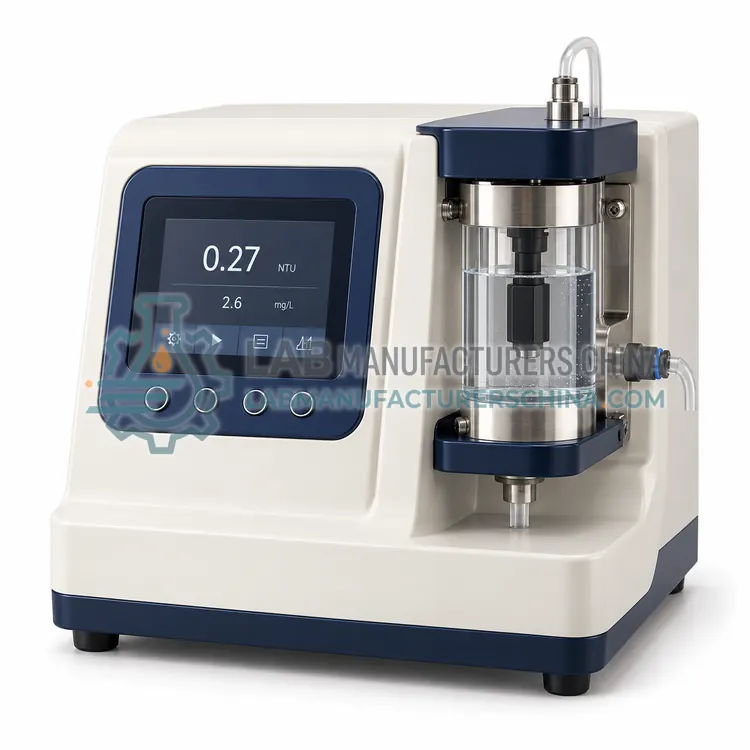
- Online Turbidity and Suspended Solids Monitor — A continuous optical monitor that measures turbidity or suspended solids by light scattering or absorption.
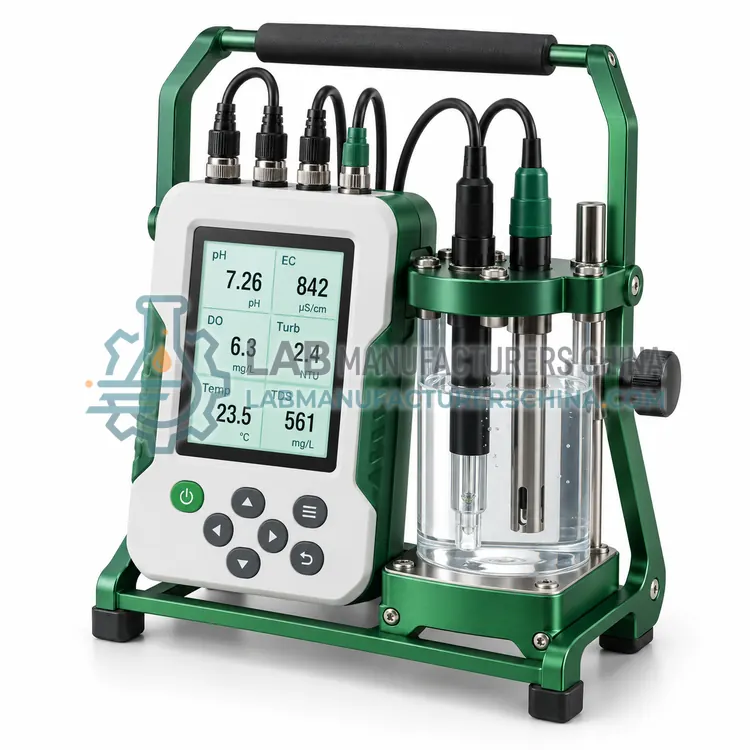
- Portable Handheld Multiparameter Water Meter — A battery-powered handheld meter with interchangeable probes for pH, conductivity, dissolved oxygen and temperature.
- Buoy-Mounted Water Quality Monitoring Station — A floating platform with solar power, sensors and telemetry for autonomous water quality monitoring on lakes, reservoirs and coastal waters.
How do I choose the right variant?
Begin with the parameters required by the permit or the monitoring objective, then the deployment style. Spot checks and river surveys favor handheld meters or multiparameter sondes, while compliance monitoring of effluent needs online analyzers with automatic calibration and sample conditioning. Check measurement range and accuracy against the regulatory limits, for example ammonia nitrogen at 0.05–100 mg/L or COD up to 2000 mg/L. Consider fouling in raw wastewater, which may need ultrasonic or brush cleaning, and sensor life for consumables such as membranes and reagents. For remote locations, evaluate battery or solar power and telemetry. Confirm data protocols and calibration support, and choose IP68 or IP65 enclosures suited to immersion or outdoor cabinets.
Where are Water Monitoring used?
Water Monitoring are specified in surface water and river monitoring, wastewater effluent compliance, drinking water source protection, aquaculture and reservoir management and industrial process water control.
Which standards and certifications apply?
Work with Water Monitoring is commonly governed by ISO 5667-1, ISO 7027-1 (turbidity), ISO 5814 (dissolved oxygen), ISO 10523 (pH), HJ 355, HJ 377 and IEC 61010-1. Instrument certifications such as CE marking are confirmed per configuration and never assumed.
What are the key considerations before purchase?
Install sensors where flow is representative and away from dead zones, and ensure cable glands and enclosures meet the stated ingress protection. Calibrate pH with two or three buffers, dissolved oxygen in air-saturated water or at zero, and turbidity with formazin or polymer standards, following the manufacturer schedule. Cleaning intervals depend on biofouling, from weekly in warm eutrophic water to monthly in clean streams. Replace membranes, electrolytes and reagent cartridges on time, and keep maintenance logs. For regulatory use, validate data against laboratory reference results and apply quality flags. Protect telemetry equipment from lightning and confirm cellular coverage before deployment.