How do Air Monitoring work?
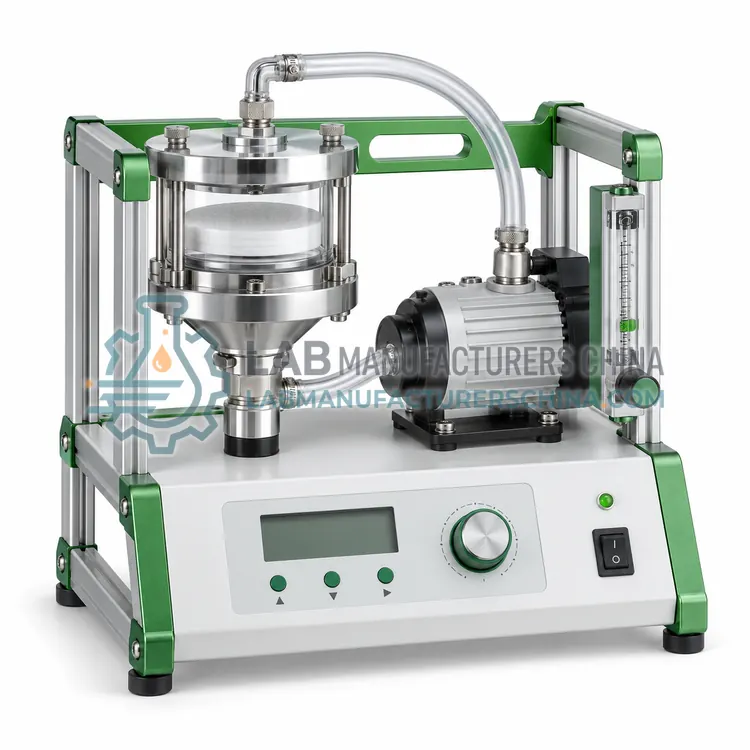
Air monitors sample air through an inlet and quantify target components by physical or chemical sensing. Particulate instruments use laser light scattering, beta ray attenuation or gravimetric collection on filters, often after a size-selective inlet such as a PM2.5 impactor. Gas sensing uses electrochemical cells, metal oxide semiconductors, non-dispersive infrared absorption, photoionization, or ultraviolet and chemiluminescence analyzers for reference-grade measurements. Active samplers draw air at a controlled flow, for example 16.7 L/min for PM filters or 0.1 to 1 L/min for sorbent tubes and impingers, while passive samplers rely on diffusion. Meteorological sensors record wind, temperature, humidity and pressure to interpret results. A controller logs data, applies calibration factors and communicates over wireless networks.
Which Air Monitoring variants are available?
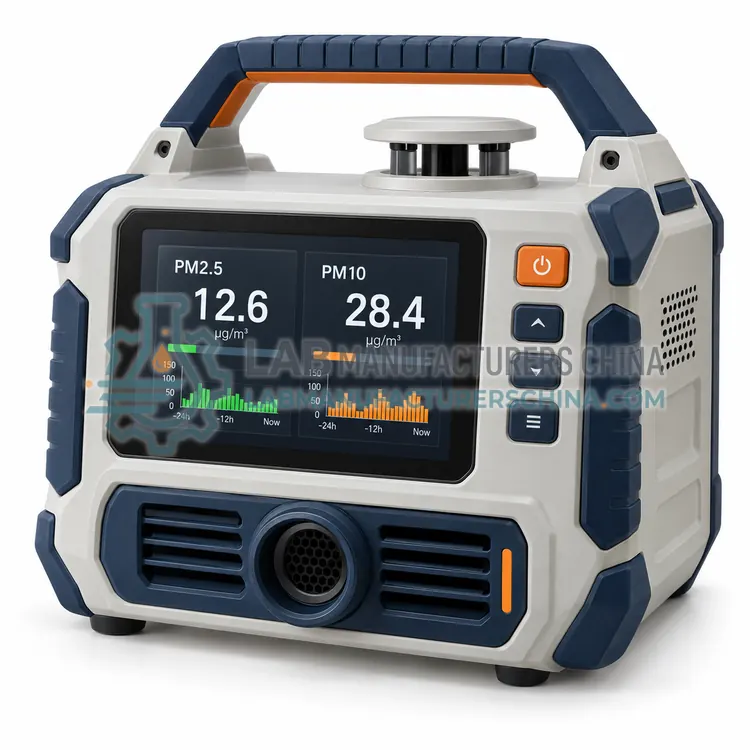
- Laser Scattering PM2.5 and PM10 Air Quality Monitor — A compact monitor that counts particles by laser light scattering and reports PM1, PM2.5 and PM10 mass concentrations in near real time.
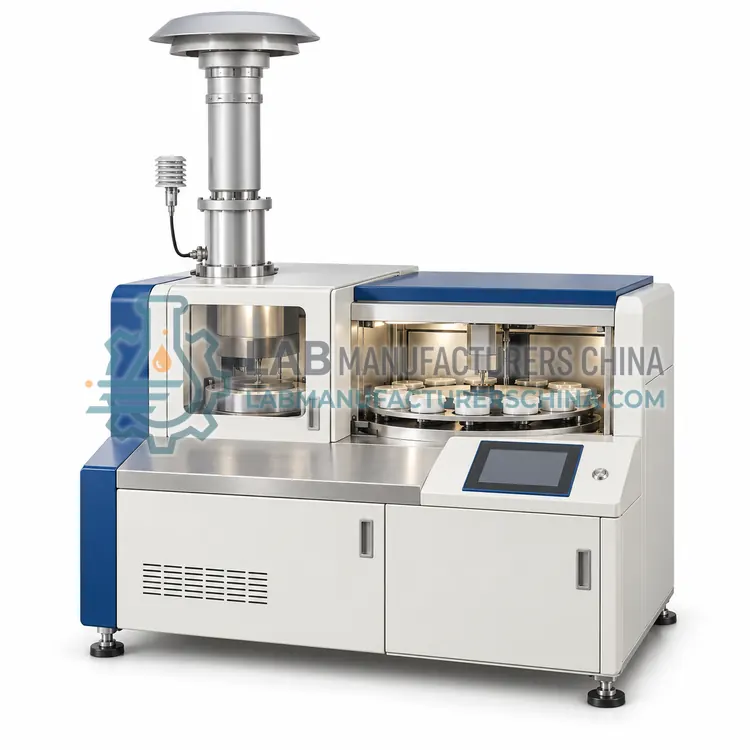
- Beta Attenuation PM10/PM2.5 Ambient Monitor — A reference-grade continuous monitor that determines particulate mass by measuring the attenuation of beta radiation through a filter tape loaded with sampled particles.
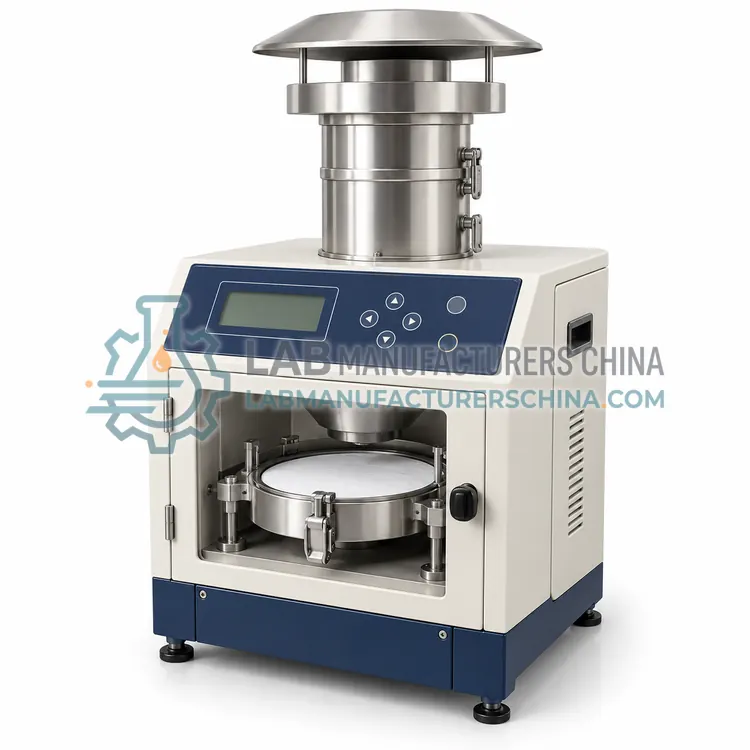
- High-Volume Air Sampler for TSP and PM10 — A pump-driven sampler that draws large volumes of ambient air, typically 1.05 m³/min, through a quartz or glass fiber filter for gravimetric determination of total suspended particulates or PM10.
- Personal Air Sampling Pump for Occupational Exposure — A wearable, battery-powered pump that draws air at a controlled low flow through a filter cassette, sorbent tube or cyclone attached near a worker's breathing zone.
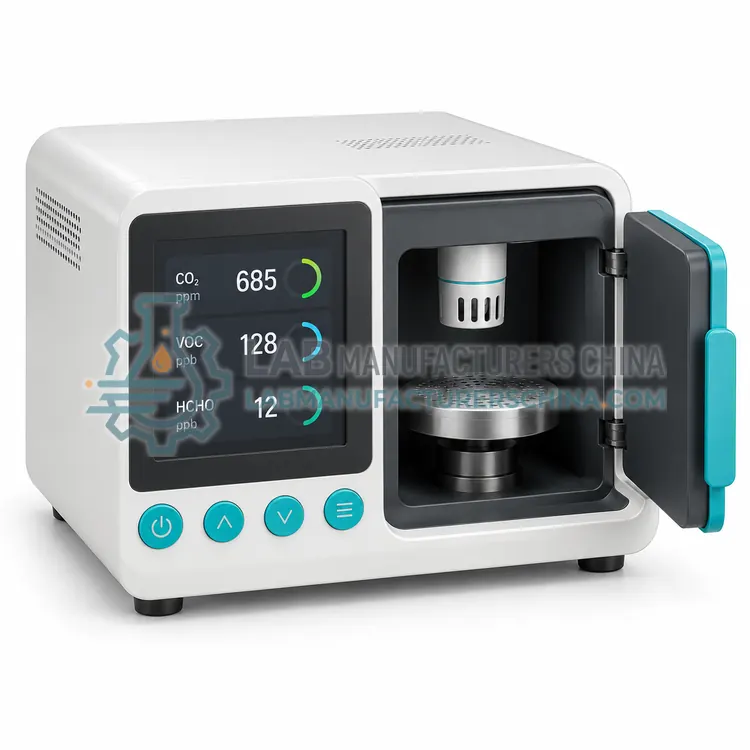
- Indoor Air Quality Monitor for CO2, VOC and Formaldehyde — A handheld or wall-mounted monitor that measures carbon dioxide, total VOC, formaldehyde, particulates, temperature and humidity in occupied spaces.
How do I choose the right variant?
Define the pollutants, the required accuracy and the decision the data supports. Regulatory networks need reference or equivalent analyzers, while screening, mapping and community monitoring can use sensor-based units with periodic collocation. For exposure assessment of workers, personal pumps with sorbent tubes or filters are required. Indoor air quality investigations usually use handheld instruments for CO2, temperature, humidity, VOC and particulates. Check range, detection limit, response time, humidity compensation and operating temperature. Consider calibration effort, consumables, power availability and communication. For mobile surveys, consider battery life, GPS and weight. Confirm that the supplier provides calibration certificates and data formats compatible with your reporting platform.
Where are Air Monitoring used?
Air Monitoring are specified in regional air quality networks, indoor air quality assessment, occupational exposure monitoring, construction dust control and traffic and industrial source studies.
Which standards and certifications apply?
Work with Air Monitoring is commonly governed by EN 12341, EN 14211, EN 14212, EN 14625, EN 14626, ISO 7708, US EPA 40 CFR Part 50 and HJ 653. Instrument certifications such as CE marking are confirmed per configuration and never assumed.
What are the key considerations before purchase?
Site the inlet away from local sources and obstructions, typically 1.5 to 15 m above ground with a clear airflow, following regulatory siting criteria. Use inert sampling lines such as PTFE for reactive gases and keep them short. Calibrate gas analyzers with certified standards and zero air, and verify flow rates on samplers with a traceable flow meter. Replace filters, pump diaphragms and sensor cells on schedule, and protect instruments from condensation and extreme temperatures with shelters or enclosures. Sensor-based devices drift with humidity and temperature, so collocate with a reference periodically. Document all events, because flagged data is required for validation and for any compliance reporting.