
Agricultural Testing Equipment
农业检测设备
CATE · Food, Water, Agriculture & Environment · 5 product types · 25 models
By Lab Manufacturers China Technical TeamLast reviewed
What are Agricultural Testing Equipment?
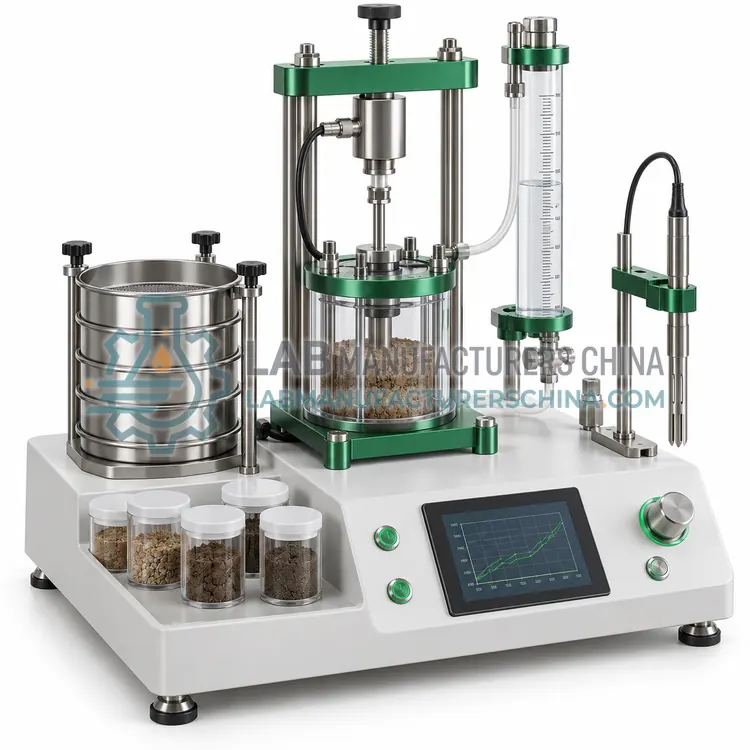
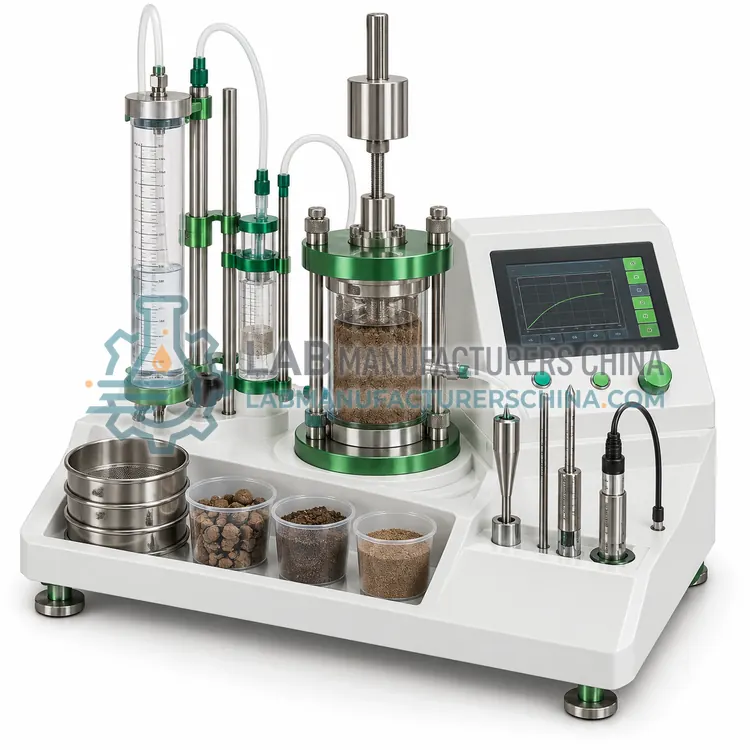
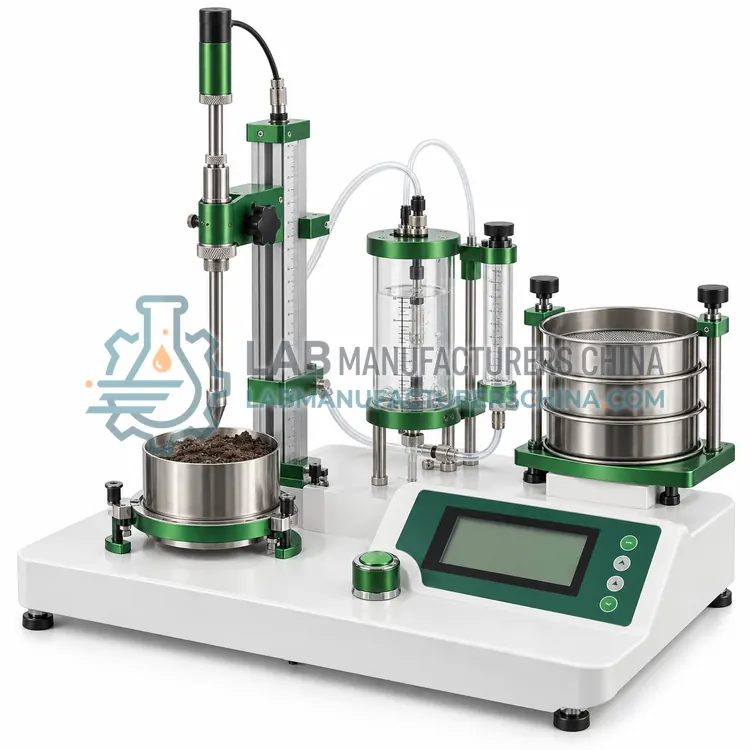
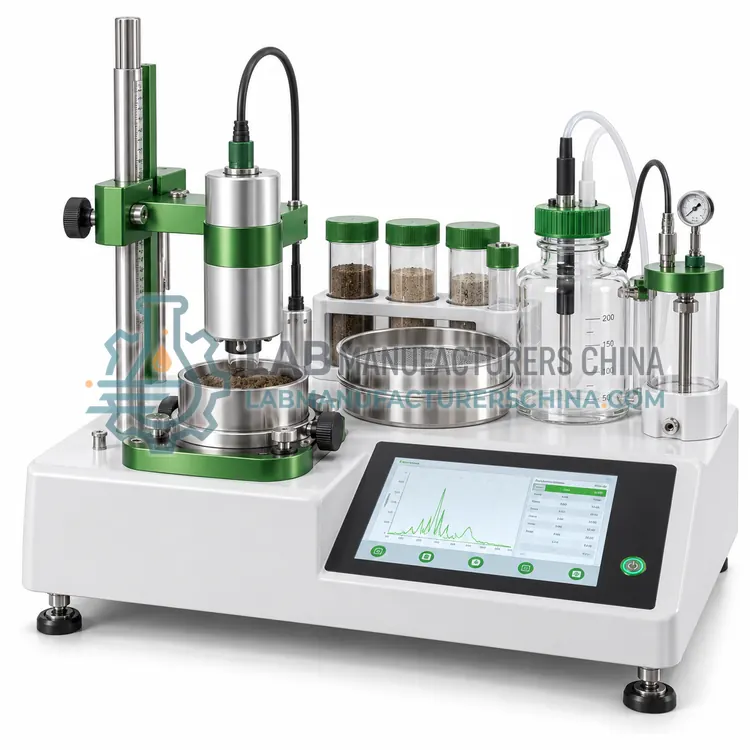
Agricultural testing equipment analyzes grain, crops, plant tissue and fertilizers for quality, composition and nutrient content, and prepares agricultural samples for analysis. It is used by grain traders, feed and fertilizer producers, breeding programs, inspection bodies and agronomy laboratories.
5 product types in Agricultural Testing Equipment
The 5 product types below are grouped by the exact instrument you need.
- GRA5 models
Grain Analysis
谷物分析仪
Grain analysis instruments measure the quality parameters of cereals and oilseeds, including moisture, protein, gluten strength, starch quality and test weight. They are used by grain elevators, flour and feed mills, breeding programs and inspection agencies to grade grain and control processing.
- CRA5 models
Crop Analysis
作物品质分析仪
Crop analysis instruments measure quality attributes of harvested produce and forage, such as firmness, soluble solids, colour, moisture and nutrient composition. They are used by growers, packers, feed producers, breeders and inspectors to grade produce and manage feed value.
- PLN5 models
Plant Analysis
植物分析仪
Plant analysis instruments measure the physiological state of plants, including leaf area, chlorophyll content, photosynthesis rate and canopy structure. They are used by crop physiologists, breeders, agronomists and foresters to diagnose stress, select varieties and optimize management.
- FEA5 models
Fertilizer Analysis
肥料分析仪
Fertilizer analysis instruments determine nutrient content and physical quality of mineral and organic fertilizers, including nitrogen, phosphorus, potassium, moisture and granule strength. They are used by fertilizer producers, blending plants, inspection agencies and agronomy laboratories to control product quality and verify label claims.
- ASP5 models
Agricultural Sample Preparation
农业样品前处理设备
Agricultural sample preparation equipment reduces, grinds, homogenises and divides plant, forage, feed and soil samples so that a small analytical portion represents the whole lot. It is used by agricultural laboratories, breeding programmes and quality control units to prepare samples for nutrient, residue and composition analysis.
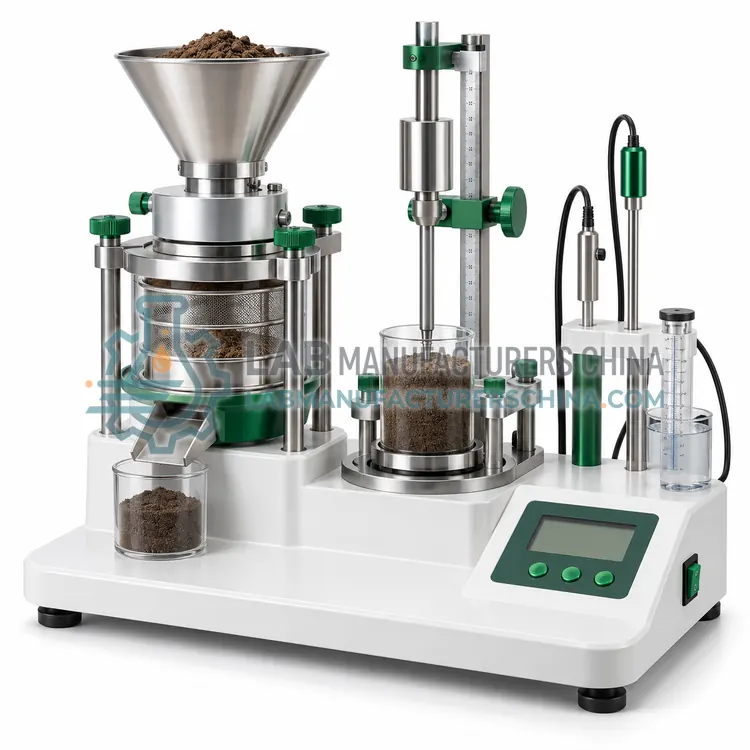
What are Agricultural Testing Equipment?
Agricultural testing equipment covers instruments that determine the quality and composition of agricultural products and inputs. Grain analysis instruments measure moisture, protein, test weight, gluten and impurities. Crop analysis tools assess yield components, fruit firmness, sugar content and maturity. Plant analysis equipment measures chlorophyll, leaf area, photosynthesis and nutrient status. Fertilizer analysis covers nitrogen, phosphorus, potassium, moisture and heavy metals. Sample preparation equipment such as grinders, mills, dryers and dividers prepares representative laboratory samples. Users range from grain elevators and flour mills to seed companies, feed producers, agricultural universities and government quality inspection agencies that enforce grading and labeling rules.
How do Agricultural Testing Equipment work?
Many grain and crop analyzers rely on near-infrared spectroscopy, where absorbance at wavelengths between 700 and 2500 nm correlates with moisture, protein, fat and starch through calibration models. Moisture is also measured by oven drying, halogen heating or capacitance and resistance sensors. Nitrogen and protein reference analysis uses Kjeldahl digestion and distillation or Dumas combustion with thermal conductivity detection. Plant physiology instruments use chlorophyll fluorescence, leaf reflectance or infrared gas exchange. Fertilizer nutrients are determined by titration, flame photometry, spectrophotometry or ICP-OES after digestion. Sample preparation uses cutting, impact or ball milling and riffle dividing to reduce particle size and maintain representativeness. Calibration transfer and reference laboratory validation keep rapid methods accurate.
Where are Agricultural Testing Equipment used?
Grain elevators and flour mills use analyzers to grade incoming lots, blend by protein and set prices by moisture and test weight. Feed producers verify nutrient content and contaminants in raw materials and finished feed. Fertilizer manufacturers check nitrogen, phosphate and potash content against label claims, and inspection agencies verify compliance with product standards. Agronomists and breeders measure plant health, chlorophyll and canopy traits to select varieties and guide nitrogen management. Fruit and vegetable packers sort by sugar, firmness and color. Agricultural research institutes use sample preparation systems and reference analyzers to prepare large sample sets for trials, soil-plant studies and food safety surveillance.
Which standards apply to Agricultural Testing Equipment?
Standardized methods underpin trade and regulatory use. Grain moisture follows ISO 712 and ISO 6540, protein by Kjeldahl follows ISO 1871 and by Dumas ISO 16634-2, and near-infrared methods reference ISO 12099 and AACC 39-00. Test weight uses ISO 7971-3. Fertilizer analysis references EN 15475, EN 15476, EN 15478 and EN 15477 for nitrogen, phosphorus and potassium fractions, and AOAC official methods. Chinese grain standards include GB 5009.3 for moisture and GB 5009.5 for protein, and fertilizer tests follow GB/T 8572 and GB/T 8573. Laboratories commonly work under ISO/IEC 17025, and instrument electrical safety references IEC 61010-1.
How do I select the right agricultural testing equipment?
Choose according to the commodity and the decision the result supports. For high-throughput receiving, NIR transmittance analyzers give results in seconds without reagents, but they require calibrations for each crop and periodic validation. For regulatory or dispute testing, reference methods such as Kjeldahl, Dumas or oven moisture are needed. Match sample size, measurement range and repeatability to the commodity, for example whole grain versus flour. Check that the calibration library covers your varieties and regions, or that the supplier supports local calibration development. For fertilizer, decide between titration, spectrophotometry and ICP based on the number of elements and required detection limits. Include sample preparation in the plan, since grinding particle size often limits accuracy more than the analyzer itself.
Agricultural Testing Equipment comparison
| Subcategory | Principle | Typical use | Key spec |
|---|---|---|---|
| Grain Analysis | NIR, capacitance and gravimetric methods | Receiving and grading of cereals and oilseeds | Moisture 5–40%, protein 6–20% |
| Crop Analysis | Optical, refractometric and mechanical measurement | Yield, ripeness and produce quality assessment | Brix 0–32%, firmness 0–15 kg/cm² |
| Plant Analysis | Fluorescence, reflectance and gas exchange | Plant physiology and nutrient status research | Chlorophyll index 0–199 SPAD units |
| Fertilizer Analysis | Titration, flame photometry and spectrophotometry | NPK and trace element verification | N 0.1–60%, K 0.1–60% as K2O |
| Agricultural Sample Preparation | Cutting, impact or ball milling and dividing | Preparing representative lab samples | Output particle size 0.2–1 mm |
Frequently asked questions about Agricultural Testing Equipment
It measures moisture, protein, test weight, fat and starch in grain, sugar and firmness in crops, chlorophyll and photosynthesis in plants, and nitrogen, phosphorus, potassium and contaminants in fertilizers. It also includes grinders and mills that prepare samples for those analyses.
With a well-developed calibration, NIR analyzers typically reach protein accuracy near 0.2–0.3 percentage points and moisture accuracy near 0.2–0.3 percentage points versus reference methods. Accuracy depends on calibration coverage, sample presentation and regular validation against Kjeldahl, Dumas or oven results.
Kjeldahl digests the sample in sulfuric acid, distills ammonia and titrates it, taking hours and using hazardous chemicals. Dumas burns the sample at about 900 °C and detects nitrogen gas by thermal conductivity in minutes without corrosive reagents. Both convert nitrogen to protein with a factor.
Results are only as representative as the sample analyzed. Proper dividing and grinding to a uniform particle size, for example below 0.5 mm for NIR or chemical analysis, reduces sampling error and improves repeatability, and poor preparation often causes larger errors than the instrument itself.
European methods EN 15475, EN 15476, EN 15477 and EN 15478 cover nitrogen forms and phosphorus and potassium, while AOAC official methods are widely used in trade. In China, GB/T 8572 and GB/T 8573 describe nitrogen and phosphorus determination, and laboratories are commonly accredited to ISO/IEC 17025.
Related categories
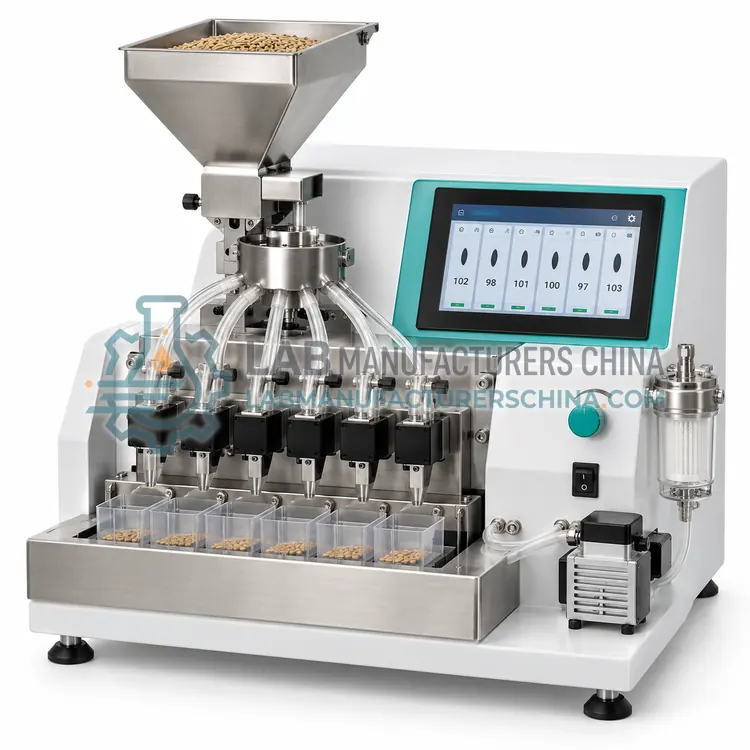 CSTE种子检测设备Seed testing equipment evaluates seed quality, including count, germination, moisture content, physical purity and representative sampling. It is used by seed companies, official seed testing stations, breeders and research institutes that follow ISTA and AOSA rules to certify and trade seed lots.
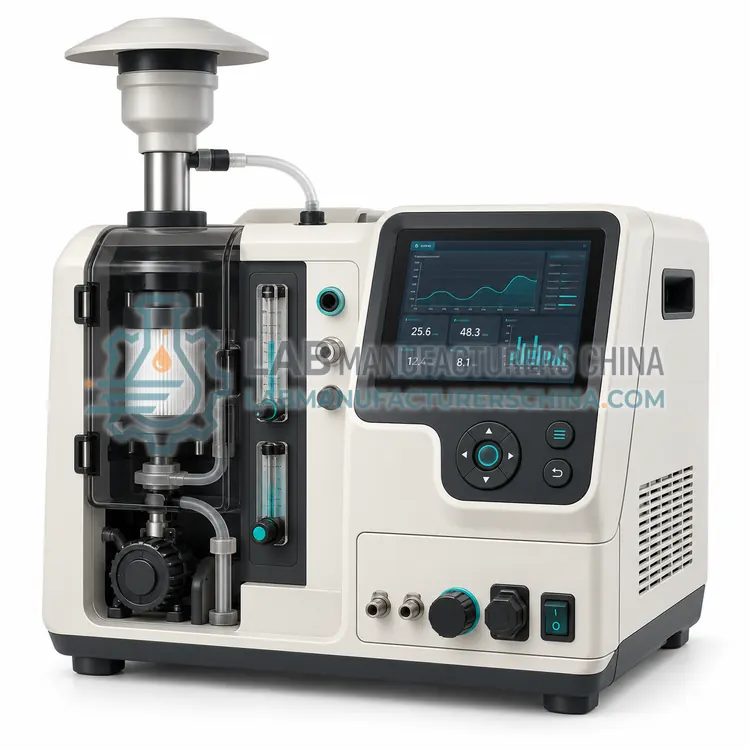 CSAE土壤分析设备Soil analysis equipment measures nutrients, pH, moisture and spectral properties of soil and prepares soil samples for laboratory analysis. It is used by agronomists, environmental consultants, agricultural laboratories, research institutes and government soil survey programs.
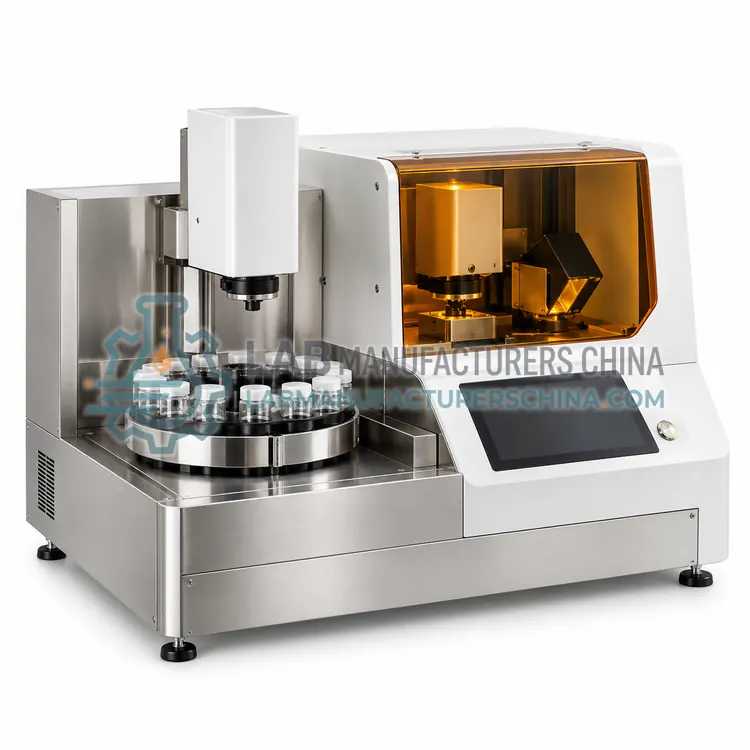 CFTE食品检测设备Food testing equipment measures the composition, safety, microbiology, contaminant levels and texture of food and beverage products. The category covers composition analysis instruments, food safety analysers, microbiology testing systems, contaminant detection platforms and texture analysers used in food quality control and regulatory laboratories.
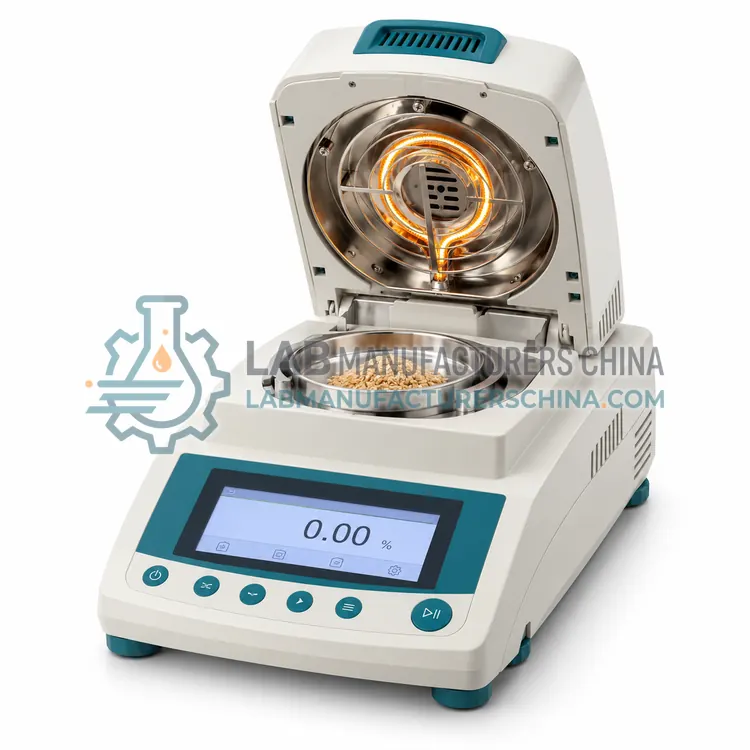 CFAE食品分析设备Food analysis equipment determines the macro-nutrient composition of food and feed: moisture, fat, protein and fibre. The category covers moisture analysers, fat analysers, protein analysers, fibre analysers and Kjeldahl digestion and distillation systems used for nutritional labelling and quality control.