
Water Testing Equipment
水质检测设备
CWTE · Food, Water, Agriculture & Environment · 5 product types · 25 models
By Lab Manufacturers China Technical TeamLast reviewed
What are Water Testing Equipment?
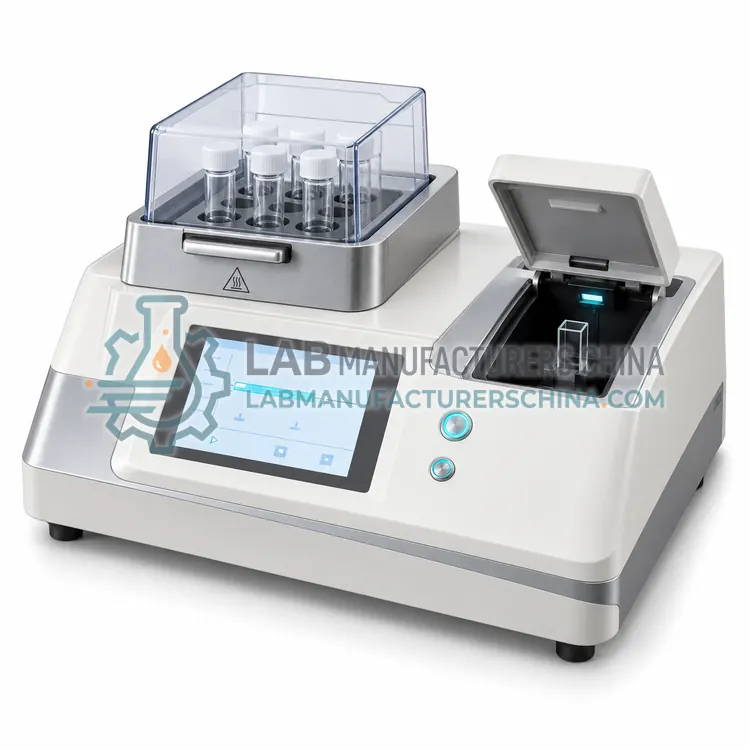
Water testing equipment measures the physical, chemical and biological quality of drinking water, wastewater, surface water and process water. The category covers multiparameter meters, turbidity meters, COD analysers, BOD analysers and chlorine meters used in treatment plants, utilities and environmental laboratories.
5 product types in Water Testing Equipment
The 5 product types below are grouped by the exact instrument you need.
- MUM5 models
Multiparameter Meters
多参数水质分析仪
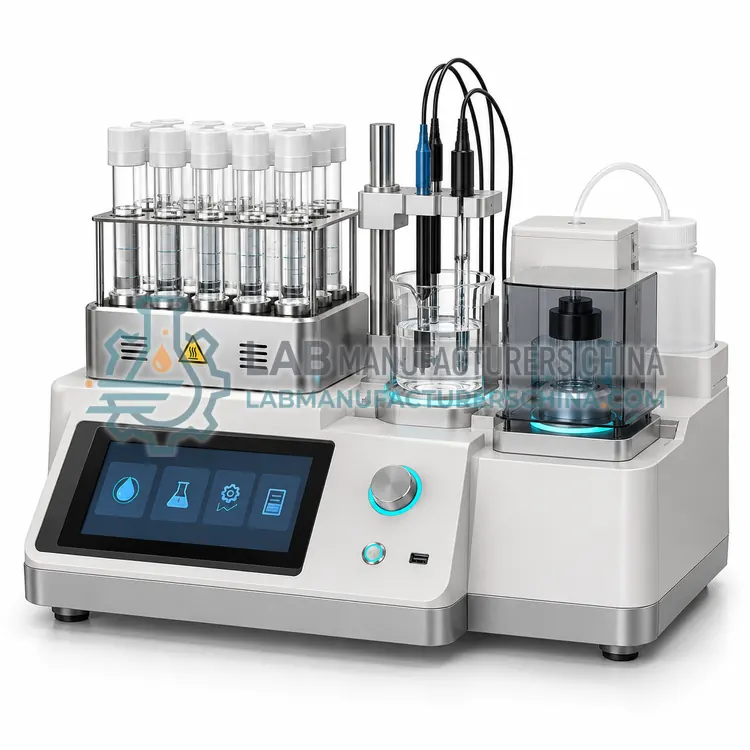
Multiparameter meters measure several water quality parameters with one instrument, typically pH, temperature, conductivity, dissolved oxygen and turbidity. They are used for field surveys, treatment plant control and laboratory compliance testing of drinking water and wastewater.
- TME5 models
Turbidity Meters
浊度计
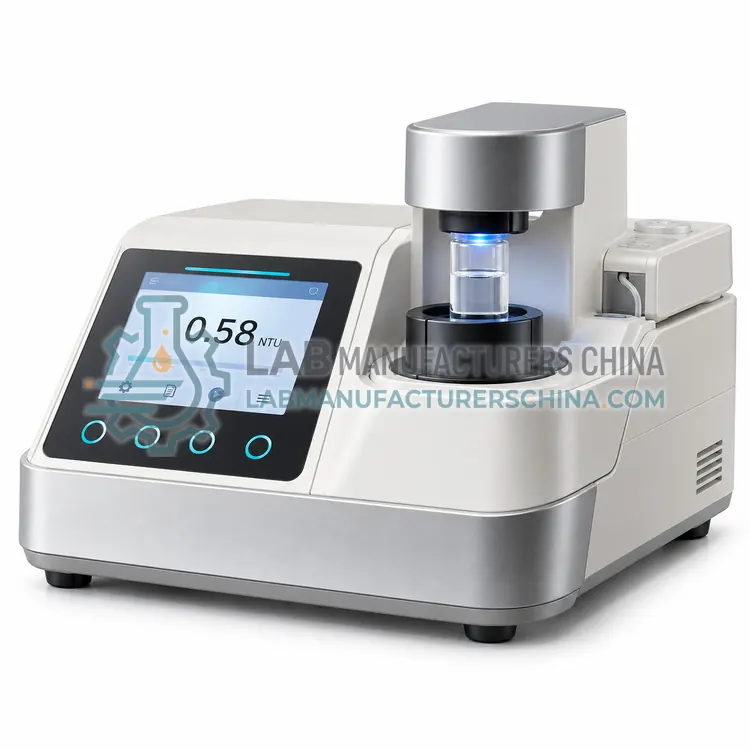
Turbidity meters measure the cloudiness of water from the light scattered by suspended particles. The subcategory covers portable and benchtop nephelometers, ratio and backscatter instruments and online analyzers used for drinking water compliance and wastewater and process control.
- COD5 models
COD Analyzers
COD 分析仪
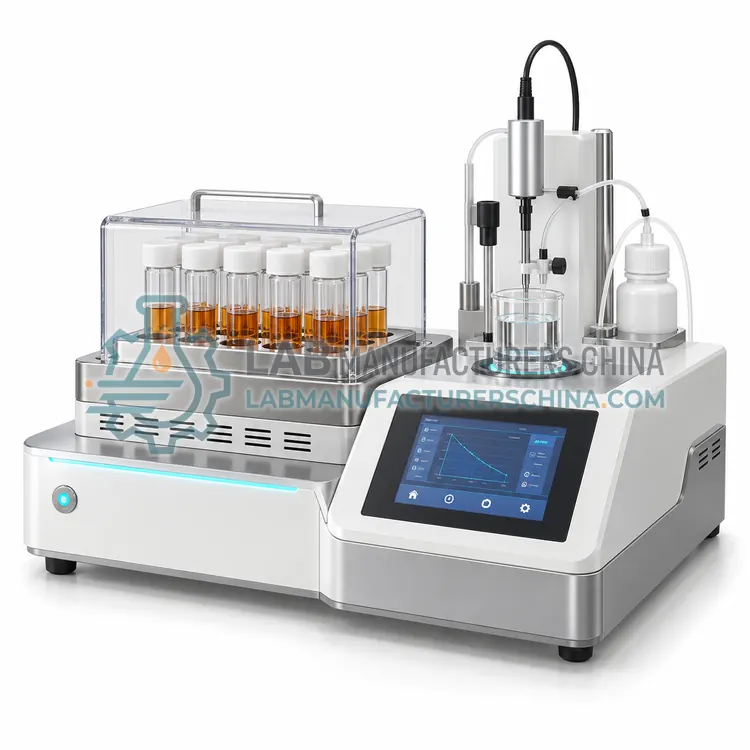
COD analyzers measure chemical oxygen demand, the amount of oxidisable matter in water, by dichromate oxidation with colorimetric or titrimetric detection. The subcategory covers benchtop, portable, titrimetric, automated and online UV-based systems for wastewater and industrial water control.
- BOA5 models
BOD Analyzers
BOD 分析仪
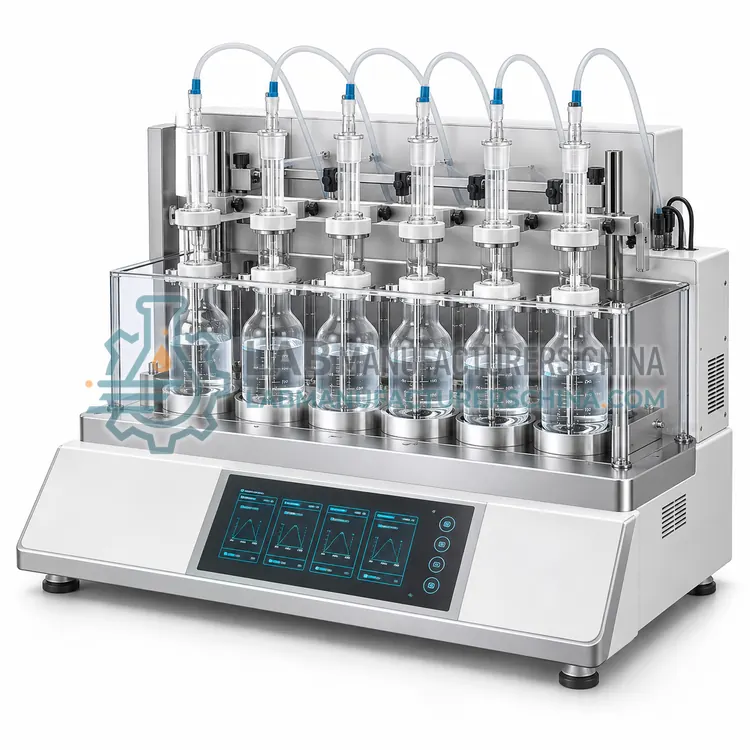
BOD analyzers measure biochemical oxygen demand, the oxygen consumed by microorganisms degrading organic matter in water, usually over five days. The subcategory covers respirometric, diluting, dissolved-oxygen and combined BOD/COD systems used for wastewater and environmental testing.
- CHM5 models
Chlorine Meters
余氯计
Chlorine meters measure free and total residual chlorine in drinking water, pools and industrial process water. The subcategory covers portable and benchtop DPD colorimeters, pocket testers and online amperometric or optical analyzers used for disinfection control and compliance.
What are Water Testing Equipment?
Water testing establishes whether a water source meets the requirements of its intended use and of the discharge or drinking-water regulations that apply to it. Physical parameters include temperature, turbidity, conductivity and colour. Chemical parameters include pH, dissolved oxygen, ammonia, nitrate, phosphate, heavy metals and residual disinfectant. Aggregate organic-load indicators such as chemical oxygen demand (COD) and biochemical oxygen demand (BOD) describe how much oxidisable material the water contains and are central to wastewater treatment performance and discharge permits. Microbiological indicators, including coliforms and E. coli, show sanitary quality. Results support process control, compliance reporting, source protection and treatment optimisation.
How do Water Testing Equipment work?
Multiparameter meters combine electrochemical or optical sensors: a glass electrode measures pH, a conductivity cell measures ionic strength, and a luminescent or polarographic sensor measures dissolved oxygen. Turbidity meters shine light into the sample and measure scattered light at 90 degrees, following the nephelometric principle defined in ISO 7027. COD analysers oxidise the sample with dichromate in strong acid at high temperature and read the colour change photometrically, while titrimetric versions back-titrate the remaining dichromate. BOD analysers measure the oxygen consumed by microorganisms over five days, usually at 20 degrees Celsius, either by respirometry or by dissolved-oxygen difference. Chlorine meters use DPD colorimetry or an amperometric or optical sensor to quantify free and total chlorine.
Where are Water Testing Equipment used?
Water utilities and treatment plants use this equipment to control coagulation, disinfection and biological treatment, and to demonstrate compliance with drinking-water and effluent standards. Industrial sites monitor boiler feedwater, cooling water, process water and their own discharges. Environmental agencies and laboratories assess rivers, lakes, groundwater and coastal waters for pollution and long-term trends. Agriculture and aquaculture operations check irrigation and pond water. Mining, food and pharmaceutical plants test water as an ingredient or utility. Portable meters support field surveys and emergency response, while bench instruments and automated analysers serve high-volume compliance laboratories and online monitoring stations.
Which standards apply to Water Testing Equipment?
Drinking-water quality is defined by WHO Guidelines and by regional rules such as the EU Drinking Water Directive and the US Safe Drinking Water Act. Common test methods include ISO 7027 for turbidity, ISO 10523 for pH, ISO 5814 for dissolved oxygen, ISO 6060 for chemical oxygen demand, ISO 5815 for BOD and ISO 7393 for free and total chlorine. Standard Methods for the Examination of Water and Wastewater and EPA methods are widely used in North America. Laboratories usually work under ISO/IEC 17025 accreditation, and online analysers follow ISO 15839 for performance testing. Suppliers may offer CE and ISO 9001 documentation, to be confirmed per model.
How do I select the right water testing equipment?
Begin with the parameters and limits that your permit or standard requires, then decide between field and laboratory use. Multiparameter meters with interchangeable digital sensors cut field time but need regular calibration and sensor maintenance. Turbidity measurement should follow ISO 7027, so confirm that the optical design and calibration standards match the method. For organic load, choose COD where a fast, chemically defined result is acceptable and BOD where regulatory permits are written in terms of biodegradable load. Chlorine control depends on your disinfection scheme, so verify range, resolution and DPD compatibility. Finally, confirm data logging, calibration records and service support.
Water Testing Equipment comparison
| Subcategory | Principle | Typical use | Key spec |
|---|---|---|---|
| Multiparameter Meters | Interchangeable electrochemical and optical sensors on one meter | Field and laboratory water quality surveys | pH 0–14, conductivity 0–200 mS/cm, DO 0–20 mg/L |
| Turbidity Meters | Nephelometric measurement of light scattered at 90 degrees | Drinking-water compliance and process turbidity control | 0–1000 NTU, 0.01 NTU resolution, ISO 7027 design |
| COD Analyzers | Dichromate oxidation at high temperature with photometric readout | Wastewater organic load and discharge compliance | 0–15,000 mg/L COD, 2 h digestion at 150 °C |
| BOD Analyzers | Respirometric or dissolved-oxygen measurement over 5 days | Biodegradable organic load in wastewater and surface water | 0–4000 mg/L BOD, 5-day incubation at 20 °C |
| Chlorine Meters | DPD colorimetry or amperometric and optical chlorine sensing | Disinfection control in drinking water and pools | 0–10 mg/L, 0.01 mg/L resolution, ±2 percent accuracy |
Frequently asked questions about Water Testing Equipment
COD measures the oxygen equivalent of everything oxidisable by a strong chemical oxidant, giving a result in about two hours. BOD measures the oxygen consumed by microorganisms over five days, so it better reflects what a treatment plant can remove biologically.
Turbidity is measured by nephelometry, where light passes into the sample and a detector at 90 degrees measures the scattered light. ISO 7027 specifies the optical design, and results are reported in nephelometric turbidity units (NTU).
Residual chlorine shows that disinfection has been effective and that a protective concentration remains in the distribution system. Too little risks microbial regrowth; too much causes taste, odour and disinfection by-product problems.
Typical parameters are pH, temperature, conductivity, total dissolved solids, dissolved oxygen, oxidation-reduction potential and turbidity. Some models add ion-selective electrodes for ammonium, nitrate or chloride using interchangeable digital sensors.
Turbidity, pH, conductivity, dissolved oxygen, chlorine and, increasingly, ammonium and nitrate can be measured online for continuous process and compliance monitoring. Grab samples remain important for COD, BOD and microbiological testing.
Related categories
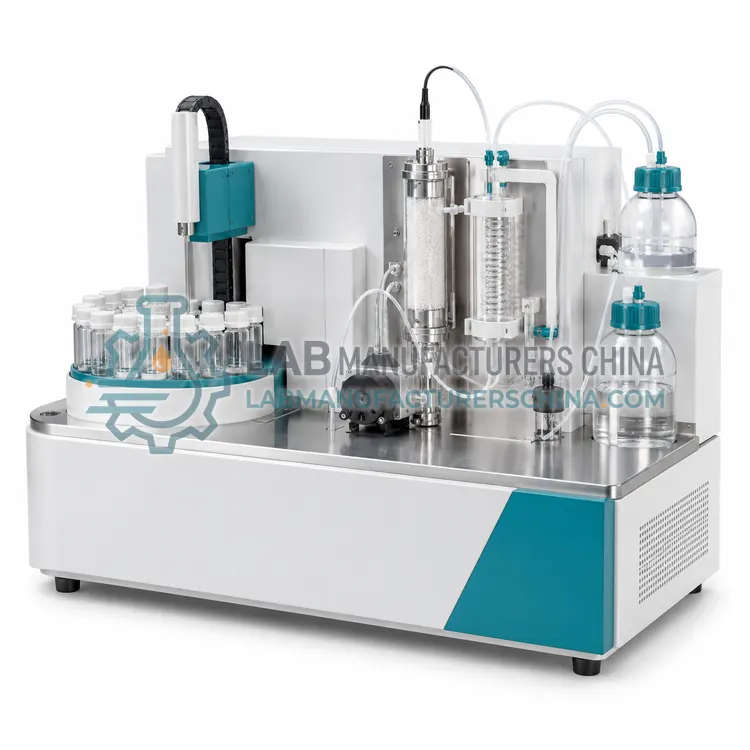 CWAE水质分析设备Water analysis equipment measures the chemical, physical and metal content of drinking water, surface water, wastewater and process water. The category covers TOC analyzers, ion analyzers, water-specific spectrophotometers, multi-parameter water quality analyzers and heavy metal analyzers used by utilities, environmental labs and industrial QC teams.
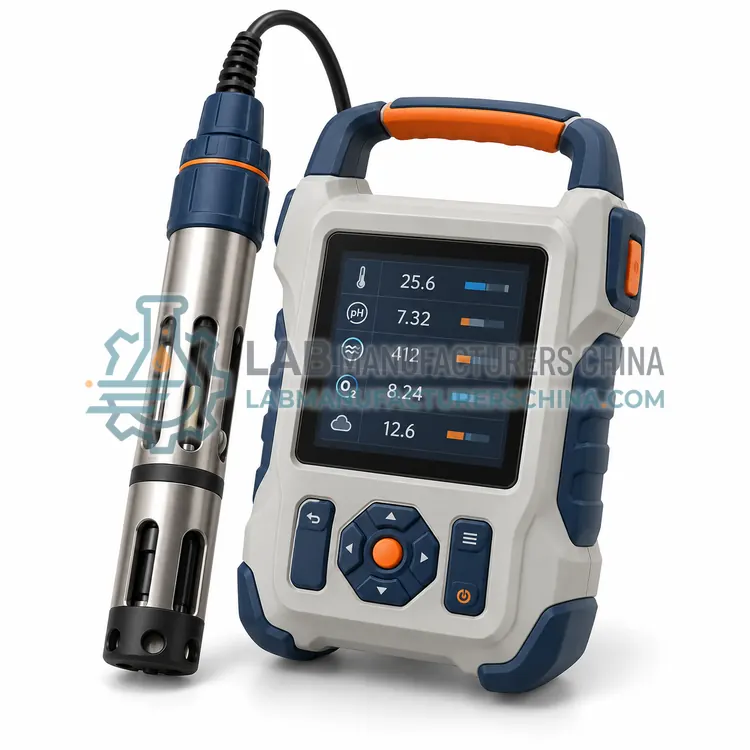 CETE环境检测设备Environmental testing equipment measures and collects samples of water, air, stack emissions, noise and soil or sediment to assess pollution and regulatory compliance. It covers online monitors, portable meters and samplers used by environmental agencies, industrial plants, consultancies and accredited testing laboratories.
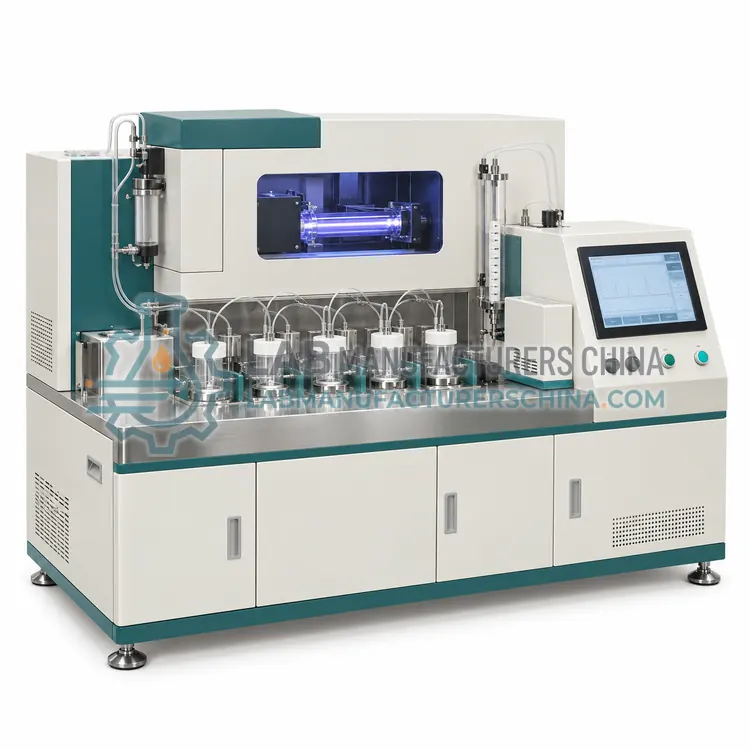 CAQM空气质量监测设备Air quality monitoring equipment measures gases, particulate matter and volatile organic compounds in ambient air and in industrial stacks. It includes gas analyzers, particulate monitors, VOC analyzers, stack gas analyzers and integrated ambient air stations used by environmental agencies, industry and research institutes.
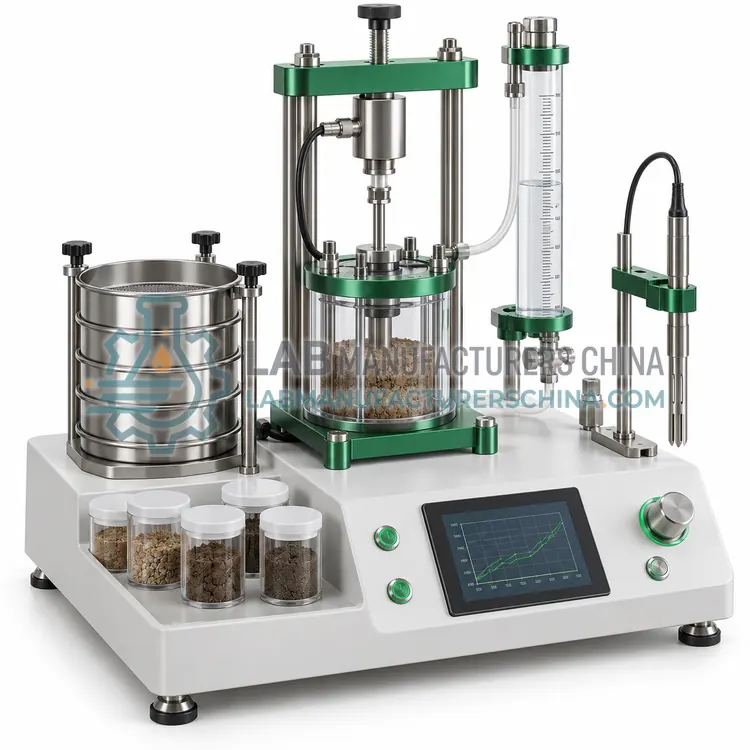 CATE农业检测设备Agricultural testing equipment analyzes grain, crops, plant tissue and fertilizers for quality, composition and nutrient content, and prepares agricultural samples for analysis. It is used by grain traders, feed and fertilizer producers, breeding programs, inspection bodies and agronomy laboratories.