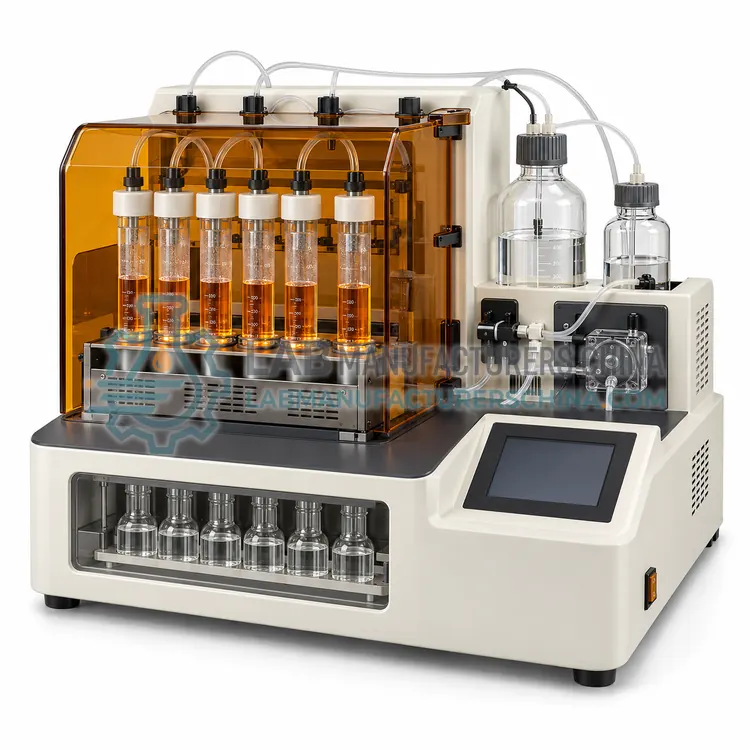
How do COD Analyzers work?
Chemical oxygen demand is determined by oxidising the sample with potassium dichromate in strong sulfuric acid at about 150 °C for two hours, usually in sealed tubes. Silver sulfate catalyses the oxidation of most organic compounds, and mercury sulfate masks chloride, which would otherwise be oxidised and inflate the result. The dichromate consumed is proportional to the oxidisable material and is measured either photometrically, from the colour change of dichromate to chromium(III) at 600 nm or by the decrease in dichromate absorbance at 440 nm, or by titration of the remaining dichromate with ferrous ammonium sulfate. Results are reported as milligrams of oxygen per litre. COD is faster than BOD and includes material that is not biodegradable, which is why it is used for discharge compliance and process control.
Which COD Analyzers variants are available?
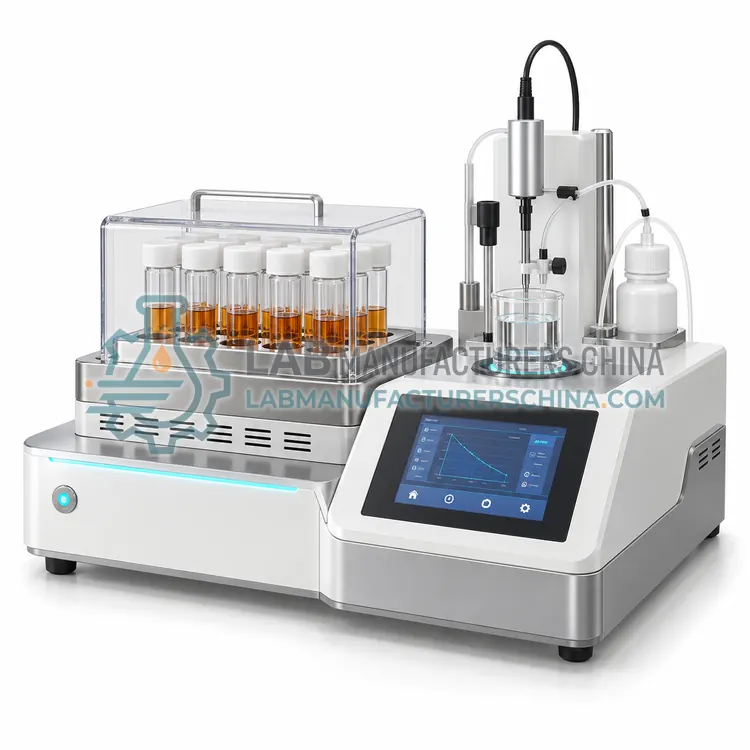
- Benchtop COD Analyzer with Digestion Reactor — A benchtop COD analyzer combines a heated digestion reactor for sealed tubes with a colorimeter that reads the dichromate colour change.
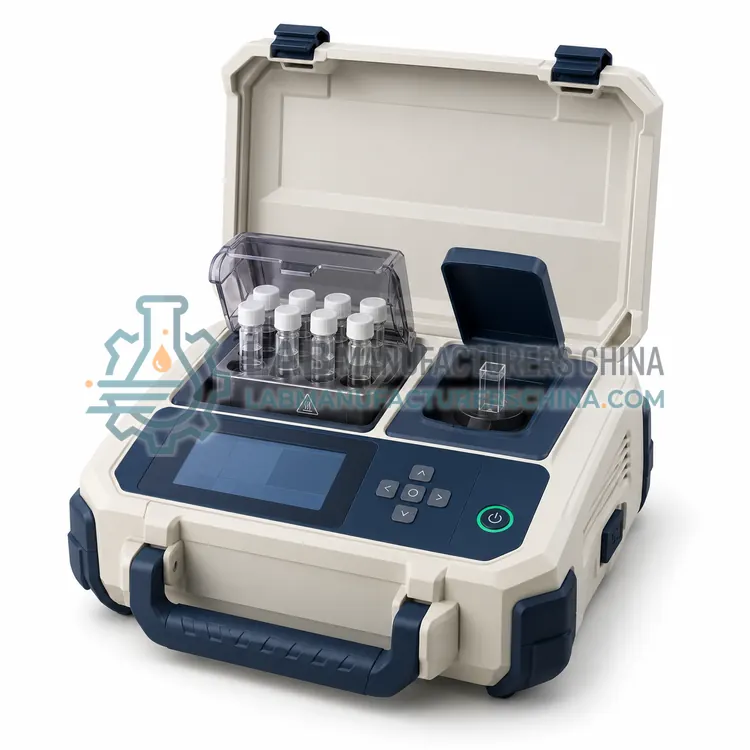
- Portable COD Analyzer — A portable COD analyzer brings sealed-tube digestion and colorimetric reading to the plant or field in a battery-powered case.
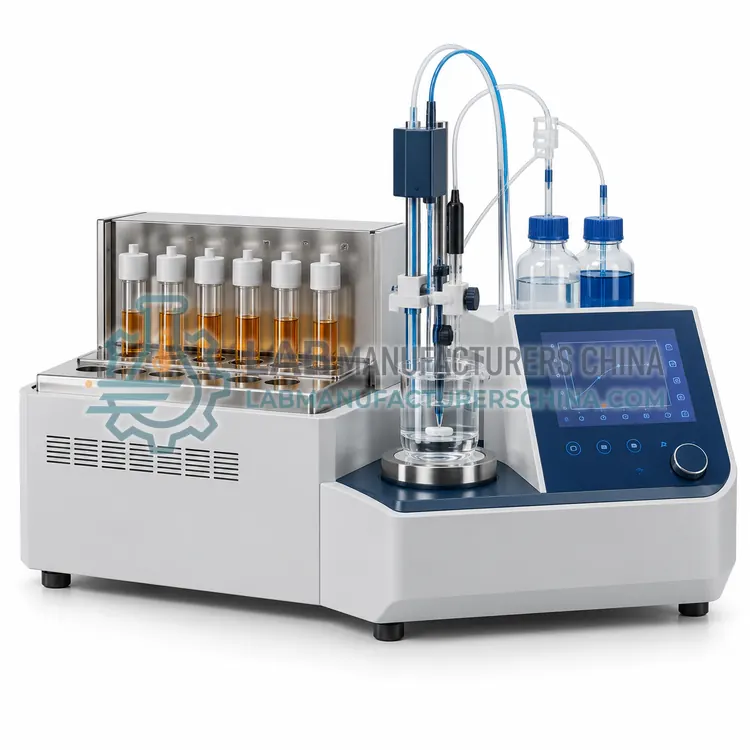
- Titrimetric COD Analyzer — A titrimetric COD analyzer determines dichromate consumption by titration with ferrous ammonium sulfate, the classical standard reference procedure.
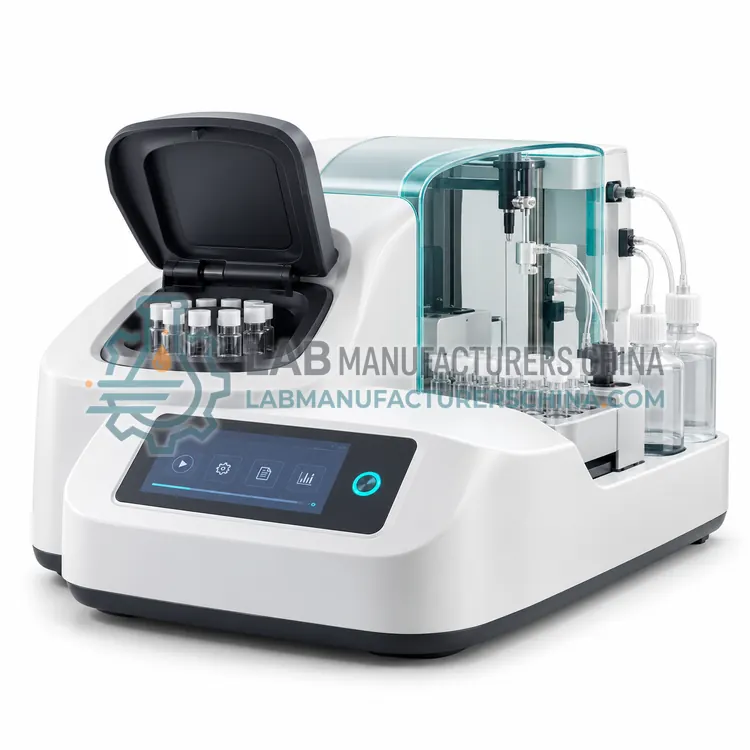
- Automated COD Analyzer with Autosampler — An automated COD analyzer with autosampler performs dosing, digestion, cooling and colorimetric or titrimetric detection without operator intervention.
- Online UV COD Analyzer — An online UV COD analyzer estimates organic load continuously from ultraviolet absorbance at 254 nm and correlates the signal with dichromate COD.
How do I choose the right variant?
Choose the measurement format from where the sample is taken and how the result will be used. Sealed-tube colorimetric systems with a digestion reactor are the standard for laboratories, offering ranges from 0 to 15,000 mg/L with small sample and reagent volumes. Portable colorimeters bring the same chemistry to the plant or river bank for rapid screening. Titrimetric analysis is used for high-concentration or coloured and turbid samples, where photometry is unreliable, and remains the classic reference for difficult matrices. Automated analysers with autosamplers reduce reagent handling and improve traceability where sample numbers are high. Online UV analysers provide continuous trend data for treatment control but must be correlated with the dichromate method, since UV absorbance responds to aromatic compounds rather than total oxidisable matter.
Where are COD Analyzers used?
COD Analyzers are specified in wastewater treatment influent and effluent monitoring, industrial discharge compliance testing, municipal plant process control, textile, paper, food and chemical effluent analysis, environmental water quality assessment and treatment performance evaluation and optimisation.
Which standards and certifications apply?
Work with COD Analyzers is commonly governed by ISO 6060, ISO 15705, EPA 410.4, Standard Methods 5220 D and ISO/IEC 17025. Instrument certifications such as CE marking are confirmed per configuration and never assumed.
What are the key considerations before purchase?
COD chemistry is hazardous: dichromate is a carcinogen and strong oxidant, sulfuric acid is corrosive, and mercury salts are toxic, so digestion must be performed in sealed tubes or closed reflux systems with fume control and separate waste collection for heavy-metal-bearing residues. Chloride interferes seriously and is masked with mercury sulfate, so the expected chloride concentration must be known and the masking ratio respected; high-chloride samples may need dilution or a low-range method. Quality control requires blanks, standards, spiked samples and duplicates in each batch, and the dichromate solution should be standardised. Sealed tubes should be mixed thoroughly before reading, and the reading should be taken after the tubes cool to avoid temperature bias.