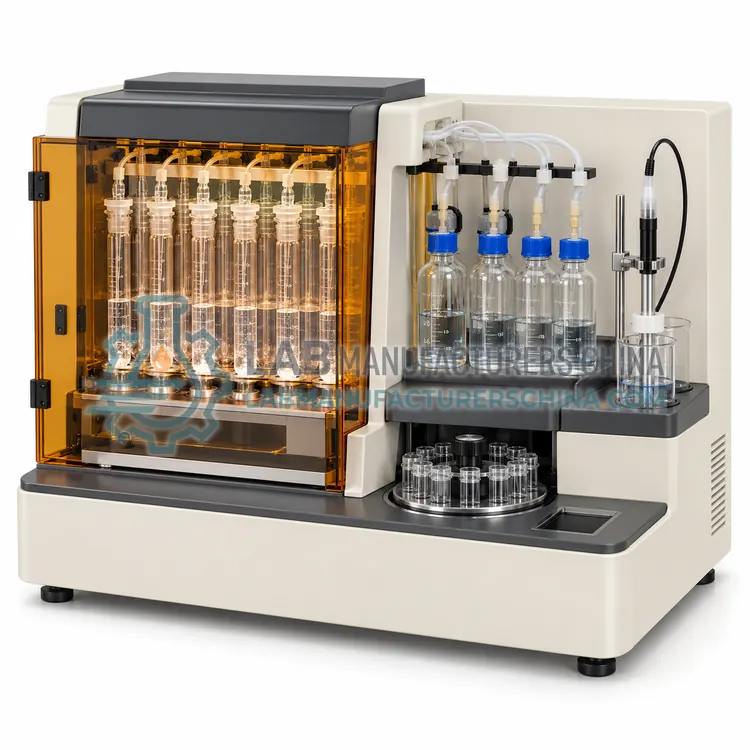
How do BOD Analyzers work?
BOD is determined by allowing microorganisms to oxidise biodegradable matter under controlled conditions and measuring the oxygen they consume. In the dilution method, sample is diluted with seeded, oxygen-saturated water, filled into bottles and incubated at 20 °C, and dissolved oxygen is measured before and after five days; the difference, corrected for the seed blank and dilution factor, gives BOD5. In respirometric systems, the sample is incubated in a sealed bottle with a carbon dioxide absorber, and the pressure drop caused by oxygen consumption is measured and converted continuously into oxygen uptake. Combining manometric BOD measurement with nitrification inhibition focuses the result on carbonaceous demand. Results are reported in milligrams of oxygen per litre, and the ratio of BOD to COD indicates how readily the wastewater can be treated biologically.
Which BOD Analyzers variants are available?
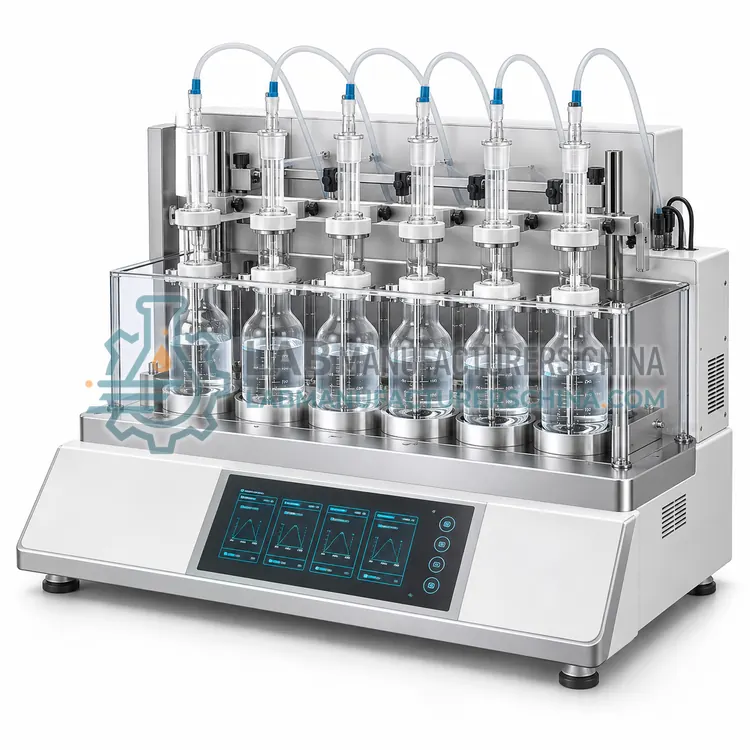
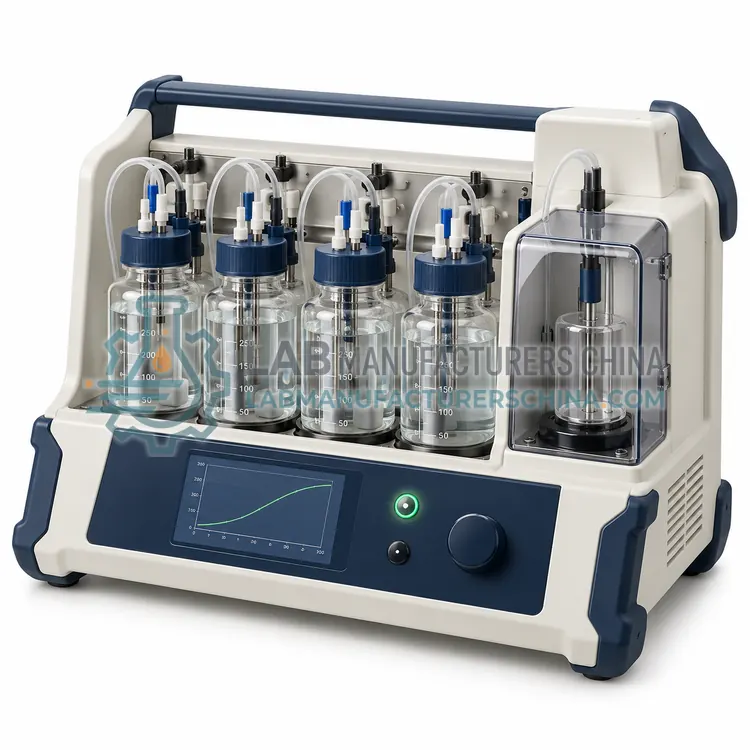
- Respirometric BOD Analyzer — A respirometric BOD analyzer incubates samples in sealed bottles with carbon dioxide absorbers and records the pressure drop from oxygen uptake.
- Online Respirometric BOD Analyzer — An online respirometric BOD analyzer measures oxygen uptake continuously in a small reactor fed with a sample stream.
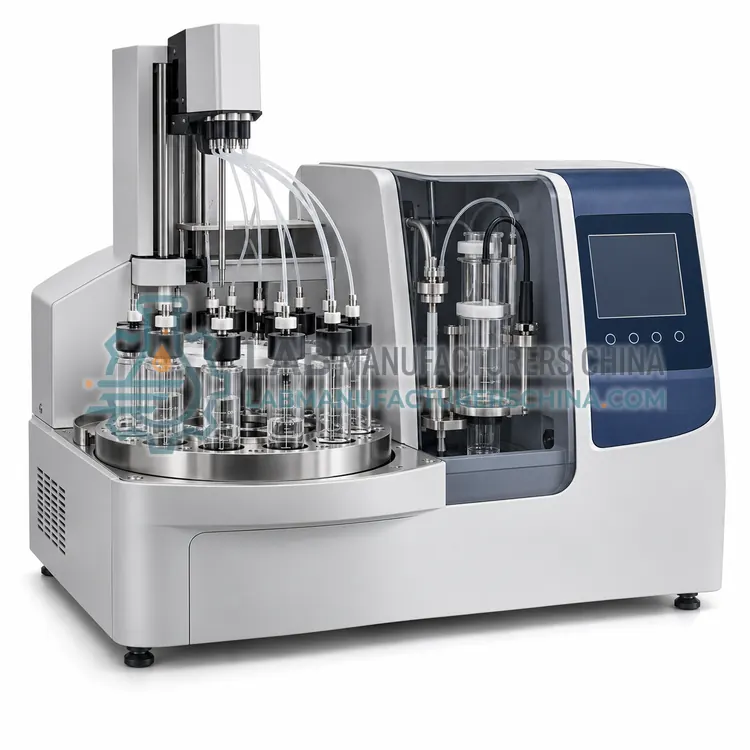
- Automatic Diluting BOD Analyzer — An automatic diluting BOD analyzer prepares seeded dilutions and fills incubation bottles reproducibly before the five-day test.
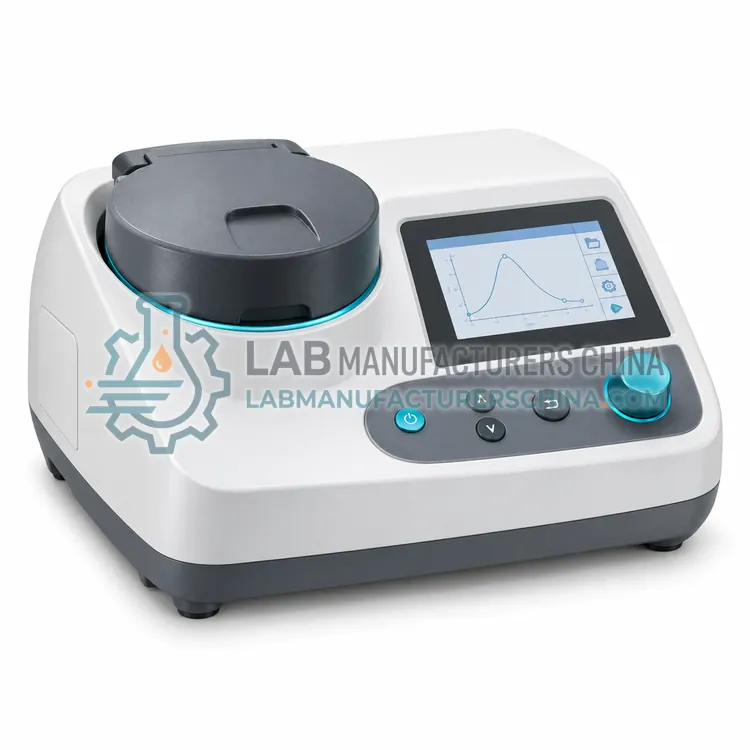
- Dissolved-Oxygen BOD Measurement System — A dissolved-oxygen BOD measurement system follows the reference dilution procedure, measuring oxygen before and after incubation with a calibrated probe.
- Combined BOD and COD Analyzer — A combined BOD and COD analyzer shares sample handling, digestion or incubation modules and data software for both parameters.
How do I choose the right variant?
Select the method from the data you need and the resources available. Respirometric systems automate incubation and readout, remove the need for titration and allow several bottles to run in parallel with continuous data, which suits routine plant control. Dilution methods with dissolved-oxygen measurement remain the reference approach for regulatory reporting and are used for samples with high or variable BOD. No measurement is valid without correct seeding, dilution and nitrification control, and the seed blank must be run with every batch. Choose a combined BOD and COD system if both parameters are reported routinely, since sharing incubation and reagents simplifies workflow. For continuous control, online respirometric instruments provide trend data but must be correlated with laboratory results.
Where are BOD Analyzers used?
BOD Analyzers are specified in municipal wastewater treatment plant control, industrial effluent biodegradability assessment, discharge permit compliance monitoring, river and lake organic pollution assessment, treatment process optimisation and landfill leachate and food industry effluent testing.
Which standards and certifications apply?
Work with BOD Analyzers is commonly governed by ISO 5815-1, ISO 5815-2, Standard Methods 5210 B, EPA 405.1 and ISO/IEC 17025. Instrument certifications such as CE marking are confirmed per configuration and never assumed.
What are the key considerations before purchase?
BOD measurement is sensitive to the seed, the dilution water and the incubation conditions, so dilution water must be free of chlorine and organic matter and should be aerated and seeded consistently. Nitrification inhibitors are added when only carbonaceous demand is required, since nitrifying bacteria consume oxygen and inflate results. Dilution must bring the final dissolved oxygen into the accepted window, typically at least 2 mg/L remaining and a depletion of at least 2 mg/L. Bottles, stoppers and seals must be clean and leak-free, especially in respirometric systems where a small leak ruins the pressure measurement. Incubation must be maintained at 20 ± 1 °C, and reference standards such as glucose-glutamic acid check the whole procedure.