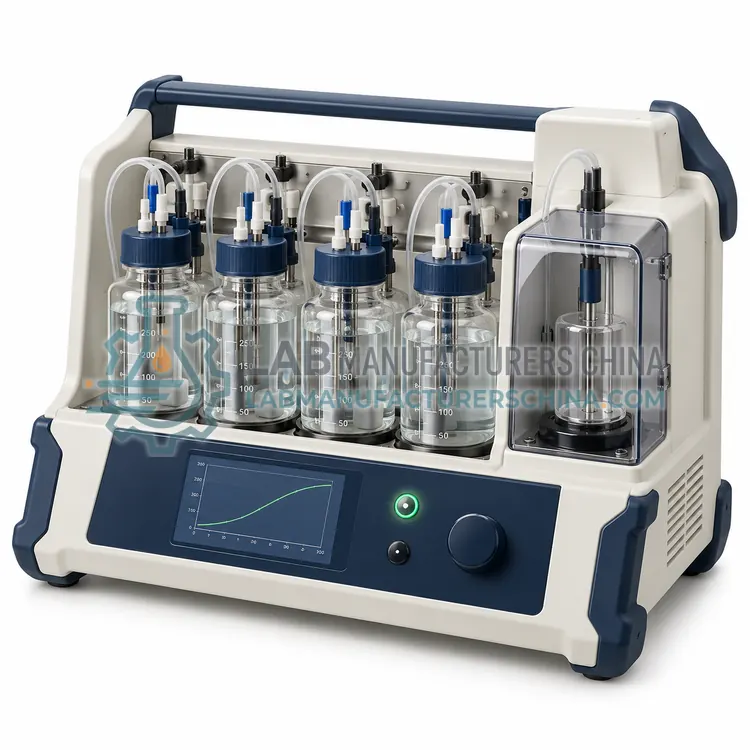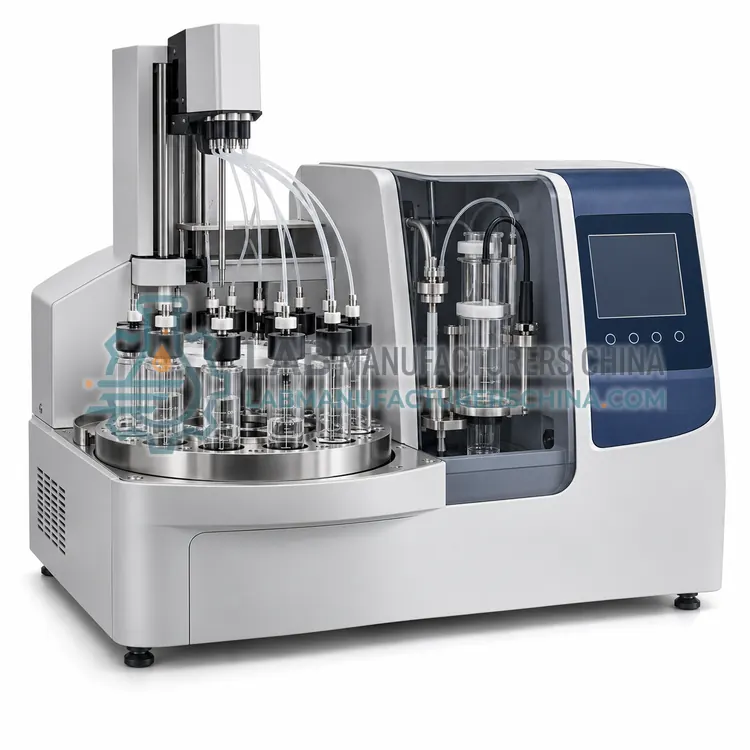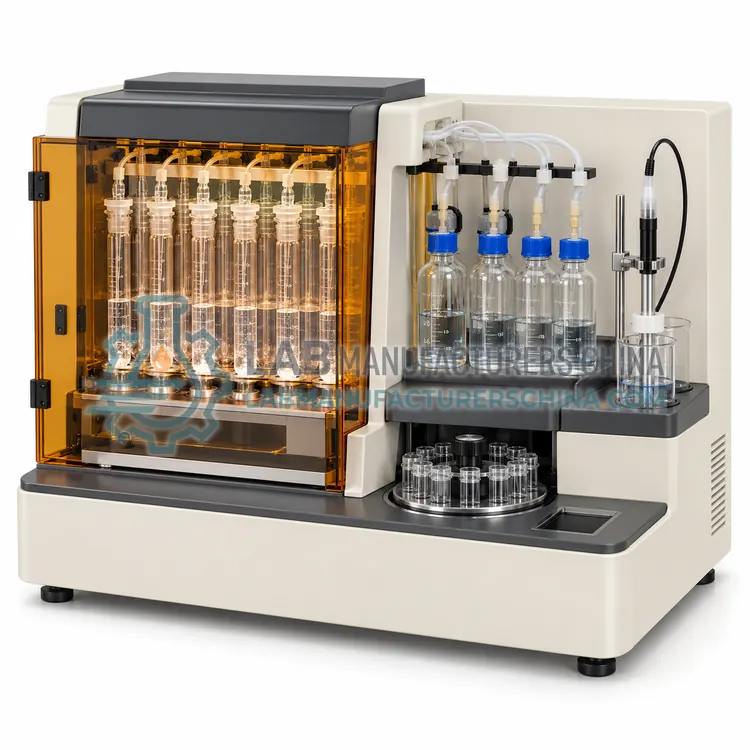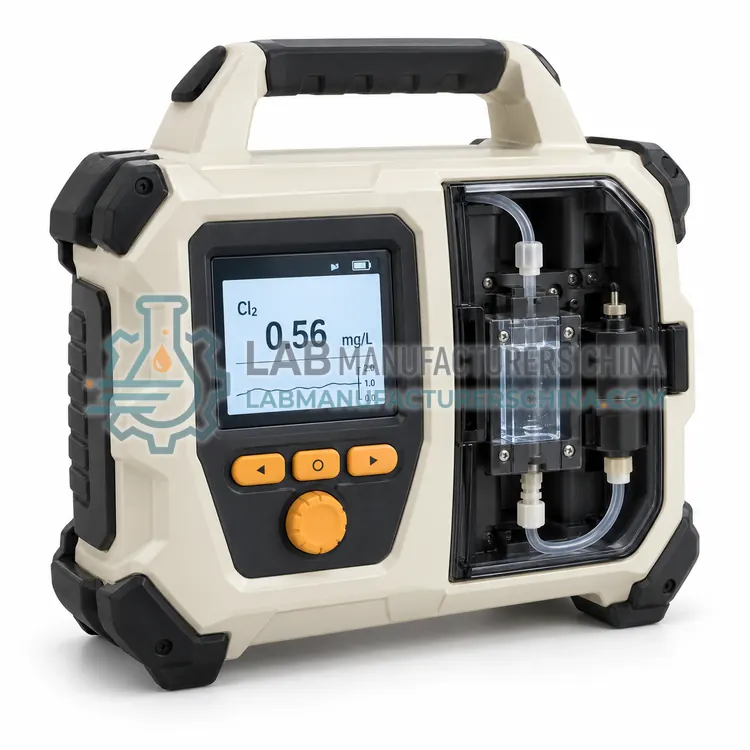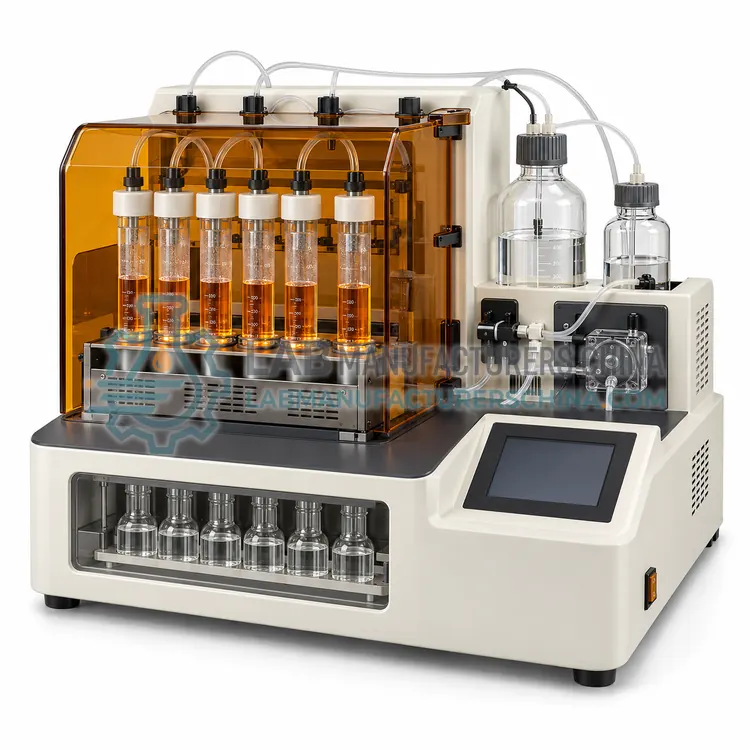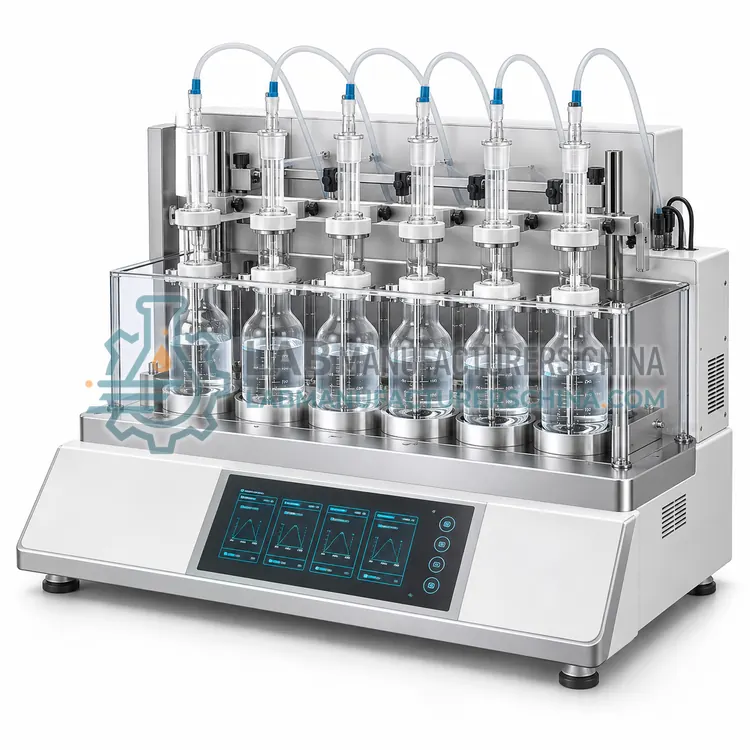
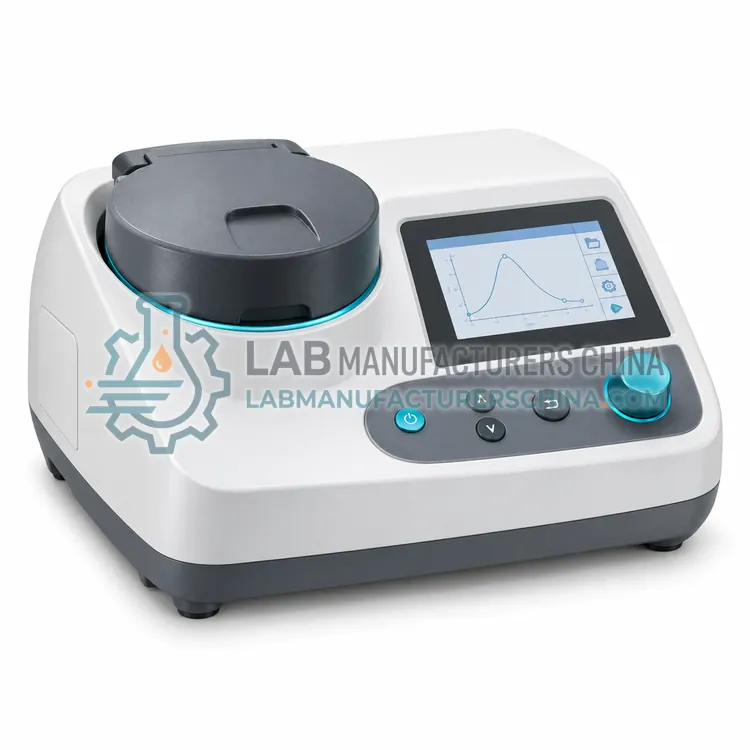
Dissolved-Oxygen BOD Measurement System
溶解氧法 BOD 测定系统
- SKU BOA-0004
- BOD Analyzers
- CE (to be confirmed)
- ISO 9001 manufacturing (to be confirmed)
Price on request — FOB / CIF quoted per order
Prices depend on configuration, quantity and destination port.
Key specifications
| Method | Dilution with dissolved oxygen measurement |
|---|---|
| Bottle volume | 300 mL standard |
| Incubation temperature | 20 °C, ±1 °C |
| Test duration | 5 days standard, 7 or 10 optional |
| Oxygen range | 0–20 mg/L |
| Oxygen resolution | 0.01 mg/L |
Request a quote Download brochure · to be provided
By Lab Manufacturers China Technical TeamLast reviewed Standards: ISO 5815-1, ISO 5815-2, Standard Methods 5210 B
What is the Dissolved-Oxygen BOD Measurement System?
A dissolved-oxygen BOD measurement system follows the reference dilution procedure, measuring oxygen before and after incubation with a calibrated probe. It is the classical approach used for regulatory and referee BOD5 determinations.
What is the Dissolved-Oxygen BOD Measurement System?
A dissolved-oxygen BOD measurement system follows the reference dilution procedure, measuring oxygen before and after incubation with a calibrated probe. It is the classical approach used for regulatory and referee BOD5 determinations.
Overview
The system consists of aerated dilution water, seeded sample dilutions prepared in standard 300 mL bottles, a 20 °C incubation cabinet and an oxygen meter with a membrane or optical sensor. Initial dissolved oxygen is measured after the bottles reach temperature equilibrium, then the bottles are incubated for five days with a water seal, and the final oxygen is measured and the depletion calculated. A seed blank and sometimes a glucose-glutamic acid check solution are carried through the same procedure. Results are accepted only when the residual oxygen is at least 2 mg/L and the depletion at least 2 mg/L, so several dilutions may be needed. The method is well documented in standards, requires no specialised pressure equipment and remains the basis against which other BOD techniques are validated.
How does it work?
BOD is determined by allowing microorganisms to oxidise biodegradable matter under controlled conditions and measuring the oxygen they consume. In the dilution method, sample is diluted with seeded, oxygen-saturated water, filled into bottles and incubated at 20 °C, and dissolved oxygen is measured before and after five days; the difference, corrected for the seed blank and dilution factor, gives BOD5. In respirometric systems, the sample is incubated in a sealed bottle with a carbon dioxide absorber, and the pressure drop caused by oxygen consumption is measured and converted continuously into oxygen uptake. Combining manometric BOD measurement with nitrification inhibition focuses the result on carbonaceous demand. Results are reported in milligrams of oxygen per litre, and the ratio of BOD to COD indicates how readily the wastewater can be treated biologically.
What are the key features?
- Reference dilution procedure with pre and post oxygen measurement
- Calibrated membrane or optical oxygen sensor
- Standard 300 mL BOD bottles with water seals
- Seed blank and glucose-glutamic acid checks
- Automatic depletion and dilution factor calculation
- 20 °C incubation cabinet or water bath
What are the technical specifications?
A typical dissolved-oxygen bod measurement system configuration offers method of Dilution with dissolved oxygen measurement, bottle volume of 300 mL standard, incubation temperature of 20 °C, ±1 °C, test duration of 5 days standard, 7 or 10 optional, oxygen range of 0–20 mg/L and oxygen resolution of 0.01 mg/L. Values are indicative of the product class; the exact figures for each configuration are confirmed on the quotation and the calibration documents supplied with the instrument.
Which applications is it used for?
The Dissolved-Oxygen BOD Measurement System is used in regulatory BOD5 determinations, referee analysis and method validation, municipal and industrial effluent testing and laboratory training in BOD methodology. Across the wider BOD Analyzers class, laboratories also deploy it for municipal wastewater treatment plant control, industrial effluent biodegradability assessment and discharge permit compliance monitoring.
Which standards and certifications apply?
Relevant standards and methods include ISO 5815-1, ISO 5815-2, Standard Methods 5210 B, EPA 405.1 and ISO/IEC 17025. Certification candidates for this model are CE and ISO 9001 manufacturing; each is to be confirmed for the specific configuration before shipment, and certificates are supplied only where they have been issued.
BOD measurement is sensitive to the seed, the dilution water and the incubation conditions, so dilution water must be free of chlorine and organic matter and should be aerated and seeded consistently. Nitrification inhibitors are added when only carbonaceous demand is required, since nitrifying bacteria consume oxygen and inflate results. Dilution must bring the final dissolved oxygen into the accepted window, typically at least 2 mg/L remaining and a depletion of at least 2 mg/L. Bottles, stoppers and seals must be clean and leak-free, especially in respirometric systems where a small leak ruins the pressure measurement. Incubation must be maintained at 20 ± 1 °C, and reference standards such as glucose-glutamic acid check the whole procedure.
How do I select the right Dissolved-Oxygen BOD Measurement System?
Select this system when your method requires the dilution procedure or when results may be used for regulatory or referee purposes. Confirm that a stable 20 °C cabinet, reliable oxygen meter and dilution water preparation are available, since all three contribute to the accuracy of the result.
How does it compare with other BOD Analyzers variants?
Select the method from the data you need and the resources available. Respirometric systems automate incubation and readout, remove the need for titration and allow several bottles to run in parallel with continuous data, which suits routine plant control. Dilution methods with dissolved-oxygen measurement remain the reference approach for regulatory reporting and are used for samples with high or variable BOD. No measurement is valid without correct seeding, dilution and nitrification control, and the seed blank must be run with every batch. Choose a combined BOD and COD system if both parameters are reported routinely, since sharing incubation and reagents simplifies workflow. For continuous control, online respirometric instruments provide trend data but must be correlated with laboratory results.
Full specifications
| Method | Dilution with dissolved oxygen measurement |
|---|---|
| Bottle volume | 300 mL standard |
| Incubation temperature | 20 °C, ±1 °C |
| Test duration | 5 days standard, 7 or 10 optional |
| Oxygen range | 0–20 mg/L |
| Oxygen resolution | 0.01 mg/L |
| Oxygen accuracy | ±0.2 mg/L |
| Sensor type | Membrane or luminescent optical |
| Acceptance criteria | ≥ 2 mg/L remaining and ≥ 2 mg/L depletion |
| Reference check | Glucose-glutamic acid solution |
Indicative values for this product class. Final specifications are confirmed on the quotation and in the calibration documents supplied with the instrument.
Applications
- Regulatory BOD5 determinations
- Referee analysis and method validation
- Municipal and industrial effluent testing
- Laboratory training in BOD methodology
Key features
- Reference dilution procedure with pre and post oxygen measurement
- Calibrated membrane or optical oxygen sensor
- Standard 300 mL BOD bottles with water seals
- Seed blank and glucose-glutamic acid checks
- Automatic depletion and dilution factor calculation
- 20 °C incubation cabinet or water bath
Frequently asked questions about Dissolved-Oxygen BOD Measurement System
BOD is the oxygen consumed by microorganisms, which can only be obtained as the difference between the initial and final dissolved oxygen concentrations. Both readings must be accurate, so the meter is calibrated before each batch.
The water seal prevents atmospheric oxygen from entering the bottle and replacing the oxygen consumed by microorganisms. Without it, oxygen ingress would lower the apparent oxygen depletion and understate BOD.
It is a standard solution with a known theoretical BOD used to verify the whole procedure, including seed activity, dilution water quality and incubation. Results outside the published acceptance range indicate a problem with the method or the reagents.
The five-day period at 20 °C was chosen historically to approximate the oxygen demand that occurs in a river within a few days of discharge. It captures most carbonaceous oxidation while limiting the later nitrification stage in typical samples.
Seed is a small population of microorganisms added to the dilution water so that biodegradation can begin, especially in samples such as chlorinated effluent or industrial water with few bacteria. The oxygen consumption of the seed itself is measured as a blank and subtracted.
Nitrifying bacteria oxidise ammonia to nitrate and consume oxygen, which adds to the measured demand without reflecting the carbonaceous load. Adding a specific inhibitor such as allylthiourea restricts the result to carbonaceous BOD.
Related models