How do Multiparameter Meters work?
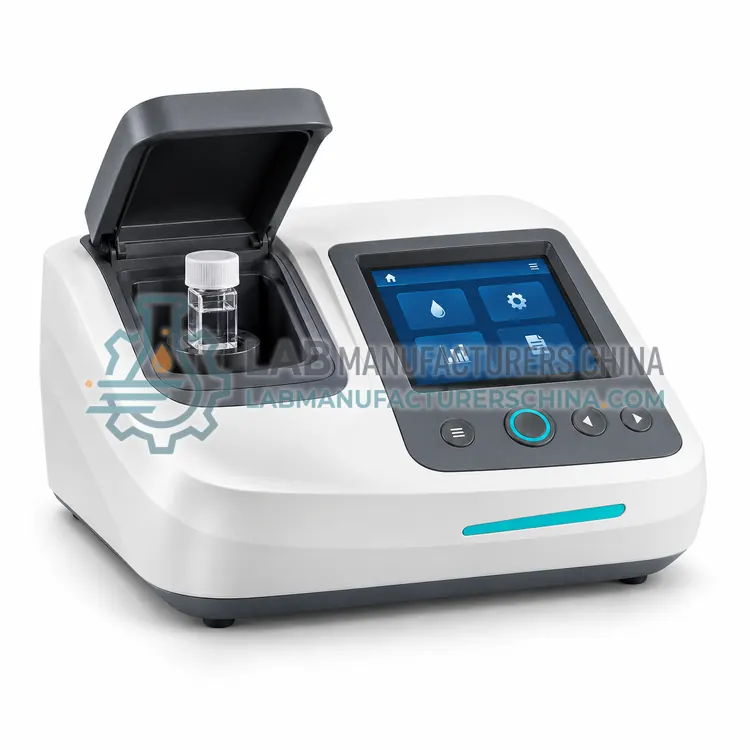
A multiparameter meter combines sensors of different operating principles on one controller. Glass or ISFET electrodes measure pH and other ion activities through a potential that varies with concentration. Conductivity cells apply an alternating current between electrodes and measure the resulting current, which depends on dissolved ions. Dissolved oxygen is measured by a polarographic or galvanic membrane electrode or, in newer instruments, by luminescence quenching of a sensor spot that responds to oxygen. Turbidity is measured optically by scattered light. Temperature is recorded by a thermistor and used to compensate the other readings, because pH, conductivity and oxygen solubility all change with heat. Sensors are calibrated with buffer solutions, standard conductivity solutions and barometric correction before each session.
Which Multiparameter Meters variants are available?
- Portable Multiparameter Water Quality Meter — A portable multiparameter meter is a handheld controller with interchangeable digital sensors for pH, conductivity, dissolved oxygen and turbidity.
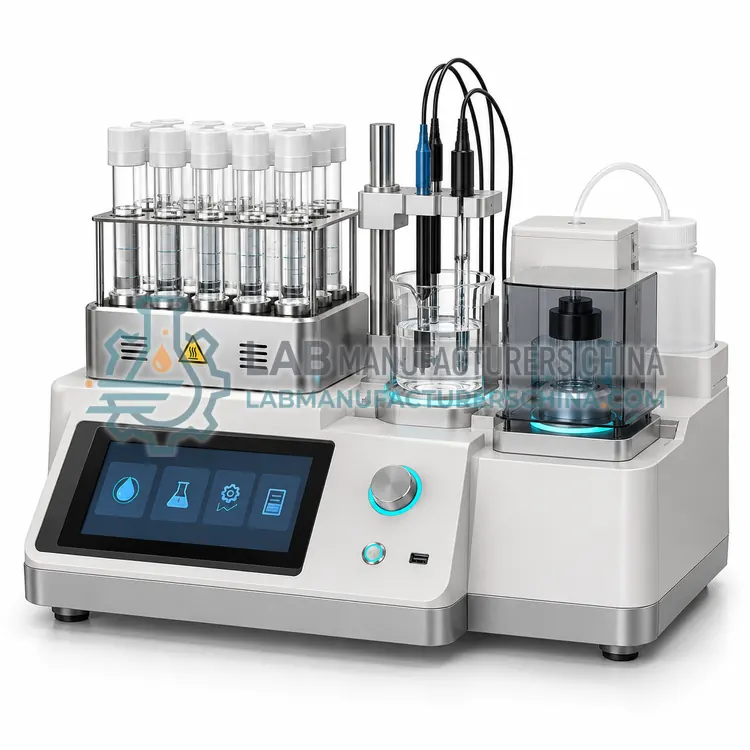
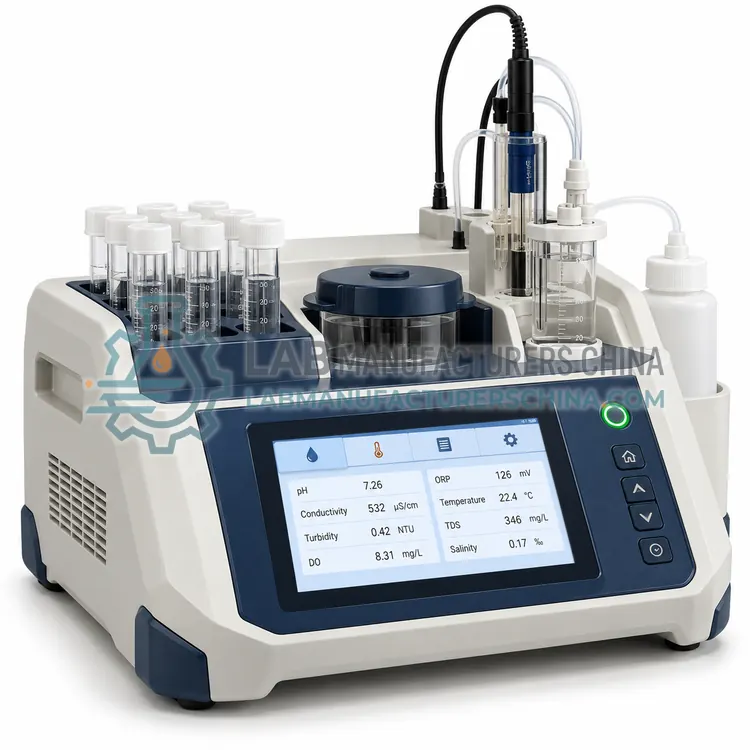
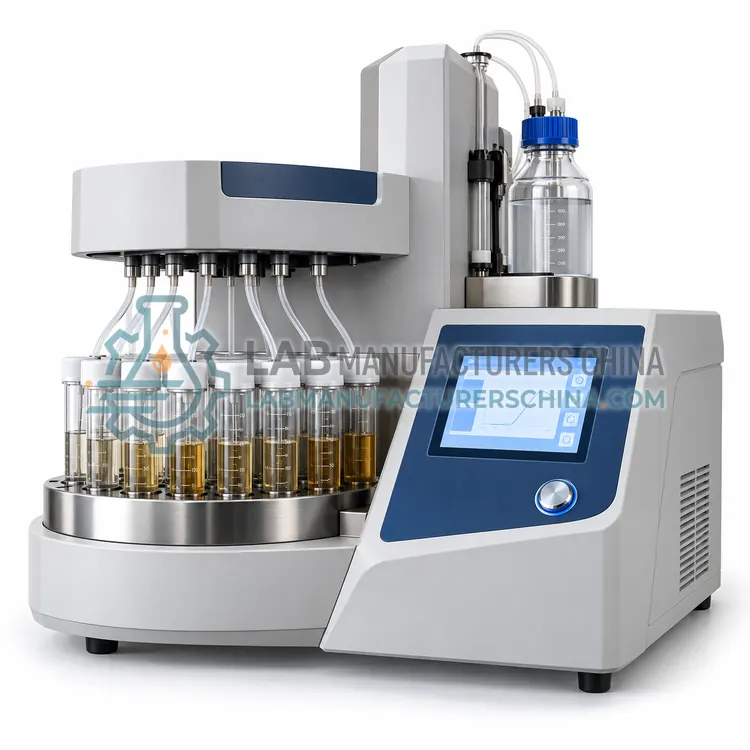
- Benchtop Multiparameter Water Analyzer — A benchtop multiparameter analyzer measures pH, conductivity, dissolved oxygen and other parameters with stirring and temperature control.
- In-Situ Multiparameter Water Quality Sonde — An in-situ multiparameter sonde is a self-contained cylindrical probe that logs multiple parameters as it is lowered through a water column or deployed for long-term monitoring.
- Online Multiparameter Water Quality Analyzer — An online multiparameter analyzer continuously measures pH, conductivity, dissolved oxygen, turbidity and other parameters in a flow stream.
- Multiparameter Meter with Ion-Selective Electrodes — A multiparameter meter with ion-selective electrodes adds ammonium, nitrate, chloride or fluoride measurement to standard pH, conductivity and oxygen parameters.
How do I choose the right variant?
Decide first whether you need field or laboratory measurements and which parameters you must report. Portable meters with interchangeable digital sensors suit river, well and effluent surveys because calibration data travel with the sensor. Benchtop analysers give steadier readings, easier stirring and better documentation for compliance laboratories. Sondes are used where a single probe must be lowered or deployed for long-term profiling of temperature and oxygen stratification. Online analysers provide continuous data for treatment control and alarm functions rather than spot checks. For very low-level work such as ultrapure water, choose a meter with flow-through cells and temperature compensation to 0.1 °C, and confirm the resolution needed for each parameter.
Where are Multiparameter Meters used?
Multiparameter Meters are specified in drinking water quality compliance monitoring, wastewater treatment process control, river, lake and groundwater field surveys, industrial process and cooling water checks, aquaculture pond and hatchery monitoring and emergency response and pollution investigation.
Which standards and certifications apply?
Work with Multiparameter Meters is commonly governed by ISO 10523, ISO 7888, ISO 5814, ISO 7027-1 and ISO/IEC 17025. Instrument certifications such as CE marking are confirmed per configuration and never assumed.
What are the key considerations before purchase?
Sensor care dominates performance. pH electrodes need storage in buffer or potassium chloride solution and periodic refilling, conductivity cells need cleaning of fouling and bubbles, and optical oxygen sensors need replacement of the sensing cap. Calibration must follow the method: at least two pH buffers bracketing the expected value, standard conductivity solutions near the measuring range and temperature equilibrium of sample and standard. Barometric pressure affects oxygen readings and should be entered or automatically measured. Records of calibration slope, drift and buffer identity are expected for accredited work, and portable meters should be checked against laboratory results periodically to detect sensor ageing.