Lab Manufacturers China

Grain Analysis

谷物分析仪

GRA · Agricultural Testing Equipment · 5 models

By Lab Manufacturers China Technical TeamLast reviewed Standards: ISO 712 (moisture), ISO 3093 (falling number), AACC Method 56-81B

Standards referenced

  • ISO 712 (moisture)
  • ISO 3093 (falling number)
  • AACC Method 56-81B
  • ICC Standard 105/2
  • ISO 21415-2 (gluten)
  • GB/T 5498 (test weight)

What are Grain Analysis?

Grain analysis instruments measure the quality parameters of cereals and oilseeds, including moisture, protein, gluten strength, starch quality and test weight. They are used by grain elevators, flour and feed mills, breeding programs and inspection agencies to grade grain and control processing.

5 models of Grain Analysis

The 5 models below are current configurations; specifications are confirmed on quotation.

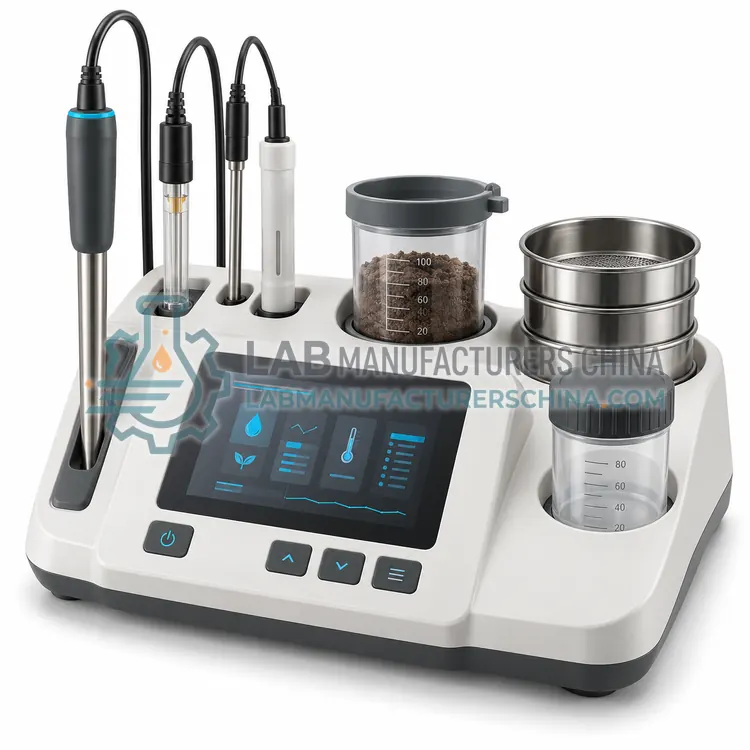
Near-Infrared Grain Quality Analyzer

近红外谷物品质分析仪

  • GRA-0001
  • Grain Analysis
  • CE (to be confirmed)
  • RoHS (to be confirmed)
  • ISO 9001 manufacturing (to be confirmed)
Measurement principle:
Near-infrared reflectance and transmission
Wavelength range:
850–2500 nm
Measured components:
Protein, moisture, oil, starch, fibre, ash
Measurement time:
10–60 s per sample
Sample type:
Whole grain or ground meal
Sample volume:
100–600 g (whole grain)

A spectrometer that predicts protein, moisture, oil, starch and other components from a grain spectrum in under a minute. It is the right choice for high-throughput intake grading, blending and process control.

Request a quote
View details

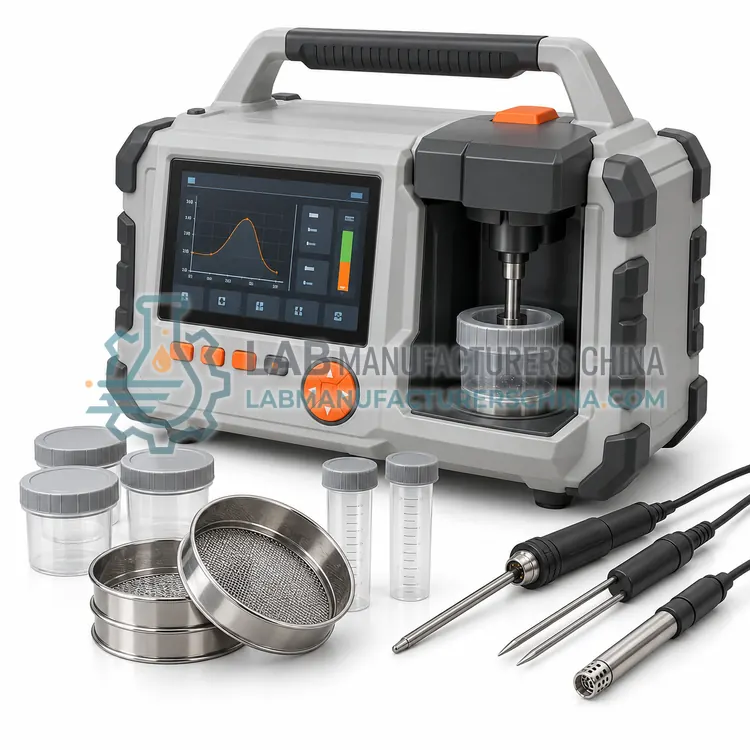
Grain Moisture Meter

谷物水分仪

  • GRA-0002
  • Grain Analysis
  • CE (to be confirmed)
  • RoHS (to be confirmed)
  • ISO 9001 manufacturing (to be confirmed)
Measurement principle:
Capacitance or resistance
Moisture range:
5–40%, species dependent
Accuracy:
±0.5% vs oven method
Repeatability:
±0.1%
Measurement time:
3–10 s
Sample volume:
100–500 mL (cup)

A calibrated meter that measures moisture in whole grain by capacitance or resistance in seconds. It is the right choice for intake checks, drying control and payment settlement where fast, frequent moisture results are needed.

Request a quote
View details

Falling Number Apparatus

降落数值仪

  • GRA-0003
  • Grain Analysis
  • CE (to be confirmed)
  • RoHS (to be confirmed)
  • ISO 9001 manufacturing (to be confirmed)
Measurement:
Falling number, seconds
Measurement range:
60–1000 s
Sample mass:
7.0 g (14% moisture basis)
Water volume:
25 mL
Bath temperature:
100 °C, ±0.2 °C
Timing accuracy:
±0.1 s

A laboratory instrument that measures alpha-amylase activity in grain by timing a stirrer through a heated flour paste. It is the right choice for assessing sprout damage in wheat and predicting baking quality.

Request a quote
View details

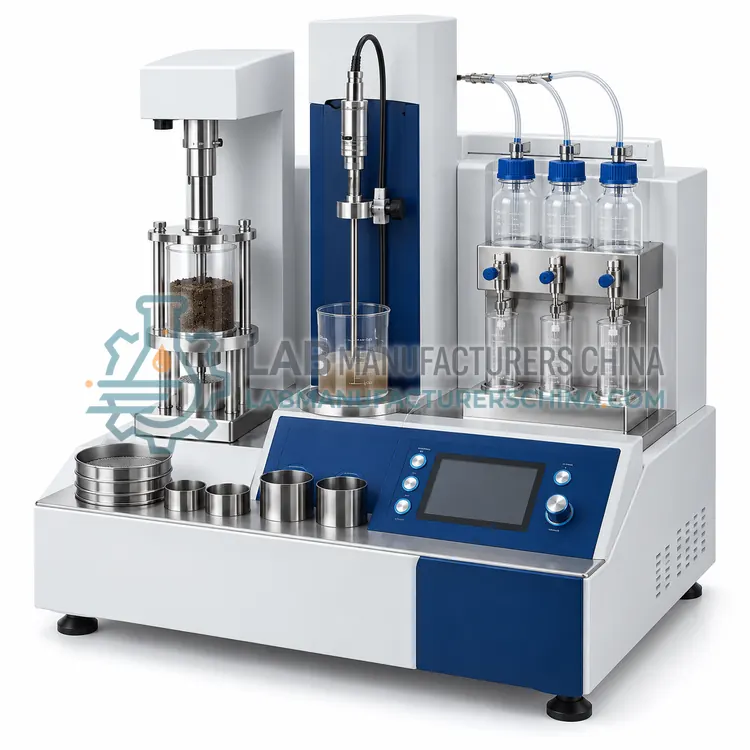
Gluten Content Analyzer

面筋含量分析仪

  • GRA-0004
  • Grain Analysis
  • CE (to be confirmed)
  • RoHS (to be confirmed)
  • ISO 9001 manufacturing (to be confirmed)
Measurement:
Wet gluten, gluten index, dry gluten
Sample mass:
10 g flour (14% moisture basis)
Washing time:
5 min standard
Centrifuge speed:
6000 rpm, 1 min
Wet gluten range:
10–60%
Gluten index range:
0–100

A system that washes starch from a dough ball to determine wet gluten and gluten index. It is the right choice for flour mills and bakeries that need objective dough strength data for wheat selection and blending.

Request a quote
View details

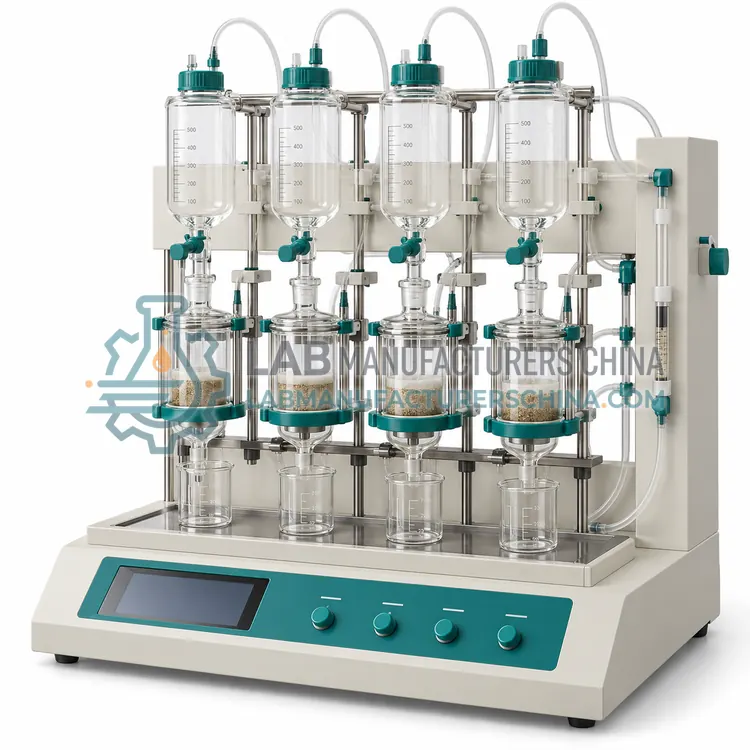
Grain Test Weight Meter

谷物容重仪

  • GRA-0005
  • Grain Analysis
  • CE (to be confirmed)
  • RoHS (to be confirmed)
  • ISO 9001 manufacturing (to be confirmed)
Measurement:
Test weight (bulk density)
Measurement range:
50–90 kg/hL
Cup volume:
0.25–1 L (standard)
Resolution:
0.1 kg/hL
Accuracy:
±0.2 kg/hL
Drop height:
Fixed per standard method

An instrument that determines test weight by filling a calibrated container from a standard hopper. It is the right choice for rapid grading and trade settlement where density indicates grain soundness and milling yield.

Request a quote
View details

Compare Grain Analysis models

ModelMeasurement principleMeasurement timeSample volumeOperating temperaturePower supply
Near-Infrared Grain Quality AnalyzerGRA-0001Near-infrared reflectance and transmission10–60 s per sample100–600 g (whole grain)5–40 °C100–240 VAC, 50/60 Hz
Grain Moisture MeterGRA-0002Capacitance or resistance3–10 s100–500 mL (cup)0–40 °CBattery or mains
Falling Number ApparatusGRA-0003———10–35 °C ambient220 VAC, 50 Hz
Gluten Content AnalyzerGRA-0004———15–30 °C ambient220 VAC, 50 Hz
Grain Test Weight MeterGRA-0005———10–35 °CBattery or mains

Indicative values for this product class. Final specifications are confirmed on the quotation and in the calibration documents supplied with the instrument.

How do Grain Analysis work?

Grain analysis uses several techniques. Near-infrared instruments measure the reflectance or transmission of light at selected wavelengths, and multivariate calibration models relate the spectra to protein, moisture, oil and starch content. Capacitance moisture meters measure the dielectric constant of a grain sample, which rises with water content, and are calibrated per species and temperature. The falling number apparatus gelatinises a ground grain suspension in a boiling water bath and times the fall of a stirrer through the paste, giving a viscosity-related index of sprout damage and alpha-amylase activity. Gluten content is determined by washing a dough ball mechanically to remove starch, or by near-infrared prediction, and gluten index measures its elasticity. Test weight, or hectolitre weight, is the mass of grain filling a standard volume, measured by a filling hopper and a calibrated container.

Which Grain Analysis variants are available?

  • Near-Infrared Grain Quality Analyzer — A spectrometer that predicts protein, moisture, oil, starch and other components from a grain spectrum in under a minute.
  • Grain Moisture Meter — A calibrated meter that measures moisture in whole grain by capacitance or resistance in seconds.
  • Falling Number Apparatus — A laboratory instrument that measures alpha-amylase activity in grain by timing a stirrer through a heated flour paste.
  • Gluten Content Analyzer — A system that washes starch from a dough ball to determine wet gluten and gluten index.
  • Grain Test Weight Meter — An instrument that determines test weight by filling a calibrated container from a standard hopper.

How do I choose the right variant?

Start from the parameters and the reference method required by the trading contract or the internal specification. For rapid multi-parameter grading at intake, near-infrared analyzers give protein, moisture, oil and starch in under a minute and suit high throughput, but their calibrations must cover the grain species, variety groups and moisture ranges encountered. For legally reported moisture, use a capacitance or oven method calibrated to the applicable standard. Select the falling number apparatus when sprout damage or alpha-amylase activity matters for milling and baking. Choose a gluten analyzer when dough strength is the key quality parameter for flour. Confirm sample presentation, calibration maintenance, reference laboratory support and the ability to update models as new varieties are grown.

Where are Grain Analysis used?

Grain Analysis are specified in grain elevator intake grading, flour and semolina milling control, feed ingredient quality control and wheat and barley breeding programs.

Which standards and certifications apply?

Work with Grain Analysis is commonly governed by ISO 712 (moisture), ISO 3093 (falling number), AACC Method 56-81B, ICC Standard 105/2, ISO 21415-2 (gluten) and GB/T 5498 (test weight). Instrument certifications such as CE marking are confirmed per configuration and never assumed.

What are the key considerations before purchase?

Keep near-infrared instruments clean and free of dust, and run the daily check sample supplied with the calibration to detect drift. Store reference samples for the grain species in use and send periodic samples to a reference laboratory for biased calibration updates. For capacitance meters, control sample temperature and fill volume exactly, since both affect readings. The falling number apparatus needs a boiling water bath at a stable rolling boil, correct grinding and accurate timing to meet the standard. Grain samples should be representative, taken with a proper divider, and stored dry to avoid moisture change before analysis. Record instrument settings, sample mass and results so that data can be traced to the method used.

Frequently asked questions about Grain Analysis

The falling number is the time in seconds for a stirrer to fall through a heated flour and water paste. A low value indicates high alpha-amylase activity and sprout damage, which reduces bread quality, while a high value indicates sound, un-sprouted grain.

Need help specifying Grain Analysis?

Request a quote