How do Microbiology Testing work?
Culture-based methods remain the reference: a measured portion of sample is homogenised, enriched and plated on selective media, incubated at a set temperature, and colonies are counted and reported as colony-forming units per gram or millilitre. Rapid methods shorten the result time by detecting specific molecules. Real-time PCR amplifies pathogen DNA and reads fluorescence cycle by cycle. Immunoassays detect antigens or toxins with antibodies in microplate or lateral-flow formats. MALDI-TOF mass spectrometry identifies isolates from their protein fingerprints within minutes. ATP luminometry measures adenosine triphosphate as a general indicator of organic residue and microbial load on surfaces. Each rapid method must be validated against the cultural reference for the matrix in use.
Which Microbiology Testing variants are available?
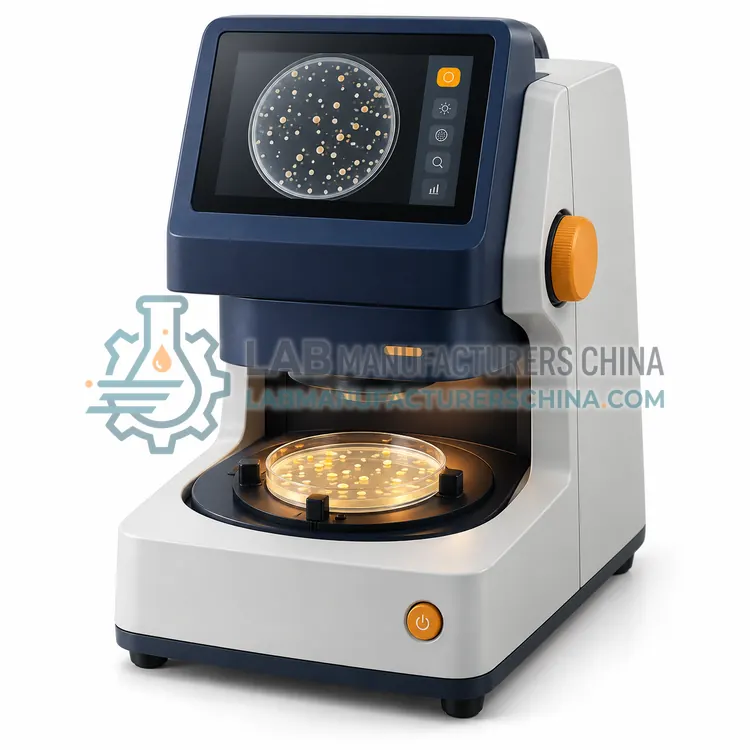
- Automated Colony Counter for Food Microbiology — An automated colony counter photographs and analyses incubated agar plates, detecting and counting colonies in seconds.
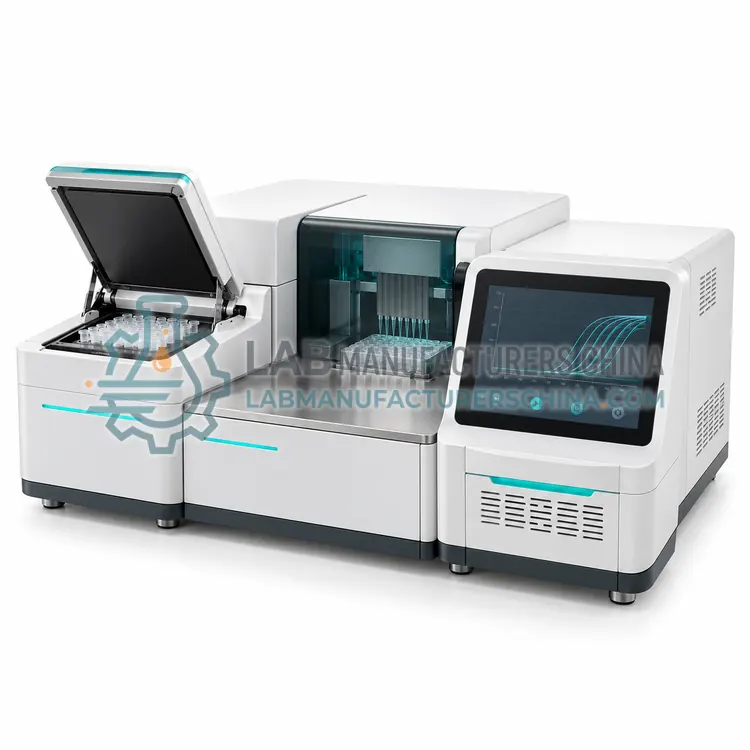
- Real-Time PCR Food Pathogen Detection System — A real-time PCR food pathogen system detects Salmonella, Listeria, E.
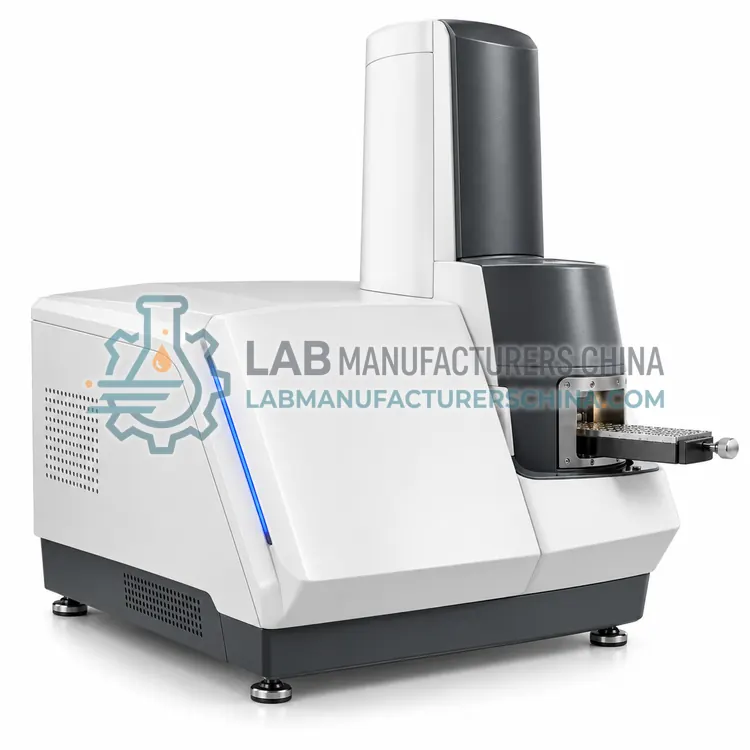
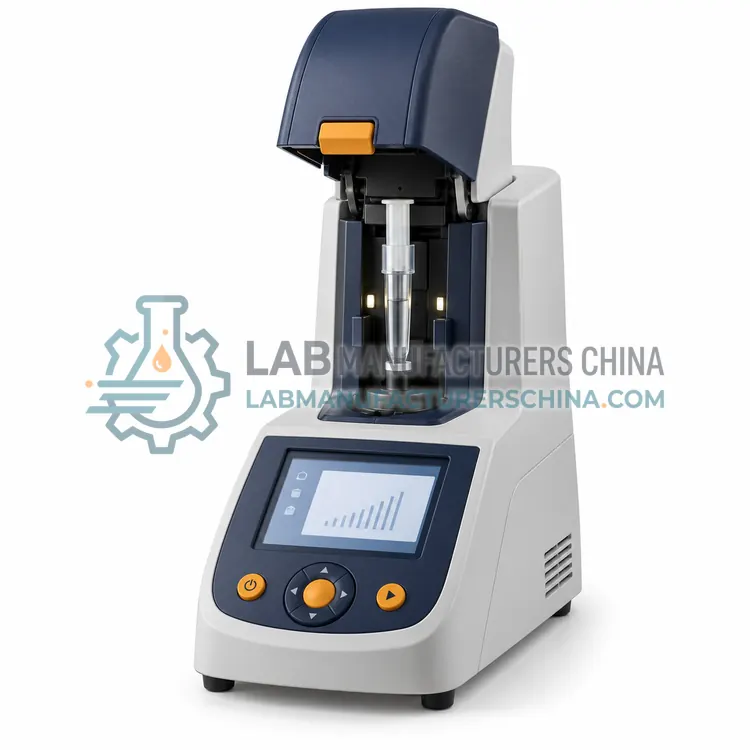
- MALDI-TOF Microbial Identification System — A MALDI-TOF system identifies bacterial, yeast and mould isolates from their protein mass fingerprints within minutes.
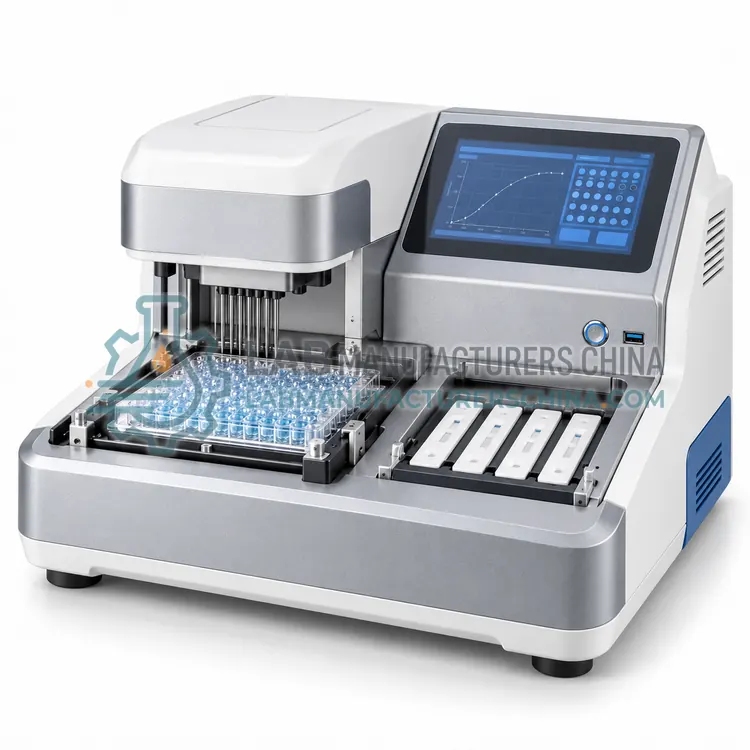
- ELISA and Lateral Flow Pathogen Reader — An ELISA and lateral flow reader detects pathogen antigens or toxins from enriched food samples using antibody-based assays.
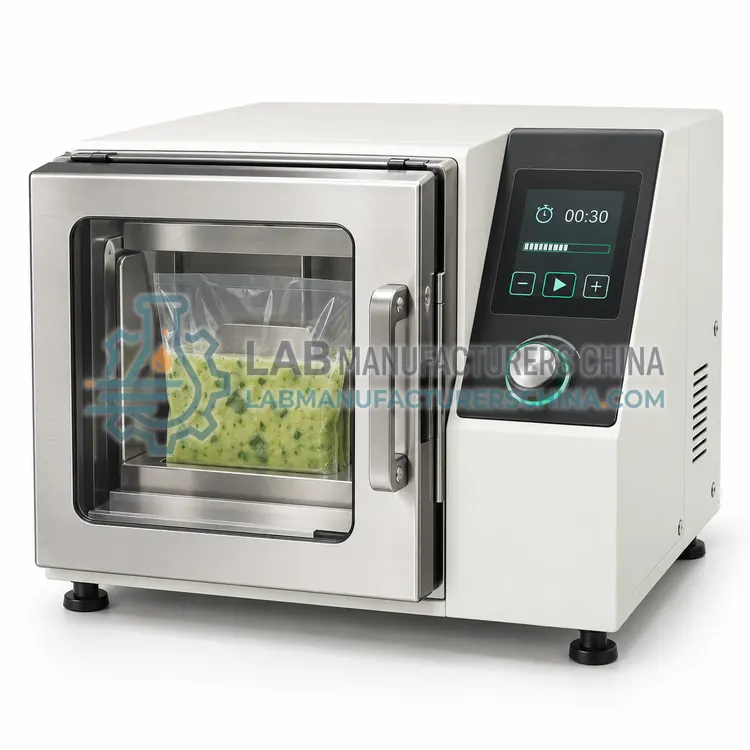
- Laboratory Stomacher for Food Sample Homogenisation — A laboratory stomacher homogenises food samples inside a sterile bag by repeated paddle action, releasing microorganisms into the diluent without cross-contamination.
- ATP Hygiene Monitoring Luminometer — An ATP hygiene monitoring luminometer measures adenosine triphosphate on surfaces and in rinse water to verify cleaning in seconds.
How do I choose the right variant?
Begin with the organisms and limits your regulation or customer specification names, then decide between cultural and rapid methods. Cultural methods are the accredited reference and cost less per test but take days, so they suit scheduled production and confirmatory work. PCR and immunoassay platforms give results within hours, which helps hold time-sensitive or short-shelf-life products, but they need validation, controls and staff training. MALDI-TOF identification reduces the time to identify isolates from days to minutes. Add ATP luminometry and air sampling for environmental and hygiene monitoring. Compare consumable cost per test, walkaway automation and local technical support.
Where are Microbiology Testing used?
Microbiology Testing are specified in pathogen testing of ready-to-eat and raw foods, hygiene and environmental monitoring in food plants, shelf-life and challenge testing, water and process-water microbiological control, dairy, beverage and brewing quality control and regulatory and export certificate testing.
Which standards and certifications apply?
Work with Microbiology Testing is commonly governed by ISO 7218, ISO 6579, ISO 11290, ISO 16649, ISO 4833, ISO 21528 and ISO/IEC 17025. Instrument certifications such as CE marking are confirmed per configuration and never assumed.
What are the key considerations before purchase?
Microbiology laboratories need separate clean and contaminated zones, controlled air flow, autoclave capacity and safe waste handling. Culture media and antibiotics have shelf life and must be stored correctly, and incubators require temperature mapping and monitoring. Rapid kits need positive and negative controls in every run, and results near the limit of detection should be confirmed by culture. Environmental monitoring programmes define sampling points, frequency and action levels. Keep validation records against ISO 7218 and the relevant organism standards, and confirm that suppliers provide training, proficiency-testing support and timely consumables.