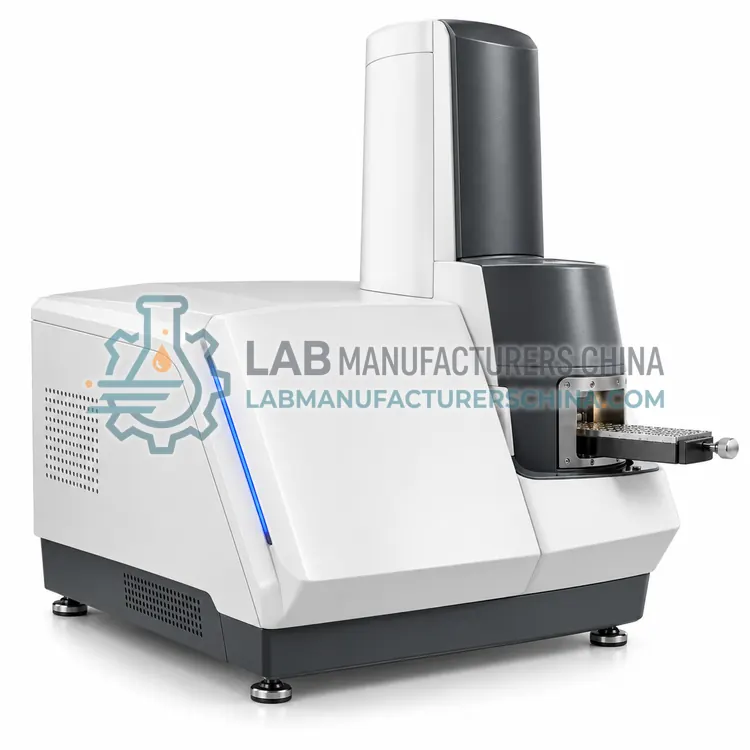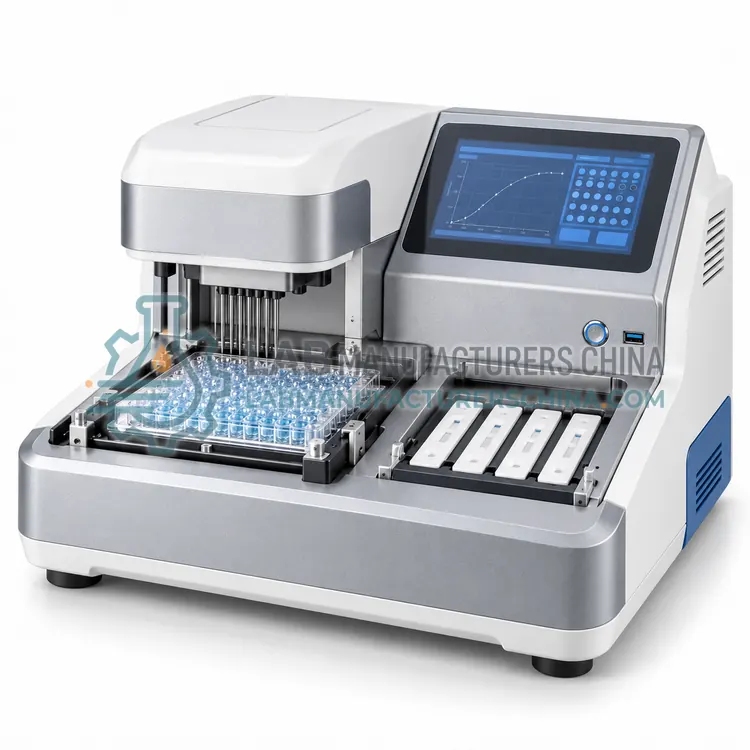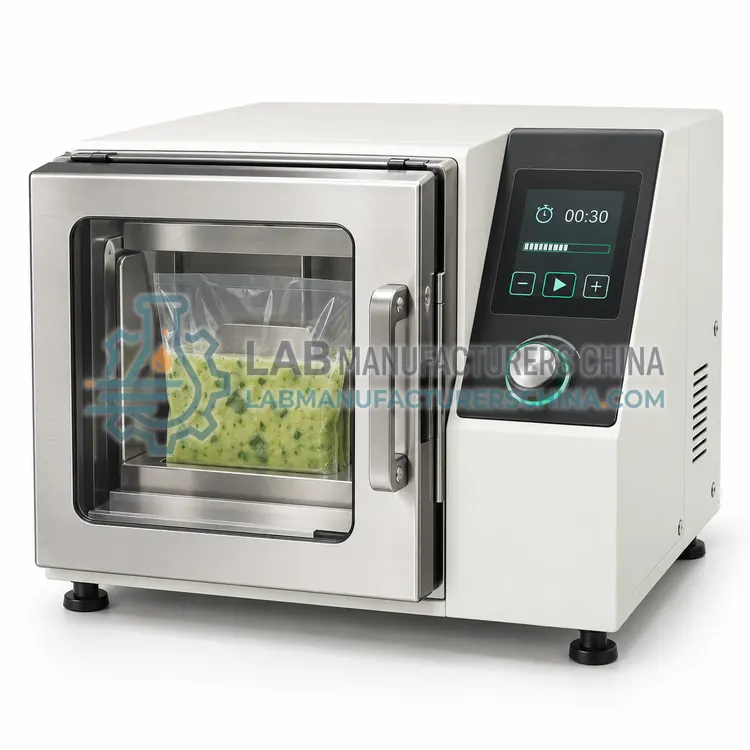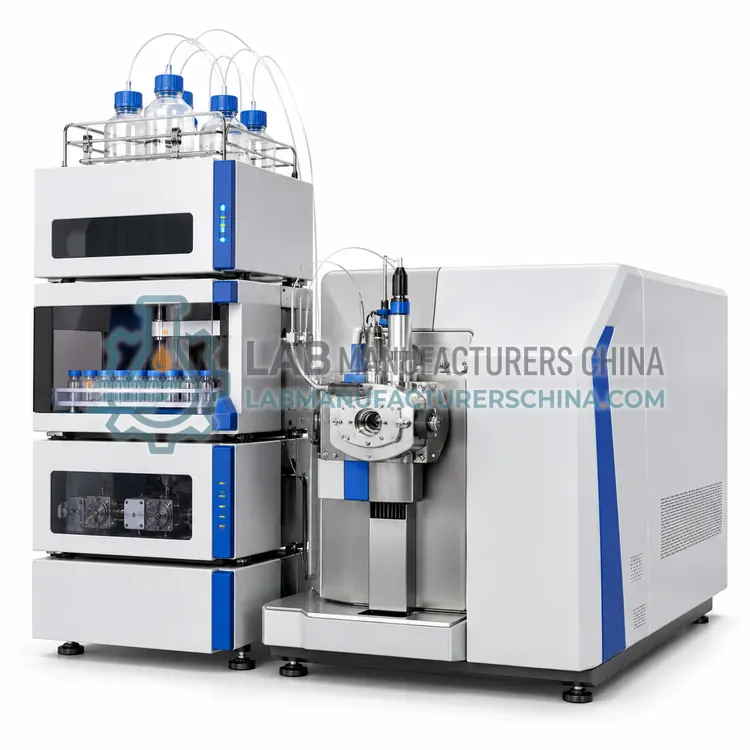
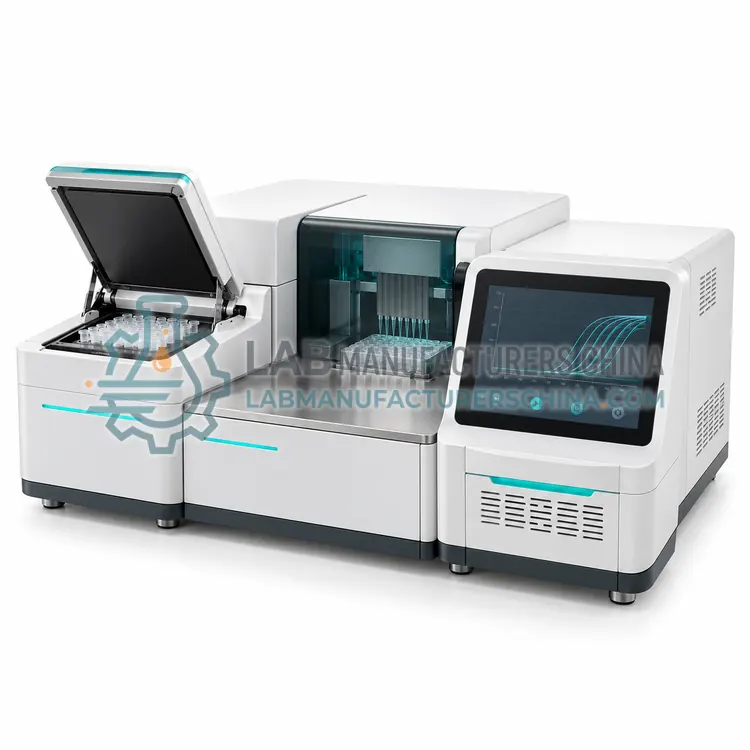
Real-Time PCR Food Pathogen Detection System
食品致病菌实时荧光 PCR 检测系统
- SKU MTE-0002
- Microbiology Testing
- CE (to be confirmed)
- ISO 9001 manufacturing (to be confirmed)
- AOAC-validated reagents (to be confirmed)
Price on request — FOB / CIF quoted per order
Prices depend on configuration, quantity and destination port.
Key specifications
| Optical channels | 4–6 fluorescence channels |
|---|---|
| Sample capacity | 16–96 reactions per run |
| Temperature uniformity | ±0.3 °C |
| Heating rate | Up to 5 °C/s |
| Detection limit | 1–10 CFU per 25 g after enrichment |
| Time to result | 12–24 h including enrichment |
Request a quote Download brochure · to be provided
By Lab Manufacturers China Technical TeamLast reviewed Standards: ISO 7218, ISO 6579, ISO 11290
What is the Real-Time PCR Food Pathogen Detection System?
A real-time PCR food pathogen system detects Salmonella, Listeria, E. coli O157 and other targets from enriched samples within hours. It shortens product holding time compared with culture, while retaining the specificity of DNA-based detection.
What is the Real-Time PCR Food Pathogen Detection System?
A real-time PCR food pathogen system detects Salmonella, Listeria, E. coli O157 and other targets from enriched samples within hours. It shortens product holding time compared with culture, while retaining the specificity of DNA-based detection.
Overview
After a short pre-enrichment that revives injured cells, DNA is extracted from the enrichment broth and amplified with pathogen-specific primers and fluorescent probes. The instrument tracks fluorescence each cycle and reports a cycle-threshold value that indicates presence or absence of the target. Multiplex reagents detect several pathogens in one reaction, and internal amplification controls guard against inhibition from the food matrix. Typical time to result is 12–24 hours including enrichment, compared with three to five days for cultural confirmation. Positive PCR results are usually confirmed by culture or an independent method. Systems range from compact benchtop instruments to high-throughput platforms with automated DNA extraction.
How does it work?
Culture-based methods remain the reference: a measured portion of sample is homogenised, enriched and plated on selective media, incubated at a set temperature, and colonies are counted and reported as colony-forming units per gram or millilitre. Rapid methods shorten the result time by detecting specific molecules. Real-time PCR amplifies pathogen DNA and reads fluorescence cycle by cycle. Immunoassays detect antigens or toxins with antibodies in microplate or lateral-flow formats. MALDI-TOF mass spectrometry identifies isolates from their protein fingerprints within minutes. ATP luminometry measures adenosine triphosphate as a general indicator of organic residue and microbial load on surfaces. Each rapid method must be validated against the cultural reference for the matrix in use.
What are the key features?
- Multiplex detection of Salmonella, Listeria and E. coli O157
- Internal amplification control in every reaction
- Results in 12–24 hours including pre-enrichment
- Automated DNA extraction option for higher throughput
- Validated enrichment protocols for common food matrices
- Audit-trail software with run reports and LIMS export
What are the technical specifications?
A typical real-time pcr food pathogen detection system configuration offers optical channels of 4–6 fluorescence channels, sample capacity of 16–96 reactions per run, temperature uniformity of ±0.3 °C, heating rate of Up to 5 °C/s, detection limit of 1–10 CFU per 25 g after enrichment and time to result of 12–24 h including enrichment. Values are indicative of the product class; the exact figures for each configuration are confirmed on the quotation and the calibration documents supplied with the instrument.
Which applications is it used for?
The Real-Time PCR Food Pathogen Detection System is used in rapid release testing of perishable foods, environmental Listeria monitoring, salmonella screening in poultry and eggs and cronobacter testing of powdered infant formula. Across the wider Microbiology Testing class, laboratories also deploy it for pathogen testing of ready-to-eat and raw foods, hygiene and environmental monitoring in food plants and shelf-life and challenge testing.
Which standards and certifications apply?
Relevant standards and methods include ISO 7218, ISO 6579, ISO 11290, ISO 16649, ISO 4833, ISO 21528 and ISO/IEC 17025. Certification candidates for this model are CE, ISO 9001 manufacturing and AOAC-validated reagents; each is to be confirmed for the specific configuration before shipment, and certificates are supplied only where they have been issued.
Microbiology laboratories need separate clean and contaminated zones, controlled air flow, autoclave capacity and safe waste handling. Culture media and antibiotics have shelf life and must be stored correctly, and incubators require temperature mapping and monitoring. Rapid kits need positive and negative controls in every run, and results near the limit of detection should be confirmed by culture. Environmental monitoring programmes define sampling points, frequency and action levels. Keep validation records against ISO 7218 and the relevant organism standards, and confirm that suppliers provide training, proficiency-testing support and timely consumables.
How do I select the right Real-Time PCR Food Pathogen Detection System?
Select a PCR pathogen system when short shelf life or holding cost makes faster release valuable, and when you can manage validation, controls and staff training. Confirm that reagents are validated for your food matrices and target organisms, and decide whether automated extraction is justified by sample numbers.
How does it compare with other Microbiology Testing variants?
Begin with the organisms and limits your regulation or customer specification names, then decide between cultural and rapid methods. Cultural methods are the accredited reference and cost less per test but take days, so they suit scheduled production and confirmatory work. PCR and immunoassay platforms give results within hours, which helps hold time-sensitive or short-shelf-life products, but they need validation, controls and staff training. MALDI-TOF identification reduces the time to identify isolates from days to minutes. Add ATP luminometry and air sampling for environmental and hygiene monitoring. Compare consumable cost per test, walkaway automation and local technical support.
Full specifications
| Optical channels | 4–6 fluorescence channels |
|---|---|
| Sample capacity | 16–96 reactions per run |
| Temperature uniformity | ±0.3 °C |
| Heating rate | Up to 5 °C/s |
| Detection limit | 1–10 CFU per 25 g after enrichment |
| Time to result | 12–24 h including enrichment |
| Targets | Salmonella, Listeria, E. coli O157, Cronobacter |
| Controls | Internal amplification and extraction controls |
| Data export | CSV, PDF, LIMS integration |
| Enrichment | Single-step broth protocols available |
Indicative values for this product class. Final specifications are confirmed on the quotation and in the calibration documents supplied with the instrument.
Applications
- Rapid release testing of perishable foods
- Environmental Listeria monitoring
- Salmonella screening in poultry and eggs
- Cronobacter testing of powdered infant formula
Key features
- Multiplex detection of Salmonella, Listeria and E. coli O157
- Internal amplification control in every reaction
- Results in 12–24 hours including pre-enrichment
- Automated DNA extraction option for higher throughput
- Validated enrichment protocols for common food matrices
- Audit-trail software with run reports and LIMS export
Frequently asked questions about Real-Time PCR Food Pathogen Detection System
Pathogen levels in food are often very low and cells may be injured by processing. Enrichment revives and multiplies the target so that its DNA can be detected reliably, and it also dilutes inhibitors that would suppress the amplification reaction.
Not necessarily. PCR detects DNA, which may come from dead cells. Most protocols require confirmation by culture from the same enrichment, and the regulatory decision depends on the standard and the organism concerned.
Yes. Multiplex reagents use different fluorescent dyes and probes so that two to four targets can be amplified in the same reaction, with an internal control. This reduces reagent use and hands-on time for routine screening panels.
Culture methods are the validated reference against which rapid methods are compared, they detect viable organisms and they remain accepted for regulatory decisions. Their main drawback is the several days needed for enrichment, plating, incubation and confirmation.
PCR methods typically give a result within 12 to 24 hours including enrichment, and immunoassays in 20 minutes to several hours. They shorten holding time but still require pre-enrichment for most pathogens because the infectious dose is low.
An ATP swab measures adenosine triphosphate on a surface, which indicates organic residue or microbial contamination after cleaning. It is a rapid pass/fail indicator used to verify cleaning, but it does not identify organisms or replace microbiological monitoring.