
Industrial QA & Materials Testing Laboratory Solutions
工业质控与材料检测
By Lab Manufacturers China Technical TeamLast reviewed
What laboratory equipment does Industrial QA & Materials Testing need?
Industrial quality assurance laboratories test raw materials and products for compliance with specifications. Typical equipment includes petroleum and lubricant testers, coal and mining analyzers, metallurgical and hardness testers, polymer, plastic, rubber and paper testing equipment, spectrometers, balances, ovens and furnaces, selected to ASTM, ISO and GB/T methods.
What does an industrial QA laboratory do?
An industrial QA laboratory verifies that incoming materials, in-process samples and finished goods meet customer and regulatory specifications. It issues test reports, supports supplier audits and investigates failures.
The work is method driven. Results must be reproducible and comparable across sites and with customers, so laboratories follow published standards from ASTM, ISO, IEC or national bodies and keep apparatus within defined tolerances through calibration.
Most industrial laboratories serve production, so turnaround time matters. A result that arrives after the batch has shipped is of limited value. Consider how quickly each method runs, how many samples can be processed in parallel and how easily operators can be trained.
Petroleum, oil and lubricant testing
Fuel and lubricant laboratories test properties that predict performance and safety. Typical instruments are flash point testers (ASTM D93, D92), kinematic viscometers (ASTM D445), distillation units (ASTM D86), pour and cloud point apparatus (ASTM D97, D2500), density meters, water-by-Karl-Fischer titrators and corrosion test baths.
Automatic models reduce operator influence and often correct for barometric pressure. Always specify the method revision required by your customer.
Keep a record of every apparatus and its standard revision in a simple equipment register. When a standard is updated, the register shows immediately which apparatus may need modification or replacement.
Coal, mining and metallurgy
Coal laboratories determine moisture, ash, volatile matter, calorific value and sulfur, using muffle furnaces, calorimeters and sulfur analyzers alongside crushers, pulverizers and sample dividers for preparation. Mining laboratories add fire assay furnaces and XRF or ICP analysis for ore grade.
Metallurgical laboratories use optical emission (spark) spectrometers for alloy composition, hardness testers, metallographic cutting, mounting and polishing equipment and microscopes for microstructure. Sample preparation quality strongly affects results.
Polymers, plastics, rubber and paper
Materials laboratories measure mechanical, rheological and thermal behavior. Common equipment includes melt flow indexers (ISO 1133), universal testing machines for tensile and flexural tests (ISO 527, ISO 178), impact testers, Shore hardness testers, rubber rheometers and Mooney viscometers, and DSC and TGA thermal analyzers.
Paper and board testing uses thickness, burst strength, tear and moisture instruments under standard atmosphere conditions. Conditioning chambers are often required.
Selecting equipment and preparing an RFQ
Start with the exact standard and revision, then check that the model implements its dimensions, heating or loading rates and reporting. Consider automation, safety features such as flame detection or guards, and calibration support.
An RFQ should state:
- Standard methods and revisions required
- Sample types, sizes and daily volume
- Data output and software needs
- Calibration and certificate requirements
- Utilities, ventilation and room conditions
Conformity to a named standard is confirmed at quotation.
Calibration, traceability and accreditation
Industrial customers often require test reports from laboratories accredited to ISO/IEC 17025. Accreditation depends on calibrated equipment, validated methods, trained staff and documented uncertainty. Temperature sensors, force cells, balances, timers and dimensional gauges each need a calibration schedule with certificates traceable to national standards.
Choose apparatus that makes calibration straightforward, for example with accessible sensor ports, verification kits and reference materials such as certified viscosity oils or reference fuels. Automatic instruments that record verification results reduce paperwork.
Intermediate checks between calibrations are good practice. Use control samples or reference materials to detect drift and plot the results on a control chart. Investigate any trend before it causes out-of-tolerance reporting. Suppliers can often provide factory calibration data, and accredited recalibration is arranged separately.
Safety and site conditions
Many industrial tests use heat, flame, pressure, solvents or heavy samples. Flash point testers need ventilation and often a fume extraction hood. Furnaces and calorimeters need heat-resistant benches and adequate clearance. Pressure vessels such as oxygen bomb calorimeters require regular inspection and procedures for safe handling.
Mechanical testers for tensile, impact or crush testing need guards, emergency stops and secure mounting. Crushers and pulverizers generate dust and noise, so provide extraction and hearing protection.
Including laboratory safety equipment in the plan is worthwhile: flammable storage cabinets, fire blankets and extinguishers, eyewash stations and spill kits. Electrical safety of the apparatus itself is typically assessed against IEC 61010-1 together with the relevant part 2 standard, and certification status is to be confirmed for each model.
Equipment for Industrial QA & Materials Testing
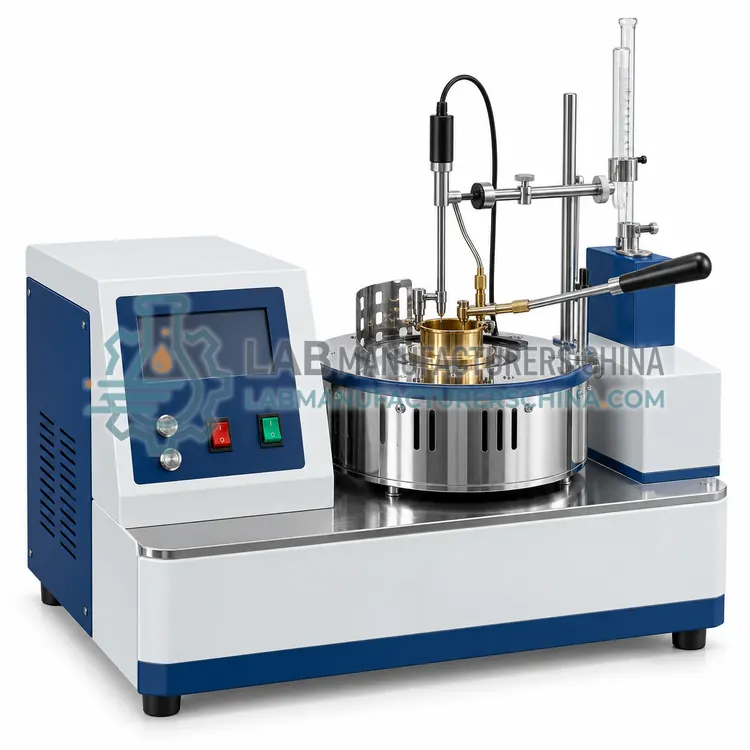 CPTE5 product types石油测试设备Petroleum testing equipment covers laboratory instruments that measure the physical, chemical and performance properties of crude oil and refined products, including flash point, distillation range, viscosity, sulfur content and octane or cetane quality. Refineries, terminals, fuel distributors and independent inspection laboratories use them to verify product specifications.
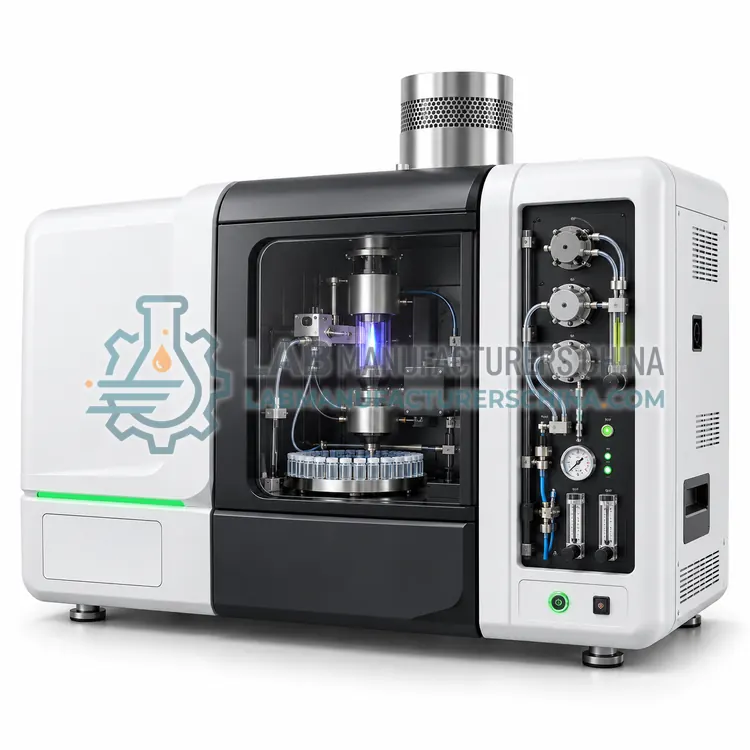 COTE5 product types油品检测设备Oil testing equipment covers laboratory and field instruments that measure the physical, chemical and electrical properties of mineral oils, insulating oils, edible oils and fuel oils. It is used by utilities, refineries, food processors and maintenance teams to verify quality, detect degradation and decide on oil change or treatment.
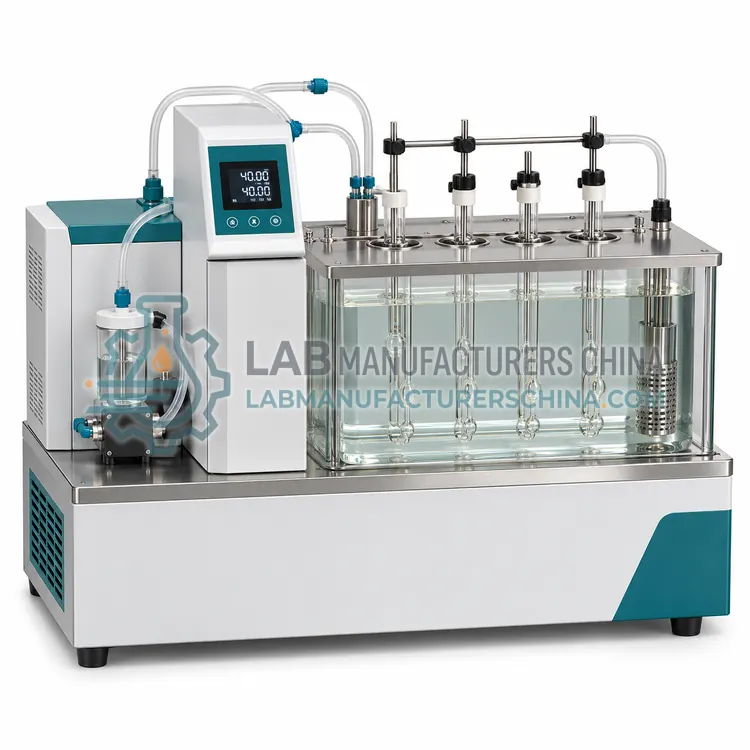 CLTE5 product types润滑剂检测设备Lubricant testing equipment covers instruments that measure the viscosity, wear protection, grease consistency, oxidation resistance and in-service condition of lubricating oils and greases. Lubricant formulators, base-oil producers, equipment makers and maintenance laboratories use it to qualify products and track degradation.
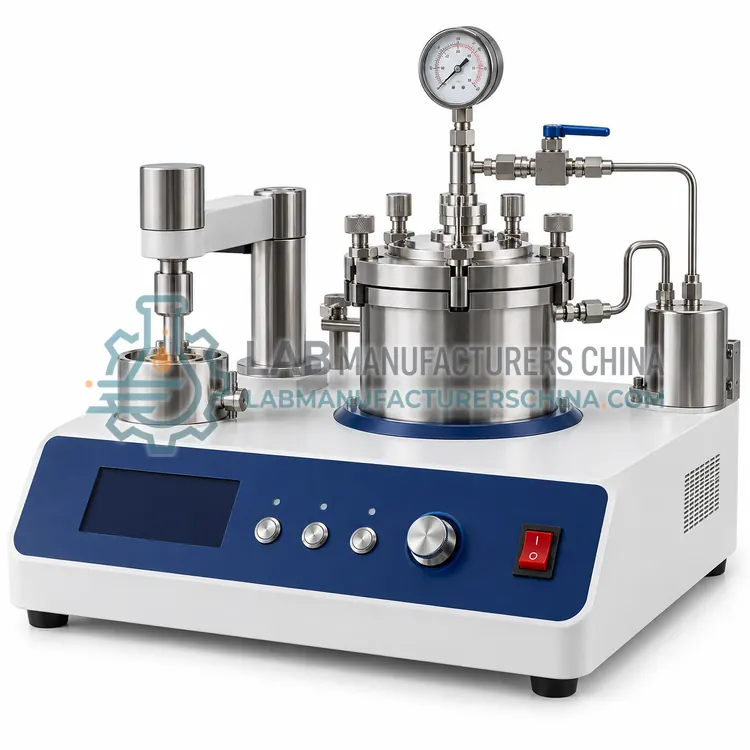 CCTE5 product types煤炭检测设备Coal testing equipment covers laboratory instruments that measure the quality and composition of coal and coke, including calorific value, ash, sulfur, moisture and volatile matter. Mines, power plants, steel mills and trading laboratories use it to grade coal, price shipments and confirm contract and emissions compliance.
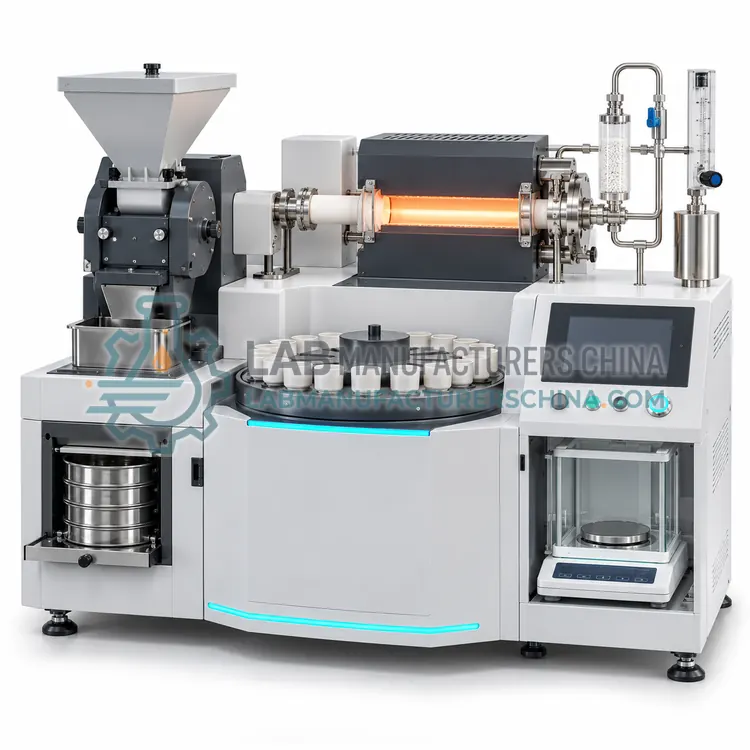 CMLE5 product types矿业实验室设备Mining laboratory equipment covers the instruments used to prepare mineral samples and to test ore properties: crushers, pulverizers, splitters and flotation cells, together with mineral analysis instruments such as X-ray diffraction and automated mineralogy systems. Mines, concentrators, geologists and assay laboratories use them.
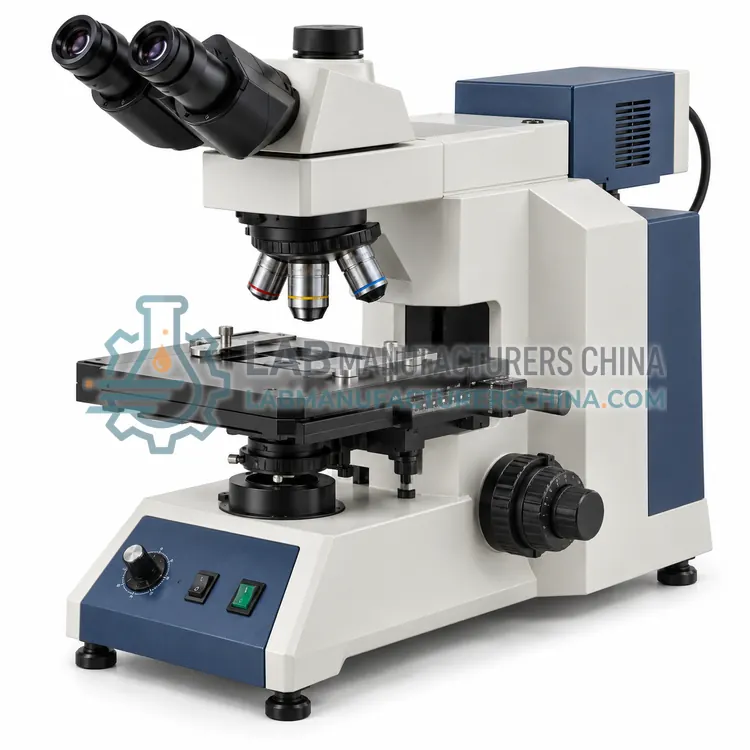 CMET5 product types金相与冶金实验室设备Metallurgical laboratory equipment covers the instruments used to prepare metal specimens, examine microstructure, test mechanical properties and determine chemical composition. Foundries, steel mills, heat treaters, welding shops and inspection bodies use it for quality control and failure analysis.
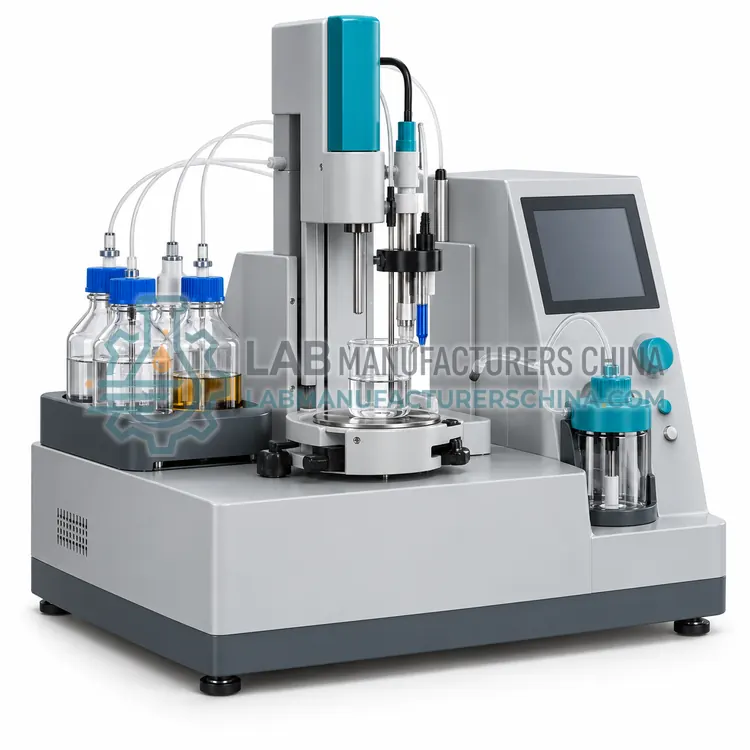 CCAE5 product types化学分析设备Chemical analysis equipment covers instruments that determine the composition and concentration of substances in industrial, petroleum, mining and environmental samples. It includes titrators, spectrometers, elemental analyzers, electrochemical analyzers and sample preparation systems used by QC laboratories, refineries, mineral assay labs and research institutes.
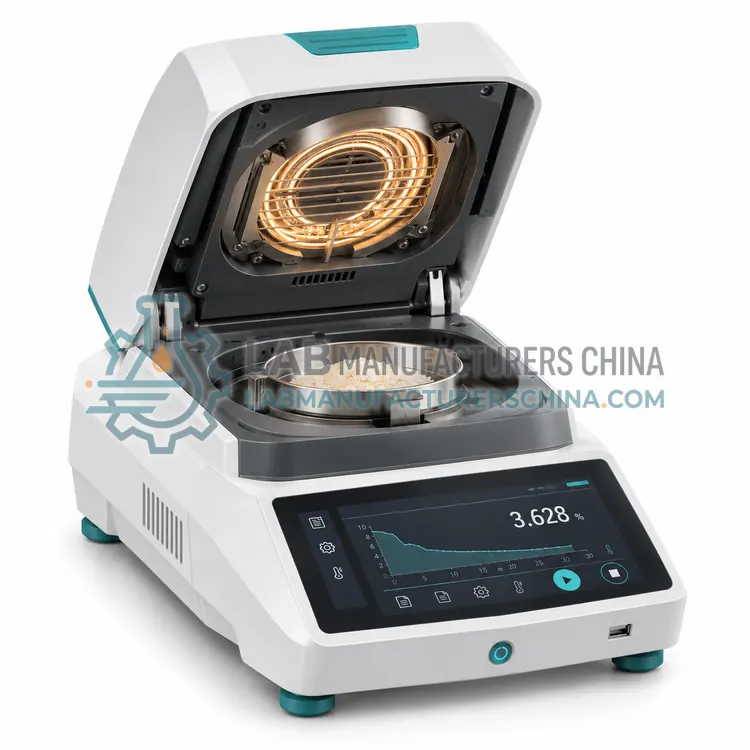 CIQC5 product types工业质量控制设备Industrial quality control equipment covers the analyzers, inspection tools, in-line process instruments, measurement systems and sample preparation devices used to verify that raw materials, intermediates and finished goods meet specification. It serves production laboratories, incoming inspection, process engineering and quality assurance teams across manufacturing sectors.
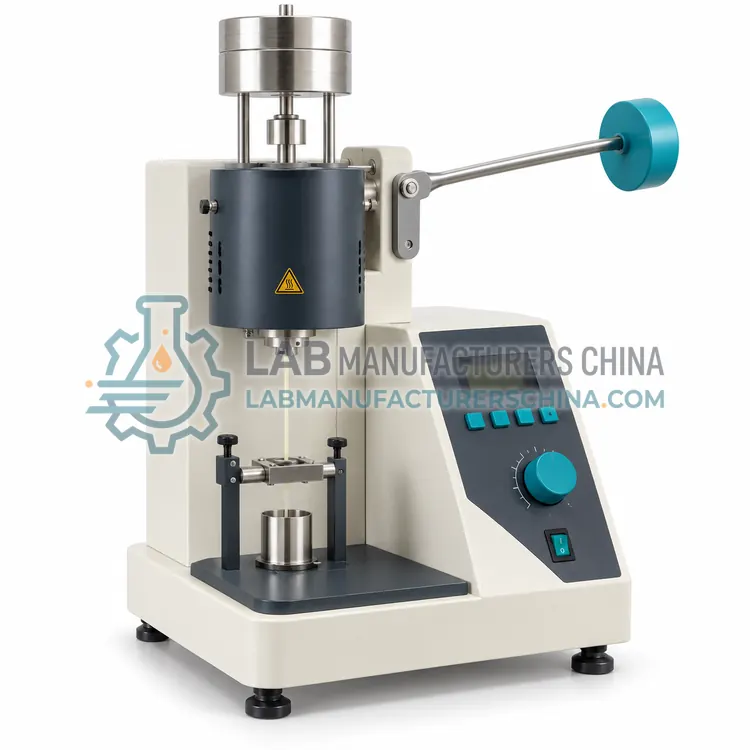 CPOL5 product types聚合物分析设备Polymer analysis equipment characterizes how plastics, elastomers and resins flow, melt, degrade and absorb light. It includes melt flow testers, differential scanning calorimeters, thermogravimetric analyzers, rheometers and spectrometers used by resin producers, compounders, converters and materials research laboratories to verify grade, composition and processing behavior.
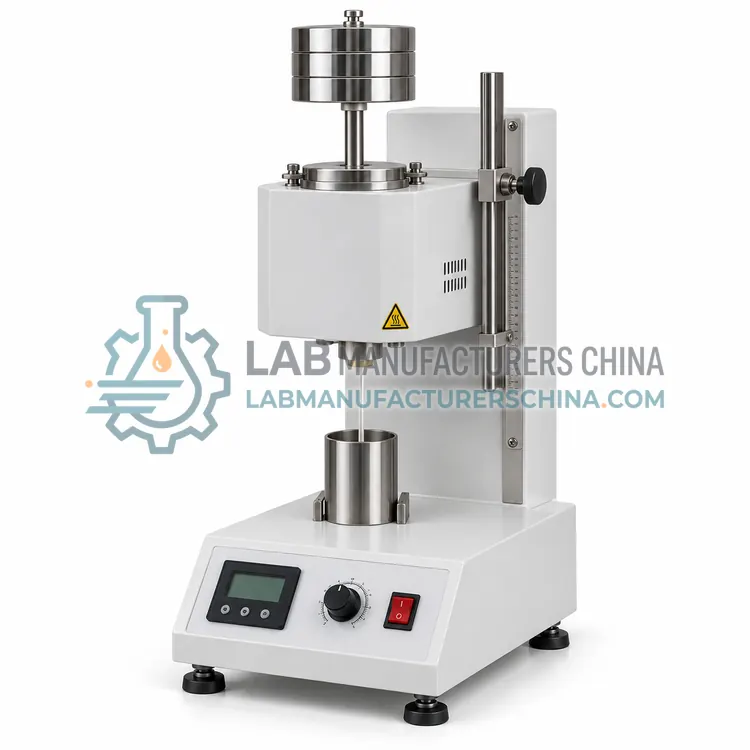 CPLA5 product types塑料分析设备Plastic analysis equipment measures the flow, density, thermal behavior, impact resistance and composition of plastic materials and finished parts. It is used by resin suppliers, molders, recyclers and testing laboratories for incoming inspection, grade verification, product qualification and failure analysis under ISO and ASTM methods.
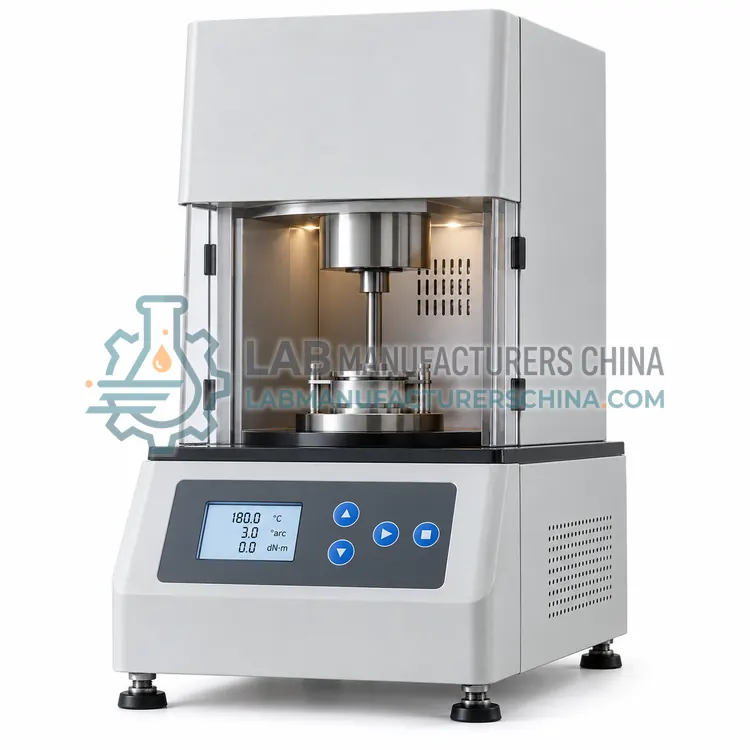 CRAE5 product types橡胶分析设备Rubber analysis equipment measures the processing, curing, aging and composition of raw rubber, compounds and vulcanized products. It includes rheometers, Mooney viscometers, rubber process analyzers, aging ovens and composition analyzers used by tire makers, compounders, seal and hose manufacturers and testing laboratories.
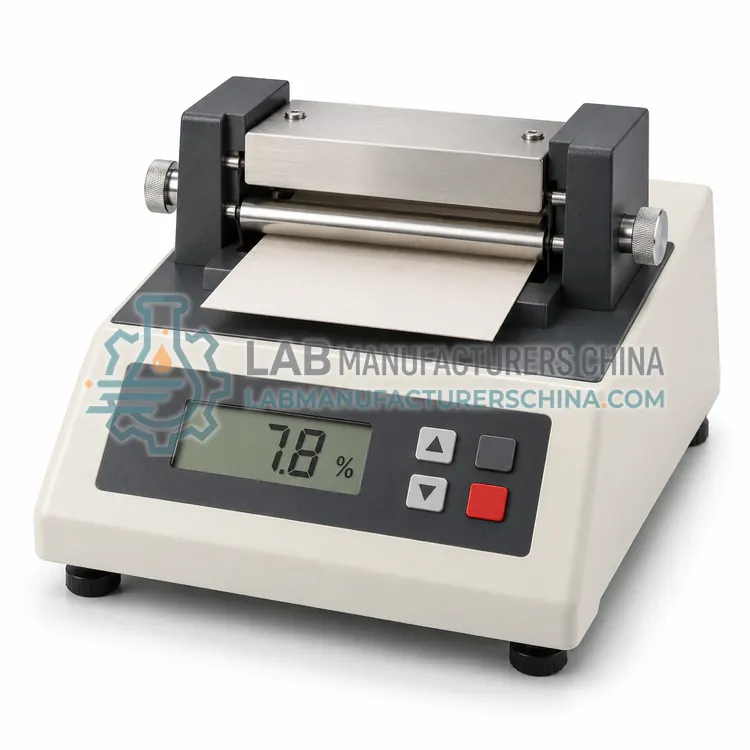 CPAP5 product types纸张分析设备Paper analysis equipment measures the moisture, thickness, brightness, burst strength and overall physical quality of paper, board and packaging. It is used by paper mills, converters, packaging manufacturers and testing laboratories for grade control, customer specification compliance and troubleshooting of runnability and print performance.
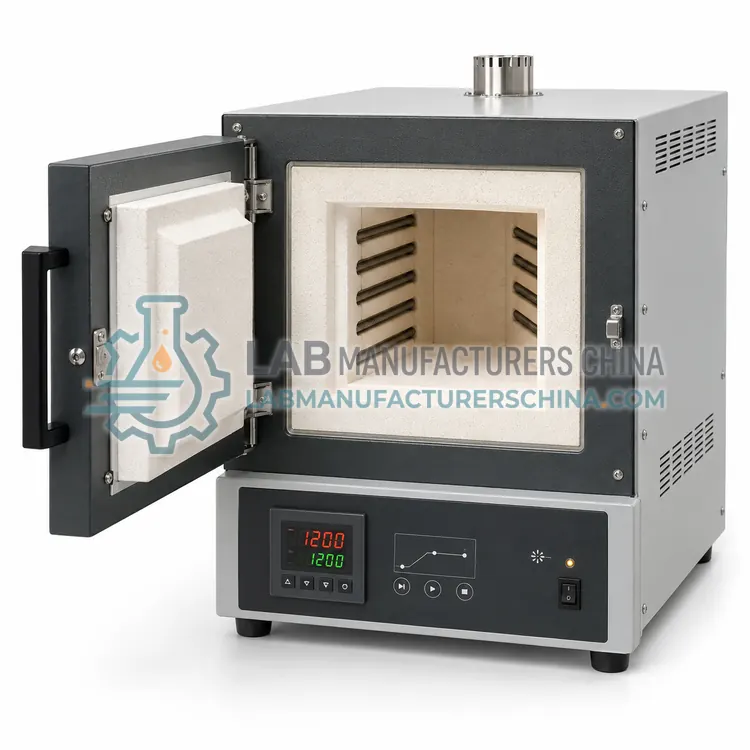 CLAF5 product types实验室高温炉Laboratory furnaces are high-temperature electrically heated chambers used for ashing, sintering, calcination, melting and heat treatment, with working temperatures from about 1000 C up to 1800 C. The category includes muffle, tube, vacuum, ashing and high-temperature furnaces, which differ in chamber geometry, atmosphere control and maximum temperature.
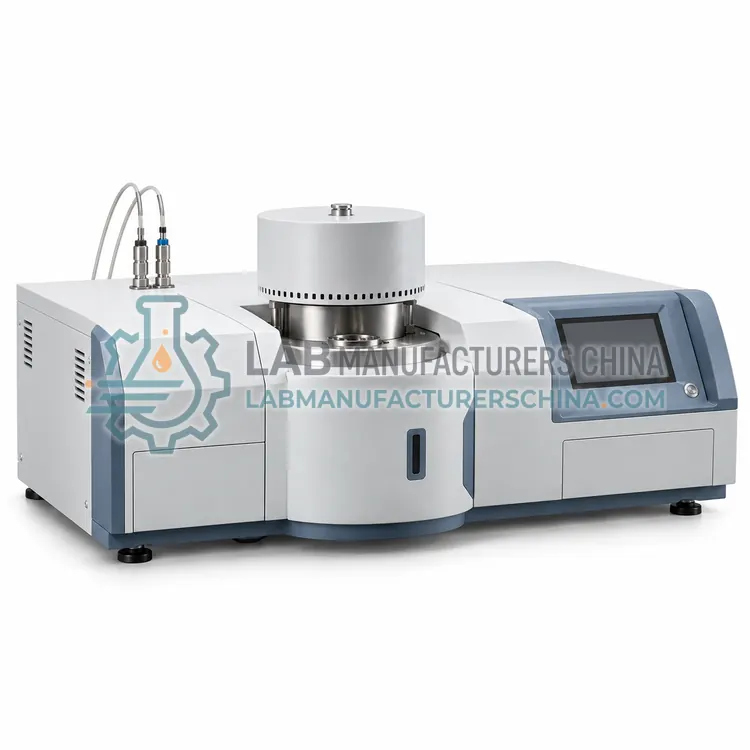 CTAI6 product types热分析仪器Thermal analysis instruments measure how a material's physical or chemical properties change with temperature or time under a controlled program. The category covers DSC, TGA, DTA, TMA, DMA and simultaneous thermal analyzers used for polymers, pharmaceuticals, ceramics, metals and energy materials.
Reference project
A case study for this industry will be added once a suitable project is available.
Frequently asked questions about Industrial QA & Materials Testing
Core equipment includes flash point testers, kinematic viscometers with temperature baths, distillation units, pour and cloud point apparatus, density meters and Karl Fischer titrators. Additional tests cover corrosion, foaming and oxidation stability. The method list determines the exact configuration.
Automatic apparatus improves repeatability, reduces operator time and often records data electronically, making it suitable for high volumes. Manual apparatus costs less to operate and suits occasional testing. Whichever you choose, the apparatus must meet the dimensions and procedure of the standard method.
Calibration certificates for temperature, force, mass or other parameters can be discussed at quotation, together with the reference standards used. Accredited calibration under ISO/IEC 17025 is typically arranged separately. Specify the certificate type you need in your RFQ.
OEM and ODM options, including private labeling and modified configurations, may be available for qualifying projects. Feasibility, tooling, lead time and minimum order quantity are to be confirmed. Provide drawings, target standards and expected volumes in your inquiry.