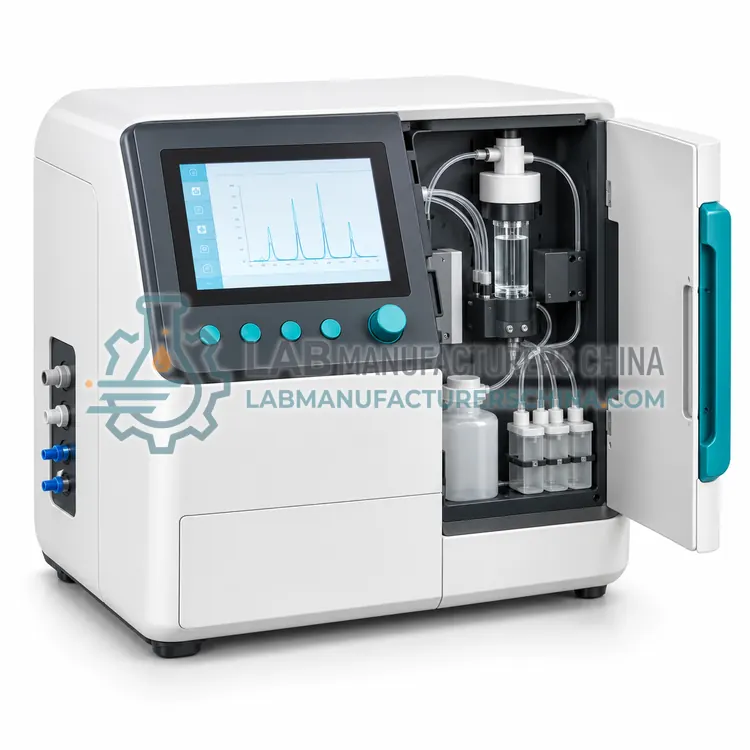
Heavy metal analyzers rely on electrochemical or atomic spectroscopic principles. In anodic stripping voltammetry (ASV), metals are first deposited onto a working electrode at a negative potential, then re-oxidized by a potential sweep, and the stripping current peak at a characteristic potential is proportional to concentration. In atomic absorption spectrometry (AAS), a sample is atomized in a flame or graphite furnace and a hollow cathode lamp beam is absorbed at the metal's wavelength according to Beer–Lambert law. Atomic fluorescence spectrometry (AFS) generates mercury or arsenic hydrides by reaction with borohydride, excites the atoms with a lamp and detects the emitted fluorescence at right angles. Calibration with certified standards, matrix modification and blank correction yield concentrations in µg/L.
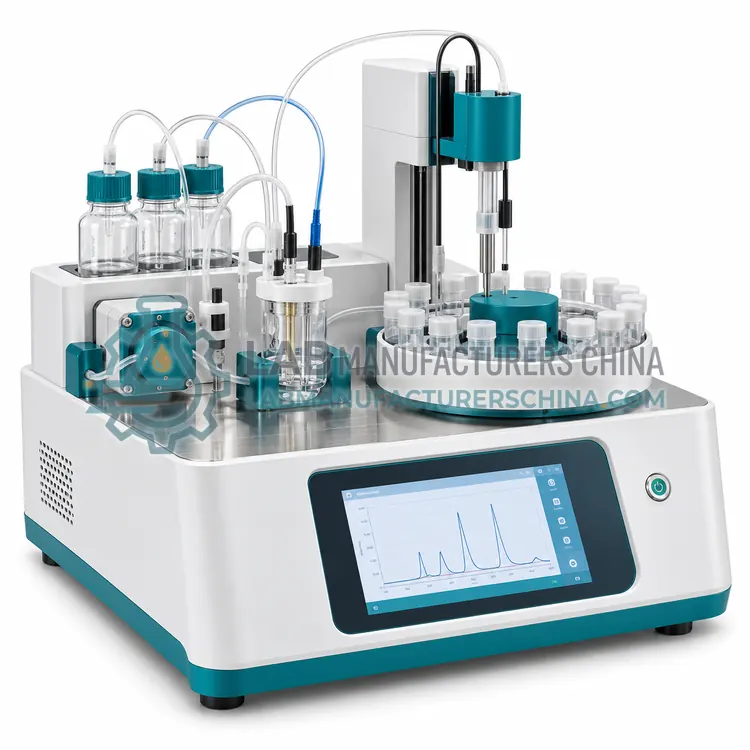
- Anodic Stripping Voltammetry Heavy Metal Analyzer — An electrochemical analyzer that preconcentrates metals on a working electrode and measures stripping peaks for lead, cadmium, copper and zinc at 0.1 to 1000 µg/L.
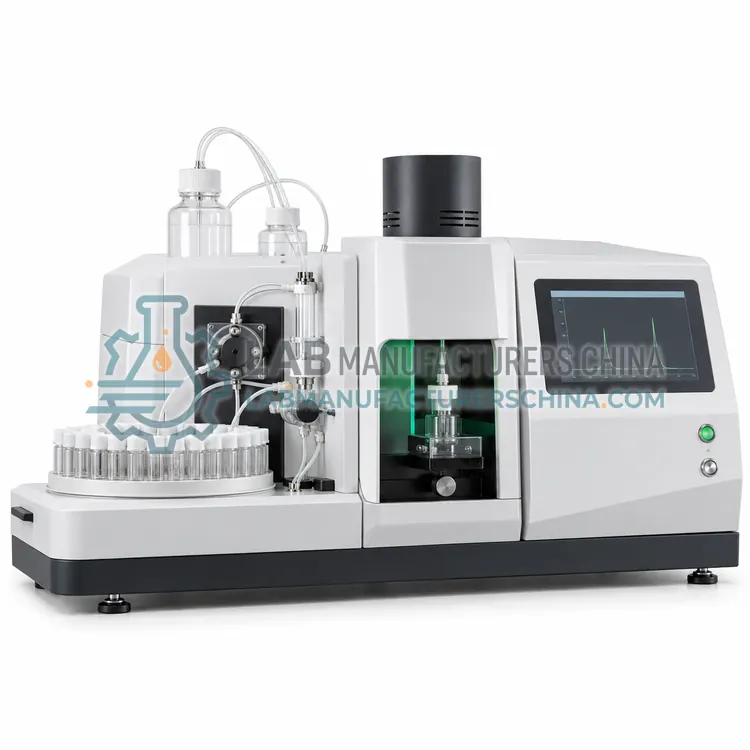
- Atomic Fluorescence Spectrometer for Mercury and Arsenic in Water — A non-dispersive atomic fluorescence spectrometer with hydride generation and cold vapor modes, detecting mercury, arsenic, selenium, antimony, bismuth and tin in water at sub-µg/L levels.
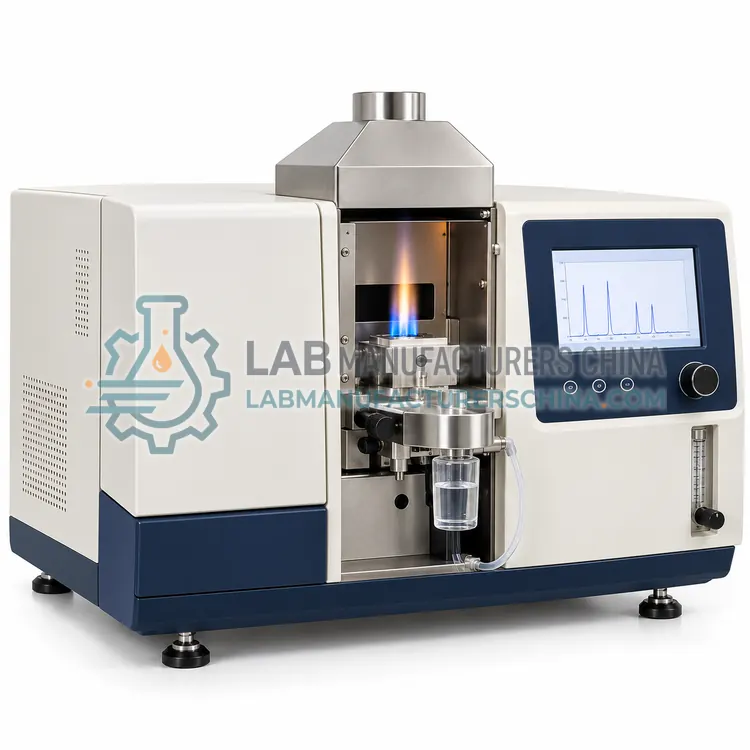
- Flame Atomic Absorption Spectrometer for Metals in Water — A flame AAS with air-acetylene burner and hollow cathode lamps for copper, zinc, iron, manganese, chromium, nickel and other metals in water.
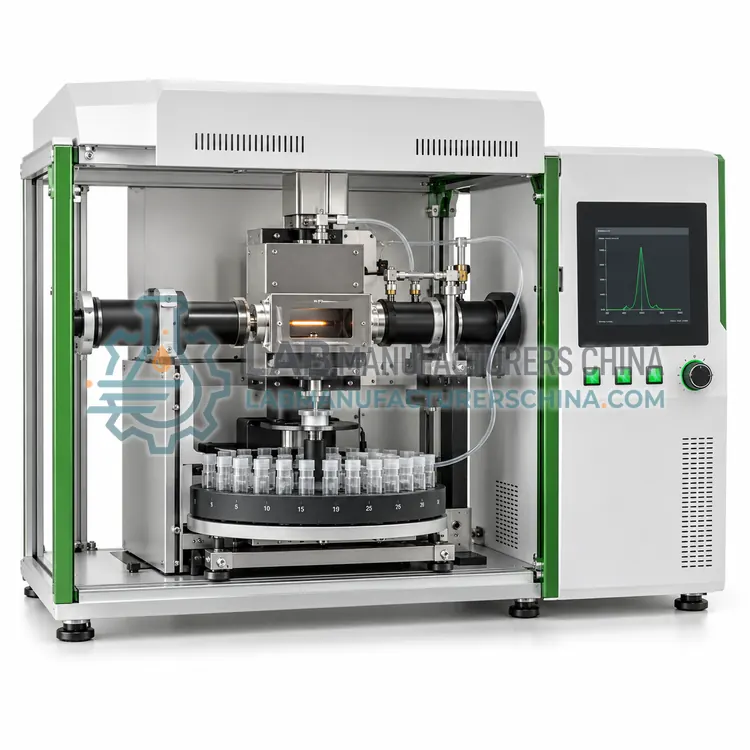
- Graphite Furnace Atomic Absorption Spectrometer for Trace Metals in Water — An electrothermal atomic absorption spectrometer with a graphite tube furnace that atomizes 10 to 50 µL samples, reaching sub-µg/L detection for lead, cadmium, chromium, nickel and arsenic.
- Online Heavy Metal Analyzer for Wastewater Discharge Monitoring — An automated analyzer that samples, digests and measures heavy metals such as copper, zinc, nickel, chromium or lead in effluent every 30 to 120 minutes, using voltammetry or colorimetry.
How do I choose the right variant?
Match the technique to the metals, detection limits and workload. For lead, cadmium, copper and zinc screening at low cost, stripping voltammetry offers µg/L sensitivity and portability. Mercury, arsenic, selenium and antimony at sub-µg/L are best served by atomic fluorescence with hydride generation. Flame AAS handles mg/L to high µg/L levels of common metals such as copper, zinc, iron and chromium quickly and economically. Graphite furnace AAS reaches sub-µg/L for cadmium, lead and chromium with tiny sample volumes but at lower throughput. If you must analyze many elements simultaneously at ng/L levels, ICP-MS is a different class of instrument. Consider the regulatory limit, sample numbers, digestion needs, gases required, operator skill and whether results must follow a named method such as HJ 694 or ISO 15586.
Heavy Metal Analyzers are specified in drinking water lead, cadmium and arsenic compliance, industrial wastewater discharge metal monitoring, mercury and arsenic determination in surface water, groundwater contamination surveys and electroplating and mining effluent control.
Which standards and certifications apply?
Work with Heavy Metal Analyzers is commonly governed by ISO 15586, ISO 17294-2, ISO 11885, ISO 17852, ISO 11969, HJ 694, HJ 700, GB/T 5750.6, ASTM D3559 and IEC 61010-1. Instrument certifications such as CE marking are confirmed per configuration and never assumed.
What are the key considerations before purchase?
Trace metal work starts with contamination control: use acid-washed plastic containers, high-purity nitric acid and ultrapure water, and preserve samples to pH below 2. Digest samples containing particulates or organics according to the method before analysis. Calibrate with a blank and at least three standards and verify with independent check standards, spikes and duplicates each batch. AAS and AFS need compressed gases, exhaust ventilation and lamp warm-up, and mercury methods need gold-trap or cold-vapor handling. Electrodes for ASV need polishing or replacement of mercury-free film. Handle acid, mercury and arsenic waste under local hazardous waste rules. Use instruments in rooms with stable temperature and follow IEC 61010-1 safety requirements.