Lab Manufacturers China

TOC Analyzers

水质 TOC 分析仪

TOC · Water Analysis Equipment · 5 models

By Lab Manufacturers China Technical TeamLast reviewed Standards: ISO 8245, ASTM D4839, ASTM D5173

Standards referenced

  • ISO 8245
  • ASTM D4839
  • ASTM D5173
  • ASTM D5904
  • USP <643>
  • Ph. Eur. 2.2.44
  • HJ 501
  • IEC 61010-1

What are TOC Analyzers?

TOC analyzers for water analysis measure total organic carbon in drinking water, surface water, wastewater and process water by oxidizing organic compounds to carbon dioxide and detecting the gas. Environmental laboratories, water utilities and industrial plants use them as a fast, low-reagent indicator of organic contamination and treatment performance.

5 models of TOC Analyzers

The 5 models below are current configurations; specifications are confirmed on quotation.

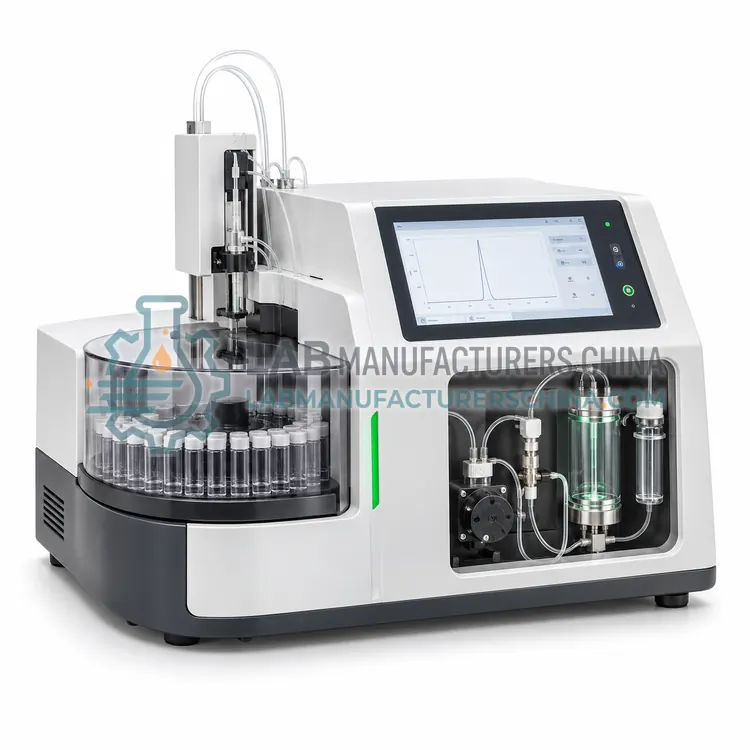
High-Temperature Combustion TOC Analyzer for Wastewater

废水用高温燃烧 TOC 分析仪

  • TOC-0001
  • TOC Analyzers
  • CE (to be confirmed)
  • ISO 9001 manufacturing (to be confirmed)
Oxidation method:
Catalytic combustion, 680–900 °C
Measuring range (TOC):
4 µg/L–30,000 mg/L
Detector:
NDIR CO2 detector
Detection limit:
4 µg/L (typical)
Repeatability:
CV ≤ 1.5%
Injection volume:
10–500 µL

A laboratory TOC analyzer that catalytically combusts wastewater samples at up to 900 °C and detects CO2 by NDIR. It is the right choice for effluents with particulates, high salinity or high organic loading that would challenge UV-based oxidation.

Request a quote
View details

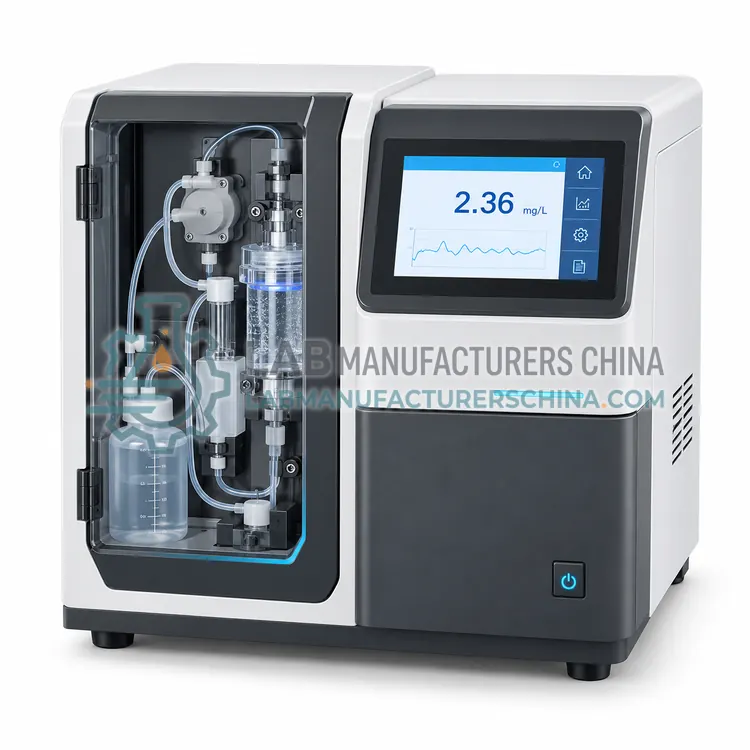
UV-Persulfate TOC Analyzer for Drinking Water

饮用水用紫外过硫酸盐 TOC 分析仪

  • TOC-0002
  • TOC Analyzers
  • CE (to be confirmed)
  • ISO 9001 manufacturing (to be confirmed)
Oxidation method:
UV (185/254 nm) with sodium persulfate
Measuring range (TOC):
0.05–50 mg/L
Detector:
NDIR CO2 detector
Detection limit:
≤ 50 µg/L
Repeatability:
CV ≤ 2%
Analysis time:
4–6 min per sample

A laboratory TOC analyzer that oxidizes organic carbon with UV light and sodium persulfate, offering sub-0.1 mg/L resolution. It suits drinking water treatment laboratories that track disinfection by-product precursors in low-carbon, low-particulate samples and want low running cost and short warm-up.

Request a quote
View details

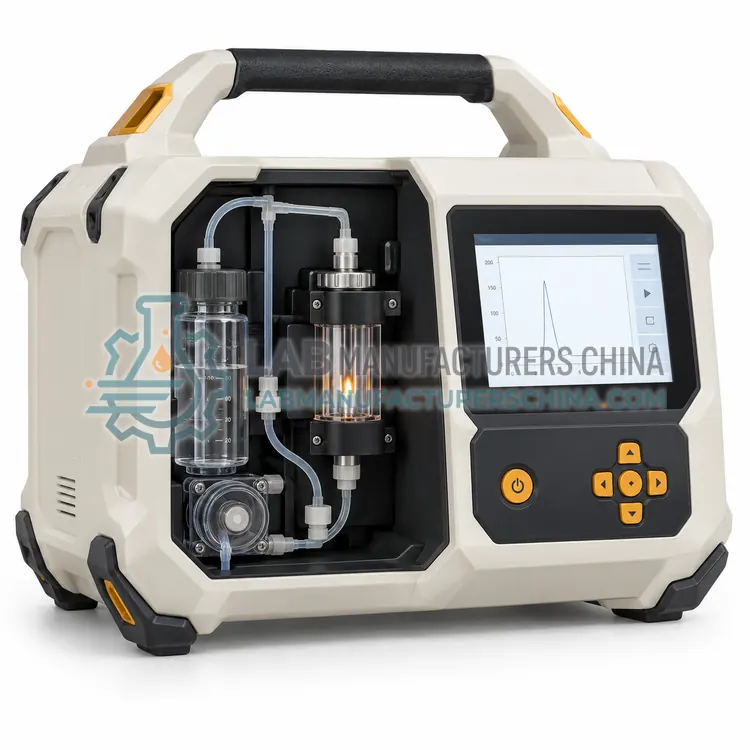
Online TOC Analyzer for Surface Water and Effluent Monitoring

地表水与排放水在线 TOC 分析仪

  • TOC-0003
  • TOC Analyzers
  • CE (to be confirmed)
  • ISO 9001 manufacturing (to be confirmed)
  • Chinese environmental monitoring instrument type approval (to be confirmed)
Oxidation method:
UV-persulfate or catalytic combustion
Measuring range (TOC):
0–200 mg/L (extendable to 2000 mg/L)
Measurement cycle:
10–60 min
Repeatability:
≤ 3% of reading
Reagent consumption:
About 2 L persulfate and acid per month
Calibration interval:
Automatic, programmable 1–30 days

An unattended TOC analyzer installed at river stations, intake works or plant outfalls, reporting organic carbon every 10 to 60 minutes. It fits regulators and plant operators who need continuous data, alarms and early warning rather than periodic grab-sample results.

Request a quote
View details

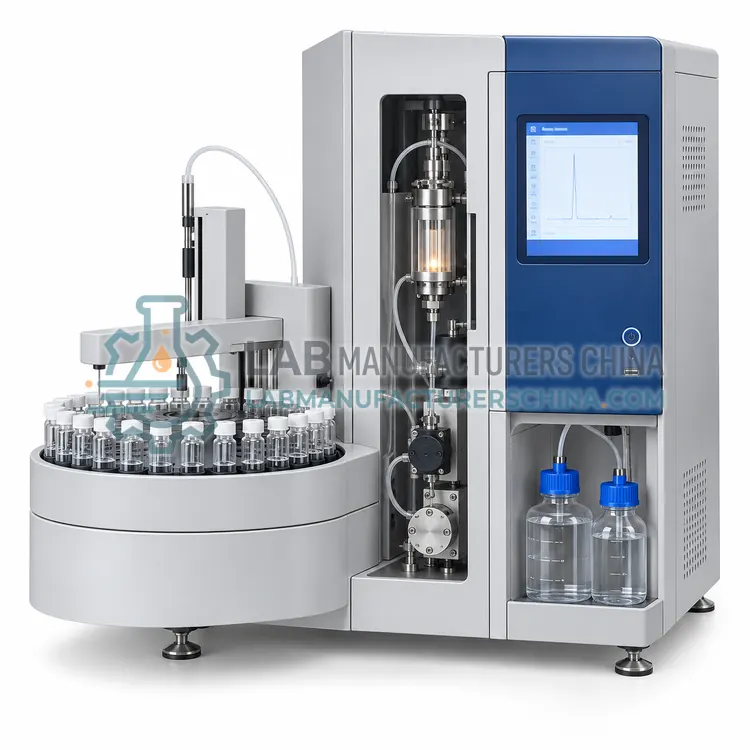
TOC-TN Analyzer for Water Samples with Autosampler

带自动进样器的水样 TOC-TN 分析仪

  • TOC-0004
  • TOC Analyzers
  • CE (to be confirmed)
  • ISO 9001 manufacturing (to be confirmed)
Oxidation method:
Catalytic combustion, 720–850 °C
TOC range:
0.5–25,000 mg/L
TNb range:
0.5–10,000 mg/L
Carbon detector:
NDIR
Nitrogen detector:
Chemiluminescence (NO + O3)
Detection limit (TNb):
≤ 0.05 mg/L

A laboratory analyzer that measures total organic carbon and total nitrogen bound in a single combustion run, using NDIR for CO2 and chemiluminescence for nitrogen oxide. It suits wastewater and surface water labs reporting both carbon and nitrogen loads.

Request a quote
View details

Ultrapure Water TOC Analyzer

超纯水 TOC 分析仪

  • TOC-0005
  • TOC Analyzers
  • CE (to be confirmed)
  • ISO 9001 manufacturing (to be confirmed)
Oxidation method:
185 nm UV, reagent-free
Measuring range:
0.5–1,000 µg/L TOC
Detection principle:
Differential conductivity, temperature compensated
Sample conductivity:
< 1 µS/cm
Accuracy:
± 0.5 µg/L or ± 5% of reading
Measurement cycle:
1–5 min

An online sensor-type TOC analyzer that measures organics in high-purity water down to 0.5 µg/L using UV oxidation and conductivity detection. It is intended for semiconductor, power generation and pharmaceutical purified water loops with very low conductivity, rather than for wastewater or raw water.

Request a quote
View details

Compare TOC Analyzers models

ModelOxidation methodMeasuring range (TOC)DetectorDetection limitRepeatability
High-Temperature Combustion TOC Analyzer for WastewaterTOC-0001Catalytic combustion, 680–900 °C4 µg/L–30,000 mg/LNDIR CO2 detector4 µg/L (typical)CV ≤ 1.5%
UV-Persulfate TOC Analyzer for Drinking WaterTOC-0002UV (185/254 nm) with sodium persulfate0.05–50 mg/LNDIR CO2 detector≤ 50 µg/LCV ≤ 2%
Online TOC Analyzer for Surface Water and Effluent MonitoringTOC-0003UV-persulfate or catalytic combustion0–200 mg/L (extendable to 2000 mg/L)——≤ 3% of reading
TOC-TN Analyzer for Water Samples with AutosamplerTOC-0004Catalytic combustion, 720–850 °C———CV ≤ 2%
Ultrapure Water TOC AnalyzerTOC-0005185 nm UV, reagent-free————

Indicative values for this product class. Final specifications are confirmed on the quotation and in the calibration documents supplied with the instrument.

How do TOC Analyzers work?

A TOC analyzer converts all organic carbon in a water sample to CO2 and quantifies the gas. Two oxidation routes dominate. High-temperature catalytic combustion injects the sample into a furnace at 680–900 °C containing a platinum or similar catalyst, which also handles particulates and difficult compounds. UV-persulfate oxidation adds sodium persulfate and irradiates the sample with UV at 185 and 254 nm to generate hydroxyl radicals. Inorganic carbon is removed first by acidification and sparging, or measured separately to give TOC by difference. The CO2 is carried by purified air or oxygen to a non-dispersive infrared detector, or measured by membrane conductometry in low-level systems. Peak area is integrated and converted to concentration using a multi-point calibration against potassium hydrogen phthalate standards.

Which TOC Analyzers variants are available?

  • High-Temperature Combustion TOC Analyzer for Wastewater — A laboratory TOC analyzer that catalytically combusts wastewater samples at up to 900 °C and detects CO2 by NDIR.
  • UV-Persulfate TOC Analyzer for Drinking Water — A laboratory TOC analyzer that oxidizes organic carbon with UV light and sodium persulfate, offering sub-0.1 mg/L resolution.
  • Online TOC Analyzer for Surface Water and Effluent Monitoring — An unattended TOC analyzer installed at river stations, intake works or plant outfalls, reporting organic carbon every 10 to 60 minutes.
  • TOC-TN Analyzer for Water Samples with Autosampler — A laboratory analyzer that measures total organic carbon and total nitrogen bound in a single combustion run, using NDIR for CO2 and chemiluminescence for nitrogen oxide.
  • Ultrapure Water TOC Analyzer — An online sensor-type TOC analyzer that measures organics in high-purity water down to 0.5 µg/L using UV oxidation and conductivity detection.

How do I choose the right variant?

The decisive parameters are sample matrix, measuring range and operating mode. Wastewater and effluents with particulates, high salt or high carbon load call for high-temperature combustion with a robust injection system and dilution capability. Drinking water and cleaner surface water, typically below 20 mg/L, are well served by UV-persulfate or low-temperature oxidation with sub-0.1 mg/L resolution. Semiconductor and pharmaceutical purified water need online ppb-level sensors with conductivity-based detection. Decide whether you need laboratory batch analysis with an autosampler or continuous online data. If nitrogen loading matters for discharge permits, a combined TOC-TN configuration saves a second instrument. Also check the method you must follow, such as ISO 8245 or USP <643>, and the consumables cost of gases, catalyst and reagents.

Where are TOC Analyzers used?

TOC Analyzers are specified in drinking water treatment monitoring, wastewater discharge compliance, surface water and groundwater surveys, pharmaceutical purified water testing and semiconductor ultrapure water monitoring.

Which standards and certifications apply?

Work with TOC Analyzers is commonly governed by ISO 8245, ASTM D4839, ASTM D5173, ASTM D5904, USP <643>, Ph. Eur. 2.2.44, HJ 501 and IEC 61010-1. Instrument certifications such as CE marking are confirmed per configuration and never assumed.

What are the key considerations before purchase?

Install the analyzer on a stable bench with clean, dry carrier gas at 99.99% purity or a zero-air generator, and provide ventilation for exhaust. Calibrate at least monthly with potassium hydrogen phthalate and verify with sodium carbonate and a blank each run. Keep glassware organic-free and use ultrapure water blanks, since ambient organics cause high blanks. Replace combustion catalyst, halogen scrubbers and persulfate reagent on the schedule stated by the manufacturer. For regulated laboratories, confirm software audit trails and user access levels, and run system suitability with sucrose and benzoquinone to check oxidation efficiency where USP <643> applies.

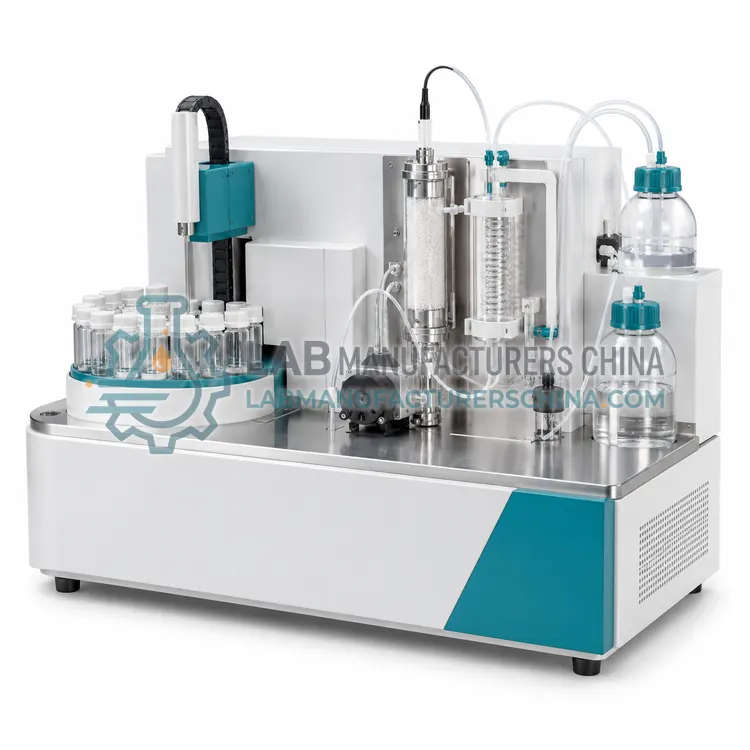
Frequently asked questions about TOC Analyzers

It measures the total mass concentration of carbon bound in organic compounds, reported in mg/L or µg/L. Organic carbon is oxidized to CO2 and detected, so the result covers dissolved and, with suitable sample handling, particulate organic matter regardless of its chemical identity.

Need help specifying TOC Analyzers?

Request a quote