Online Heavy Metal Analyzer for Wastewater Discharge Monitoring
废水排放监测在线重金属分析仪
- SKU HMA-0005
- Heavy Metal Analyzers
- CE (to be confirmed)
- ISO 9001 manufacturing (to be confirmed)
- Chinese environmental monitoring instrument type approval (to be confirmed)
Price on request — FOB / CIF quoted per order
Prices depend on configuration, quantity and destination port.
Key specifications
| Measuring principle | Stripping voltammetry or photometry after digestion |
|---|---|
| Measuring range | 0.01–5 mg/L (element dependent) |
| Detection limit | ≤ 0.005 mg/L |
| Accuracy | ± 10% of reading |
| Repeatability | RSD ≤ 5% |
| Measurement cycle | 30–120 min |
Request a quote Download brochure · to be provided
By Lab Manufacturers China Technical TeamLast reviewed Standards: ISO 15586, ISO 17294-2, ISO 11885
What is the Online Heavy Metal Analyzer for Wastewater Discharge Monitoring?
An automated analyzer that samples, digests and measures heavy metals such as copper, zinc, nickel, chromium or lead in effluent every 30 to 120 minutes, using voltammetry or colorimetry. It supplies continuous data for discharge permit compliance at electroplating and industrial outfalls.
What is the Online Heavy Metal Analyzer for Wastewater Discharge Monitoring?
An automated analyzer that samples, digests and measures heavy metals such as copper, zinc, nickel, chromium or lead in effluent every 30 to 120 minutes, using voltammetry or colorimetry. It supplies continuous data for discharge permit compliance at electroplating and industrial outfalls.
Overview
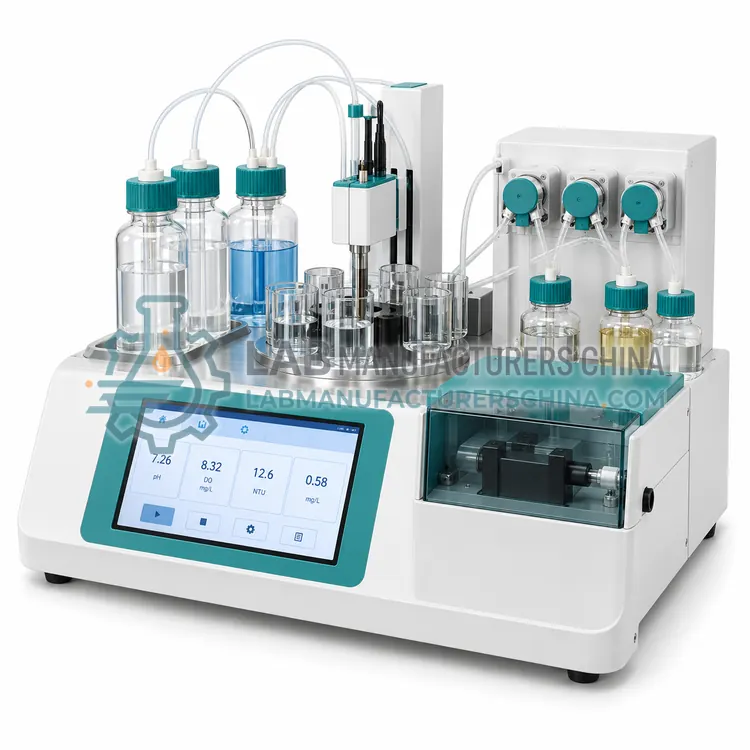
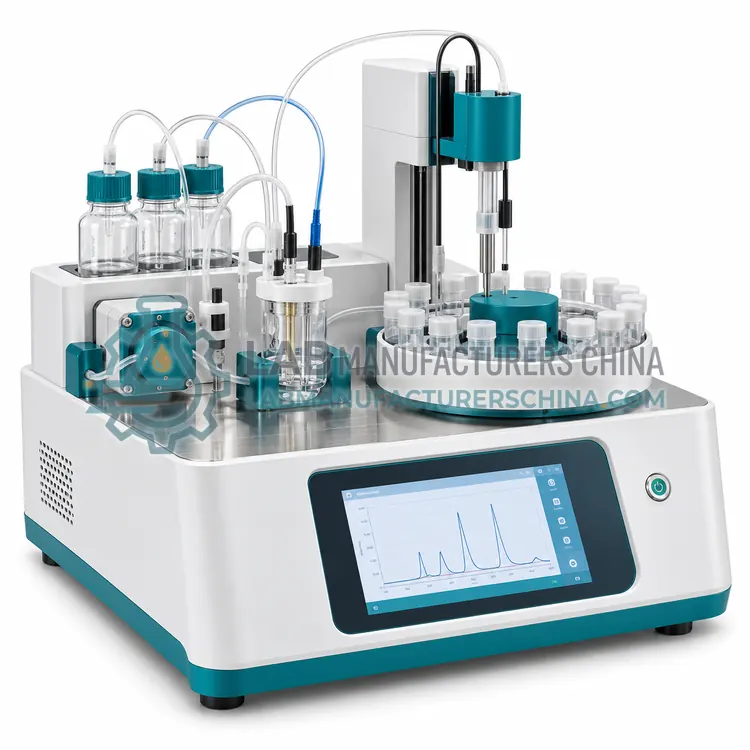
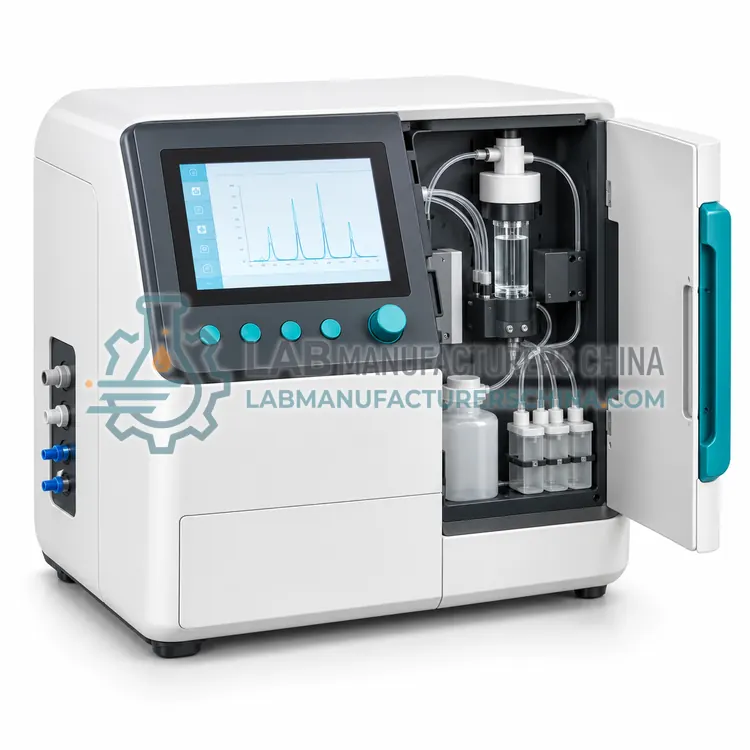
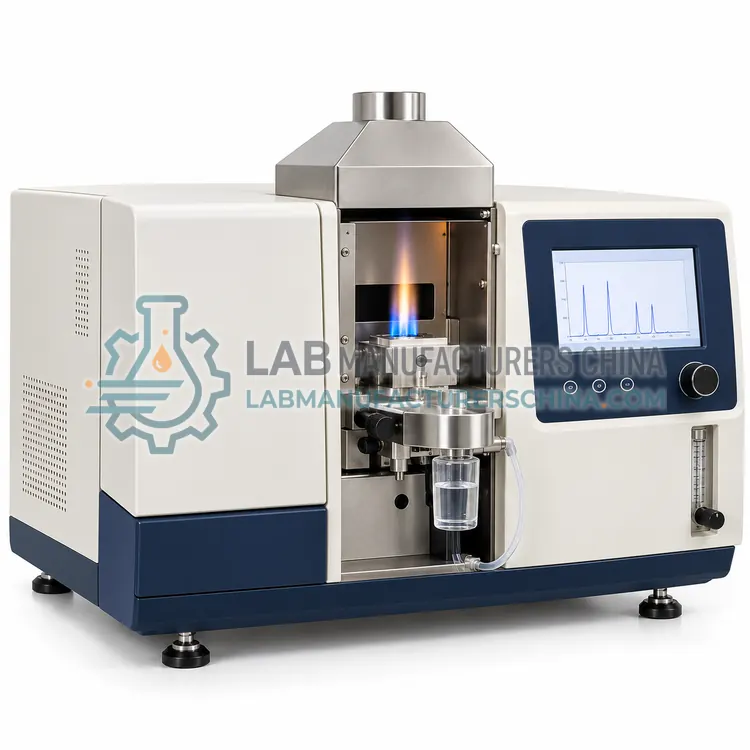
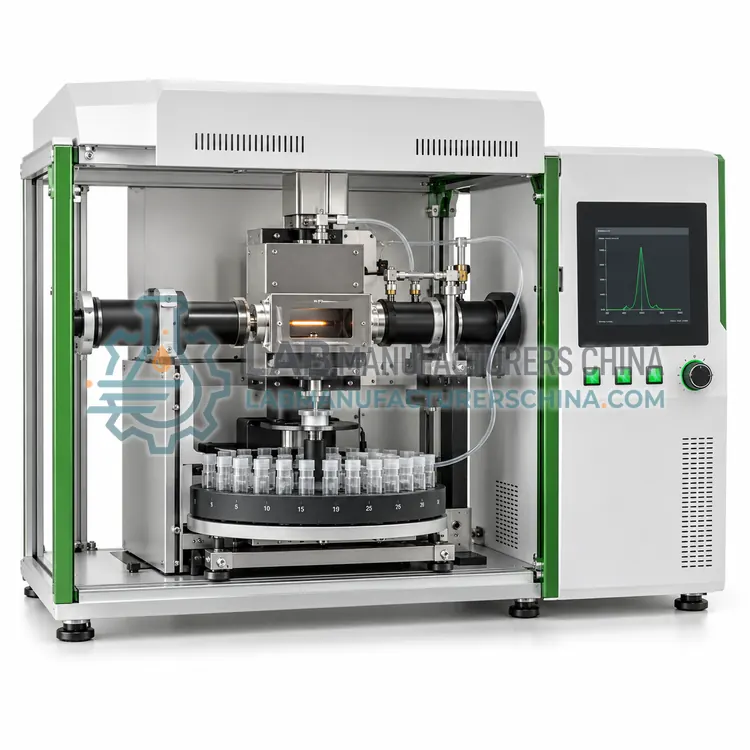
This variant is a cabinet containing a sample pump, filter, digestion unit using UV or heated persulfate, reagent dosing and a detection module, either stripping voltammetry or photometric detection with complexing reagents. It operates unattended with measurement cycles of 30 to 120 minutes and carries out automatic zero, span and cleaning routines. Typical ranges are 0.01–5 mg/L for copper, nickel, zinc, chromium or lead, and dedicated total chromium and hexavalent chromium versions are available. Reagent consumption requires refill every 30 to 60 days and waste is collected in a container for appropriate disposal. Data is output through 4–20 mA, Modbus and relays, and the analyzer transmits to environmental platforms using protocols such as HJ 212. The unit lacks the sub-µg/L capability of laboratory methods, and readings should be compared periodically with laboratory ICP or AAS results.
How does it work?
Heavy metal analyzers rely on electrochemical or atomic spectroscopic principles. In anodic stripping voltammetry (ASV), metals are first deposited onto a working electrode at a negative potential, then re-oxidized by a potential sweep, and the stripping current peak at a characteristic potential is proportional to concentration. In atomic absorption spectrometry (AAS), a sample is atomized in a flame or graphite furnace and a hollow cathode lamp beam is absorbed at the metal's wavelength according to Beer–Lambert law. Atomic fluorescence spectrometry (AFS) generates mercury or arsenic hydrides by reaction with borohydride, excites the atoms with a lamp and detects the emitted fluorescence at right angles. Calibration with certified standards, matrix modification and blank correction yield concentrations in µg/L.
What are the key features?
- Automatic sampling, filtration, UV or persulfate digestion and detection in one cabinet
- Measurement cycles of 30 to 120 minutes with automatic zero, span and cleaning
- Versions for total chromium, hexavalent chromium, copper, nickel, zinc and lead
- 4–20 mA, Modbus and relay outputs with data transmission using HJ 212
- Reagent refill every 30 to 60 days with waste collection container
- Alarm for reagent level, flow fault and out-of-range results
What are the technical specifications?
A typical online heavy metal analyzer for wastewater discharge monitoring configuration offers measuring principle of Stripping voltammetry or photometry after digestion, measuring range of 0.01–5 mg/L (element dependent), detection limit of ≤ 0.005 mg/L, accuracy of ± 10% of reading, repeatability of RSD ≤ 5% and measurement cycle of 30–120 min. Values are indicative of the product class; the exact figures for each configuration are confirmed on the quotation and the calibration documents supplied with the instrument.
Which applications is it used for?
The Online Heavy Metal Analyzer for Wastewater Discharge Monitoring is used in electroplating wastewater discharge monitoring, mining and metallurgical effluent control, industrial park wastewater treatment plant outfalls and surface water source early warning. Across the wider Heavy Metal Analyzers class, laboratories also deploy it for drinking water lead, cadmium and arsenic compliance, industrial wastewater discharge metal monitoring and mercury and arsenic determination in surface water.
Which standards and certifications apply?
Relevant standards and methods include ISO 15586, ISO 17294-2, ISO 11885, ISO 17852, ISO 11969, HJ 694, HJ 700, GB/T 5750.6, ASTM D3559 and IEC 61010-1. Certification candidates for this model are CE, ISO 9001 manufacturing and Chinese environmental monitoring instrument type approval; each is to be confirmed for the specific configuration before shipment, and certificates are supplied only where they have been issued.
Trace metal work starts with contamination control: use acid-washed plastic containers, high-purity nitric acid and ultrapure water, and preserve samples to pH below 2. Digest samples containing particulates or organics according to the method before analysis. Calibrate with a blank and at least three standards and verify with independent check standards, spikes and duplicates each batch. AAS and AFS need compressed gases, exhaust ventilation and lamp warm-up, and mercury methods need gold-trap or cold-vapor handling. Electrodes for ASV need polishing or replacement of mercury-free film. Handle acid, mercury and arsenic waste under local hazardous waste rules. Use instruments in rooms with stable temperature and follow IEC 61010-1 safety requirements.
How do I select the right Online Heavy Metal Analyzer for Wastewater Discharge Monitoring?
Select the online analyzer when permits or operations require continuous metal data at outfalls and daily laboratory sampling is not sufficient. Laboratory AAS or ICP is still needed for confirmation. In an RFQ, specify target metals and ranges, sample solids, site power, cycle time, communication protocol, waste handling and whether type-approved equipment is required.
How does it compare with other Heavy Metal Analyzers variants?
Match the technique to the metals, detection limits and workload. For lead, cadmium, copper and zinc screening at low cost, stripping voltammetry offers µg/L sensitivity and portability. Mercury, arsenic, selenium and antimony at sub-µg/L are best served by atomic fluorescence with hydride generation. Flame AAS handles mg/L to high µg/L levels of common metals such as copper, zinc, iron and chromium quickly and economically. Graphite furnace AAS reaches sub-µg/L for cadmium, lead and chromium with tiny sample volumes but at lower throughput. If you must analyze many elements simultaneously at ng/L levels, ICP-MS is a different class of instrument. Consider the regulatory limit, sample numbers, digestion needs, gases required, operator skill and whether results must follow a named method such as HJ 694 or ISO 15586.
Full specifications
| Measuring principle | Stripping voltammetry or photometry after digestion |
|---|---|
| Measuring range | 0.01–5 mg/L (element dependent) |
| Detection limit | ≤ 0.005 mg/L |
| Accuracy | ± 10% of reading |
| Repeatability | RSD ≤ 5% |
| Measurement cycle | 30–120 min |
| Digestion | UV or heated persulfate |
| Outputs | 4–20 mA, RS-485 Modbus, relays |
| Enclosure rating | IP54 |
| Power supply | AC 220 V, 50 Hz, 500 VA |
Indicative values for this product class. Final specifications are confirmed on the quotation and in the calibration documents supplied with the instrument.
Applications
- Electroplating wastewater discharge monitoring
- Mining and metallurgical effluent control
- Industrial park wastewater treatment plant outfalls
- Surface water source early warning
Key features
- Automatic sampling, filtration, UV or persulfate digestion and detection in one cabinet
- Measurement cycles of 30 to 120 minutes with automatic zero, span and cleaning
- Versions for total chromium, hexavalent chromium, copper, nickel, zinc and lead
- 4–20 mA, Modbus and relay outputs with data transmission using HJ 212
- Reagent refill every 30 to 60 days with waste collection container
- Alarm for reagent level, flow fault and out-of-range results
Frequently asked questions about Online Heavy Metal Analyzer for Wastewater Discharge Monitoring
Metals bound to organics, complexing agents or particles are not fully available to the detector. UV or persulfate digestion releases them as free ions so the analyzer reports total metal concentration comparable to laboratory methods.
A common approach reacts hexavalent chromium with diphenylcarbazide to form a violet complex measured photometrically at 540 nm, as in the laboratory method. Total chromium requires prior oxidation of trivalent chromium to hexavalent chromium.
Reagent waste contains acids, oxidizers and the target metals, and must be collected in the provided container and disposed of as hazardous liquid waste through licensed contractors. Some sites return treated waste to their wastewater plant where permitted.
Common regulated metals include lead, cadmium, mercury, arsenic, chromium (VI), copper, iron, manganese and zinc. GB 5749 limits include 0.01 mg/L for lead and arsenic, 0.005 mg/L for cadmium and 0.001 mg/L for mercury. Confirm the standard applicable to your jurisdiction.
AAS measures light absorbed by ground-state atoms, while AFS measures fluorescence re-emitted by excited atoms. AFS with hydride generation is more sensitive for mercury, arsenic, selenium and antimony, and needs less gas. AAS covers more elements, including metals like copper, zinc and lead.
Anodic stripping voltammetry offers comparable sensitivity for lead, cadmium, copper and zinc at low cost and supports field use, but it covers fewer elements and is sensitive to organics. Regulatory compliance usually requires the specified atomic spectroscopy or ICP method.
Related models
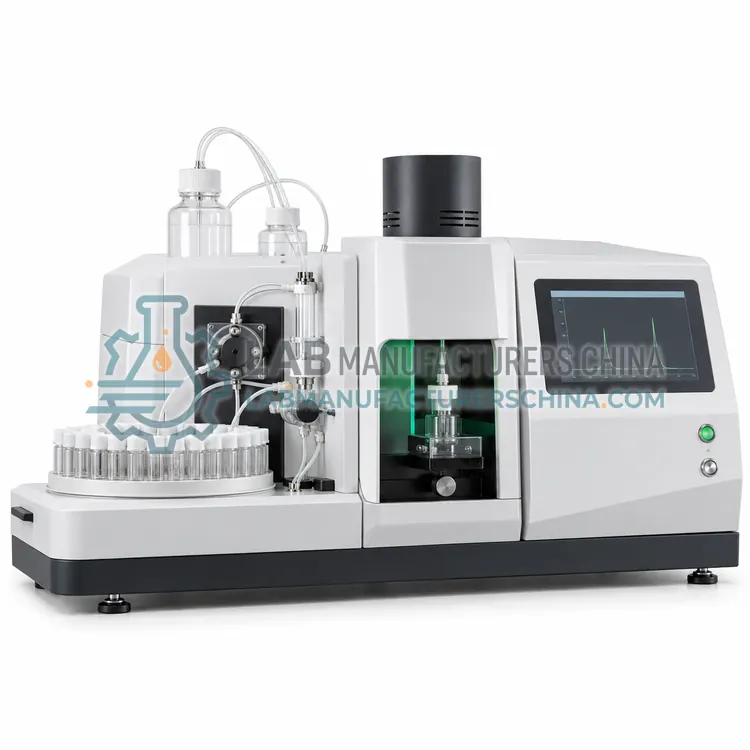
Atomic Fluorescence Spectrometer for Mercury and Arsenic in Water
水中汞砷测定原子荧光光谱仪
- CE (to be confirmed)
- +1
Graphite Furnace Atomic Absorption Spectrometer for Trace Metals in Water
水中痕量金属测定石墨炉原子吸收光谱仪
- CE (to be confirmed)
- +1