
Food & Beverage Laboratory Solutions
食品饮料
By Lab Manufacturers China Technical TeamLast reviewed
What laboratory equipment does Food & Beverage need?
Food and beverage laboratories verify composition, safety and shelf life of ingredients and finished products. Typical equipment includes moisture, protein, fat and fiber analyzers, HPLC and GC, atomic absorption or ICP for metals, microbiology equipment, balances, ovens and water purification, configured for AOAC, ISO and national methods.
What do food and beverage laboratories test?
Food laboratories check that products meet nutritional labeling, quality and safety requirements. Common tests include moisture, ash, fat, protein and dietary fiber (proximate analysis), sugars, vitamins, preservatives, colorants, heavy metals, pesticide and veterinary drug residues, mycotoxins and microbiological counts.
Beverage laboratories add tests for Brix, pH, acidity, alcohol content, dissolved gases, turbidity and color. Results support supplier qualification, in-process control, shelf-life studies and regulatory or customer audits.
Laboratories differ widely in size. A small producer may need a handful of benchtop instruments for in-process checks, while a contract laboratory runs hundreds of samples per day on automated systems. Define your realistic throughput first, because it drives almost every other selection decision.
Which instruments cover proximate analysis?
Proximate analysis uses several dedicated instruments, each following an established method:
- Moisture analyzers or drying ovens for moisture (for example AOAC 925.10)
- Muffle furnaces for ash
- Soxhlet or solvent extractors for fat
- Kjeldahl or Dumas nitrogen analyzers for protein
- Fiber analyzers for crude or dietary fiber
Automated units reduce operator time and improve repeatability for high-volume laboratories, while manual glassware setups remain common for occasional use.
Acceptance testing on arrival is a practical safeguard. Run a known reference material or a retained sample through the new instrument and compare the result with the expected value before the equipment enters routine use.
How are contaminants and residues detected?
Trace contaminants need sensitive, selective instruments. Heavy metals such as lead, cadmium, arsenic and mercury are measured by atomic absorption spectrometry or ICP-OES and ICP-MS. Pesticide and veterinary drug residues are commonly determined by GC or LC coupled to mass spectrometry. Additives and mycotoxins are typically measured by HPLC with UV, fluorescence or MS detection.
Sample preparation equipment such as homogenizers, centrifuges and evaporators is part of the same workflow.
Microbiology and hygiene control
Microbiological testing confirms that products are free of pathogens and within limits for indicator organisms. Laboratories typically use incubators at defined temperatures, autoclaves for media and waste, colony counters, laminar flow or biosafety cabinets, and water baths. ISO 7218 and ISO 4833 describe general requirements and enumeration methods.
Temperature uniformity and documented calibration are critical because incubation conditions affect counts directly. Choose chambers with suitable volume and monitoring.
Selection tips and RFQ checklist
Select instruments according to the methods you must report, not by feature lists alone. Check whether a model follows the AOAC, ISO or GB method, how much sample and reagent it uses, and how easily it is calibrated.
For an RFQ, state:
- Product types and matrices tested
- Analytes, ranges and required detection limits
- Methods and standards to follow
- Daily sample volume
- Utilities available, such as gases and cooling water
Specifications are typical values and are confirmed at quotation.
Sample preparation and laboratory workflow
Food matrices range from oils and beverages to dry powders, meats and confectionery, and preparation often determines the quality of the final result. Typical steps include grinding, homogenizing, weighing, drying, digesting and extracting. Laboratory mills, blenders, stomachers for microbiological samples, microwave digestion systems and centrifuges handle these tasks.
Representative sampling matters as much as the instrument. A sub-sample of a few grams must represent a production lot, so homogenization and documented sampling plans are part of good practice. Keep separate equipment or clean carefully between allergen-containing and allergen-free samples to avoid cross-contamination.
Workflow layout also affects throughput. Place sample reception, preparation, instrument rooms and microbiology in a logical sequence, keep wet chemistry away from balances, and provide adequate ventilation for solvent and acid work. Purified water supply for reagents, blanks and mobile phases should be planned at the start rather than added later.
Quality systems and audit readiness
Food laboratories often work under ISO/IEC 17025 accreditation or customer and retailer audit schemes such as those benchmarked by the Global Food Safety Initiative. These systems expect documented calibration, method validation, proficiency testing and traceable reference materials.
Choose instruments that simplify this burden. Useful features include stored calibration records, password-protected methods, electronic data export and clear service intervals. Balances, pipettes, thermometers and incubators should be calibrated on a defined schedule, with certificates retained.
Where a laboratory supports export shipments, it may need to show that results are obtained by the method required by the importing country. Ask suppliers which standard methods each instrument supports, and keep that information with your validation file.
Equipment for Food & Beverage
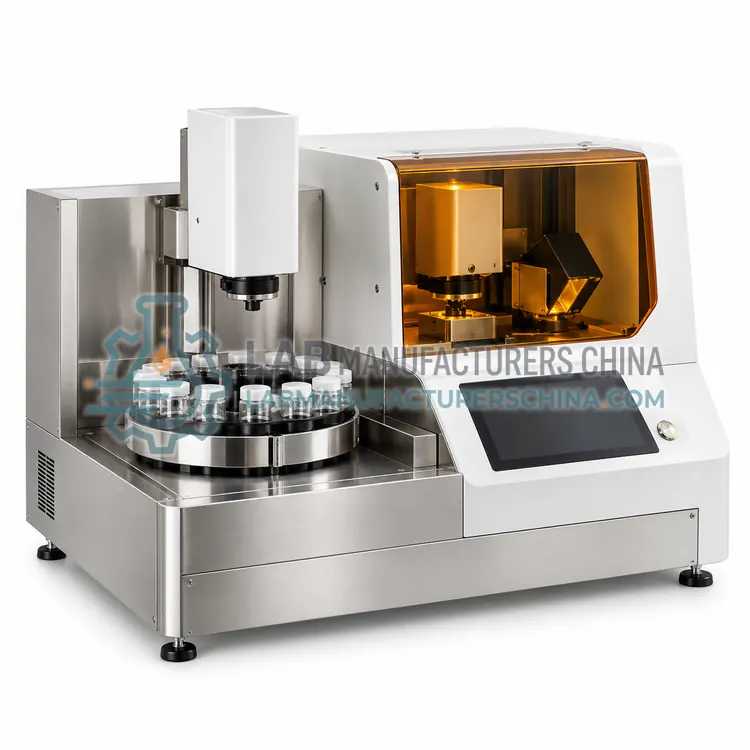 CFTE5 product types食品检测设备Food testing equipment measures the composition, safety, microbiology, contaminant levels and texture of food and beverage products. The category covers composition analysis instruments, food safety analysers, microbiology testing systems, contaminant detection platforms and texture analysers used in food quality control and regulatory laboratories.
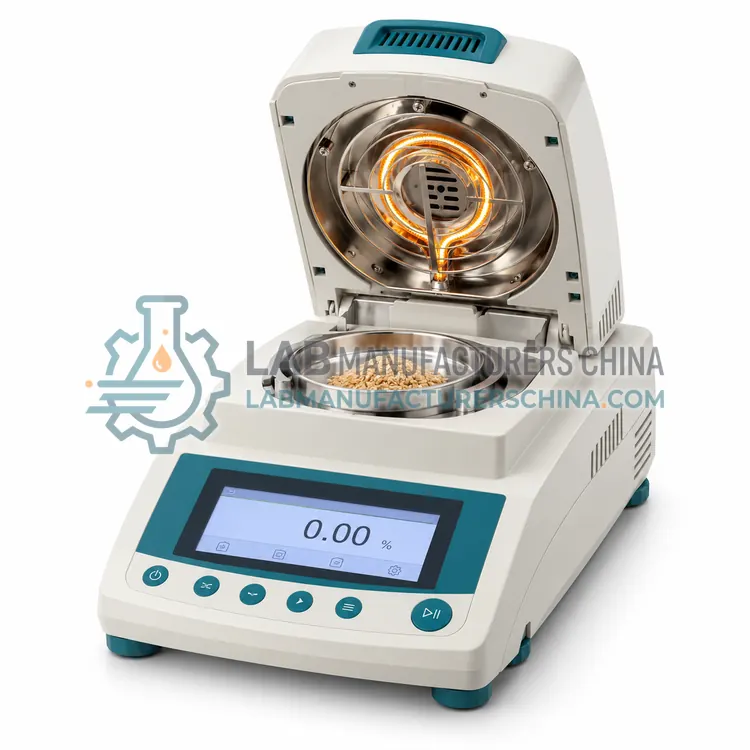 CFAE5 product types食品分析设备Food analysis equipment determines the macro-nutrient composition of food and feed: moisture, fat, protein and fibre. The category covers moisture analysers, fat analysers, protein analysers, fibre analysers and Kjeldahl digestion and distillation systems used for nutritional labelling and quality control.
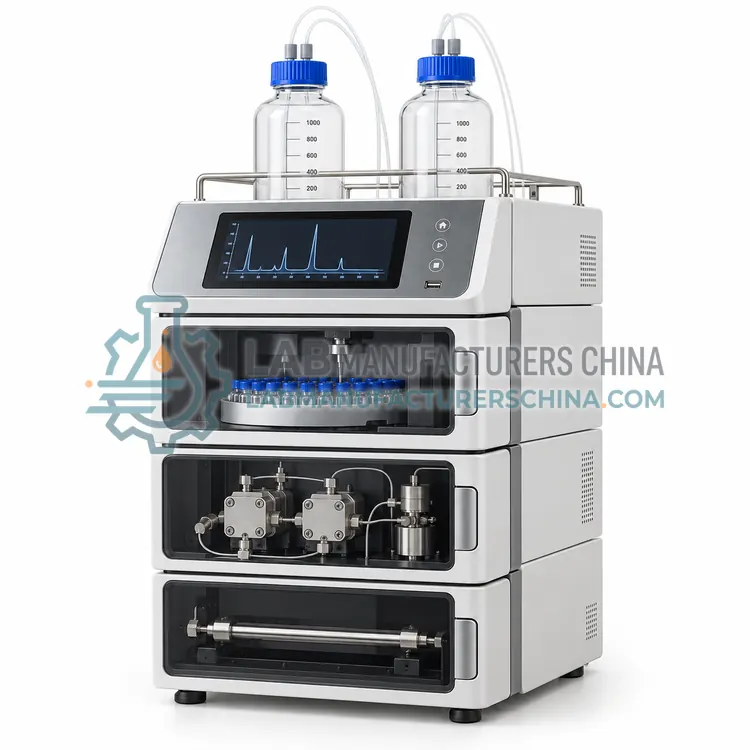 CCHI5 product types色谱仪器Chromatography instruments separate the components of a mixture between a mobile phase and a stationary phase, then detect and quantify each component. The category covers HPLC, UHPLC, gas chromatography, ion chromatography and flash chromatography systems used in QC, environmental, food, pharmaceutical and synthetic chemistry laboratories.
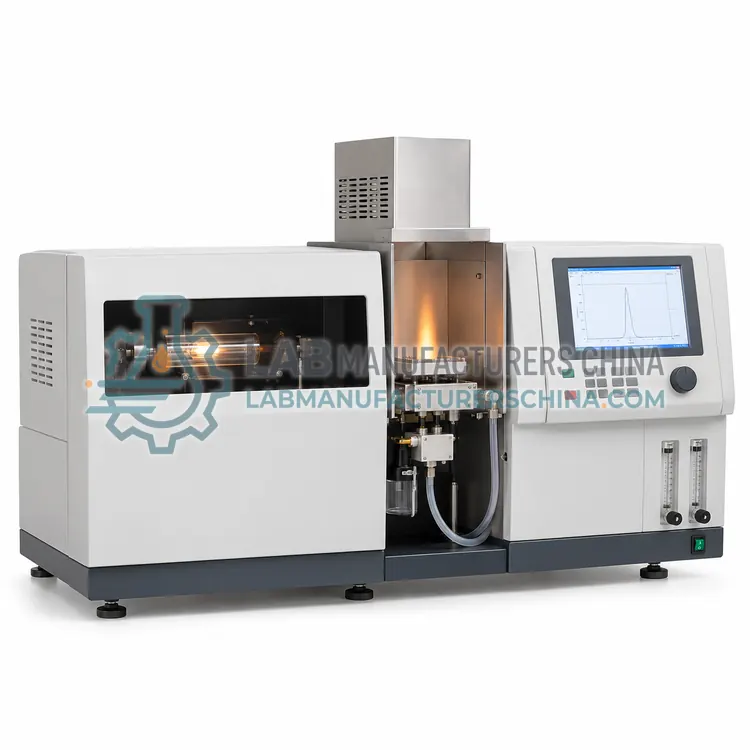 CAAS5 product types原子吸收光谱仪Atomic absorption spectrometers determine elemental concentrations by measuring light absorbed by free atoms produced in a flame, graphite furnace or hydride generation cell. They serve environmental, food, clinical, geochemical and pharmaceutical laboratories that need reliable trace-metal results at low cost.
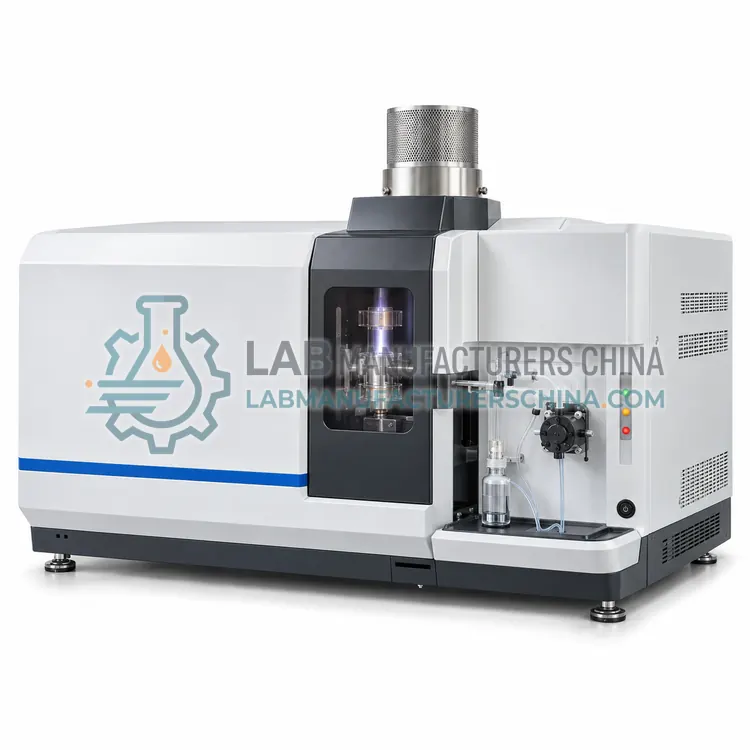 CICS5 product typesICP 光谱仪ICP spectrometers use an inductively coupled argon plasma to atomize and ionize samples for elemental analysis by optical emission or mass spectrometry. They serve environmental, pharmaceutical, food, metallurgical and geological laboratories that need multi-element results.
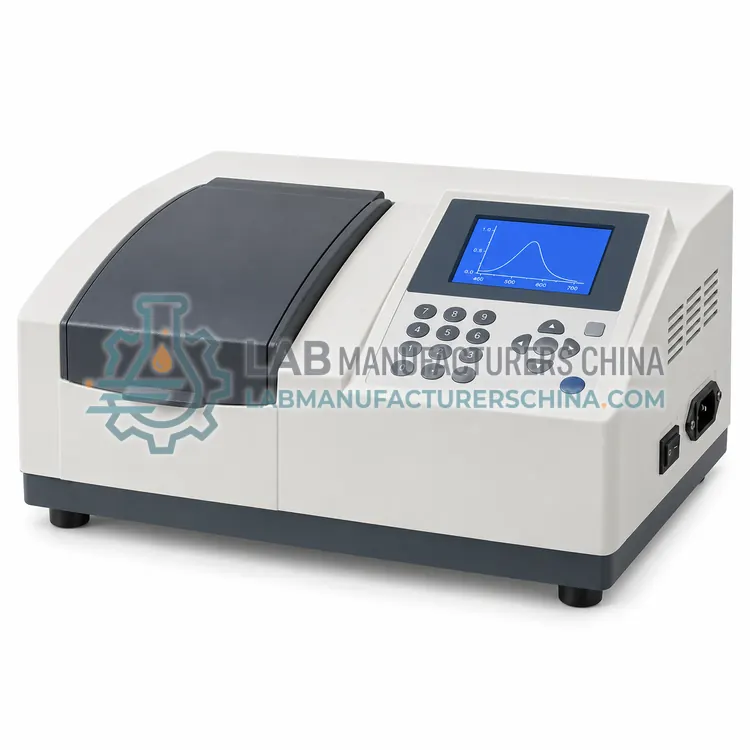 CANI6 product types分析仪器Analytical instruments measure the chemical, optical or physical properties of samples to identify substances and quantify their concentration. This category covers spectrophotometers, photometers, refractometers, polarimeters, turbidity meters and general analytical analyzers used in pharmaceutical, environmental, food, chemical and industrial quality-control laboratories.
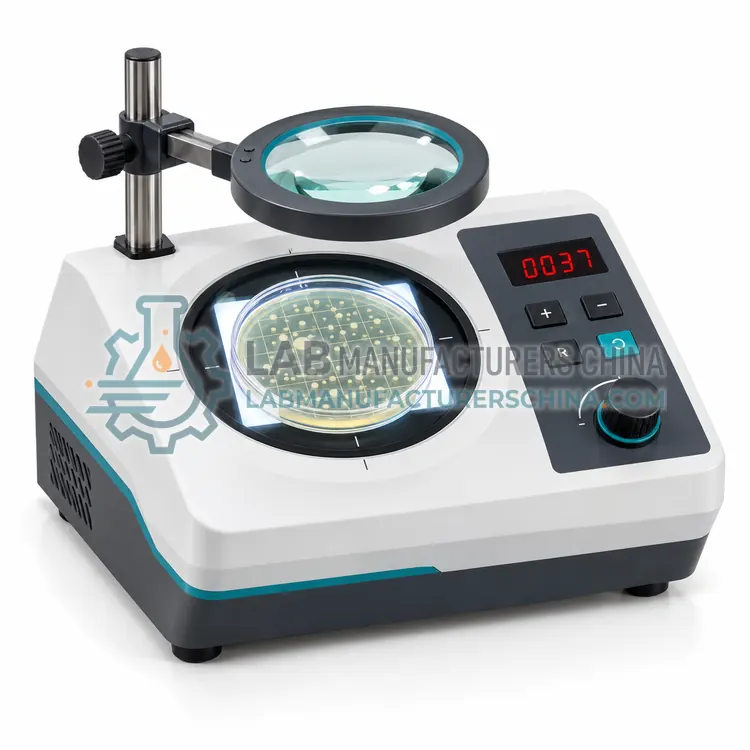 CMEQ5 product types微生物学设备Microbiology equipment covers the instruments used to culture, count, identify and inactivate microorganisms in clinical, pharmaceutical, food, water and research laboratories. It includes colony counters, anaerobic systems, identification systems, culture incubators and shakers, and autoclaves and other sterilizers.
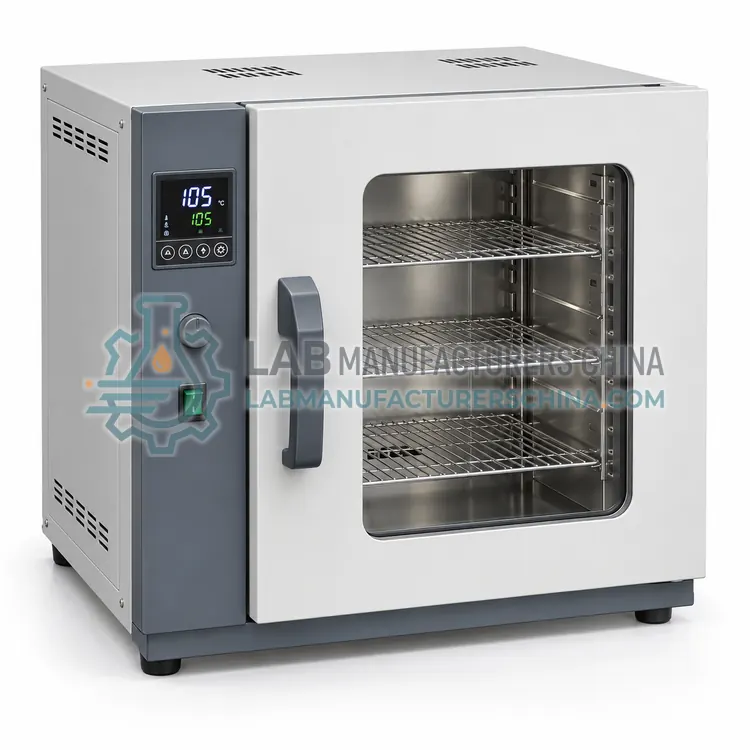 CLAO5 product types实验室烘箱Laboratory ovens are insulated, electrically heated chambers that hold a set temperature to dry, bake, cure, condition or heat-treat samples and glassware. The category covers gravity and forced-air drying ovens, vacuum ovens, high-temperature ovens and larger industrial laboratory ovens, with working temperatures from about 50 C to 600 C.
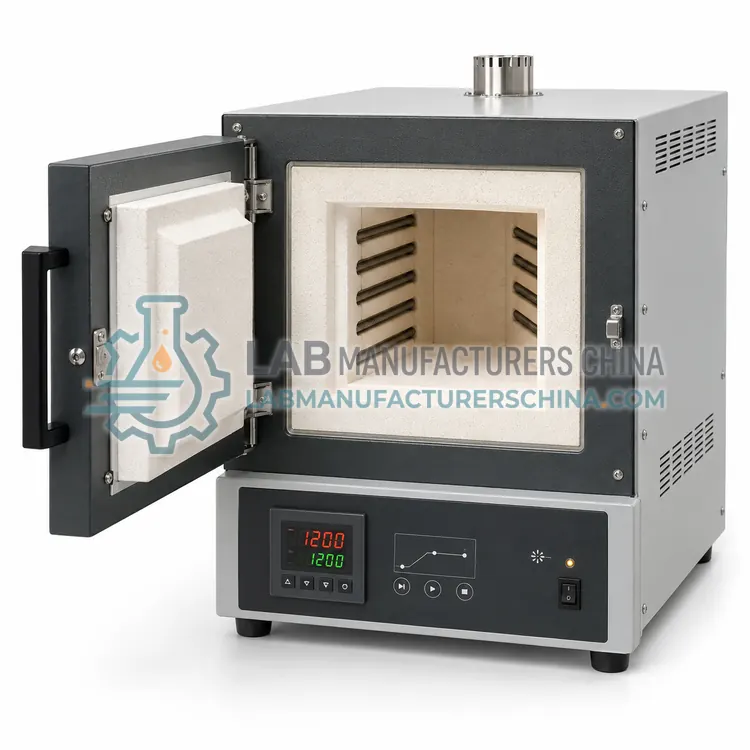 CLAF5 product types实验室高温炉Laboratory furnaces are high-temperature electrically heated chambers used for ashing, sintering, calcination, melting and heat treatment, with working temperatures from about 1000 C up to 1800 C. The category includes muffle, tube, vacuum, ashing and high-temperature furnaces, which differ in chamber geometry, atmosphere control and maximum temperature.
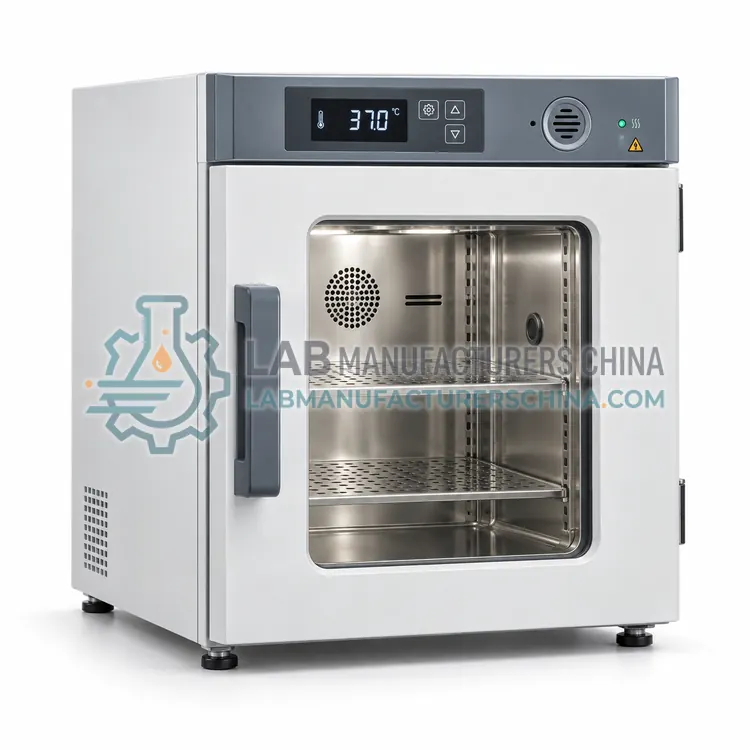 CLAI5 product types实验室培养箱Laboratory incubators are temperature-controlled chambers that maintain stable conditions for growing, culturing and storing microorganisms, cells, plants and samples, typically from 5 C to 80 C with optional CO2, humidity and shaking. The category covers standard, CO2, cooling, shaking and BOD incubators used in microbiology, cell culture and environmental testing.
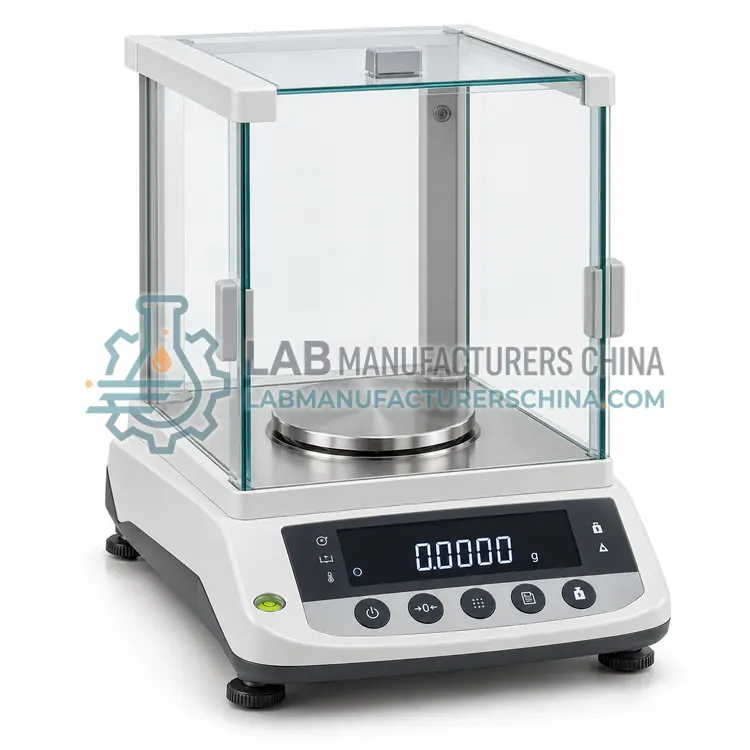 CLAB5 product types实验室天平Laboratory balances measure mass with readability from 0.1 microgram to 1 kg across analytical, precision, micro, moisture and platform types. They support sample preparation, formulation, gravimetric analysis and quality control in pharmaceutical, chemical, food, environmental, clinical and academic laboratories.
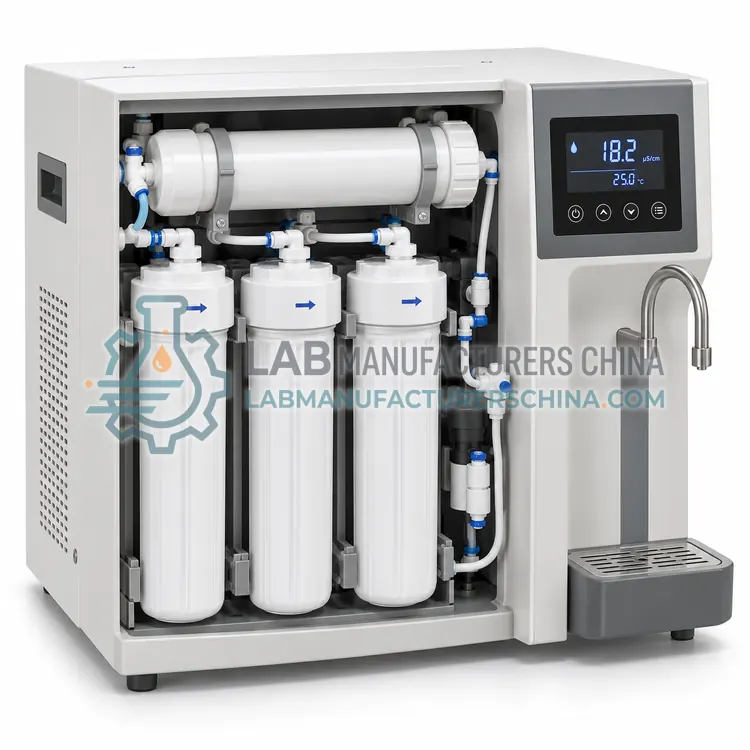 CLWP5 product types实验室水纯化设备Laboratory water purification equipment produces water of defined purity from tap or pretreated feed for analytical, biological and industrial use. The category covers reverse osmosis systems, deionizers, ultrapure water systems, distillation units and larger water purification plants.
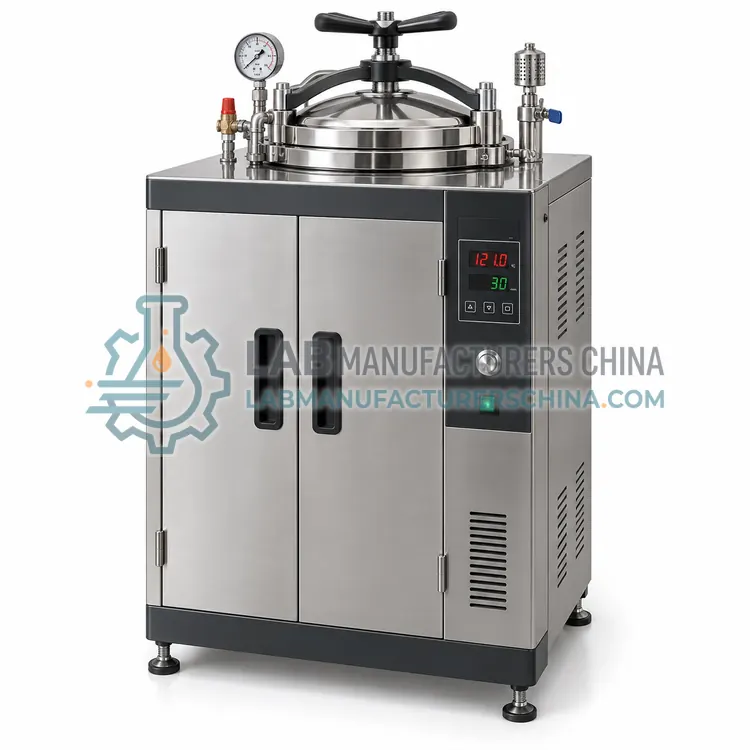 CLSE5 product types实验室灭菌设备Laboratory sterilization equipment inactivates or removes microorganisms from media, glassware, instruments, waste and work surfaces using saturated steam, dry heat, hot glass beads or ultraviolet radiation. Microbiology, clinical, pharmaceutical, food and research laboratories use it to protect sample integrity, prevent cross-contamination and treat biohazardous material.
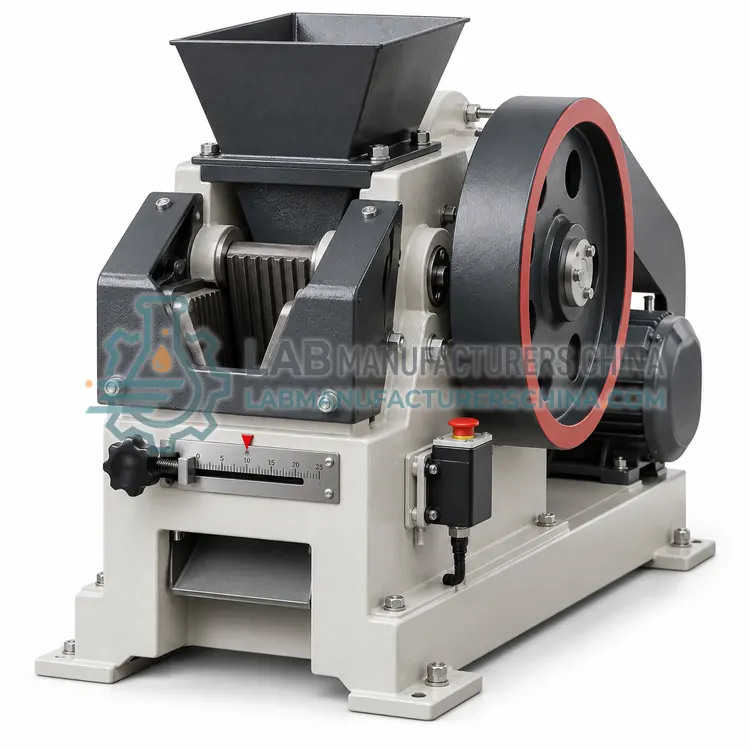 CSPE7 product types样品前处理设备Sample preparation equipment reduces, homogenizes, extracts and digests laboratory samples before analysis. The category covers crushers, grinders, mills, homogenizers, digesters, extractors and sample dividers used to produce representative, analysis-ready material in analytical and quality-control laboratories.
Reference project
A case study for this industry will be added once a suitable project is available.
Frequently asked questions about Food & Beverage
A basic food laboratory needs a balance, drying oven, muffle furnace, fat extractor, nitrogen analyzer, pH meter and spectrophotometer, with incubators and autoclave for microbiology. Contaminant analysis adds HPLC, GC and atomic absorption or ICP. The list depends on your product range and methods.
The Kjeldahl method digests the sample, distills ammonia and titrates it to determine nitrogen, which is converted to protein with a factor. The Dumas combustion method measures nitrogen directly and is faster. Both are standardized, for example in ISO 1871 and AOAC 992.15. Choose by throughput and sample type.
Atomic absorption spectrometers, including graphite furnace models for trace levels, and ICP-OES or ICP-MS systems are used to determine lead, cadmium, arsenic, mercury and other elements. Microwave digestion is commonly used for sample preparation. ICP-MS offers the lowest detection limits and multi-element capability.
Many instruments can be configured for GB 5009 series or equivalent ISO and AOAC methods, though suitability varies by model and sample type. State the method number in your RFQ, and compatibility and any supporting records will be confirmed at quotation.