
Laboratory Consumables
实验室耗材
CLCO · Laboratory Infrastructure · 7 product types · 37 models
By Lab Manufacturers China Technical TeamLast reviewed
What are Laboratory Consumables?
Laboratory consumables are the glassware, plasticware, tips, tubes, vials, filters and chromatography items used in daily work. They determine sample integrity, analytical background and cost per test, and are controlled materials in regulated laboratories.
7 product types in Laboratory Consumables
The 7 product types below are grouped by the exact instrument you need.
- GLA6 models
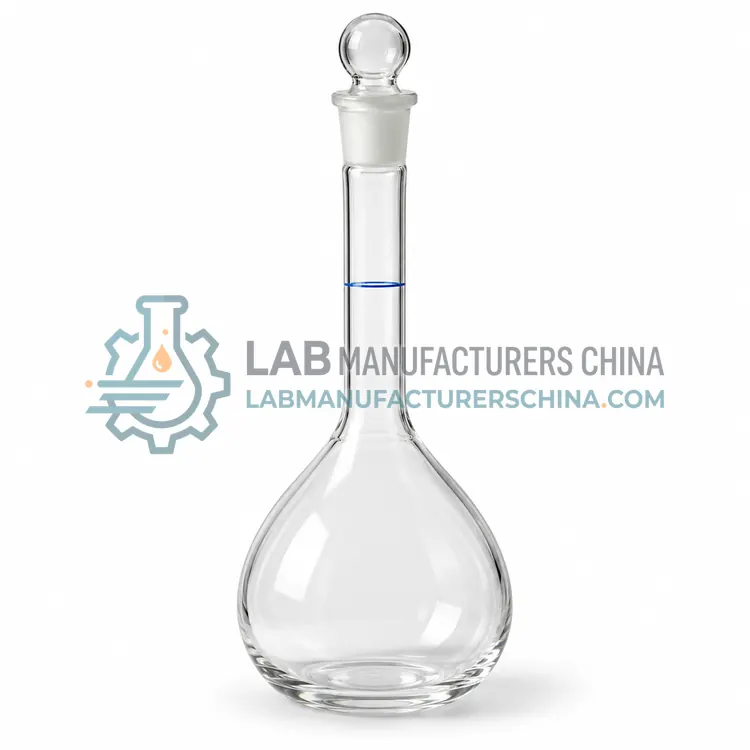
Glassware
实验室玻璃器皿
Laboratory glassware is borosilicate glass equipment for measuring, mixing, heating and storing liquids. Volumetric items are calibrated to defined tolerances, and general items balance chemical inertness with heat and thermal shock resistance and defined tolerances.
- PLS6 models
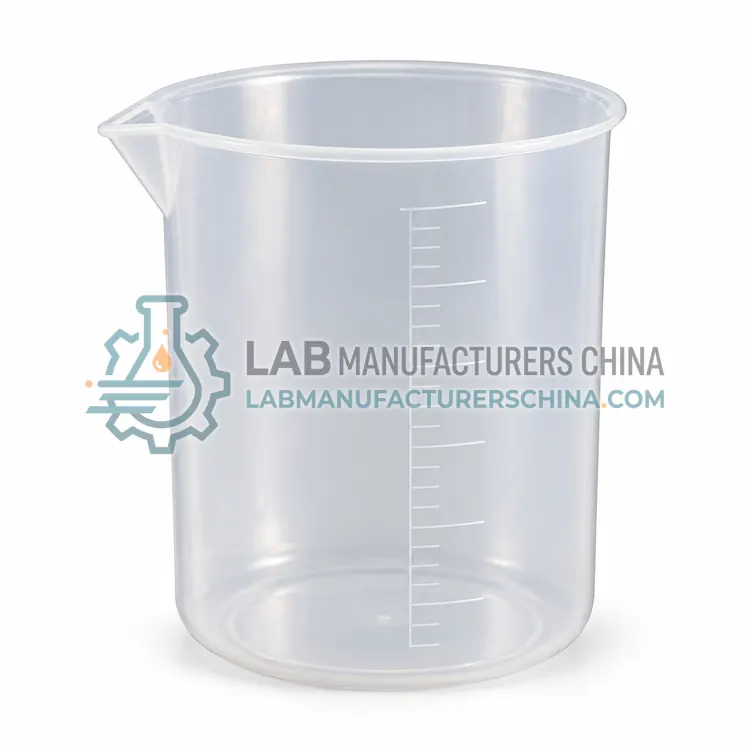
Plasticware
实验室塑料器皿
Laboratory plasticware is moulded polymer equipment and disposables for storage, culture and handling. Polypropylene, polycarbonate, polystyrene and other polymers are chosen for chemical resistance, clarity, sterility and cost, and to control contamination risk in daily handling.
- PIT5 models
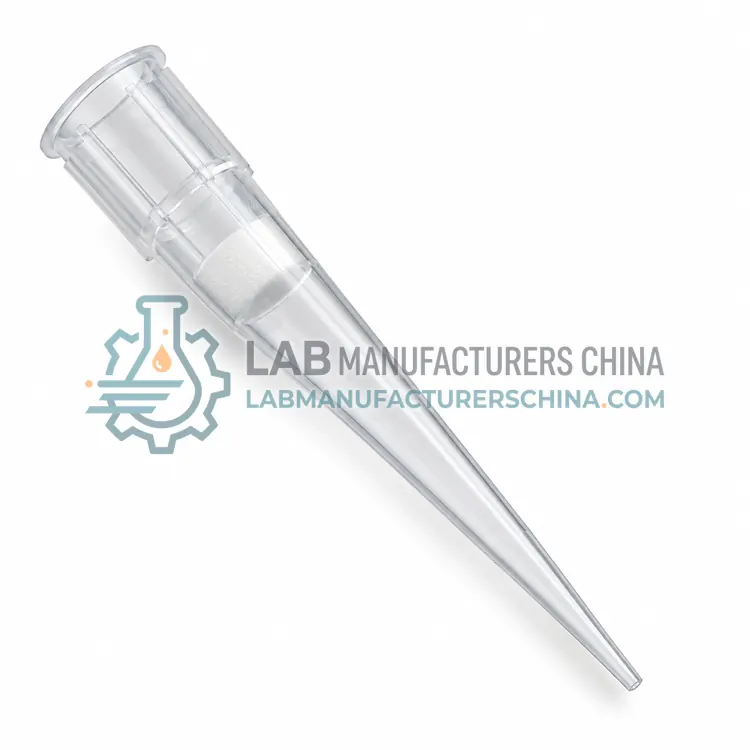
Pipette Tips
移液吸头
Pipette tips are the disposable cones that hold and deliver liquid in air displacement systems. Universal, filter, low-retention, wide-bore and robotic tips address different liquids, contamination risks and automated platforms, and must match the pipette or platform precisely.
- TUB5 models
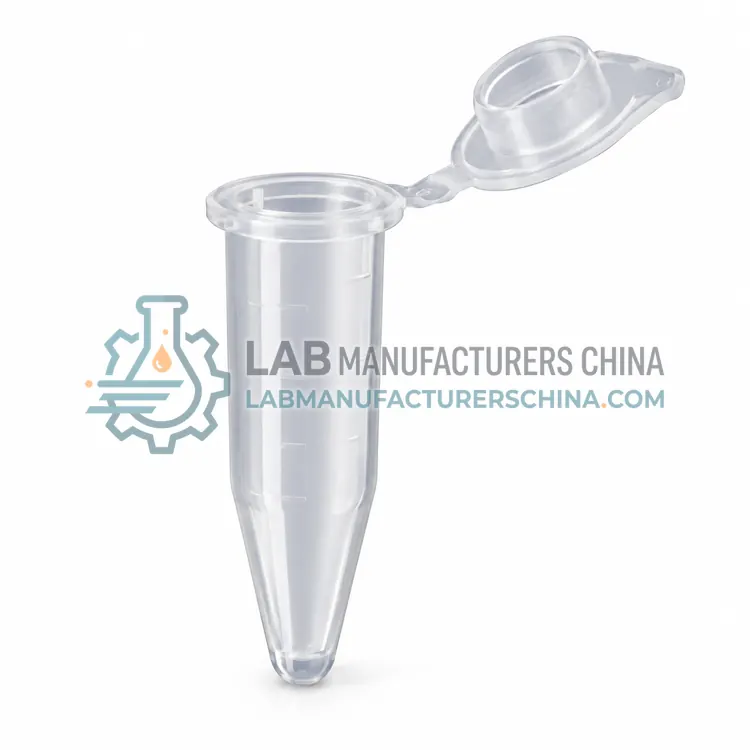
Tubes
实验室试管
Laboratory tubes are the containers used for collecting, processing, culturing and storing samples. Microcentrifuge, conical centrifuge, culture, cryogenic and transport tubes are chosen for volume, g rating, sterility, temperature and the handling requirements of each process.
- VIA5 models
Vials
样品瓶
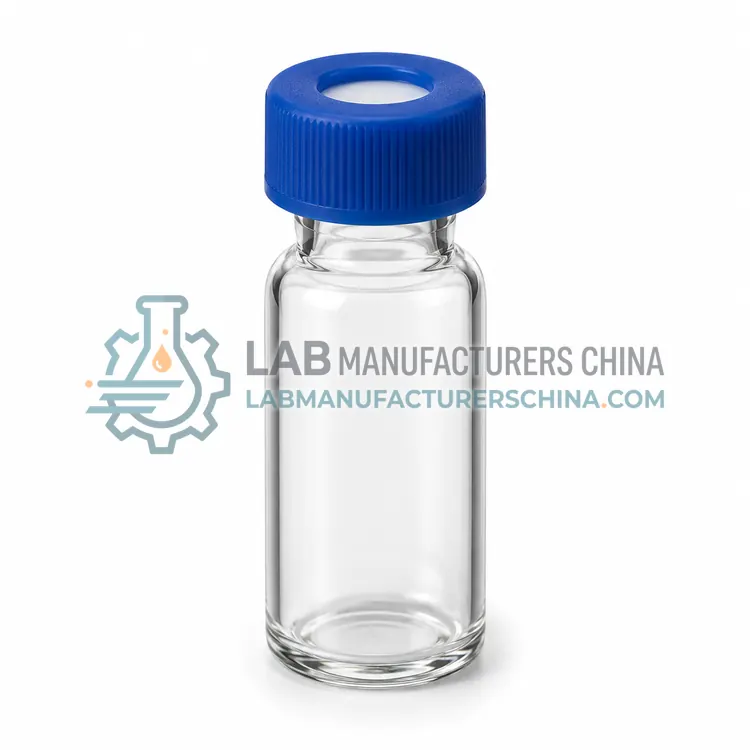
Sample vials are small containers with septum closures that hold samples in autosamplers and storage. Autosampler, headspace, crimp, amber and micro-vials are chosen for the instrument, the closure, the mobile phase and the sample volume.
- FIL5 models
Filters
过滤器
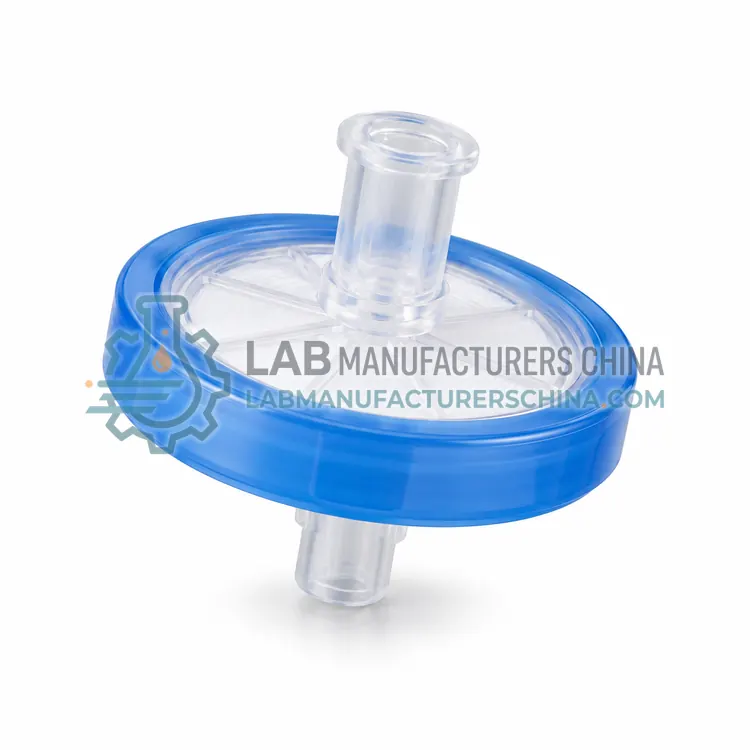
Laboratory filters remove particles and microbes from samples, mobile phases and solutions using membranes with defined pore sizes. Syringe, vacuum, disc, centrifugal and inline filters serve different volumes and purposes, and their performance depends on compatibility and extractables.
- CHC5 models
Chromatography Consumables
色谱耗材
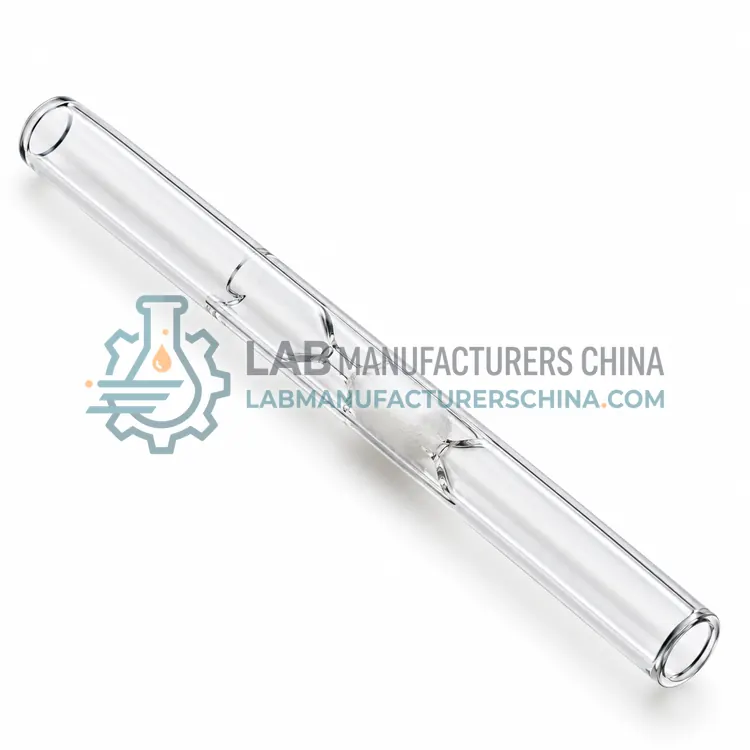
Chromatography consumables are the inert parts that carry sample and mobile phase through a chromatograph. Liners, septa, frits, PEEK fittings and guard cartridges protect the column, keep background low and keep results reproducible over long sequences.
What are Laboratory Consumables?
Laboratory consumables are the single-use or reusable items that contact samples, reagents and mobile phases. They include volumetric and general glassware such as flasks, beakers and pipettes, plasticware such as beakers, bottles and carboys, pipette tips that fit air displacement and positive displacement systems, tubes for collection, culture and centrifuge work, vials for chromatography and storage, filters for sample and mobile phase clean-up, and chromatography consumables such as liners, septa, frits and seals. Selection matters because the material can leach, adsorb or shed particles, altering results in trace analysis, bioanalysis and cell work. Consumables are also where day-to-day cost accumulates, so volume, quality grade and supplier consistency affect both data quality and budget. They are therefore treated as controlled materials in regulated laboratories.
How do Laboratory Consumables work?
Each consumable interacts with the sample in a specific way. Glass is chemically inert and heat resistant, with borosilicate 3.3 used for volumetric work because its low expansion and defined coefficient keep calibration stable, and Class A glassware is calibrated to defined tolerances. Plastics trade chemical inertness for impact resistance and disposability: polypropylene resists most reagents but adsorbs some analytes, while PTFE and PFA are more inert but cost more. Pipette tips seal against the pipette to draw a set volume, and low-retention surfaces improve recovery of sticky liquids. Tubes and vials use closures that must not leach plasticisers or lose solvent, which is why septa and caps are selected for the mobile phase and storage temperature. Filters remove particles by size exclusion through membranes such as PTFE, PVDF, nylon or cellulose. Every choice changes background signals, recoveries or sterility.
Where are Laboratory Consumables used?
Consumables are used in every laboratory, but the requirement differs by application. Analytical and bioanalytical laboratories need low-adsorption tips, clean vials and appropriate filters to avoid background and contamination. Pharmaceutical laboratories need validated materials, extractables data and particulate control for pharmacopoeial methods. Cell culture and microbiology need sterile, pyrogen-free plastics and closures with good gas exchange. Clinical laboratories need tubes that support centrifugation, barcoding and pre-analytical stability. Environmental and food laboratories need high-volume bottles, digestion vessels and filters for difficult matrices. Chromatography users need vials, septa, liners and frits that are inert to the mobile phase. Across all of these, consistency between lots matters as much as the specification, since a change in material can shift a validated method.
Which standards apply to Laboratory Consumables?
Consumables are specified against material and dimensional standards. Borosilicate glassware follows ISO 3585 for the glass and ISO 1042, ISO 385 and ISO 4788 for volumetric accuracy, with ASTM E438 covering glass composition. Pharmacopoeial glass containers follow USP <660> and EP 3.2.1. Pipette tips are tested with the pipette under ISO 8655, and vials for injections follow ISO 8362 where relevant. Sterile and single-use items are covered by ISO 11737 for bioburden and sterility, and packaging by EN ISO 11607. Filters are described by pore size and membrane material, with extractables guided by USP <665>. Any certificate a supplier cites should be treated as a candidate until the exact lot and specification are verified.
How do I select the right laboratory consumables equipment?
Start with the analytical method and the substances that will contact the consumable. Choose glass where inertness and heat resistance matter, and plastic where disposability, impact resistance or low cost matters, but confirm that the polymer does not adsorb or leach the analytes. Select tips by the pipette model and volume, and consider low-retention tips for viscous or precious samples. Choose tubes by volume, material, closure and centrifuge rating, and vials by the autosampler, septum and mobile phase combination. Select filters by pore size, membrane compatibility and extractables, and consider whether sterile, pyrogen-free or low-particulate grades are needed. Finally, demand batch-to-batch consistency and certificates of analysis, and ask suppliers for extractables or leachables data where the method is sensitive, because a cheap consumable can cost more in rework.
Laboratory Consumables comparison
| Subcategory | Principle | Typical use | Key spec |
|---|---|---|---|
| Glassware | Inert borosilicate glass with defined volume accuracy | Volumetric work, heating, mixing | Borosilicate 3.3; Class A tolerance |
| Plasticware | Moulded polymer vessels and closures | Disposable storage, culture, handling | PP, PE, PS or PC; sterile grade option |
| Pipette Tips | Sealing tip that defines the aspirated volume | Pipetting and robotic liquid handling | Fits pipette model; 10–1000 µL; low retention |
| Tubes | Containers for collection, culture and centrifugation | Sample handling and processing | 1.5–50 mL; up to 20,000 × g |
| Vials | Small containers with septum closures for analysis | Autosampler and storage | 1.5–40 mL; septum and cap type |
| Filters | Membrane separation by pore size | Sample and mobile phase clean-up | 0.2–0.45 µm; PTFE, PVDF, nylon |
| Chromatography Consumables | Inert flow path components for chromatography | Column protection and sample injection | Liners, septa, frits, seals, ferrules |
Frequently asked questions about Laboratory Consumables
Because the material contacts the sample and can leach chemicals, adsorb analytes or shed particles. A material that is fine for one method may shift results in trace analysis, so consumables must be matched to the application.
Choose glass for inertness, heat resistance and volumetric accuracy, such as flasks and pipettes. Choose plastic for impact resistance, disposability and low cost, but verify that the polymer does not adsorb or leach your analytes.
A pipette tip with a surface treatment that reduces liquid adhering to the wall, improving recovery of viscous, surface-tension-sensitive or expensive samples. It matters most at small volumes and with proteins or surfactants.
Because a change in resin, moulding, coating or sterilisation can alter extractables, adsorption or particle levels. In regulated laboratories, lot changes are documented and may require re-verification against the method.
By pore size, membrane material and compatibility with the sample and solvent, plus extractables where the method is sensitive. Common choices are PTFE for solvents, PVDF for aqueous and organic, and cellulose acetate for aqueous samples.
Related categories
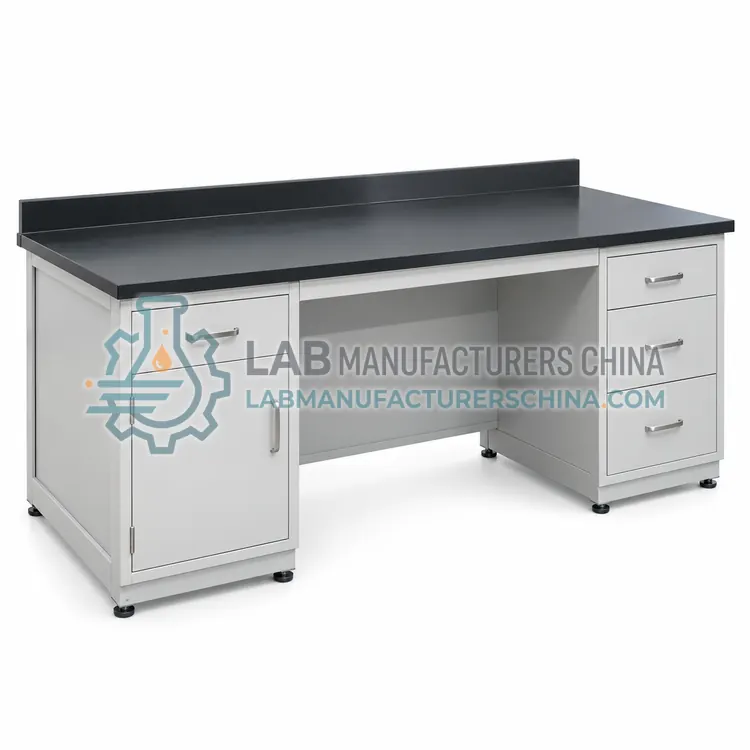 CLFU实验室家具Laboratory furniture covers benches, island and wall units, storage cabinets and sink units built from chemically resistant, load-rated materials. It provides the work surfaces, storage and service connections that laboratories need, and is specified by bench material, load capacity, service layout and compliance with casework standards.
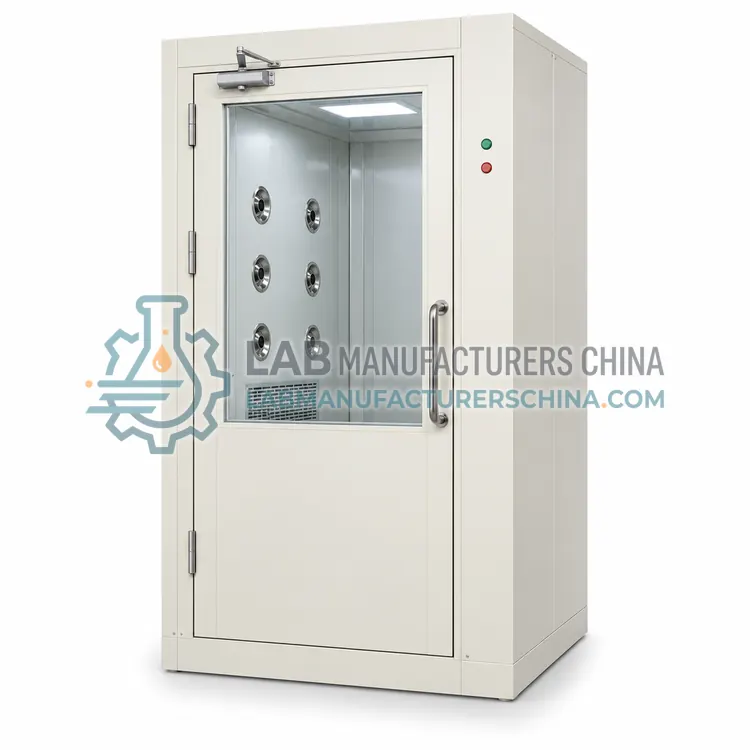 CCEQ洁净室设备Cleanroom equipment covers air showers, pass boxes, clean benches, garment cabinets and accessories that control particles and microbes at the entries, transfer points and work areas of classified rooms. Pharmaceutical, electronics, biotech and laboratory facilities use it to keep contamination within ISO 14644-1 class limits.
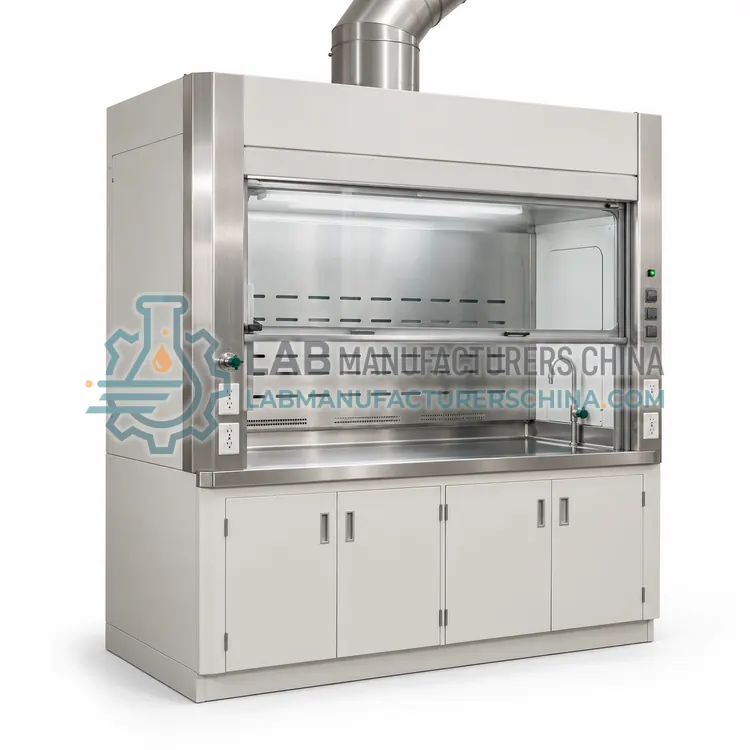 CFUH通风柜Fume hoods are enclosed ventilated workstations that capture and remove hazardous vapours, fumes, gases and dusts from a laboratory work area. Ducted, ductless, acid digestion and perchloric acid models address different chemicals, containment needs and building services.
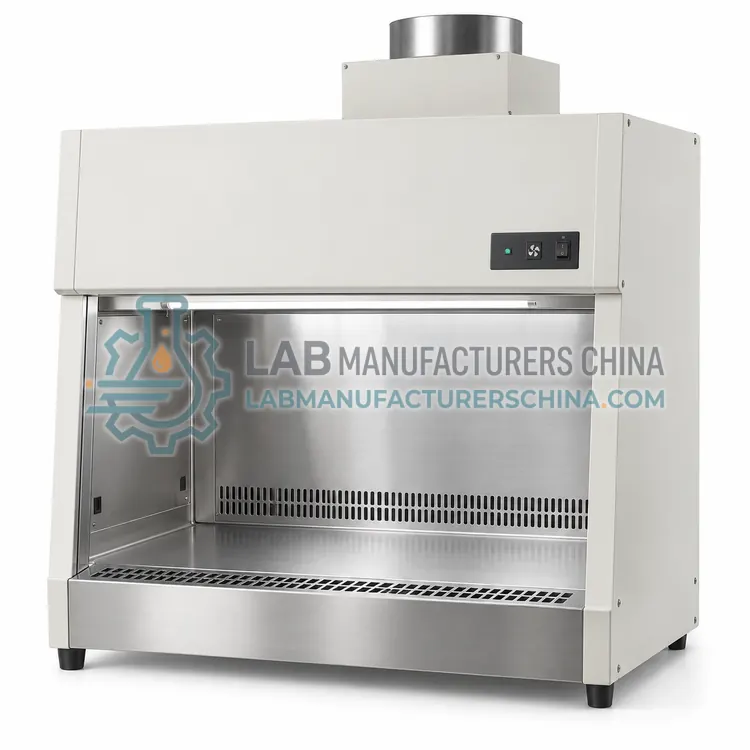 CBIC生物安全柜Biosafety cabinets are ventilated enclosures that use HEPA filtration and controlled airflow to protect operators, the environment and often the work from biological aerosols. Class I, II and III designs and cytotoxic cabinets cover different containment levels.