How do Plasticware work?
Plasticware works because polymers can be moulded into precise, low-cost shapes and selected for specific properties. Polypropylene resists most acids, bases and solvents, tolerates autoclaving and is translucent but not optically clear, so it is used for beakers, bottles and carboys. Polycarbonate is clear and tough, so it is used for centrifuge bottles where the contents must be seen and the vessel must resist high g forces. Polystyrene is optically clear and rigid, which suits cell culture flasks and dishes, and is supplied sterile and sometimes treated for cell attachment. Polyethylene is flexible and used for wash bottles and tubing. Unlike glass, plastics can adsorb analytes, leach additives such as plasticisers, and scratch, so they are chosen for applications where inertness requirements are lower or where disposability reduces contamination risk.
Which Plasticware variants are available?
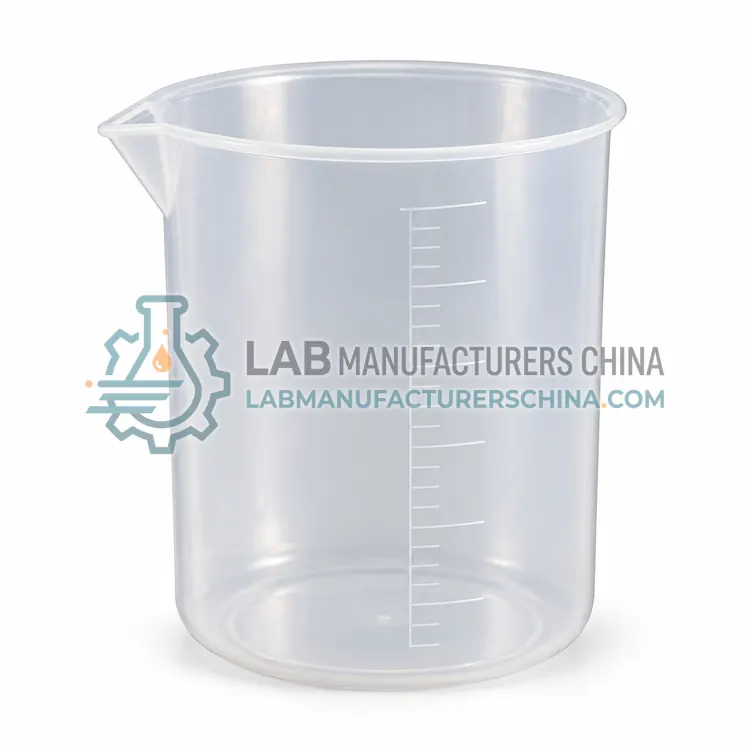
- Polypropylene Beaker — A polypropylene beaker is a lightweight, unbreakable vessel for mixing and holding acids and bases.
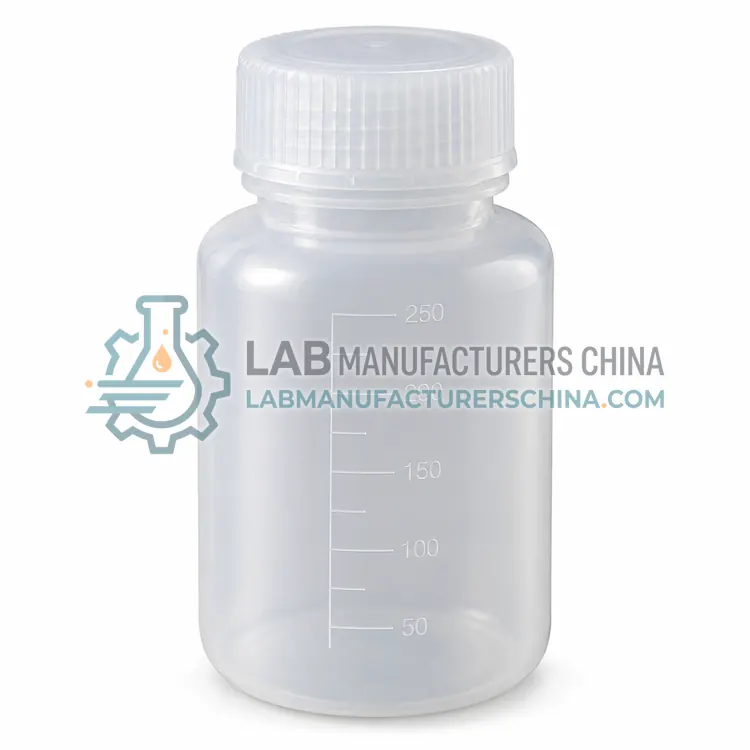
- Polypropylene Reagent Bottle — A polypropylene reagent bottle stores aqueous and many solvent reagents with a leak-resistant screw cap.
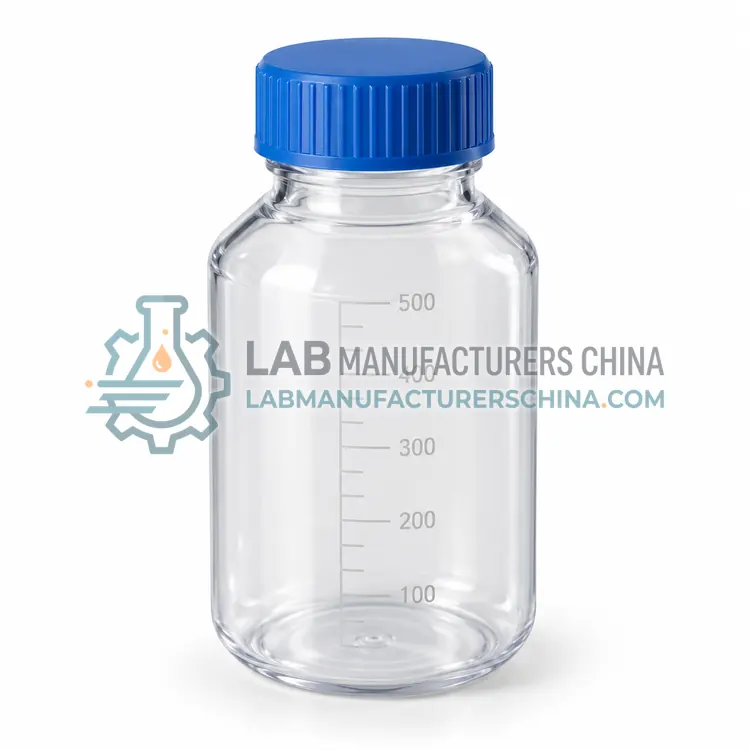
- Polycarbonate Centrifuge Bottle — A polycarbonate centrifuge bottle is a clear, tough vessel rated for high g forces in preparative centrifugation.
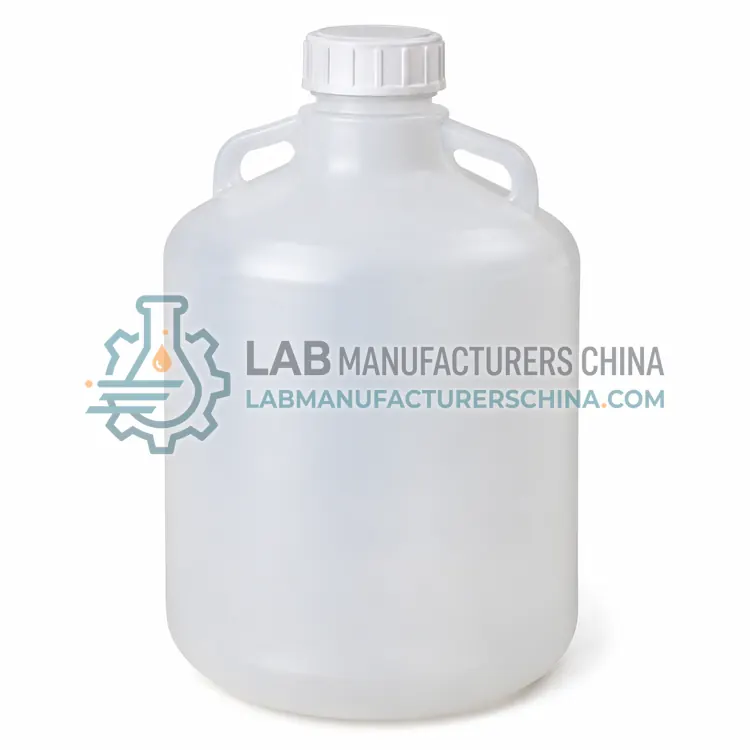
- Polypropylene Carboy — A polypropylene carboy is a large, unbreakable container for storing and dispensing bulk solutions.
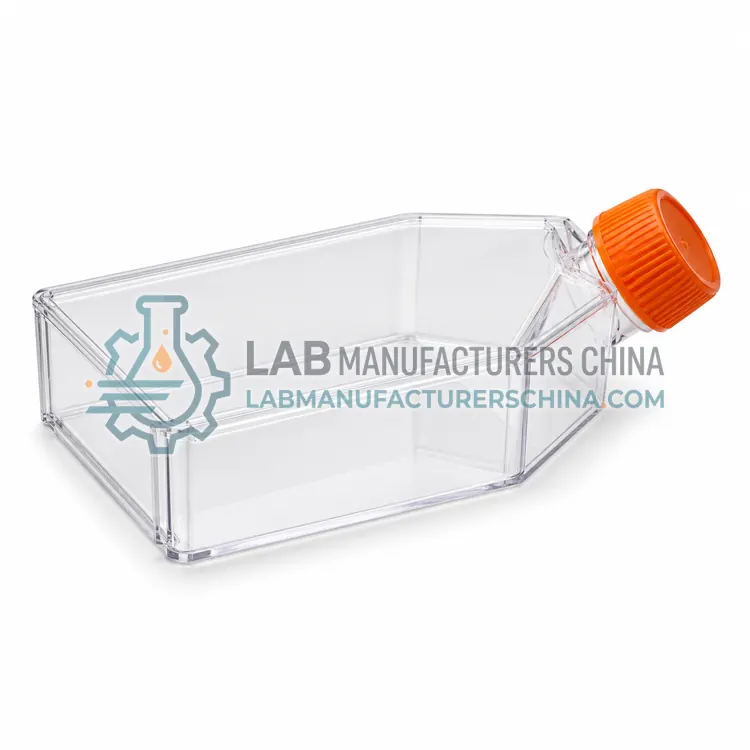
- Sterile Polystyrene Cell Culture Flask — A sterile polystyrene cell culture flask provides an optically clear, treated surface for adherent cell growth.
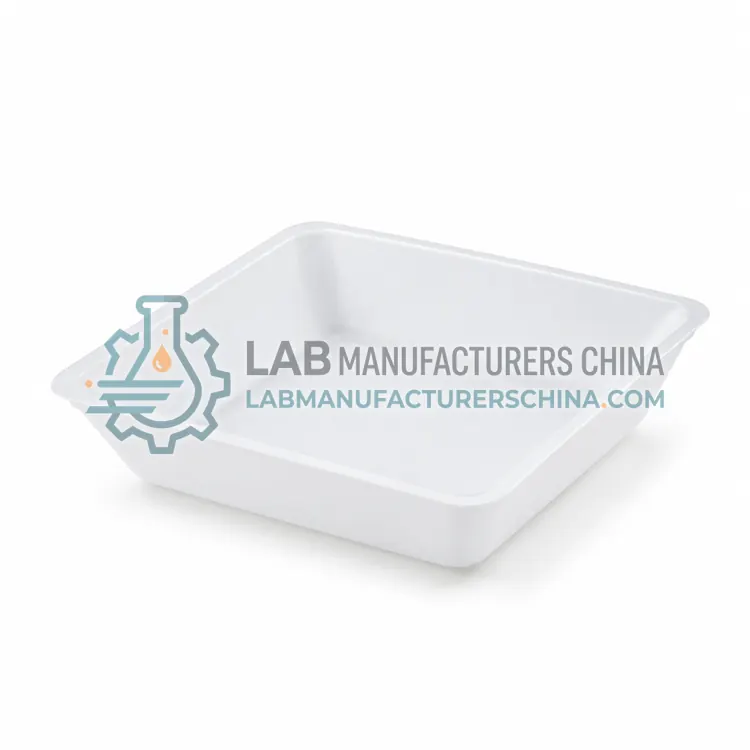
- Disposable Weighing Boat — A disposable weighing boat is a light plastic tray for weighing and transferring powders and liquids.
How do I choose the right variant?
Choose the polymer from the chemistry, the temperature and the visibility needed. Polypropylene is the general-purpose choice for acids, bases and most solvents, and it can be autoclaved. Use polycarbonate where clarity and impact strength matter, but avoid it with strong alkalis and some solvents that cause stress cracking. Use polystyrene only for aqueous and culture work, since it is attacked by many solvents. Choose sterile, pyrogen-free and cell-culture-treated grades where cells, media or clinical samples are involved, and confirm the certification. Match the volume, closure and centrifuge rating to the application, and check that the resin does not adsorb the analytes of interest. For trace work, ask for leachables and extractables data, and prefer low-binding surfaces for proteins and peptides.
Where are Plasticware used?
Plasticware are specified in reagent and buffer storage, cell culture and microbiology, centrifugation, sample transport and shipping, acid and base handling and disposable weighing and mixing.
Which standards and certifications apply?
Work with Plasticware is commonly governed by USP <661> (plastic components and systems), USP <88> (biological reactivity tests), ISO 10993 (biological evaluation of medical devices), ISO 13485 (medical device quality management), EN ISO 11607 (packaging for terminally sterilized devices) and ISO 11737 (sterilization of health care products). Instrument certifications such as CE marking are confirmed per configuration and never assumed.
What are the key considerations before purchase?
Confirm the maximum temperature and autoclave compatibility of each polymer before use, since polypropylene tolerates about 121 °C and polystyrene does not. Avoid strong oxidising acids and solvents that cause environmental stress cracking, and test new polymer and chemical combinations before routine use. Use sterile techniques with culture ware and keep packaging intact until use, and do not reuse items intended for single use. Inspect bottles for crazing, cloudiness or odour, which can indicate chemical attack or leaching. Store plastics away from direct sunlight and heat, and keep certificates of analysis and sterility for regulated work. Where adsorption matters, run recovery checks with the analytes and the intended plastic before committing to a method.