
Laminar Flow Cabinets
层流柜
CLFC · Laboratory Infrastructure · 4 product types · 20 models
By Lab Manufacturers China Technical TeamLast reviewed
What are Laminar Flow Cabinets?
Laminar flow cabinets use HEPA-filtered unidirectional airflow to protect a work surface and the samples on it from particles and microbes. Horizontal, vertical, PCR and clean bench designs are used in cleanrooms, cell culture and molecular laboratories.
4 product types in Laminar Flow Cabinets
The 4 product types below are grouped by the exact instrument you need.
- HLF5 models
Horizontal Laminar Flow
水平层流柜
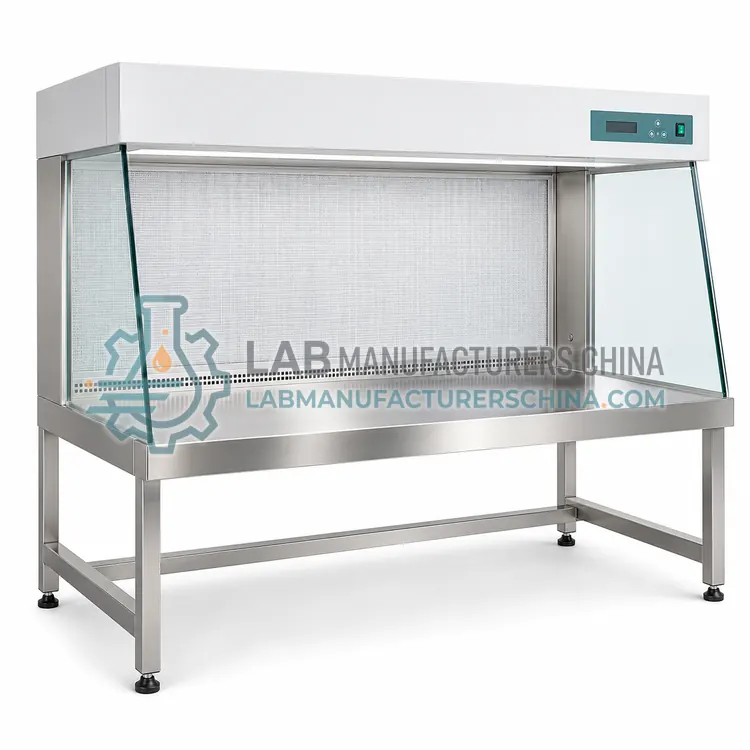
Horizontal laminar flow cabinets pass HEPA-filtered air from the rear across the work surface towards the operator, giving an unobstructed clean zone. They are used for assembly, inspection, media preparation and other product-protection tasks.
- VLF5 models
Vertical Laminar Flow
垂直层流柜
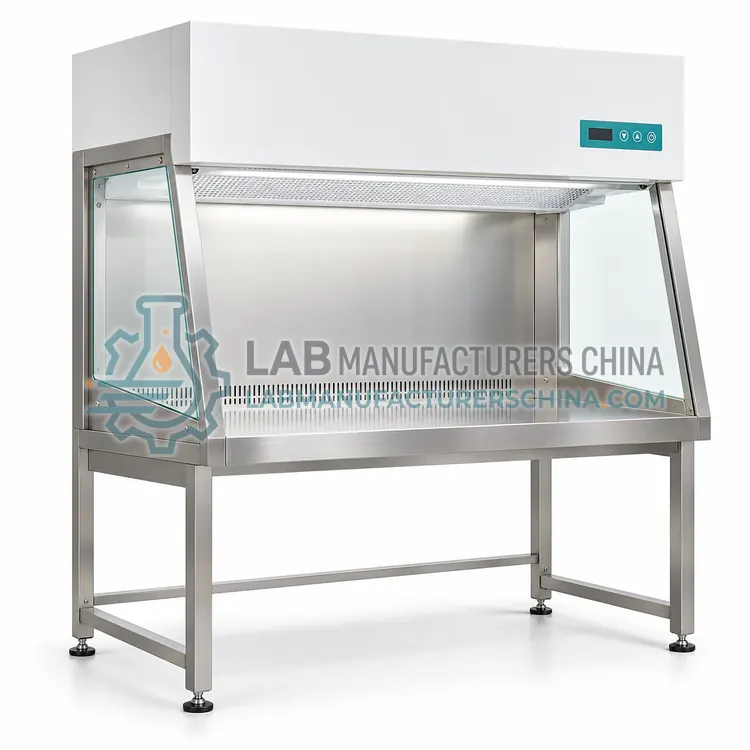
Vertical laminar flow cabinets send HEPA-filtered air downward from the top of the enclosure across the work surface. They protect the work from particles and suit taller items, sterile handling and bench assembly where downward flow is preferred.
- PCC5 models
PCR Cabinets
PCR 工作柜
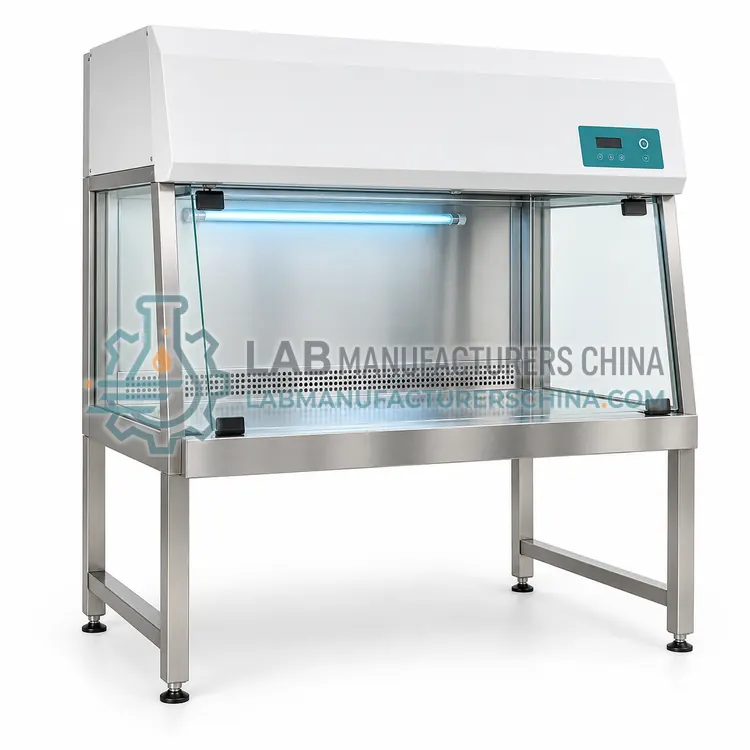
PCR cabinets are small enclosures for setting up polymerase chain reaction and nucleic acid work. They combine a clean or dead-air work zone with UV and often HEPA filtration to reduce contamination and cross-over between samples.
- CBE5 models
Clean Benches
洁净工作台(层流柜)
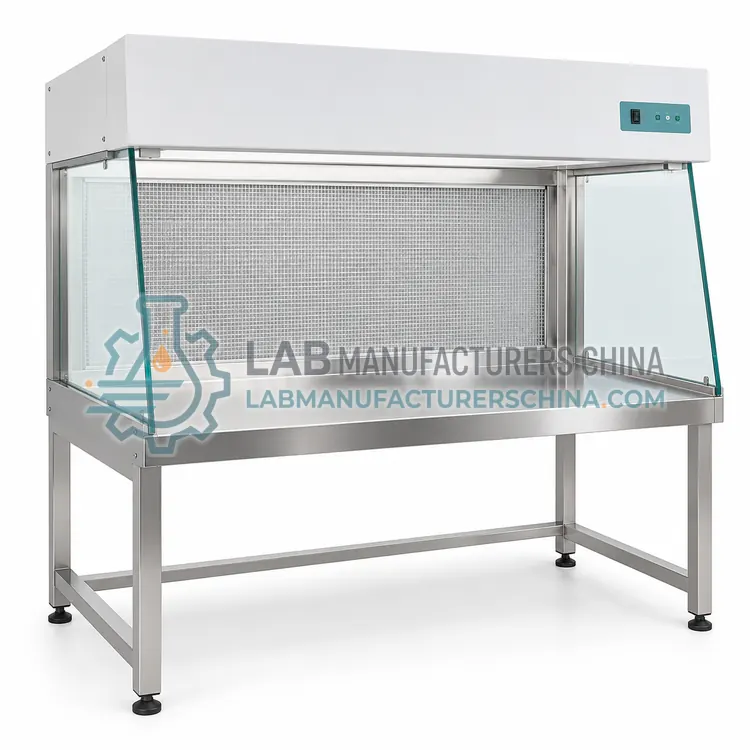
Clean benches are laminar flow workstations that protect products and samples with HEPA or ULPA filtered air, without protecting the operator. Horizontal, vertical, ducted, recirculating and stainless steel forms cover inspection, assembly and sterile work.
What are Laminar Flow Cabinets?
Laminar flow cabinets are local protection devices that create a clean work zone without enclosing the operator. Room or recirculated air passes a HEPA or ULPA filter and flows in one direction across the work surface, sweeping particles away from samples. Unlike biosafety cabinets, they do not protect the operator from aerosols, and unlike fume hoods they do not remove chemical vapour. The main forms are horizontal laminar flow, where air crosses the work surface from the back, and vertical laminar flow, where air comes down from the top; PCR cabinets combine a clean work zone with UV and often a small contained front; and clean benches are the general-purpose form used for assembly and inspection. Materials are powder-coated steel or stainless steel with a particle-free work surface. Performance is defined by filter class, face velocity and airborne particle counts under ISO 14644-1.
How do Laminar Flow Cabinets work?
A laminar flow cabinet draws room air through a prefilter and then through a HEPA filter rated at least 99.97 % efficient at 0.3 µm, or a ULPA filter at 99.999 %. A fan pushes the filtered air through a plenum and diffuser so it leaves as a uniform, low-turbulence stream. In a horizontal design the air leaves a rear grille and crosses the work surface towards the operator; in a vertical design it descends from the top and can exhaust at the front or recirculate. Face velocity is normally 0.3–0.5 m/s, which is high enough to carry particles away without creating turbulence that could draw in room air. Because the supply is filtered and the flow is unidirectional, the work zone can reach ISO 5 or better in a suitable room. Filter loading is shown by a pressure gauge, and airflow should be validated on installation and periodically, since room draughts and obstructions can disturb the laminar stream.
Where are Laminar Flow Cabinets used?
Laminar flow cabinets are used where product protection is the priority. Electronics and semiconductor plants use them for wafer handling, display assembly and sensor work, with ESD-safe versions for static-sensitive parts. Pharmaceutical and medical-device manufacturing use them for aseptic assembly and inspection, and intravenous compounding for non-hazardous preparations. Hospital and clinical laboratories use clean benches for media preparation, plating and instrument loading. Cell culture and molecular biology use vertical flow cabinets and PCR cabinets for handling sterile reagents and reaction set-ups. Optics, aerospace, food testing and metrology laboratories use them for particle-sensitive inspection. In each case the cabinet is selected for airflow direction, filter class, working height and whether recirculation or ducting is acceptable in the room.
Which standards apply to Laminar Flow Cabinets?
Laminar flow cabinets are evaluated against the ISO 14644 series, using ISO 14644-1 for air cleanliness classification and ISO 14644-3 for test methods such as airflow and particle counting. IEST recommended practice IEST-RP-CC002 covers unidirectional flow devices, and EU GMP Annex 1 sets the expectation for aseptic operations in sterile manufacturing. Filter grades follow EN 1822 and ISO 29463. Hospital pharmacies reference USP <797> for sterile compounding, and Chinese facilities apply GB 50073 for cleanroom design. Electrical safety follows IEC 61010-1. Any certificate a supplier cites should be treated as a candidate until the exact model, filter and test report are verified for the intended use.
How do I select the right laminar flow cabinets equipment?
Decide first what must be protected. If the operator also needs protection from aerosols or chemicals, a laminar flow cabinet is the wrong device and a biosafety cabinet or fume hood is required. Choose horizontal airflow when the operator must reach across the work surface without a barrier, and vertical airflow when the work is tall or when the airflow should not blow towards the operator. Select the filter class for the required cleanliness: HEPA H14 for ISO 5, ULPA for ISO 4 or better. Match width and working height to the equipment, and decide whether the cabinet recirculates or is ducted. For molecular work, a PCR cabinet with UV and a contained front reduces cross contamination. Confirm face velocity, particle counts and filter integrity at commissioning, and plan periodic requalification.
Laminar Flow Cabinets comparison
| Subcategory | Principle | Typical use | Key spec |
|---|---|---|---|
| Horizontal Laminar Flow | HEPA air flows from rear grille across the work surface | Assembly, inspection, media prep with clear access | Face velocity 0.3–0.5 m/s; ISO 5 |
| Vertical Laminar Flow | HEPA air descends from the top over the work zone | Tall work, sterile handling, bench assembly | Face velocity 0.3–0.5 m/s; H14 or ULPA |
| PCR Cabinets | Clean work zone with UV and a contained front | PCR set-up, nucleic acid handling | Downflow 0.3–0.5 m/s; UV 254 nm; ISO 5 |
| Clean Benches | HEPA or ULPA unidirectional flow over an open bench | General product protection and inspection | Face velocity 0.3–0.5 m/s; H14 or ULPA |
Frequently asked questions about Laminar Flow Cabinets
It protects the work and samples from particles and microbes by supplying HEPA or ULPA filtered air across the work surface. It does not protect the operator from aerosols or chemicals, unlike a biosafety cabinet or fume hood.
Horizontal flow gives unimpeded access across the work surface and suits assembly and inspection. Vertical flow suits taller work and does not blow towards the operator, and is often preferred when a small contained front is useful.
Only for work that generates no hazardous aerosols, because it does not protect the operator. Many laboratories use a Class II biosafety cabinet instead, which protects operator, environment and product at the same time.
Normally 0.3–0.5 m/s, measured at the filter face or work zone. Too low fails to carry particles away, while too high creates turbulence that can entrain room air, so the value should be set and verified at commissioning.
Filter integrity and airflow are commonly verified at installation and at least annually, with prefilters changed every 3–6 months. Sterile or regulated areas may require more frequent checks and documented requalification.
Related categories
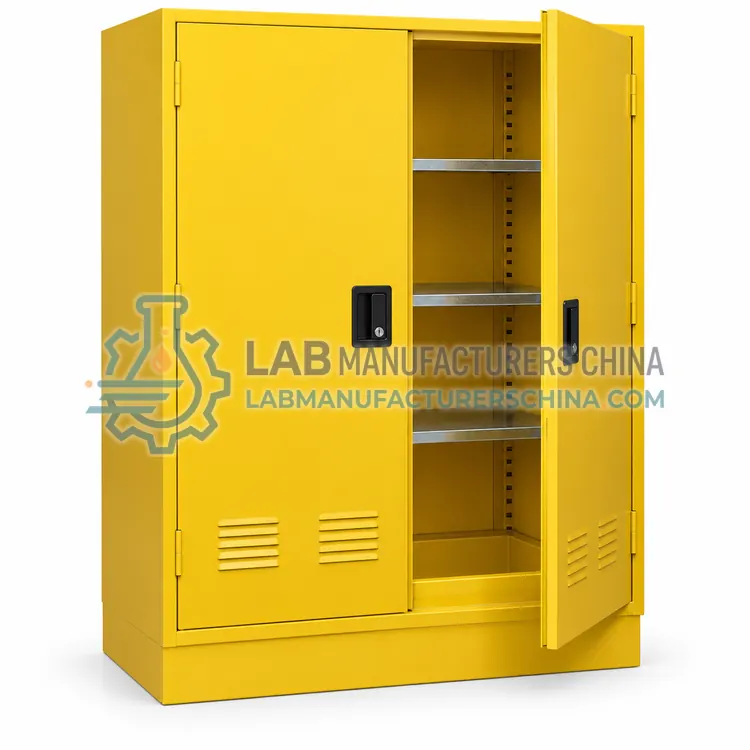 CLBR实验室安全设备Laboratory safety equipment covers cabinets, emergency showers, eyewash stations, spill control supplies and chemical storage that protect people and facilities from fire, chemical exposure and spills. It supports the laboratory's exposure-control and emergency plans.
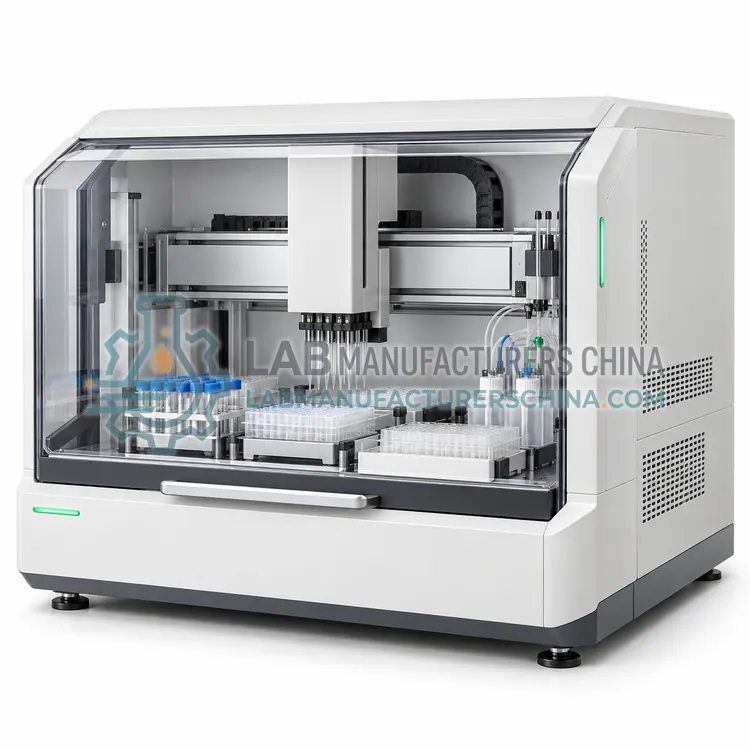 CLAA实验室自动化Laboratory automation covers instruments and software that prepare samples, move liquids, run analyses and feed results into information systems. It raises throughput and reproducibility while reducing manual handling, transcription errors, delays and running cost.
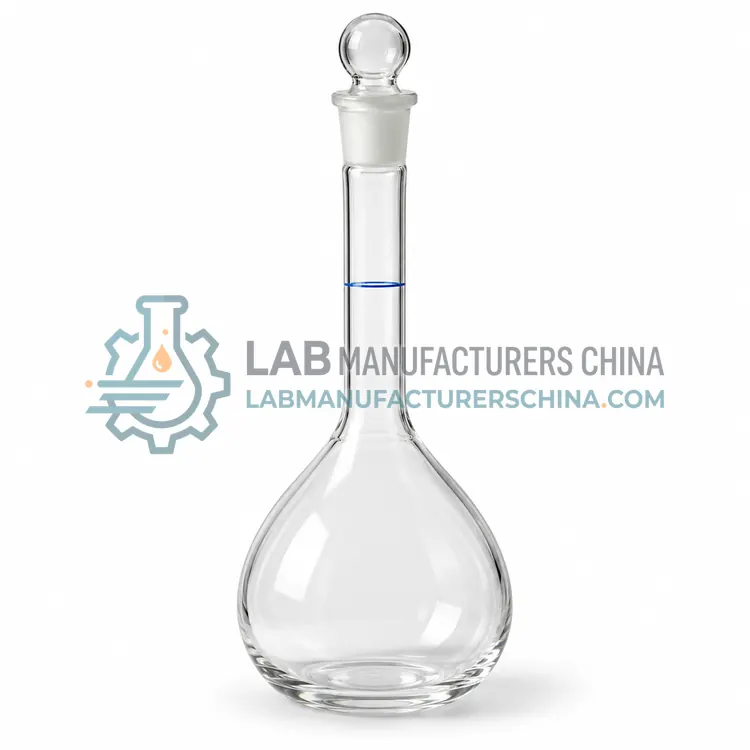 CLCO实验室耗材Laboratory consumables are the glassware, plasticware, tips, tubes, vials, filters and chromatography items used in daily work. They determine sample integrity, analytical background and cost per test, and are controlled materials in regulated laboratories.
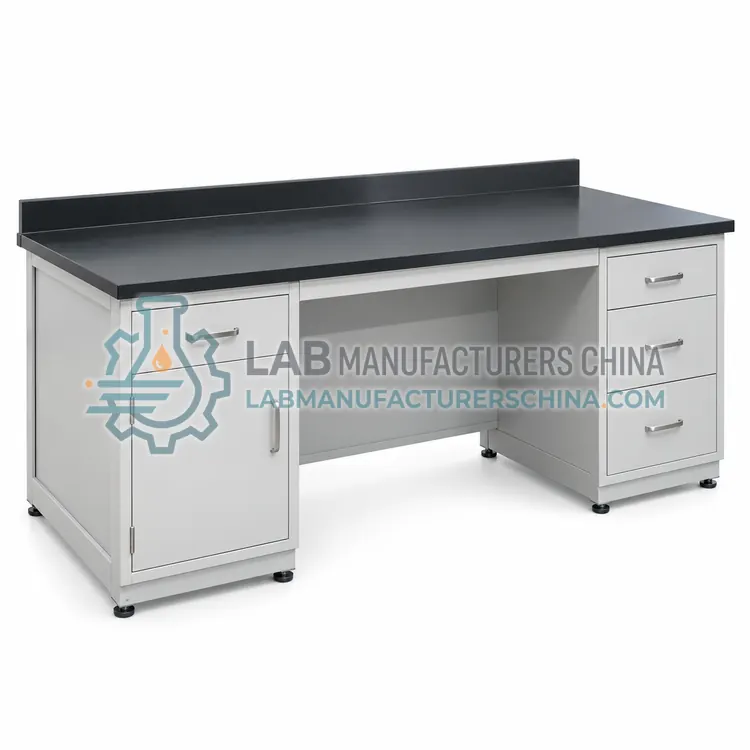 CLFU实验室家具Laboratory furniture covers benches, island and wall units, storage cabinets and sink units built from chemically resistant, load-rated materials. It provides the work surfaces, storage and service connections that laboratories need, and is specified by bench material, load capacity, service layout and compliance with casework standards.