
Cleanroom Equipment
洁净室设备
CCEQ · Laboratory Infrastructure · 5 product types · 25 models
By Lab Manufacturers China Technical TeamLast reviewed
What are Cleanroom Equipment?
Cleanroom equipment covers air showers, pass boxes, clean benches, garment cabinets and accessories that control particles and microbes at the entries, transfer points and work areas of classified rooms. Pharmaceutical, electronics, biotech and laboratory facilities use it to keep contamination within ISO 14644-1 class limits.
5 product types in Cleanroom Equipment
The 5 product types below are grouped by the exact instrument you need.
- AIS5 models
Air Showers
风淋室
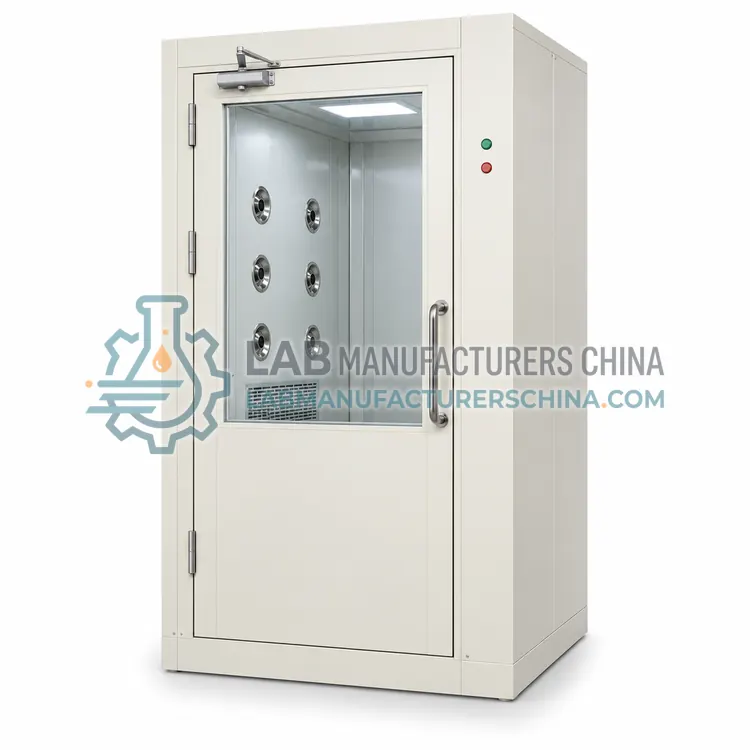
Air showers are enclosed vestibules that blow high-velocity HEPA-filtered air over personnel or goods entering a cleanroom to dislodge surface particles. They serve electronics, pharmaceutical, biotech and medical-device facilities as a contamination-control step between gowning areas and classified rooms.
- PBO5 models
Pass Boxes
传递窗
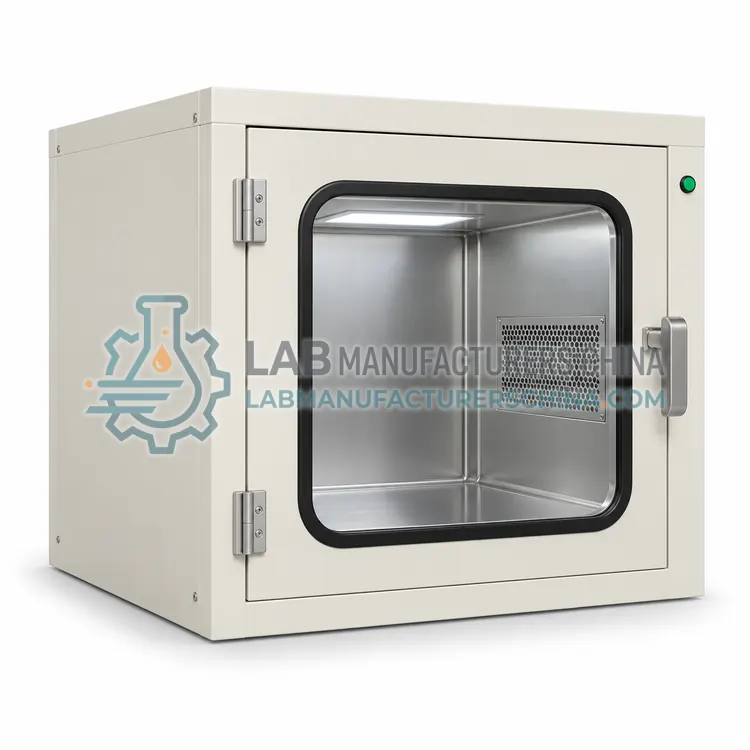
Pass boxes are interlocked transfer chambers built into a cleanroom wall that let materials move between areas of different cleanliness without opening the room to the corridor. Pharmaceutical, biotech, electronics and hospital facilities use them to limit particle and microbial cross-contamination.
- CLB5 models
Clean Benches
洁净工作台(洁净室设备)
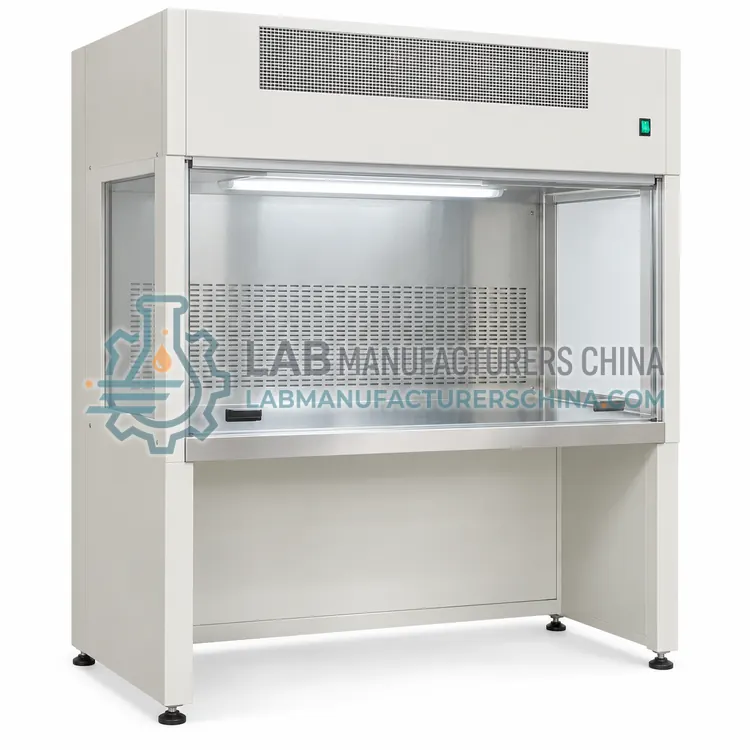
In cleanroom facilities, clean benches are HEPA-filtered workstations installed inside classified rooms to give ISO 5 local protection for assembly, inspection and handling of particle-sensitive products. Electronics, optics, medical-device and pharmaceutical operations use them as a point-of-use upgrade over the room class.
- GCA5 models
Garment Cabinets
洁净服柜
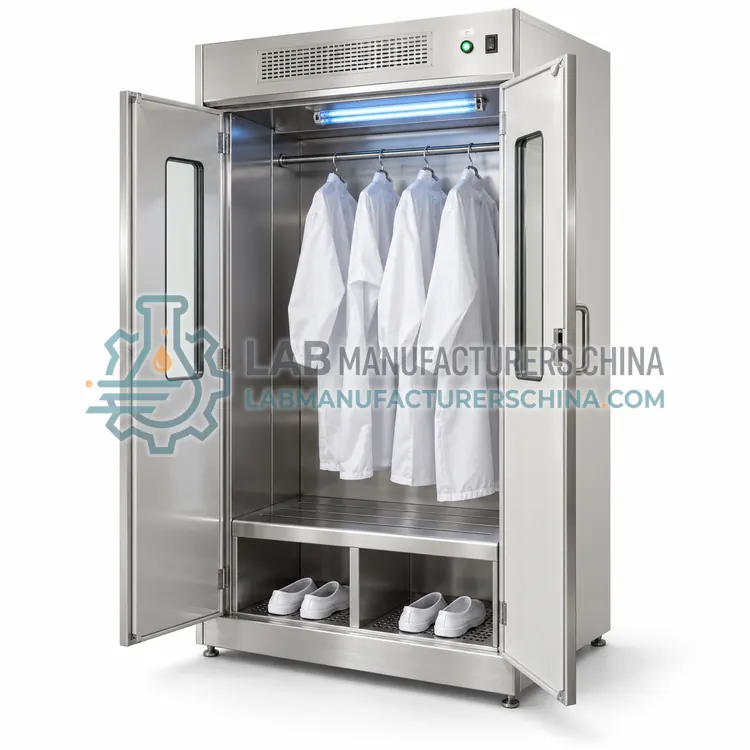
Garment cabinets are ventilated or HEPA-filtered storage cabinets that hold cleanroom garments between uses, protecting them from dust and, in some designs, sterilizing them with UV. Pharmaceutical, electronics and biotech gowning rooms use them to keep coveralls, hoods and boots clean.
- CAC5 models
Cleanroom Accessories
洁净室配件
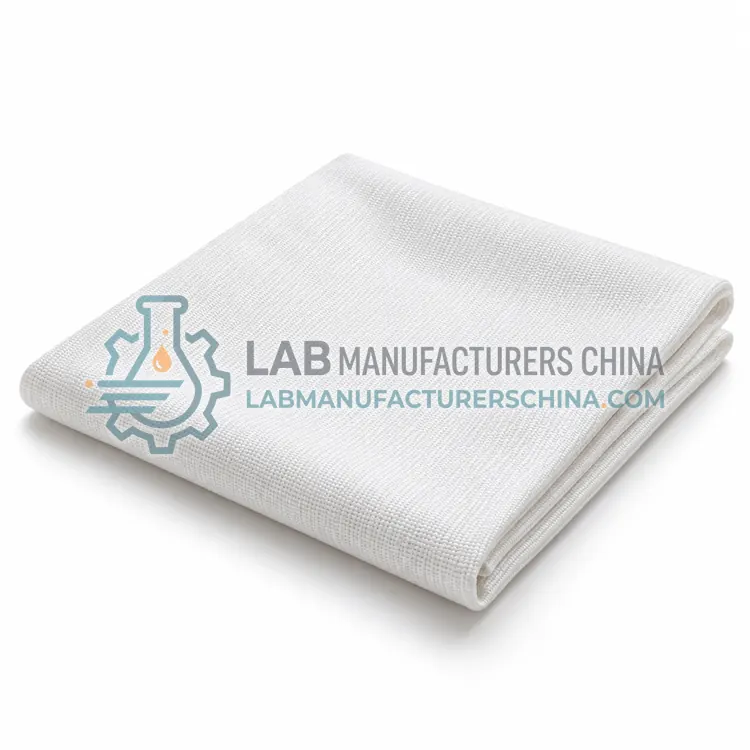
Cleanroom accessories are consumable and supporting items such as wipers, gloves, garments, tacky mats and shoe covers that control particle and microbial contamination in classified rooms. Pharmaceutical, semiconductor, medical-device and laboratory facilities use them to maintain the cleanliness of people, surfaces and products.
What are Cleanroom Equipment?
Cleanroom equipment is the set of devices and consumables that support a classified environment beyond the building air-handling system itself. It includes personnel and cargo air showers, pass boxes for material transfer, clean benches for local ISO 5 work zones, garment cabinets for gown storage, and accessories such as wipers, gloves, coveralls, tacky mats and shoe covers. Cleanrooms are classified by airborne particle concentration under ISO 14644-1, from ISO 1 to ISO 9, and most laboratories and pharmaceutical suites operate between ISO 5 and ISO 8. Equipment is selected to protect the boundaries of these rooms, where people and materials enter, and to provide local protection at the point of work. Materials are typically 304 or 316L stainless steel, powder-coated steel and low-particle polymers, with sealed, cleanable surfaces.
How do Cleanroom Equipment work?
Cleanroom equipment works by removing, blocking or capturing contaminants at defined points. Air showers blow HEPA-filtered air at 20–25 m/s over garments to dislodge particles, and interlocked doors keep zones separate. Pass boxes isolate transfers with interlocked doors and may flush the chamber with HEPA air, UV or vaporized hydrogen peroxide. Clean benches pass room air through a HEPA or ULPA filter to create unidirectional airflow at 0.3–0.5 m/s across a work surface, giving local ISO 5 conditions. Garment cabinets store gowns under filtered or positive-pressure air to keep them particle-free. Accessories act as barriers or collectors: low-shedding fabrics retain skin flakes, sealed-edge wipers capture residues and adhesive mats trap particles from soles. Together they maintain cleanroom class during operation.
Where are Cleanroom Equipment used?
Cleanroom equipment is used in pharmaceutical and biologics manufacturing, where sterile and non-sterile production both need controlled entry and material flow. Electronics and semiconductor plants rely on it to reduce particle defects on wafers, displays and sensors. Medical-device assembly, optics, aerospace component manufacturing and food packaging use similar controls at lower classifications. Research laboratories, cell therapy suites, hospital pharmacies, tissue banks and quality control laboratories use clean benches, pass boxes and garment storage to protect samples and products. Each application sets a room class, a gowning sequence and a transfer procedure, and the equipment must fit those definitions. Choosing the right combination lowers contamination risk, shortens gowning time and supports audit readiness.
Which standards apply to Cleanroom Equipment?
Cleanroom equipment is evaluated against the ISO 14644 series, particularly ISO 14644-1 for air cleanliness classification, ISO 14644-3 for test methods and ISO 14644-4 for design and construction. HEPA and ULPA filters are graded under EN 1822 and ISO 29463. Pharmaceutical users also follow EU GMP Annex 1 for sterile manufacturing, and Chinese facilities apply GB 50073 for cleanroom design. IEST recommended practices cover garments, wipers, gloves and unidirectional flow devices, and IEC 61340-5-1 covers electrostatic control. Any certificate mentioned in supplier documents should be treated as a candidate until verified for the specific model, filter and lot.
How do I select the right cleanroom equipment?
Begin with the required ISO class and the process risk, then map the flow of people and materials. For personnel entry, specify an air shower with the right capacity and interlocks; for small transfers, a static or dynamic pass box; for bulky goods, a cargo shower or roller pass box. For local ISO 5 work, choose a clean bench with HEPA or ULPA filtration and the airflow direction that suits the task, keeping in mind that benches protect products, not operators. Match garment storage to the gown grade, and choose accessories by shedding, ESD and sterility requirements. Check materials, particularly 304 versus 316L stainless steel, and ask for test data such as filter leak reports, airflow readings and particle counts rather than relying on marketing descriptions.
Cleanroom Equipment comparison
| Subcategory | Principle | Typical use | Key spec |
|---|---|---|---|
| Air Showers | HEPA air jets at 20–25 m/s over people or cargo | Cleanroom entry decontamination | Nozzle velocity 20–25 m/s; cycle 15–99 s |
| Pass Boxes | Interlocked doors, optional HEPA, UV or VHP | Material transfer through walls | Chamber 400–1000 mm; 0.3–0.5 m/s airflow |
| Clean Benches | HEPA or ULPA laminar flow over work surface | Local ISO 5 assembly and handling | Face velocity 0.3–0.5 m/s; ISO 5 |
| Garment Cabinets | Ventilated or filtered storage of gowns | Gowning-room garment storage | Internal pressure +5 to +30 Pa; H13/H14 |
| Cleanroom Accessories | Low-shedding barriers and collectors | Wiping, gloving, gowning, floor control | Particle count < 1000/m2 (wipers) |
Frequently asked questions about Cleanroom Equipment
Beyond air handling, a cleanroom typically needs an air shower for personnel, pass boxes for materials, garment storage, clean benches for local ISO 5 work, and accessories such as gloves, garments and wipers. The exact set depends on class and process.
An air shower cleans people or carts entering the cleanroom with HEPA air jets. A pass box is a small interlocked chamber for passing items through a wall without opening both sides, and may include HEPA flushing, UV or VHP.
A HEPA clean bench typically achieves ISO 5 at the work surface, and a ULPA bench can reach ISO 4–5 when well maintained and installed in a suitable room. Verify by particle counting to ISO 14644-3.
HEPA filters in benches, showers and pass boxes are typically leak tested at installation and at least annually, with prefilters changed every 3–6 months. Sterile areas may require more frequent checks under EU GMP Annex 1.
Some are. Garments and boots can be laundered 50–100 cycles with validation, while wipers, most gloves, tacky mat sheets and disposable shoe covers are single use. Always follow the gowning SOP and sterility requirements.
Related categories
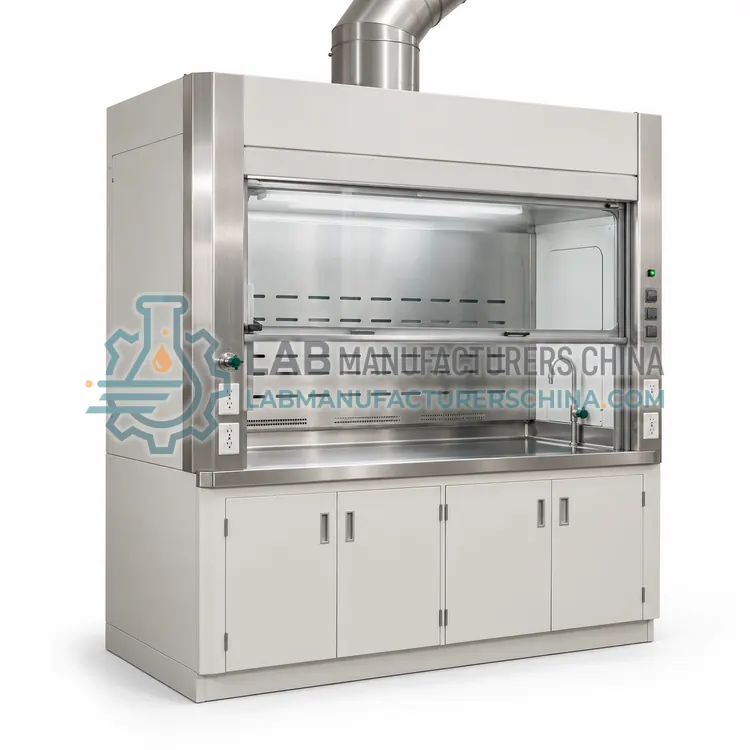 CFUH通风柜Fume hoods are enclosed ventilated workstations that capture and remove hazardous vapours, fumes, gases and dusts from a laboratory work area. Ducted, ductless, acid digestion and perchloric acid models address different chemicals, containment needs and building services.
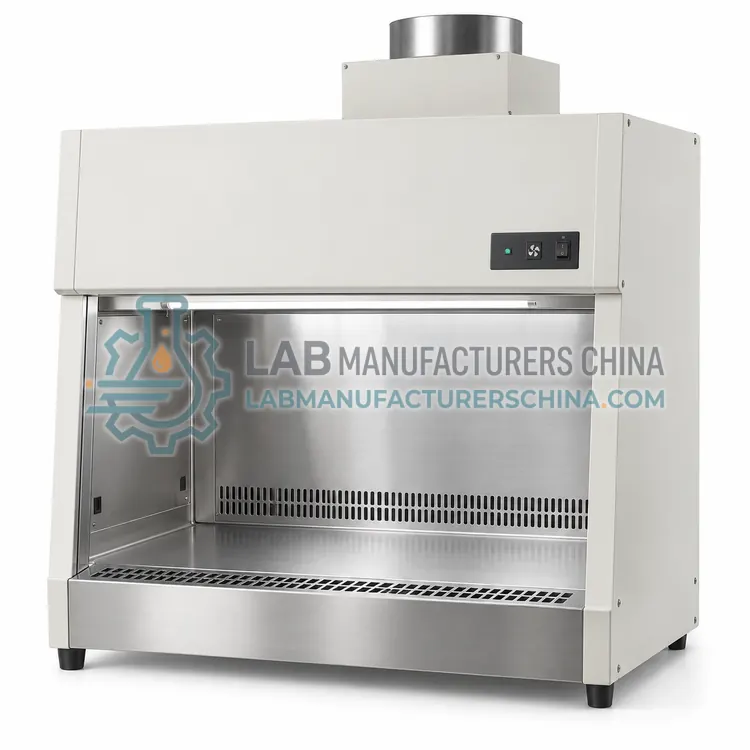 CBIC生物安全柜Biosafety cabinets are ventilated enclosures that use HEPA filtration and controlled airflow to protect operators, the environment and often the work from biological aerosols. Class I, II and III designs and cytotoxic cabinets cover different containment levels.
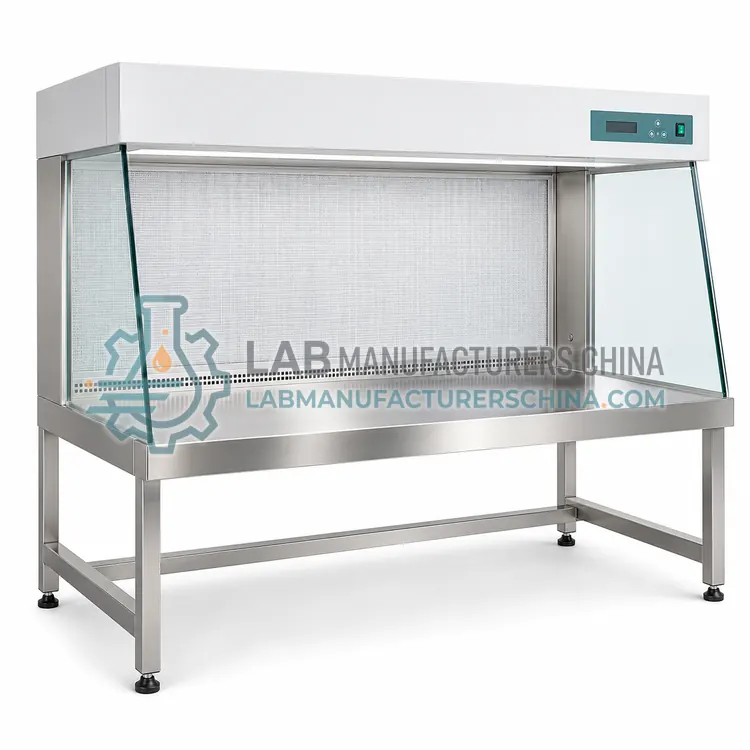 CLFC层流柜Laminar flow cabinets use HEPA-filtered unidirectional airflow to protect a work surface and the samples on it from particles and microbes. Horizontal, vertical, PCR and clean bench designs are used in cleanrooms, cell culture and molecular laboratories.
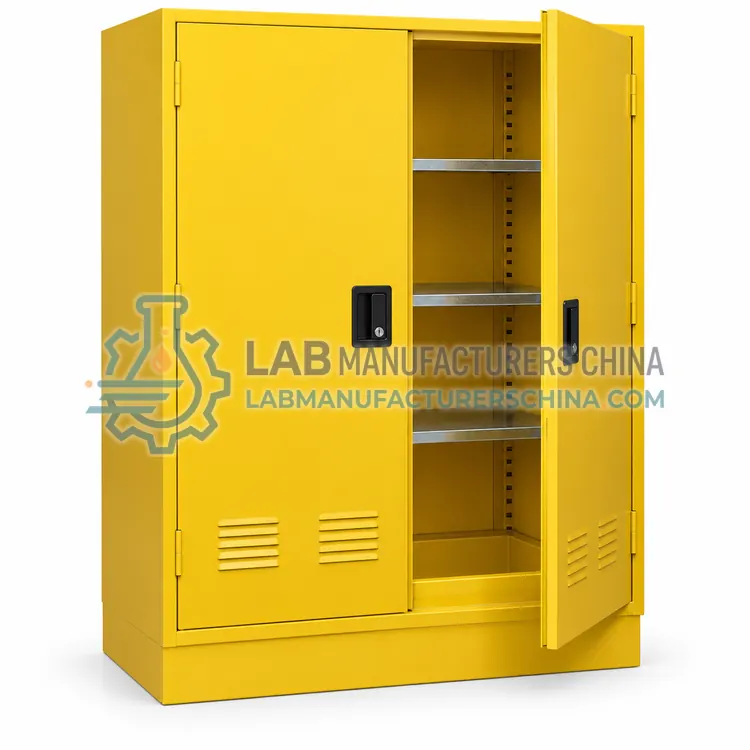 CLBR实验室安全设备Laboratory safety equipment covers cabinets, emergency showers, eyewash stations, spill control supplies and chemical storage that protect people and facilities from fire, chemical exposure and spills. It supports the laboratory's exposure-control and emergency plans.