
Laboratory Safety Equipment
实验室安全设备
CLBR · Laboratory Infrastructure · 5 product types · 25 models
By Lab Manufacturers China Technical TeamLast reviewed
What are Laboratory Safety Equipment?
Laboratory safety equipment covers cabinets, emergency showers, eyewash stations, spill control supplies and chemical storage that protect people and facilities from fire, chemical exposure and spills. It supports the laboratory's exposure-control and emergency plans.
5 product types in Laboratory Safety Equipment
The 5 product types below are grouped by the exact instrument you need.
- SAF5 models
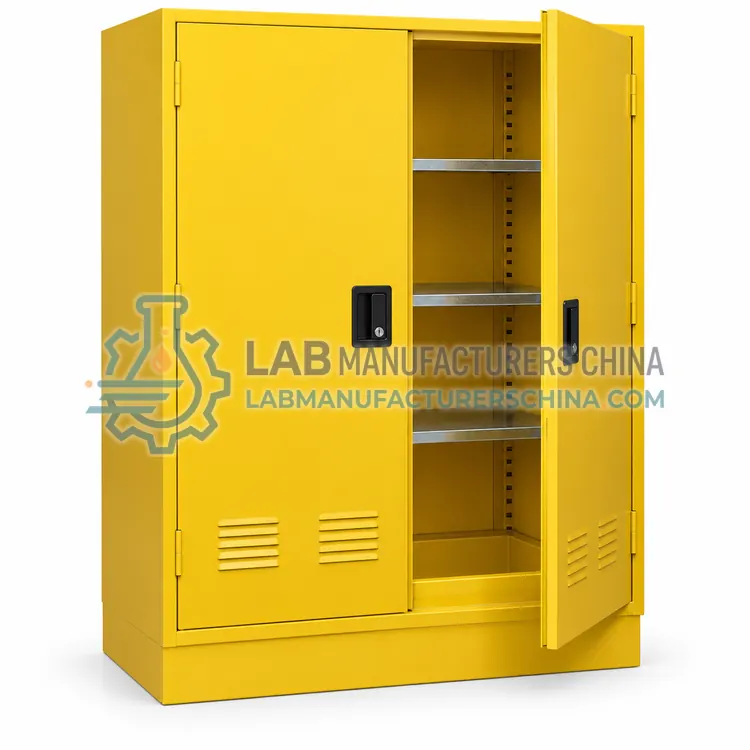
Safety Cabinets
实验室安全储存柜
Laboratory safety cabinets store flammable, corrosive or reactive chemicals so a fire cannot spread and incompatible materials stay separate. They are built to fire-rating and segregation rules and are used in every chemical-handling laboratory.
- ESH5 models
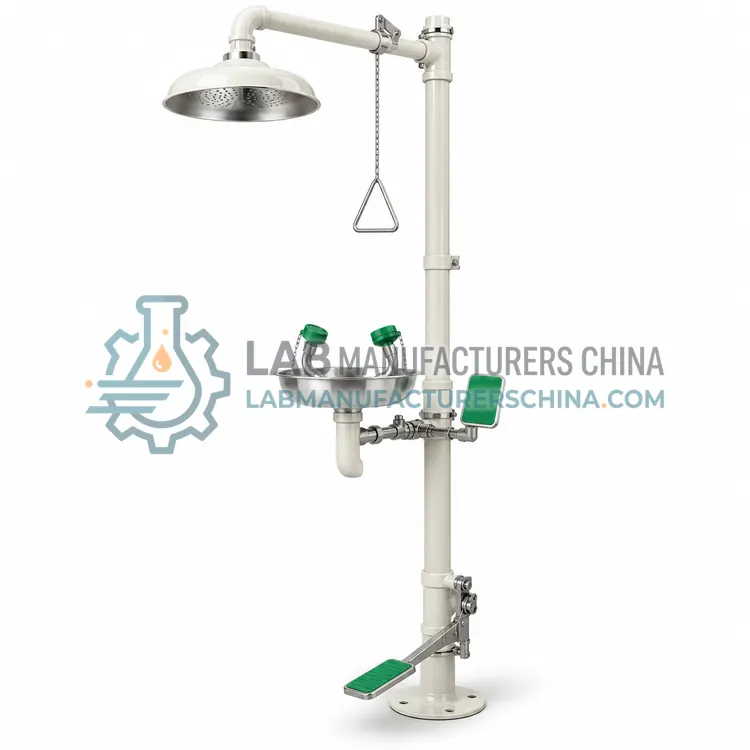
Emergency Showers
紧急淋浴
Emergency showers deliver a large volume of tepid water over the whole body when a person is exposed to chemicals or fire. They are placed within seconds of hazards and are tested weekly and inspected annually to keep them ready.
- EYS5 models
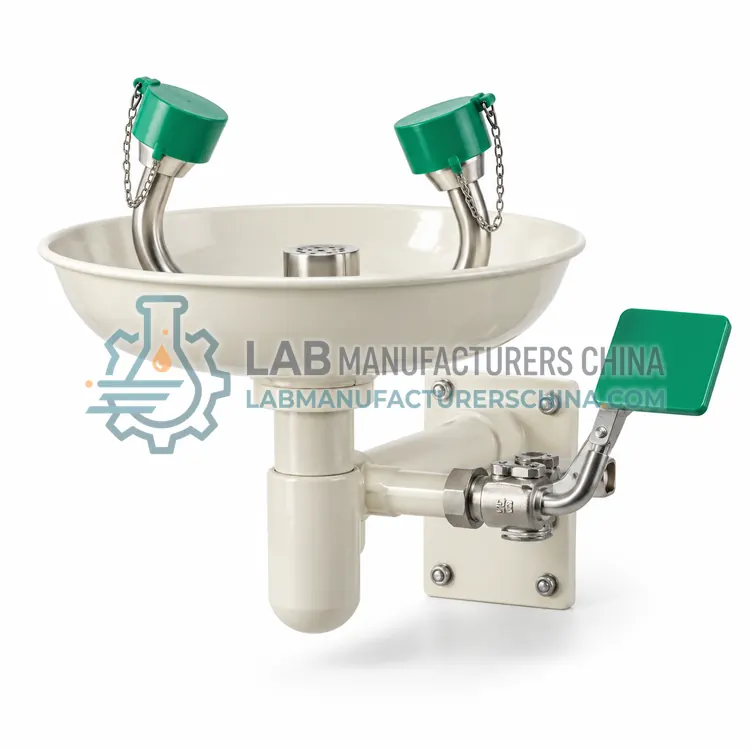
Eyewash Stations
洗眼站
Eyewash stations flush the eyes and face with aerated, low-pressure water within seconds of chemical exposure. Wall, pedestal, deck-mounted, hose and portable types serve different laboratory layouts and hazards. They must be reachable within ten seconds of the hazard.
- SCO5 models
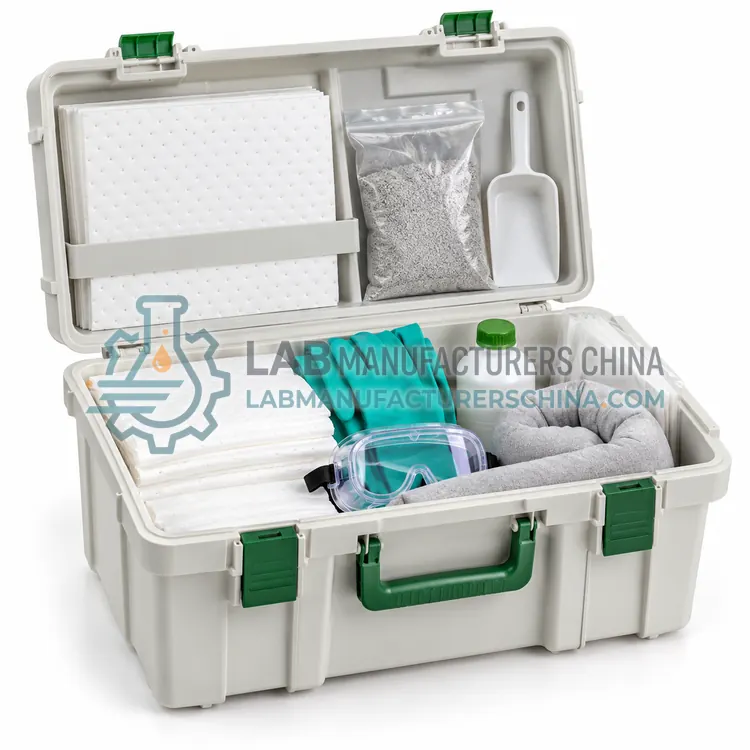
Spill Control
泄漏控制用品
Spill control supplies contain and clean up chemical releases before they spread across the floor. Kits combine absorbents, neutralisers, barriers and personal protective items matched to the chemicals, and containment berms or trays hold larger volumes.
- CHS5 models
Chemical Storage
化学品储存设备
Chemical storage equipment organises reagents, solvents, gases and waste by hazard class so incompatible materials cannot react. Shelving, ventilated cabinets, cylinder stores and walk-in rooms support safe day-to-day inventory management in laboratories and help meet safety codes.
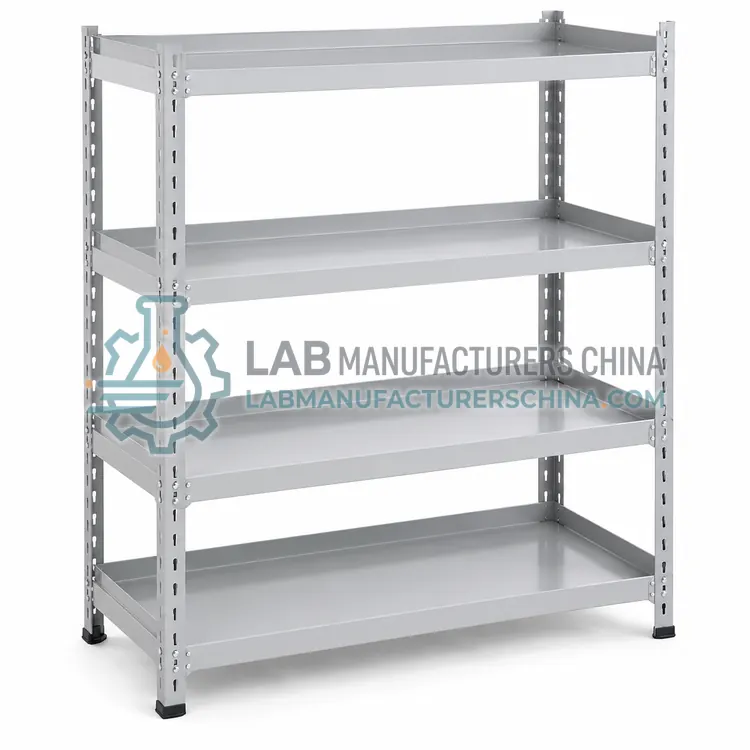
What are Laboratory Safety Equipment?
Laboratory safety equipment is the group of engineered and procedural controls that limit harm when something goes wrong. Flammable and corrosive storage cabinets confine hazardous chemicals so a fire cannot spread and vapours are contained. Emergency showers and eyewash stations provide immediate flushing when skin or eyes are exposed, and their location, water temperature and flow rates are specified by standards. Spill control covers absorbents, neutralisers, spill kits and containment trays that stop a release from spreading. Chemical storage extends beyond cabinets to shelving, secondary containment, segregation by hazard class and ventilation. Together these items support hazard assessment, safe storage limits and emergency response, and they must be inspected, tested and maintained on defined schedules to remain effective. Equipment is chosen from a hazard assessment of the chemicals and processes in each laboratory.
How do Laboratory Safety Equipment work?
Safety equipment works by containment, rapid access or neutralisation. Storage cabinets are built with double walls, thermal insulation and self-closing doors, and flammable cabinets may be vented or have fire-rated construction that slows heat transfer, keeping contents below their ignition temperature for a rated period. Emergency showers deliver a large volume of tepid water, commonly 75–115 L/min, so that chemicals are diluted and washed from skin and clothing, and eyewash stations give aerated low-pressure flow at about 1.5–2 L/min per eye. Access within 10 seconds of a hazard is the usual planning rule. Spill kits combine absorbents with neutralisers, and secondary containment trays hold the contents of a leaking container. Chemical storage uses segregation, such as separating acids from bases and oxidisers from flammables, so incompatible materials cannot react during a spill or fire.
Where are Laboratory Safety Equipment used?
Safety equipment is used in every laboratory that handles hazardous chemicals. Chemistry and materials laboratories use flammable storage cabinets and spill kits for solvents and acids. Pharmaceutical and quality control laboratories use corrosive cabinets, eyewash stations and segregation shelving for reagent storage. Biology and clinical laboratories use spill kits for biological and chemical releases and eyewash stations near staining and fixation areas. Teaching laboratories place showers, eyewashes and storage cabinets according to expected hazards and student numbers. Facilities with gas cylinders, waste accumulation and bulk solvent use add secondary containment and segregated storage. In each setting the equipment must match the hazard class, the quantity stored and the local code, and the layout must allow escape and rescue during an incident.
Which standards apply to Laboratory Safety Equipment?
Emergency flushing equipment is designed and placed to ANSI/ISEA Z358.1 in North America and EN 15154 in Europe, both of which specify flow, temperature and access. Flammable liquid storage follows NFPA 30 and OSHA 29 CFR 1910.106, with fire-resistant cabinets also tested to EN 14470-1. Chemical segregation and labelling follow GHS and local workplace rules, and laboratory safety practices reference ISO 15190 for medical laboratories and OSHA 29 CFR 1910.1450 for occupational exposure. Ventilation of cabinets and rooms may reference ASHRAE guidance. Where a supplier cites a certificate, treat it as a candidate until the specific model and test report are verified for the installation.
How do I select the right laboratory safety equipment?
Begin with a hazard assessment that lists the chemicals, quantities and processes, then choose equipment to match. Select flammable storage cabinets rated for the quantity stored, and separate corrosives into acid or base cabinets. Place emergency showers and eyewash stations within 10 seconds' travel of hazards, on the same level, with unobstructed access, and confirm the required flow rates and tepid water supply. Build spill kits for the specific chemicals, with neutralisers for acids and bases and absorbents for solvents. Plan chemical storage by hazard class, using secondary containment and shelving rated for the load. Confirm that the layout meets local codes, that signage is clear, and that inspection and testing schedules are documented, since equipment that is present but unmaintained does not protect anyone.
Laboratory Safety Equipment comparison
| Subcategory | Principle | Typical use | Key spec |
|---|---|---|---|
| Safety Cabinets | Double-wall insulated cabinet with self-closing doors | Flammable and corrosive liquid storage | Fire rating 30–90 min; capacity 30–250 L |
| Emergency Showers | Large-volume tepid water deluge from above | Whole-body chemical exposure | Flow 75–115 L/min; tepid 16–38 °C |
| Eyewash Stations | Aerated low-pressure flushing of both eyes | Eye and face exposure | Flow 1.5–2 L/min per eye; 15 min supply |
| Spill Control | Absorbents, neutralisers and containment barriers | Containing and cleaning chemical releases | Kit 5–50 L capacity; neutraliser by class |
| Chemical Storage | Segregation by hazard class with secondary containment | Organised reagent and solvent storage | Shelving load 150–500 kg; trays 5–60 L |
Frequently asked questions about Laboratory Safety Equipment
At minimum, storage cabinets for flammables and corrosives, eyewash stations and showers within 10 seconds of hazards, spill kits suited to the chemicals used, secondary containment and documented inspection. The exact set follows a hazard assessment.
ANSI/ISEA Z358.1 requires about 75 L/min for a shower and EN 15154 is similar, delivered at tepid temperature of roughly 16–38 °C. Flow must be maintained for at least 15 minutes.
No more than 10 seconds' travel, roughly 15–20 m, on the same level and with an unobstructed path. The area should be well lit and marked, and the unit must be reachable without passing through the hazard.
Fire-rated cabinets are type tested to EN 14470-1 or equivalent and must be installed per instructions. Eyewashes and showers are activated weekly and inspected annually, and spill kits are checked for completeness and expiry.
Incompatible chemicals such as acids and bases, or oxidisers and flammables, can react violently if they mix during a spill or fire. Segregating by hazard class in separate cabinets or compartments prevents contact and reduces consequences.
Related categories
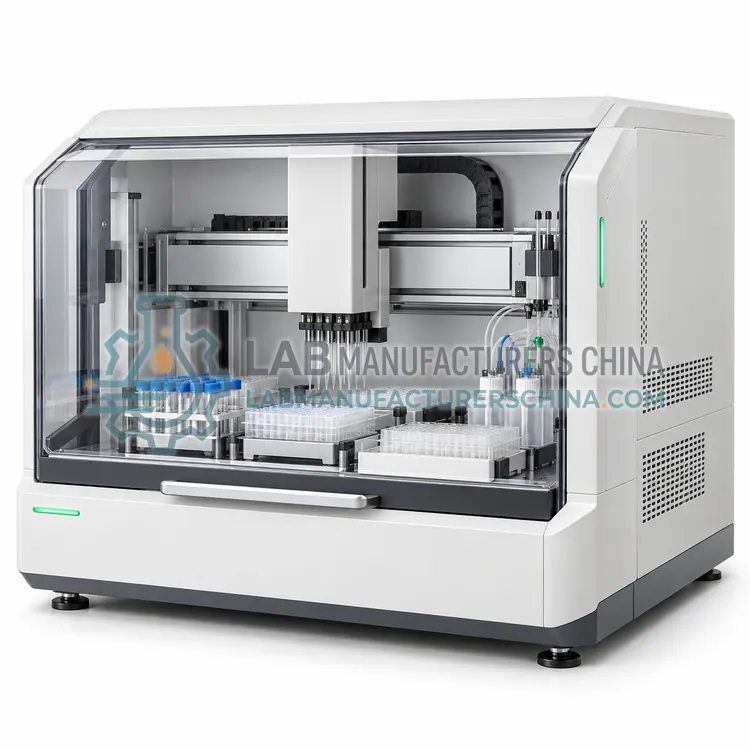 CLAA实验室自动化Laboratory automation covers instruments and software that prepare samples, move liquids, run analyses and feed results into information systems. It raises throughput and reproducibility while reducing manual handling, transcription errors, delays and running cost.
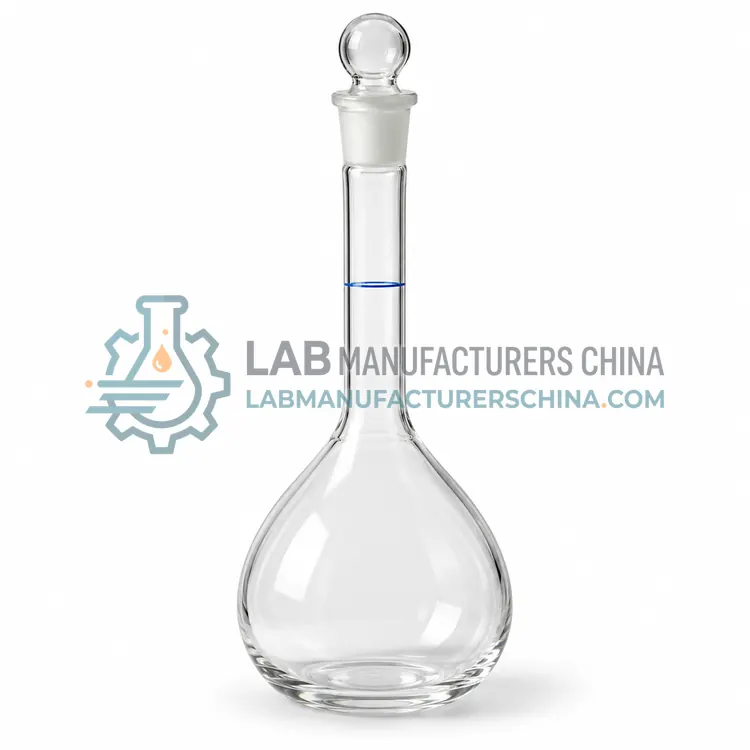 CLCO实验室耗材Laboratory consumables are the glassware, plasticware, tips, tubes, vials, filters and chromatography items used in daily work. They determine sample integrity, analytical background and cost per test, and are controlled materials in regulated laboratories.
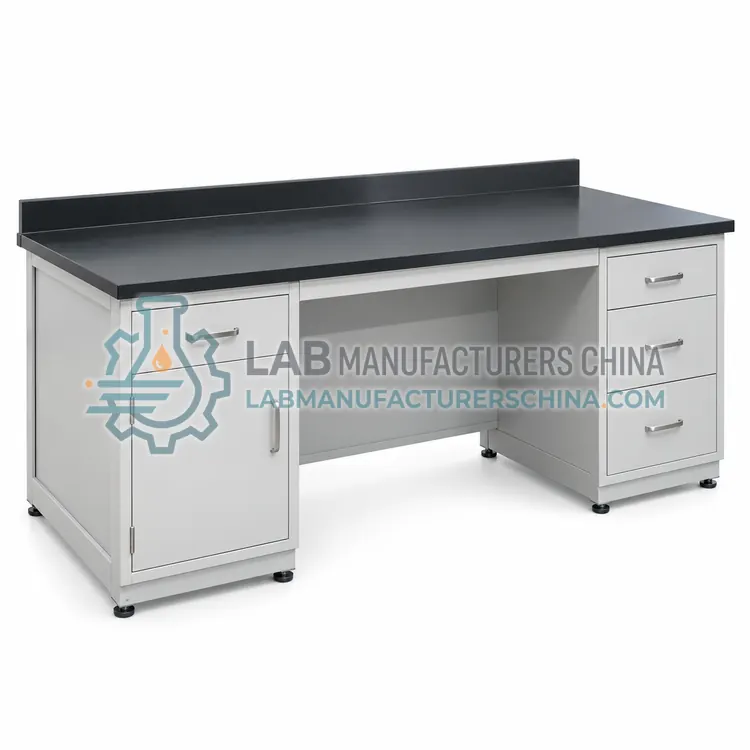 CLFU实验室家具Laboratory furniture covers benches, island and wall units, storage cabinets and sink units built from chemically resistant, load-rated materials. It provides the work surfaces, storage and service connections that laboratories need, and is specified by bench material, load capacity, service layout and compliance with casework standards.
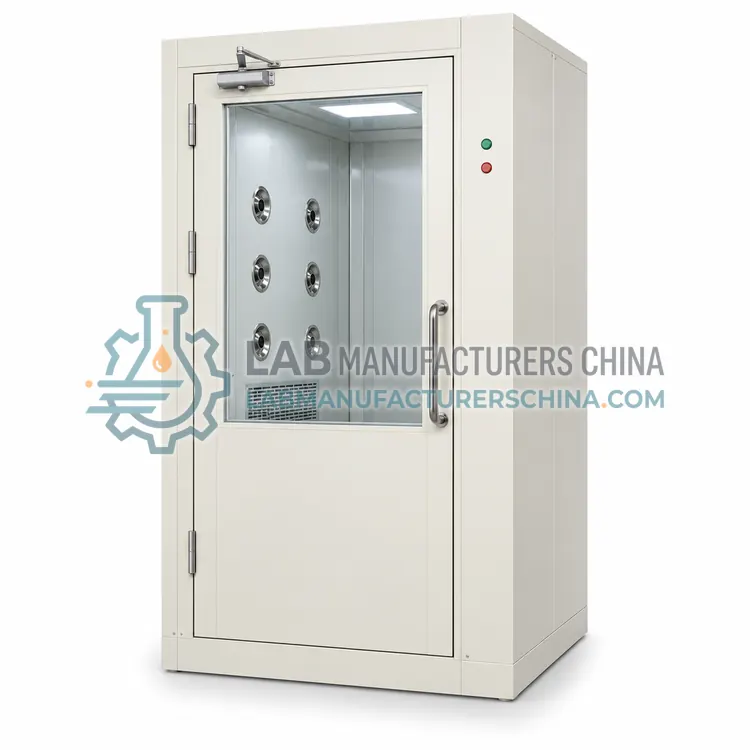 CCEQ洁净室设备Cleanroom equipment covers air showers, pass boxes, clean benches, garment cabinets and accessories that control particles and microbes at the entries, transfer points and work areas of classified rooms. Pharmaceutical, electronics, biotech and laboratory facilities use it to keep contamination within ISO 14644-1 class limits.