How do Spill Control work?
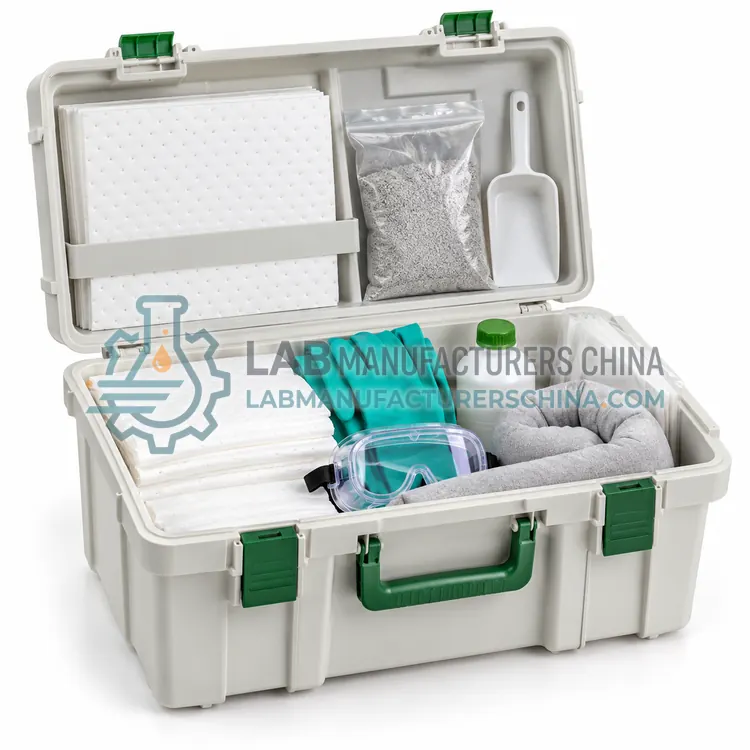
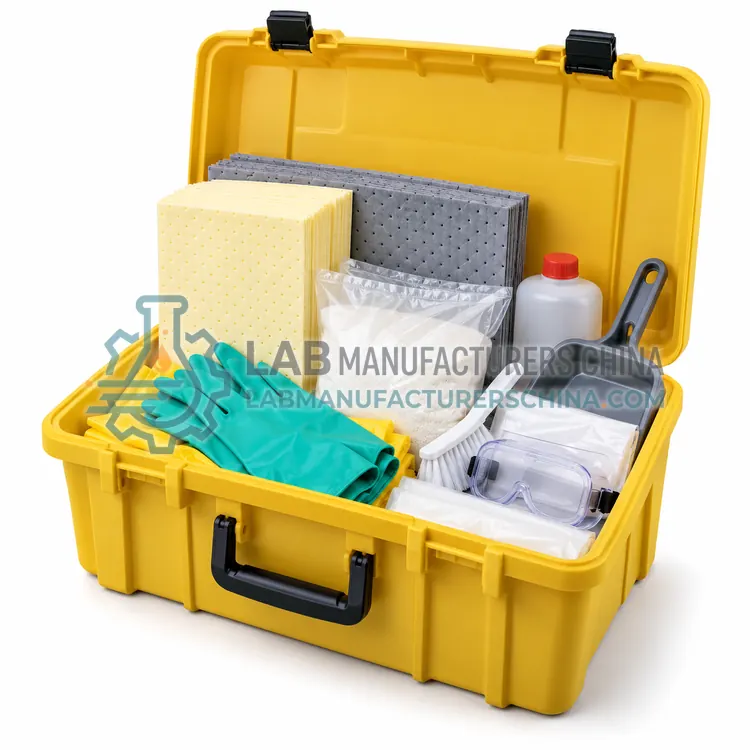
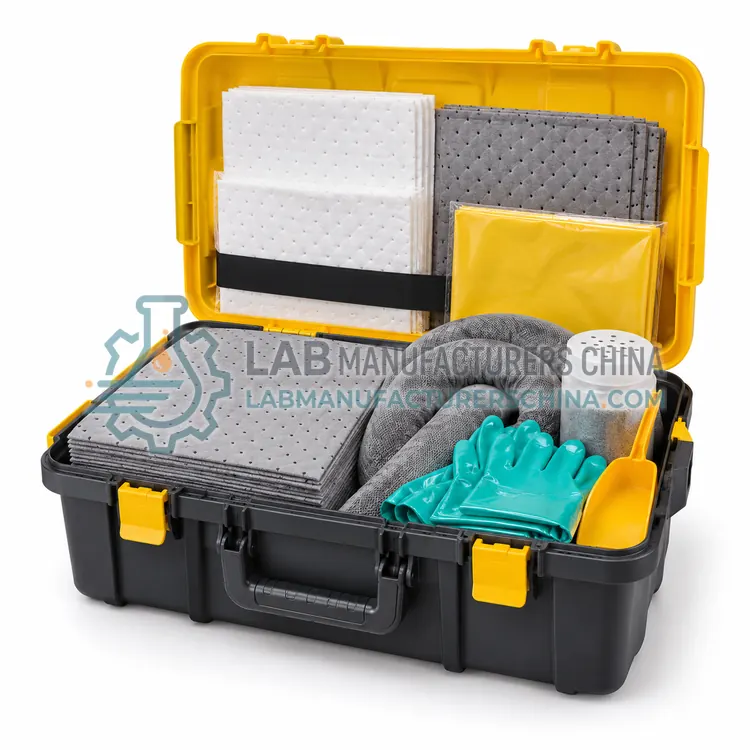
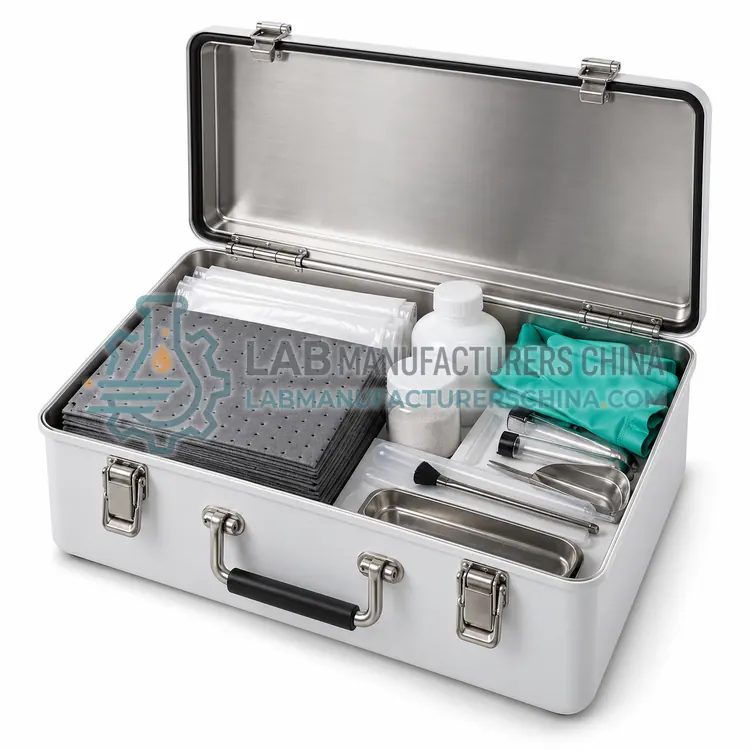
Spill control works by containing a release, then absorbing, neutralising or solidifying it so the material can be handled and disposed of safely. Absorbents such as pads, booms and loose clay or polymer take up liquid by capillary action and lock it in place. Neutralisers react with acids or bases to bring the pH towards neutral, often with a colour indicator to show when the reaction is complete. Solidifiers turn liquid into a gel that can be swept up. Barriers, socks and drain seals stop the spill from reaching drains, walkways or equipment. A kit also includes gloves, goggles, bags and signage so the responder is protected and waste is labelled. Correct selection depends on the chemical class, the volume handled and the location, and supplies must be checked for completeness and expiry.
Which Spill Control variants are available?
- Chemical Spill Kit — A chemical spill kit is a general-purpose pack of absorbents, gloves and waste bags for routine laboratory spills.
- Acid Neutralizing Spill Kit — An acid neutralizing spill kit contains alkaline neutralisers with pH indicator for acid releases.
- Solvent Absorbent Spill Kit — A solvent absorbent spill kit uses chemically resistant absorbents for flammable and organic solvent spills.
- Mercury Spill Kit — A mercury spill kit contains tools and chemicals to collect mercury droplets and suppress vapour from broken instruments.
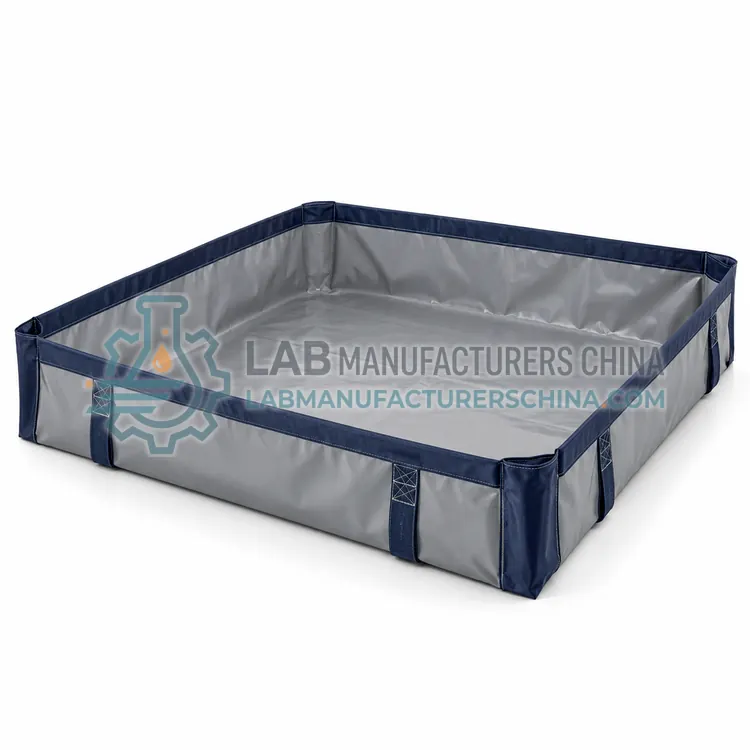
- Spill Containment Berm — A spill containment berm is a low wall or tray that holds the volume of a leaking container on the floor.
How do I choose the right variant?
Build spill control around the chemicals actually present rather than a generic kit. Identify whether releases are acids, bases, solvents, mercury, oxidisers or biological, and estimate the largest credible volume from the biggest container. Choose a kit sized for that volume, with absorbent capacity stated in litres, and add neutraliser sachets with pH indicator for acid or base work. For solvents, use chemically resistant absorbents rather than materials that could react. Add drain seals and socks where a spill could reach a drain, and a containment berm or tray where containers are stored or transferred. Confirm personal protective equipment matches the hazard, that waste bags and labels are included, and that the kit is placed where a spill is likely, not locked in a store room.
Where are Spill Control used?
Spill Control are specified in chemical laboratories, solvent transfer points, mercury and heavy metal areas, waste accumulation areas, teaching laboratories and pharmaceutical and QC laboratories.
Which standards and certifications apply?
Work with Spill Control is commonly governed by OSHA 29 CFR 1910.120 (hazardous waste operations), EPA 40 CFR 264 (containment and storage standards), ISO 15190 (medical laboratories, safety requirements), GHS (classification and labelling), GB 15603 (chemical storage rules) and NFPA 400 (hazardous materials code). Instrument certifications such as CE marking are confirmed per configuration and never assumed.
What are the key considerations before purchase?
Place kits near the highest-risk points and inspect them quarterly for missing items, degraded absorbents and expired neutralisers. Train staff on the sequence: raise the alarm, protect people, contain the spill, neutralise or absorb, then pack and label waste for disposal through the chemical waste route. Never mix waste streams unnecessarily, and keep incompatible neutralised residues separate. Provide a written spill procedure with contact numbers and after-hours arrangements, and practise it so response is quick. For larger volumes, use a containment berm or tray and confirm the floor is stable and level. Record inspections and incidents, and review procedures after any spill or near miss.