Lab Manufacturers China

Chemical Storage

化学品储存设备

CHS · Laboratory Safety Equipment · 5 models

By Lab Manufacturers China Technical TeamLast reviewed Standards: NFPA 30 (flammable and combustible liquids code), NFPA 55 (compressed gases and cryogenic fluids), EN 14470-1 (fire safety storage cabinets)

Standards referenced

  • NFPA 30 (flammable and combustible liquids code)
  • NFPA 55 (compressed gases and cryogenic fluids)
  • EN 14470-1 (fire safety storage cabinets)
  • OSHA 29 CFR 1910.106 (flammable liquids)
  • GB 15603 (chemical storage rules)
  • ISO 15190 (medical laboratories, safety requirements)

What are Chemical Storage?

Chemical storage equipment organises reagents, solvents, gases and waste by hazard class so incompatible materials cannot react. Shelving, ventilated cabinets, cylinder stores and walk-in rooms support safe day-to-day inventory management in laboratories and help meet safety codes.

5 models of Chemical Storage

The 5 models below are current configurations; specifications are confirmed on quotation.

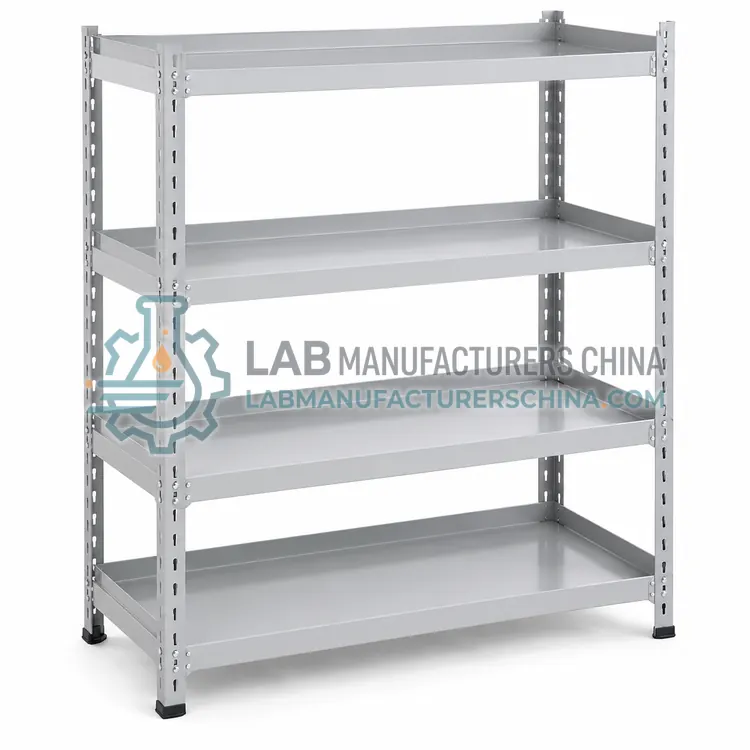
Chemical Storage Shelving Unit

化学品储存货架

  • CHS-0001
  • Chemical Storage
  • CE (to be confirmed)
  • ISO 9001 manufacturing (to be confirmed)
Type:
Chemical storage shelving
Material:
Powder-coated steel or PP
Shelf load:
100–300 kg
Spill edge:
20–50 mm or tray
Width:
900–1800 mm
Depth:
450–600 mm

A chemical storage shelving unit is corrosion-resistant shelving with spill-retaining edges for general reagents. It organises bottles by hazard class and keeps broken containers from running onto the floor, so spills stay contained.

Request a quote
View details

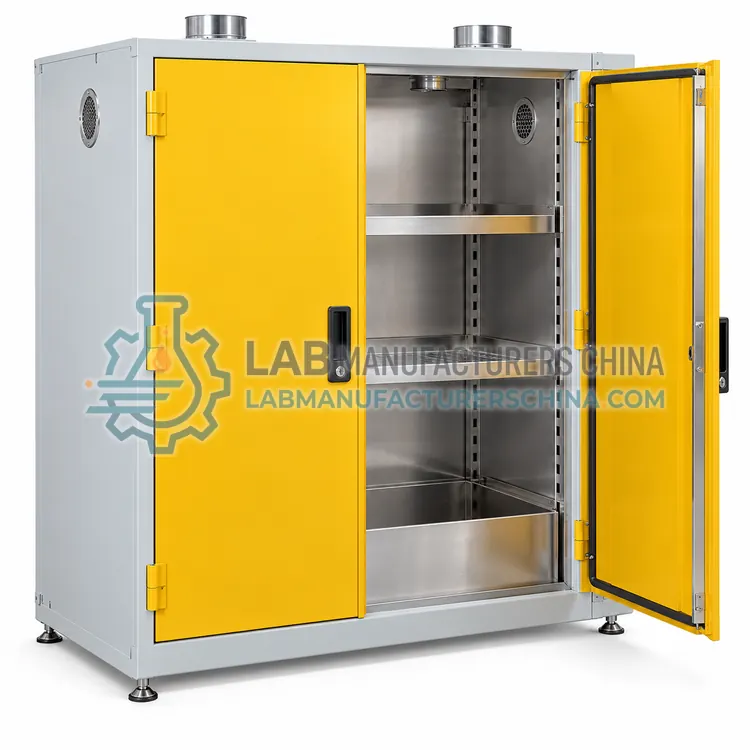
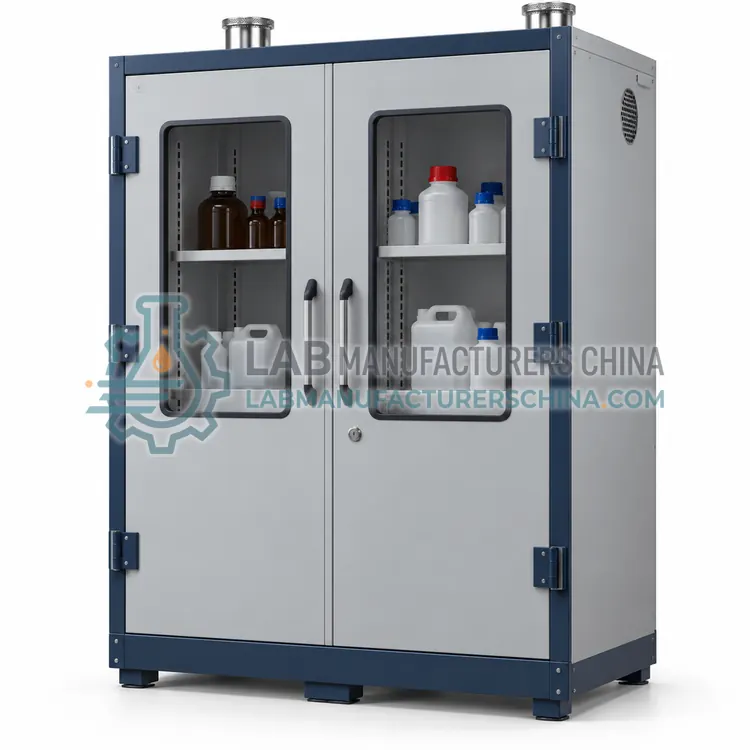
Ventilated Chemical Storage Cabinet

通风化学品储存柜

  • CHS-0002
  • Chemical Storage
  • CE (to be confirmed)
  • ISO 9001 manufacturing (to be confirmed)
Type:
Ventilated chemical storage cabinet
Inlet:
Low level, 100–150 mm
Exhaust:
High level, 100–150 mm
Air changes:
5–20 ACH
Lining:
Polypropylene or epoxy
Shelf load:
50–150 kg

A ventilated chemical storage cabinet removes vapour from stored reagents through low-level inlet and high-level exhaust. It suits volatile, odorous or toxic reagents kept inside the laboratory, where open shelving is unsuitable.

Request a quote
View details

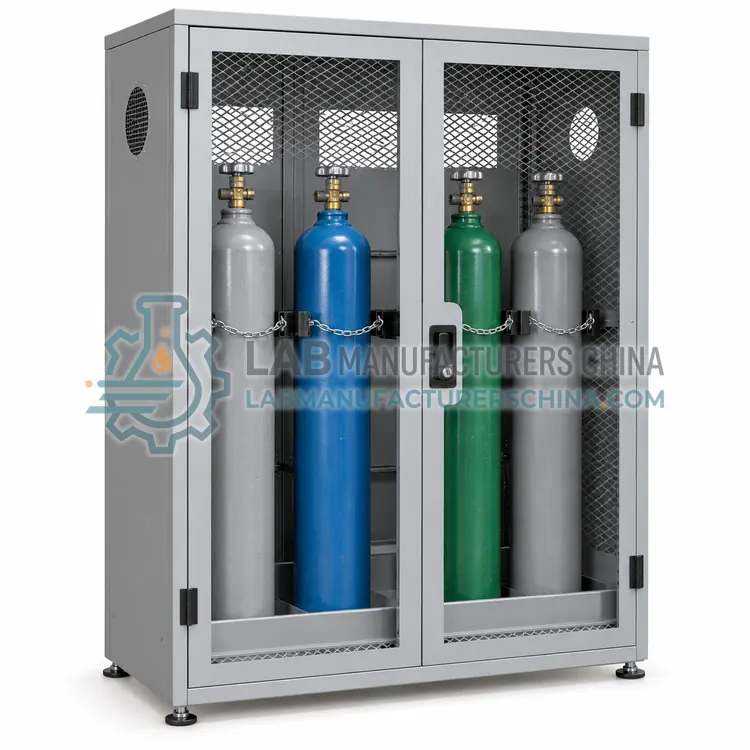
Gas Cylinder Storage Cabinet

气瓶储存柜

  • CHS-0003
  • Chemical Storage
  • CE (to be confirmed)
  • ISO 9001 manufacturing (to be confirmed)
Type:
Gas cylinder storage cabinet
Cylinder capacity:
1–8 cylinders
Width:
500–1200 mm
Height:
900–2000 mm
Ventilation:
Top and bottom openings
Restraint:
Chains, brackets or straps

A gas cylinder storage cabinet holds and restrains compressed gas cylinders, separating incompatible gases. It protects cylinders from heat, impact and unauthorised access and keeps them upright and secure at all times.

Request a quote
View details

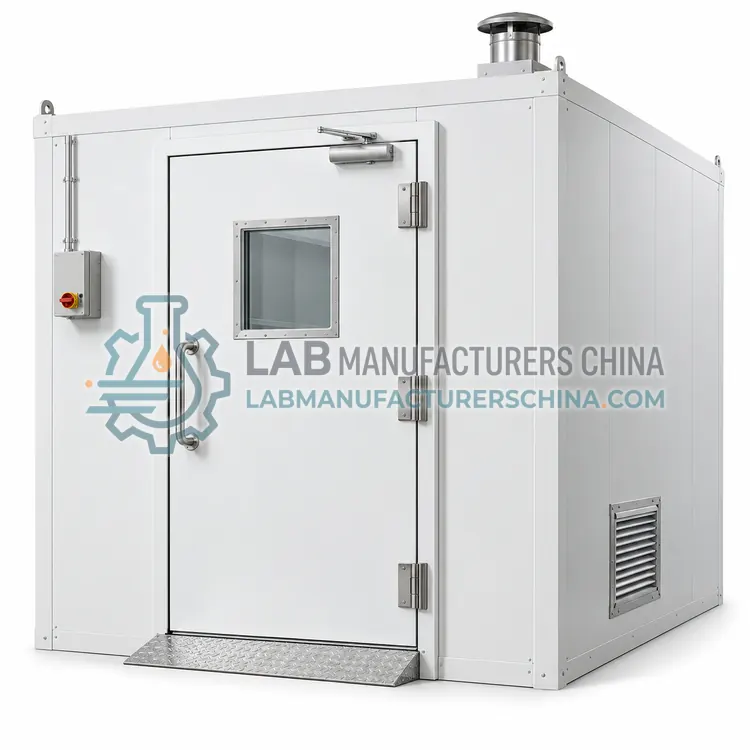
Walk-In Hazardous Goods Store

步入式危险品库房

  • CHS-0004
  • Chemical Storage
  • CE (to be confirmed)
  • ISO 9001 manufacturing (to be confirmed)
Type:
Walk-in hazardous goods store
Fire resistance:
30–120 min per code
Construction:
Insulated panels or masonry
Ventilation:
Low inlet, high exhaust
Air changes:
6–20 ACH
Spill retention:
Bunded floor or trays

A walk-in hazardous goods store is a dedicated room or compartment for bulk chemical storage with fire separation and ventilation. It holds larger inventories away from work areas and supports segregation by hazard class.

Request a quote
View details

Hazardous Waste Storage Container

危险废物储存容器

  • CHS-0005
  • Chemical Storage
  • CE (to be confirmed)
  • ISO 9001 manufacturing (to be confirmed)
Type:
Hazardous waste storage container
Capacity:
50–250 L
Secondary containment:
Largest container volume
Ventilation:
Openings or carbon filter
Lid:
Closeable, sealed
Base:
Liquid-tight and bunded

A hazardous waste storage container holds collected chemical waste safely until disposal, with containment, labelling and ventilation. It keeps incompatible waste streams separate and the area clean, and supports compliant disposal records.

Request a quote
View details

Compare Chemical Storage models

ModelTypeMaterialShelf loadWidthAir changes
Chemical Storage Shelving UnitCHS-0001Chemical storage shelvingPowder-coated steel or PP100–300 kg900–1800 mm—
Ventilated Chemical Storage CabinetCHS-0002Ventilated chemical storage cabinet—50–150 kg900–1800 mm5–20 ACH
Gas Cylinder Storage CabinetCHS-0003Gas cylinder storage cabinetPowder-coated steel—500–1200 mm—
Walk-In Hazardous Goods StoreCHS-0004Walk-in hazardous goods store———6–20 ACH
Hazardous Waste Storage ContainerCHS-0005Hazardous waste storage containerSteel or chemically resistant plastic———

Indicative values for this product class. Final specifications are confirmed on the quotation and in the calibration documents supplied with the instrument.

How do Chemical Storage work?

Chemical storage equipment works by segregating incompatible materials, containing spills and controlling vapour and ignition risk. Hazard classes are separated by distance, by cabinets with different linings, or by physical barriers, so acids, bases, oxidisers, flammables and toxics cannot mix if a container leaks or breaks. Shelving is designed for the load and corrosion resistance, with spill-retaining edges or trays so a broken bottle does not run onto the floor. Ventilated cabinets and stores move air from low level to high level, keeping vapour concentrations under exposure limits for volatile reagents. Gas cylinder stores confine and restrain cylinders so heat, leaks or falls do not create missiles, and walk-in rooms provide bulk capacity with fire separation. Labelling, inventory records and secondary containment complete the system.

Which Chemical Storage variants are available?

  • Chemical Storage Shelving Unit — A chemical storage shelving unit is corrosion-resistant shelving with spill-retaining edges for general reagents.
  • Ventilated Chemical Storage Cabinet — A ventilated chemical storage cabinet removes vapour from stored reagents through low-level inlet and high-level exhaust.
  • Gas Cylinder Storage Cabinet — A gas cylinder storage cabinet holds and restrains compressed gas cylinders, separating incompatible gases.
  • Walk-In Hazardous Goods Store — A walk-in hazardous goods store is a dedicated room or compartment for bulk chemical storage with fire separation and ventilation.
  • Hazardous Waste Storage Container — A hazardous waste storage container holds collected chemical waste safely until disposal, with containment, labelling and ventilation.

How do I choose the right variant?

Map the chemicals against hazard classes before choosing equipment. Use corrosion-resistant shelving with spill edges for general reagents, and separate shelves or cabinets for acids, bases, oxidisers and flammable solvents. Choose ventilated cabinets where vapour is aggressive or exposure limits are low, and connect the duct correctly so vapour is removed rather than drawn into the laboratory. Use a dedicated gas cylinder store for compressed gases, sized and restrained to the codes, and keep oxidising and flammable gases apart. Provide a walk-in store for bulk quantities where fire separation and ventilation are required. Add secondary containment trays and keep an inventory with maximum quantities, dates and owners. Confirm that the layout follows local codes for fire load, exits and ventilation, and that signage and segregation are clear.

Where are Chemical Storage used?

Chemical Storage are specified in reagent storage in chemistry laboratories, solvent and flammable storage, compressed gas storage, hazardous waste accumulation, pharmaceutical and QC laboratories and teaching laboratory stores.

Which standards and certifications apply?

Work with Chemical Storage is commonly governed by NFPA 30 (flammable and combustible liquids code), NFPA 55 (compressed gases and cryogenic fluids), EN 14470-1 (fire safety storage cabinets), OSHA 29 CFR 1910.106 (flammable liquids), GB 15603 (chemical storage rules) and ISO 15190 (medical laboratories, safety requirements). Instrument certifications such as CE marking are confirmed per configuration and never assumed.

What are the key considerations before purchase?

Set and enforce maximum quantities for each hazard class, since a store that is too full loses the benefit of segregation and increases fire load. Keep the inventory current and review it at least annually, removing expired or unneeded reagents. Inspect shelving, trays and cabinet linings for corrosion and damage, and check ventilation and airflow where fitted. Restrain gas cylinders at all times, and keep valve protection caps on when not in use. Store oxidisers away from organics and never on the same shelf, and keep acids below or away from cyanides and sulphides. Train staff to close containers, label secondary vessels and return items to the correct store, and record all checks.

Frequently asked questions about Chemical Storage

By hazard class, not alphabetically. Keep acids, bases, oxidisers, flammables, toxics and water-reactive materials in separate areas or cabinets, with secondary containment, so incompatible materials cannot react if a container fails.

Need help specifying Chemical Storage?

Request a quote