How do Cleanroom Accessories work?
Cleanroom accessories work by limiting the generation, transfer and retention of contaminants. Garments and gloves act as barriers against skin flakes, hair and fibres shed by personnel, using tightly woven low-linting fabrics with pore sizes small enough to retain particles of 0.5 micrometres or larger. Wipers absorb and remove liquids and particles using continuous-filament polyester or microfibre knit with sealed edges, so fibres do not release. Tacky mats use a pressure-sensitive adhesive layer that captures particles from shoe soles and cart wheels as they walk across. Shoe covers and boots contain floor contamination. Materials are selected for low particle shedding, low ionic and extractable residues, and compatibility with disinfectants, with cleaning and packaging done in controlled environments.
Which Cleanroom Accessories variants are available?
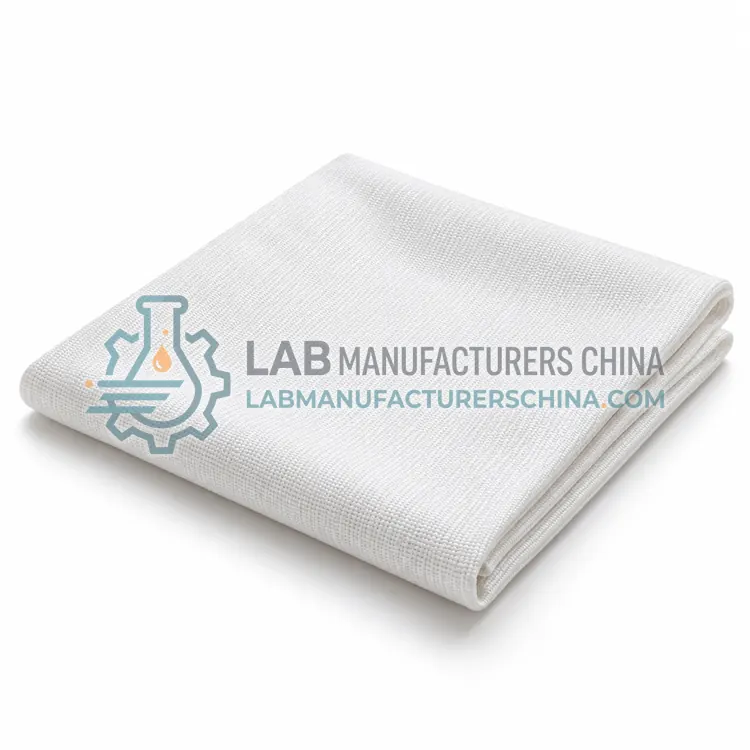
- Polyester Cleanroom Wipers — Polyester cleanroom wipers are continuous-filament knitted cloths with sealed edges used to remove particles, residues and liquids from surfaces in ISO 4–7 cleanrooms.
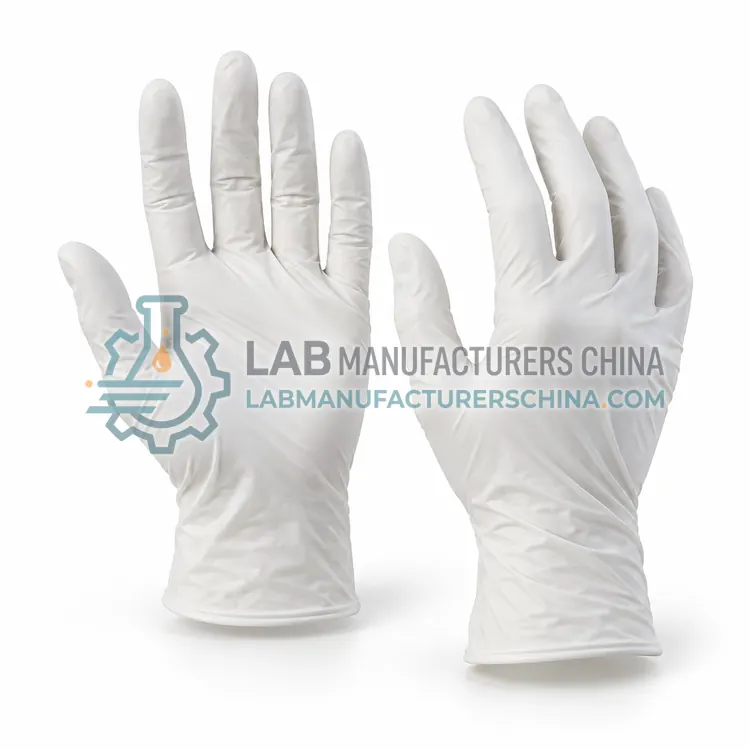
- Cleanroom Nitrile Gloves — Cleanroom nitrile gloves are powder-free, low-particle disposable gloves that protect products from skin contamination and hands from chemicals.
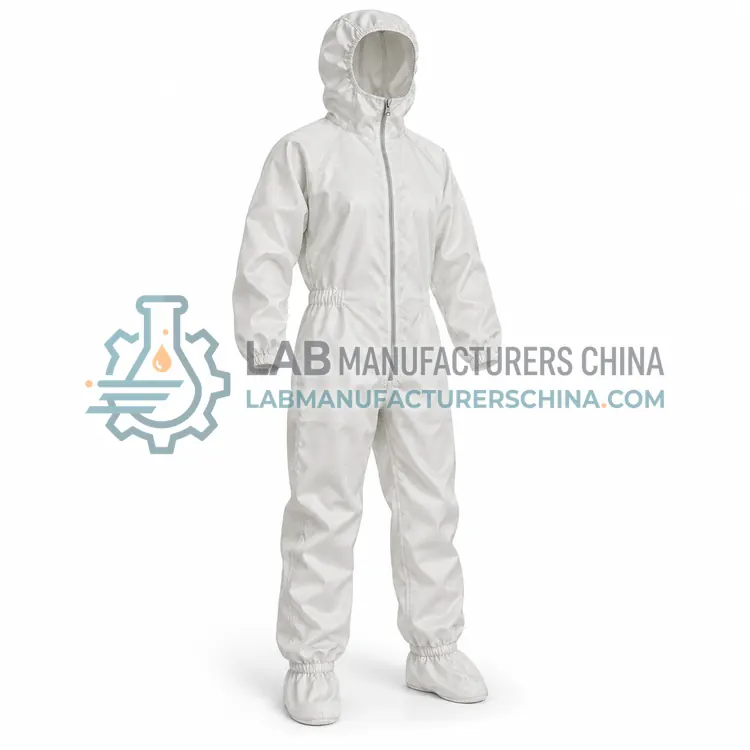
- Reusable Cleanroom Coverall — A reusable cleanroom coverall is a full-body polyester garment with conductive fibre grid, laundered and sterilized for repeated use.
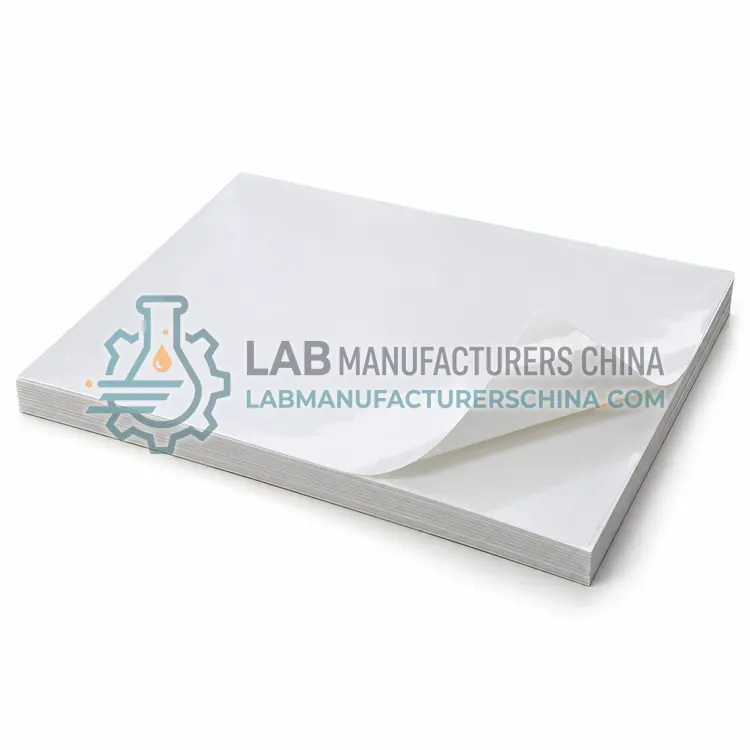
- Adhesive Tacky Mat — An adhesive tacky mat is a stack of peel-off adhesive sheets placed at cleanroom entrances to trap particles from shoe soles and cart wheels.
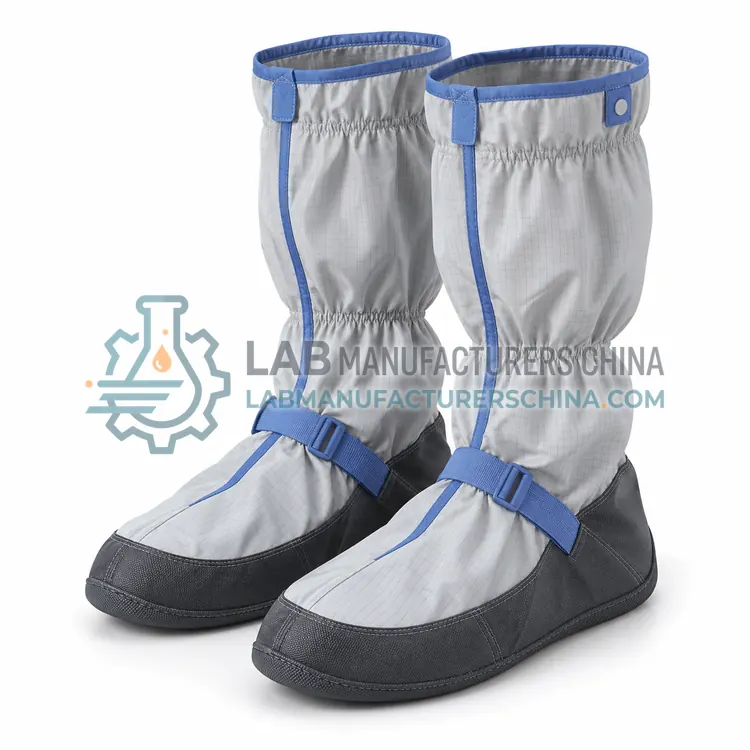
- Cleanroom Shoe Covers and Boots — Cleanroom shoe covers and boots are disposable or reusable footwear barriers that contain contamination from street shoes or restrict floor-level particle shedding.
How do I choose the right variant?
Start from the room class and the contamination risk of the process. ISO 7–8 areas often use polyester garments and nitrile gloves, while ISO 5 sterile areas need sterile, double-gloved garments in low-particle fabrics. Check particle shedding, often tested to IEST-RP-CC003 and IEST-RP-CC004, extractable ions, absorbency and sterility assurance level when sterile is required. For gloves, compare thickness, length, AQL and chemical resistance. For wipers, match fibre type, edge sealing and solvent compatibility. Consider packaging, such as double bagging, and lot traceability. Compare sizes, cost per use and laundering cycles for reusable garments, and ensure items are compatible with ESD requirements in electronics.
Where are Cleanroom Accessories used?
Cleanroom Accessories are specified in pharmaceutical manufacturing, semiconductor fabs, medical-device assembly, laboratory cleanrooms and biotech production.
Which standards and certifications apply?
Work with Cleanroom Accessories is commonly governed by IEST-RP-CC003 (garment system considerations), IEST-RP-CC004 (evaluating wiping materials), IEST-RP-CC005 (cleanroom gloves), ISO 14644-5 (cleanroom operations), ASTM D6319 (nitrile examination gloves) and EU GMP Annex 1 (sterile manufacturing). Instrument certifications such as CE marking are confirmed per configuration and never assumed.
What are the key considerations before purchase?
Store accessories in sealed bags or cabinets in the clean area, away from moisture and sunlight, and follow first-in-first-out rotation with expiry dates. Verify supplier certificates and lot test data on receipt, including particle counts, bioburden and sterility for sterile items. Set garment laundering cycles and inspect for tears and zipper damage. Change gloves often, for example every 2 hours or when contaminated, and never reuse disposable items. Replace tacky mat sheets when soiled, and follow a documented schedule. Incorporate accessories into gowning SOPs and training, and keep records for GMP or ISO 14644 audits.