Lab Manufacturers China

Cytotoxic Cabinets

细胞毒性药物安全柜

CYC · Biosafety Cabinets · 5 models

By Lab Manufacturers China Technical TeamLast reviewed Standards: EN 12469 (biosafety cabinets), NSF/ANSI 49 (biosafety cabinetry), USP <800> (hazardous drugs handling in healthcare settings)

Standards referenced

  • EN 12469 (biosafety cabinets)
  • NSF/ANSI 49 (biosafety cabinetry)
  • USP <800> (hazardous drugs handling in healthcare settings)
  • USP <797> (pharmaceutical compounding, sterile preparations)
  • ISO 14644-1 (cleanroom classification)
  • EU GMP Annex 1 (sterile manufacturing)

What are Cytotoxic Cabinets?

Cytotoxic safety cabinets are Class II or isolator designs configured to contain hazardous drugs such as antineoplastics during compounding. They protect the operator from drug aerosols and the product from contamination, with dedicated exhaust and no work-zone recirculation.

5 models of Cytotoxic Cabinets

The 5 models below are current configurations; specifications are confirmed on quotation.

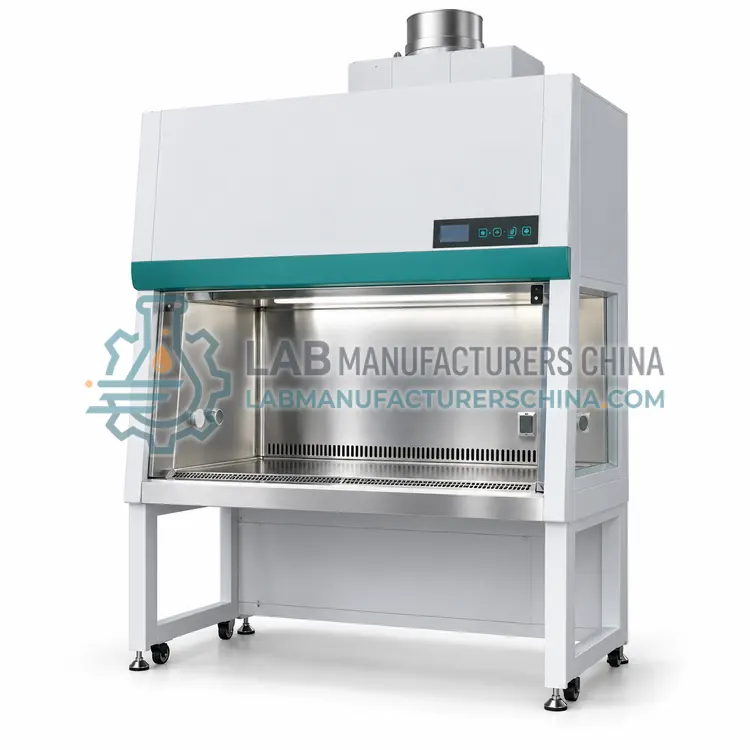
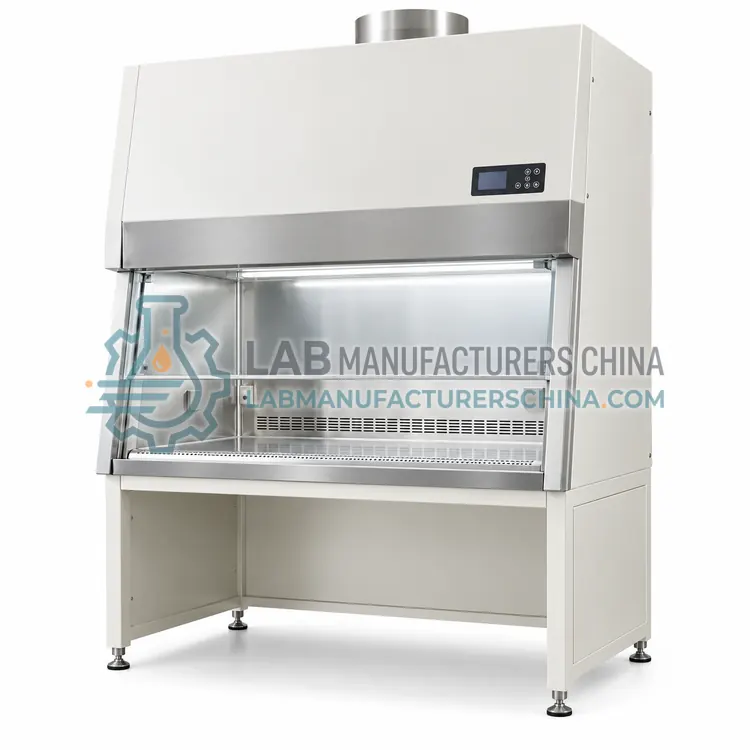
Class II Type B2 Cytotoxic Safety Cabinet

II 级 B2 型细胞毒性药物安全柜

  • CYC-0001
  • Cytotoxic Cabinets
  • CE (to be confirmed)
  • ISO 9001 manufacturing (to be confirmed)
Cabinet type:
Class II Type B2
Inflow velocity:
0.38–0.51 m/s
Downflow velocity:
0.25–0.35 m/s
Recirculation:
0 %, total exhaust
Total exhaust:
700–1600 m3/h
HEPA grade:
H14 supply and exhaust

A Class II Type B2 cytotoxic safety cabinet exhausts 100 % of its air to atmosphere, with no recirculation into the work zone. It is the preferred design for compounding hazardous and antineoplastic drugs.

Request a quote
View details

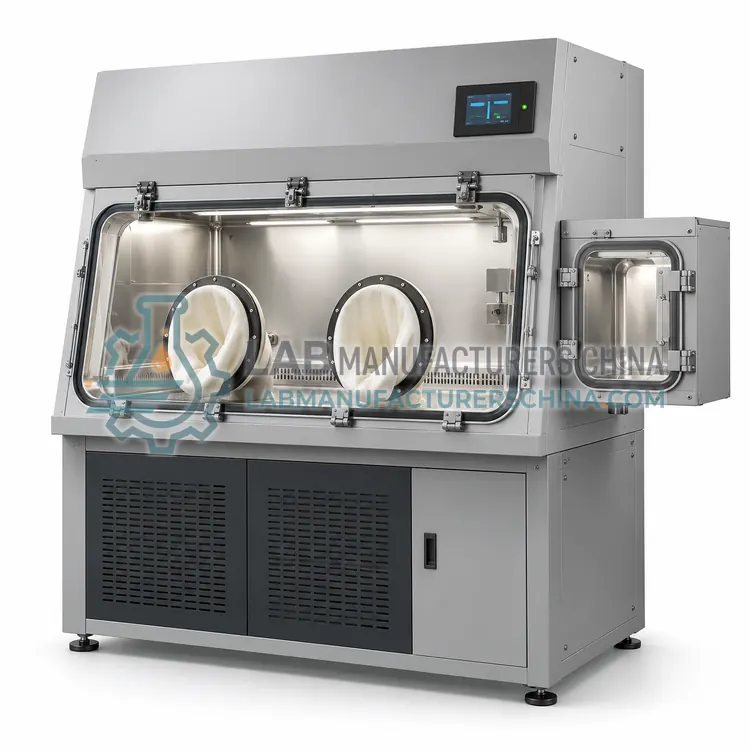
Compounding Aseptic Containment Isolator

配制无菌隔离器

  • CYC-0002
  • Cytotoxic Cabinets
  • CE (to be confirmed)
  • ISO 9001 manufacturing (to be confirmed)
Device type:
Compounding aseptic containment isolator
Work zone class:
ISO 5
Downflow velocity:
0.45 m/s ± 20 %
Recirculation:
0 %, total exhaust
HEPA grade:
H14 supply and exhaust
Interior pressure:
Negative, 20–100 Pa below room

A Compounding Aseptic Containment Isolator is a sealed glovebox for sterile hazardous drug compounding. It gives high operator protection and an ISO 5 work zone with no direct operator contact during preparation.

Request a quote
View details

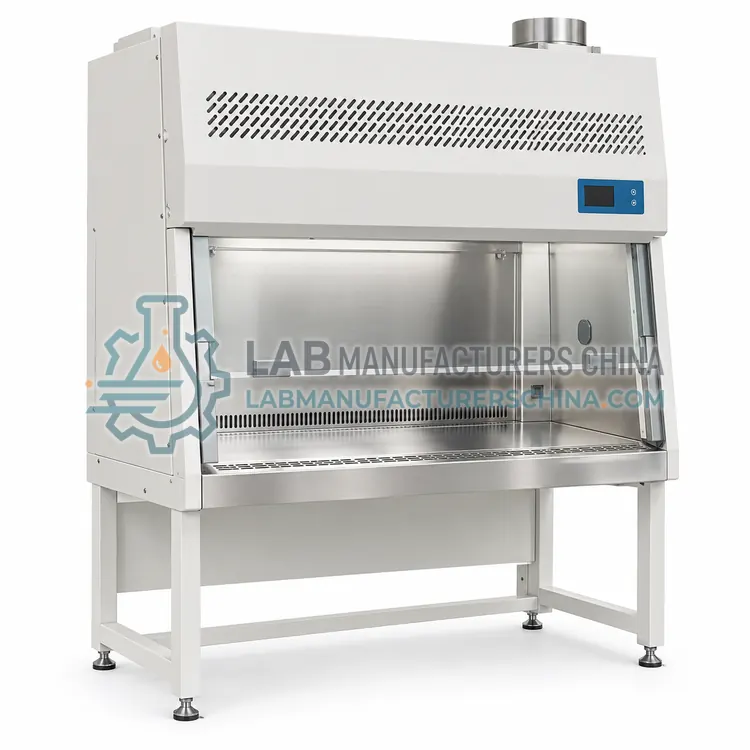
Class II Type A2 Cytotoxic Cabinet with Canopy Exhaust

带顶罩排风的 II 级 A2 型细胞毒性药物安全柜

  • CYC-0003
  • Cytotoxic Cabinets
  • CE (to be confirmed)
  • ISO 9001 manufacturing (to be confirmed)
Cabinet type:
Class II Type A2 with canopy
Inflow velocity:
0.38–0.51 m/s
Downflow velocity:
0.25–0.35 m/s
Recirculation:
≈ 70 %
Exhaust:
30 % via canopy duct
Canopy type:
Non-sealing, thimble

A Class II Type A2 cytotoxic cabinet with canopy exhaust recirculates most air but captures the exhaust in an outdoor duct. It suits lower-risk drugs where full recirculation control is not required.

Request a quote
View details

Benchtop Cytotoxic Safety Cabinet

台式细胞毒性药物安全柜

  • CYC-0004
  • Cytotoxic Cabinets
  • CE (to be confirmed)
  • ISO 9001 manufacturing (to be confirmed)
Cabinet type:
Benchtop cytotoxic Class II
Inflow velocity:
0.38–0.51 m/s
Downflow velocity:
0.25–0.35 m/s
Width:
900–1500 mm
Work height:
500–650 mm
HEPA grade:
H14 supply and exhaust

A benchtop cytotoxic safety cabinet is a compact unit for small-volume hazardous drug preparation. It fits a satellite or clinic pharmacy where space is limited and throughput is low at a single workstation.

Request a quote
View details

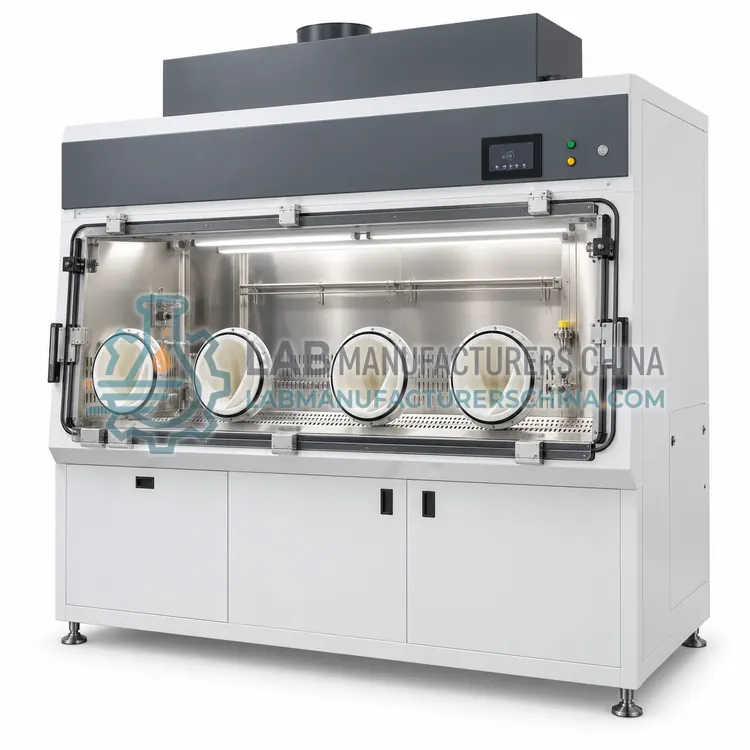
Cytotoxic Glovebox Isolator

细胞毒性药物手套箱隔离器

  • CYC-0005
  • Cytotoxic Cabinets
  • CE (to be confirmed)
  • ISO 9001 manufacturing (to be confirmed)
Device type:
Cytotoxic glovebox isolator
Interior pressure:
Negative, 20–100 Pa below room
Work zone class:
ISO 5
Downflow velocity:
0.45 m/s ± 20 %
Exhaust filtration:
HEPA plus carbon optional
Recirculation:
None, total exhaust

A cytotoxic glovebox isolator is a sealed negative-pressure enclosure with glove ports for hazardous drug handling. It gives the highest operator protection for potent or volatile agents and for high aerosol loads.

Request a quote
View details

Compare Cytotoxic Cabinets models

ModelCabinet typeInflow velocityDownflow velocityRecirculationHEPA grade
Class II Type B2 Cytotoxic Safety CabinetCYC-0001Class II Type B20.38–0.51 m/s0.25–0.35 m/s0 %, total exhaustH14 supply and exhaust
Compounding Aseptic Containment IsolatorCYC-0002——0.45 m/s ± 20 %0 %, total exhaustH14 supply and exhaust
Class II Type A2 Cytotoxic Cabinet with Canopy ExhaustCYC-0003Class II Type A2 with canopy0.38–0.51 m/s0.25–0.35 m/s≈ 70 %H14 supply and exhaust
Benchtop Cytotoxic Safety CabinetCYC-0004Benchtop cytotoxic Class II0.38–0.51 m/s0.25–0.35 m/sMinimal or noneH14 supply and exhaust
Cytotoxic Glovebox IsolatorCYC-0005——0.45 m/s ± 20 %None, total exhaust—

Indicative values for this product class. Final specifications are confirmed on the quotation and in the calibration documents supplied with the instrument.

How do Cytotoxic Cabinets work?

Cytotoxic cabinets combine the airflow of a Class II biosafety cabinet with a design that keeps hazardous drug particles and vapours away from the operator and out of the room. Room air enters at the front grille, forming an air curtain across the opening, and HEPA-filtered air flows downward over the work zone to protect the preparation. Exhaust is HEPA filtered, and the cabinet is typically operated without recirculation into the work zone, with all exhaust sent to a dedicated duct. Many designs hold the work surface at negative pressure and use a split or closed front so drug aerosols cannot escape. Some pharmacy units use sealed glove ports, giving isolator-style containment with no direct operator contact. Surfaces are smooth stainless steel or plastic for frequent decontamination, and the cabinet is a classified environment for aseptic operations. Certification covers HEPA integrity, airflow and containment testing.

Which Cytotoxic Cabinets variants are available?

  • Class II Type B2 Cytotoxic Safety Cabinet — A Class II Type B2 cytotoxic safety cabinet exhausts 100 % of its air to atmosphere, with no recirculation into the work zone.
  • Compounding Aseptic Containment Isolator — A Compounding Aseptic Containment Isolator is a sealed glovebox for sterile hazardous drug compounding.
  • Class II Type A2 Cytotoxic Cabinet with Canopy Exhaust — A Class II Type A2 cytotoxic cabinet with canopy exhaust recirculates most air but captures the exhaust in an outdoor duct.
  • Benchtop Cytotoxic Safety Cabinet — A benchtop cytotoxic safety cabinet is a compact unit for small-volume hazardous drug preparation.
  • Cytotoxic Glovebox Isolator — A cytotoxic glovebox isolator is a sealed negative-pressure enclosure with glove ports for hazardous drug handling.

How do I choose the right variant?

Select the cabinet from the hazardous drug list, the required dose accuracy and the pharmacy's aseptic requirements. Use a Class II Type B2 cytotoxic cabinet with 100 % dedicated exhaust when volatile hazardous drugs are prepared. Choose a Compounding Aseptic Containment Isolator where the highest operator protection is needed and full isolation is acceptable, since glove access reduces dexterity. A Type A2 cytotoxic cabinet with canopy exhaust suits lower-risk drugs when recirculation is limited and local rules allow it. Confirm compatibility with USP <800> and USP <797> requirements, the pharmacy's risk assessment and any local rules on where the cabinet is placed, including a negative-pressure buffer room. Verify certification, plan for HEPA leak and containment testing, and specify the transfer method for drugs and waste.

Where are Cytotoxic Cabinets used?

Cytotoxic Cabinets are specified in antineoplastic drug compounding, hospital pharmacy aseptic preparation, hazardous drug dose preparation, clinical trial drug handling and radiopharmaceutical and toxic drug work.

Which standards and certifications apply?

Work with Cytotoxic Cabinets is commonly governed by EN 12469 (biosafety cabinets), NSF/ANSI 49 (biosafety cabinetry), USP <800> (hazardous drugs handling in healthcare settings), USP <797> (pharmaceutical compounding, sterile preparations), ISO 14644-1 (cleanroom classification) and EU GMP Annex 1 (sterile manufacturing). Instrument certifications such as CE marking are confirmed per configuration and never assumed.

What are the key considerations before purchase?

Place the cabinet in a controlled area with correct room pressure relationships, commonly a negative-pressure buffer room, and away from doors and air diffusers. Change gloves and sleeves on a defined schedule and inspect them for pinholes, since operator protection depends on intact barrier and airflow. Decontaminate the work surface and interior after every session and use a closed-system transfer device where required. Verify HEPA integrity, inflow and containment at installation and at least annually, and after relocation or filter change. Do not exceed the maximum drug volume or use unapproved agents that would overwhelm the exhaust. Manage waste, sharps and spill kits according to the hazardous drug procedure, and keep a log of certification and decontamination.

Frequently asked questions about Cytotoxic Cabinets

It is a Class II biosafety cabinet or isolator configured to contain hazardous drugs such as antineoplastics during compounding. It protects the operator from drug aerosols and the product from contamination, with dedicated exhaust and no work-zone recirculation.

Need help specifying Cytotoxic Cabinets?

Request a quote