
Pharmaceutical Laboratory Solutions
制药
By Lab Manufacturers China Technical TeamLast reviewed
What laboratory equipment does Pharmaceutical need?
Pharmaceutical laboratories need equipment that meets pharmacopoeial tolerances and supports GMP documentation. Typical needs include dissolution and tablet testers, HPLC and UV-Vis systems, balances, stability and sterilization equipment, and contamination-controlled workspaces such as biosafety cabinets and laminar flow cabinets, supplied with qualification documents on request.
What do pharmaceutical laboratories test?
Pharmaceutical laboratories test raw materials, intermediates, finished dosage forms and packaging against written specifications. Typical tests include assay and related substances by HPLC, identification by UV-Vis or infrared spectroscopy, dissolution, disintegration, hardness and friability of tablets, water content, particulate matter and microbiological quality.
Results support batch release, stability studies, method development and investigations of out-of-specification results. Because the data may be reviewed by regulators, the equipment, its calibration status and its records are as important as the measurement itself.
Purchasing decisions in this industry are usually reviewed by quality assurance as well as the laboratory. Ask suppliers early for datasheets, drawings, material declarations and calibration details, because quality units often need them before approving a vendor.
Which equipment does a pharmaceutical QC laboratory need?
A typical QC laboratory combines analytical and physical testing equipment:
- HPLC systems and UV-Vis spectrophotometers for assay, impurities and identification
- Dissolution testers, disintegration testers, hardness and friability testers for solid dosage forms
- Analytical and semi-micro balances, pH meters and Karl Fischer titrators
- Purified water systems, drying ovens and sterilizers
- Biosafety cabinets and laminar flow cabinets for microbiological work
The exact list depends on the dosage forms handled and the pharmacopoeias followed.
Keep in mind that specifications quoted in a catalogue are typical values. Critical parameters for your method, such as vessel geometry or wavelength accuracy, should be written into the purchase specification and verified during acceptance testing.
Which standards and pharmacopoeias apply?
Apparatus and methods are usually set by the pharmacopoeia in force for your market: the United States Pharmacopeia (for example USP <711> dissolution, <701> disintegration and <1251> weighing), the European Pharmacopoeia, the Japanese Pharmacopoeia or the Chinese Pharmacopoeia. General quality system expectations come from GMP regulations and ICH guidelines.
Equipment datasheets should state which apparatus specification each model follows. Conformity is confirmed at quotation rather than assumed.
How does qualification and data integrity affect purchasing?
Regulated users typically perform design, installation, operational and performance qualification (DQ, IQ, OQ and PQ) before using an instrument for release testing. Suppliers can often provide IQ and OQ protocols, factory test records and calibration certificates for critical sensors, to be scoped at quotation.
For software-controlled instruments, ask about audit trails, electronic signatures and role-based access, which support 21 CFR Part 11 and data-integrity practices depending on configuration and your procedures.
Contamination control and sterility assurance
Microbiological testing and sterile preparation require controlled air. Class II biosafety cabinets protect operator, product and environment, while horizontal and vertical laminar flow cabinets protect the product only. Cleanroom equipment such as pass boxes and air showers supports classified areas under ISO 14644.
Sterilization equipment, including steam autoclaves validated to EN 285 or ISO 17665, is used for media, waste and equipment. Choose each item according to the risk it controls.
What to include in a pharmaceutical RFQ
A complete RFQ shortens quotation time and avoids mismatches. Include:
- The pharmacopoeia and chapter your method follows
- Dosage forms, sample numbers and required throughput
- Automation and software requirements, including data-integrity features
- Qualification documents, calibration certificates and training needed
- Utilities at the installation site, such as voltage, water and exhaust
- Destination country and any import registration requirements
Minimum order quantity, lead time and payment terms are confirmed in the quotation.
Stability, storage and facility considerations
Stability studies need chambers that hold temperature and humidity within narrow limits for months, typically to ICH Q1A conditions such as 25 °C and 60 percent relative humidity, or 40 °C and 75 percent. Uniformity mapping, alarms and continuous data logging are expected. Refrigerators and freezers for reference standards and samples should record temperature and alert staff to excursions.
Facility design also affects results. Balances need vibration-free benches and draft control, HPLC systems need stable power and solvent waste handling, and microbiology areas need separation from chemical areas. Fume hoods with suitable face velocity protect operators handling solvents and potent compounds.
Plan these supporting systems together with the analytical equipment. A well specified instrument still gives unreliable data when installed on an unsuitable bench, with unstable power or without adequate ventilation. Your RFQ can request site preparation guides and installation requirements for each item, which helps the facility team prepare before delivery.
Equipment for Pharmaceutical
 CPLE5 product types制药实验室设备Pharmaceutical laboratory equipment covers the analyzers, stability chambers, dissolution systems, tablet testers and sample preparation instruments used to test drug substances and finished dosage forms. It serves pharmaceutical quality control, research and development, and contract testing laboratories operating under pharmacopoeial and GMP requirements.
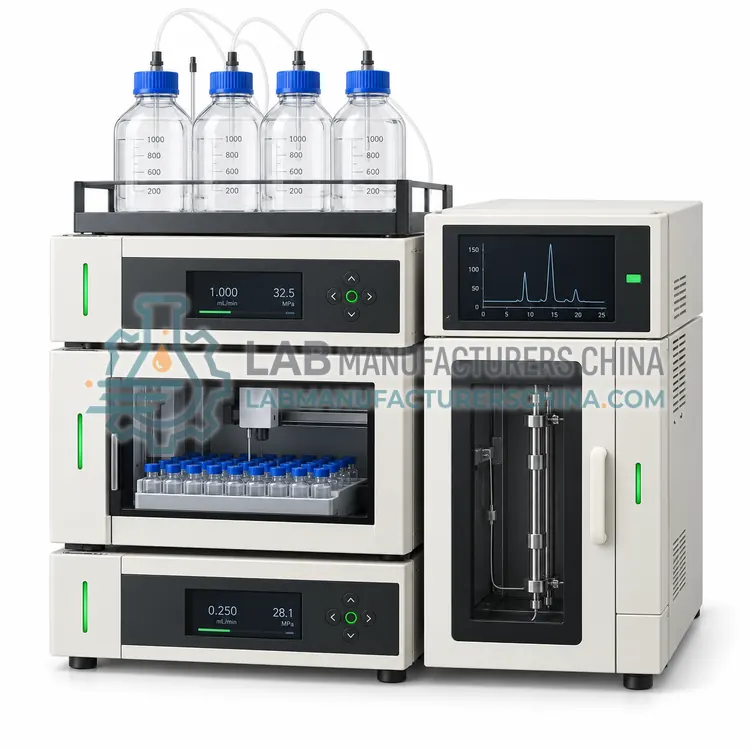 CPHA5 product types药物分析设备Pharmaceutical analysis equipment covers the instrumental techniques used to identify and quantify drug substances, impurities and residual water in pharmacopoeial testing. It serves quality control, research and development and contract laboratories that must demonstrate identity, assay, purity and compliance with monograph limits.
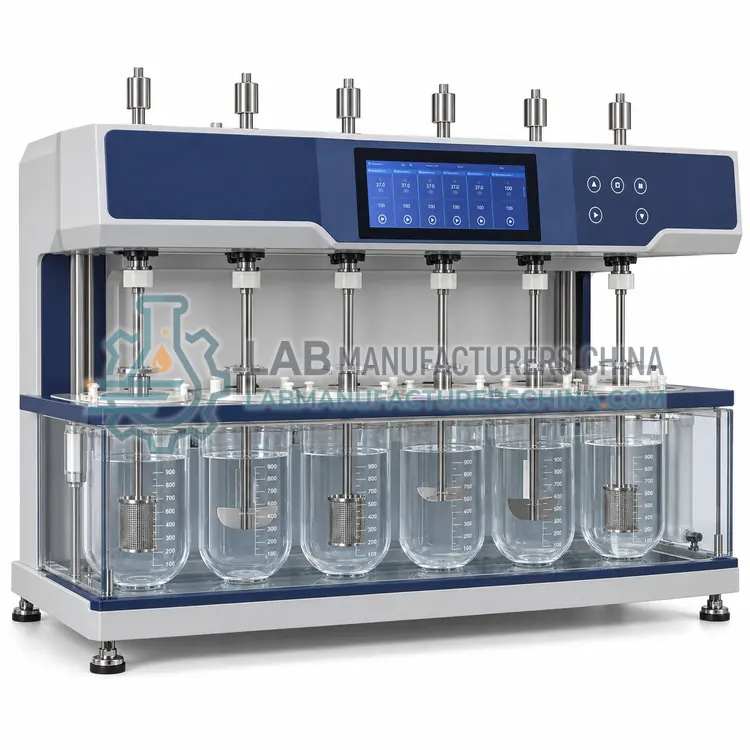 CDTE4 product types溶出度测试设备Dissolution testing equipment measures how quickly and completely the active ingredient of a tablet, capsule, patch or implant is released into a controlled medium. The category covers dissolution testers, flow-through systems, media preparation units and sampling systems used in pharmaceutical QC and development.
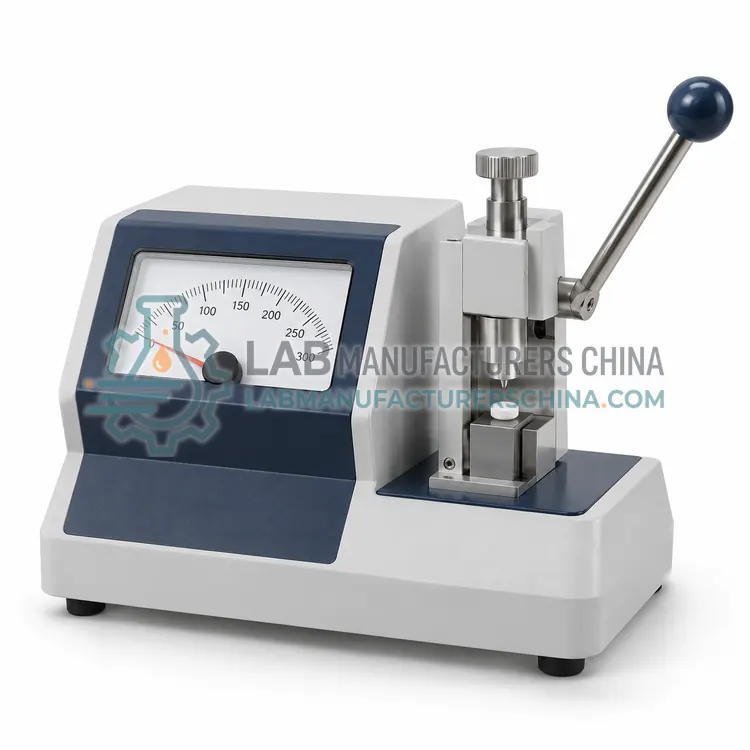 CTTE5 product types片剂测试设备Tablet testing equipment measures the physical quality attributes of compressed tablets and capsules: hardness, friability, disintegration time, thickness and visual appearance. The category covers hardness testers, friability testers, disintegration testers, thickness gauges and inspection systems used for batch release and in-process control.
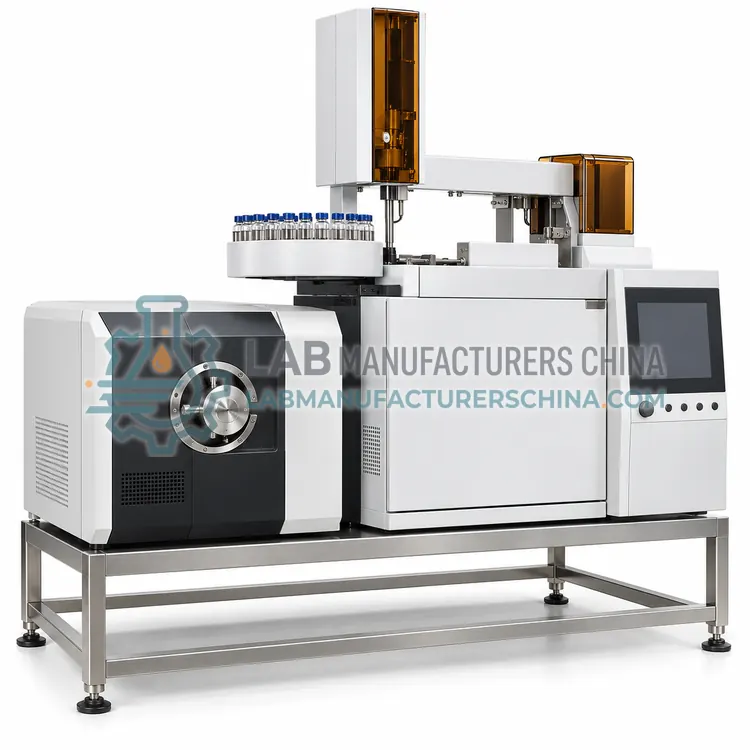 CDRU4 product types药物检测设备Drug testing equipment detects and quantifies drugs of abuse, therapeutic drugs and their metabolites in biological and seized samples. The category covers analytical confirmation systems, toxicology analyzers, screening platforms and the sample-preparation equipment used in forensic, clinical and workplace drug-testing laboratories.
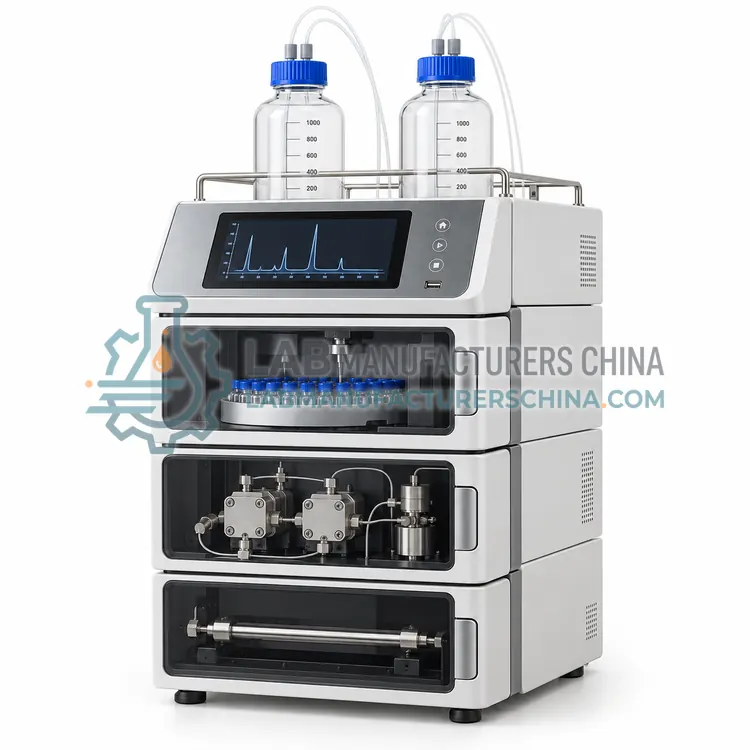 CCHI5 product types色谱仪器Chromatography instruments separate the components of a mixture between a mobile phase and a stationary phase, then detect and quantify each component. The category covers HPLC, UHPLC, gas chromatography, ion chromatography and flash chromatography systems used in QC, environmental, food, pharmaceutical and synthetic chemistry laboratories.
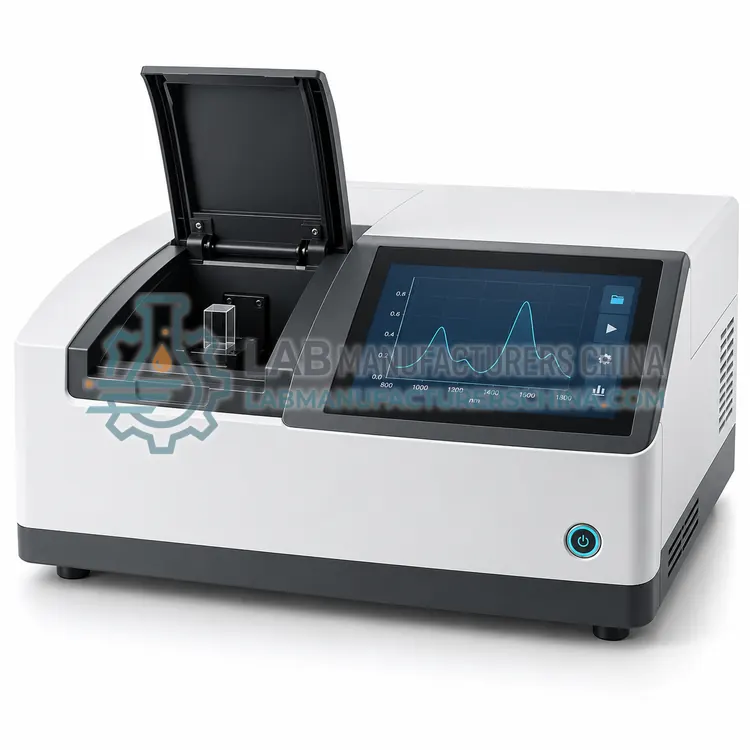
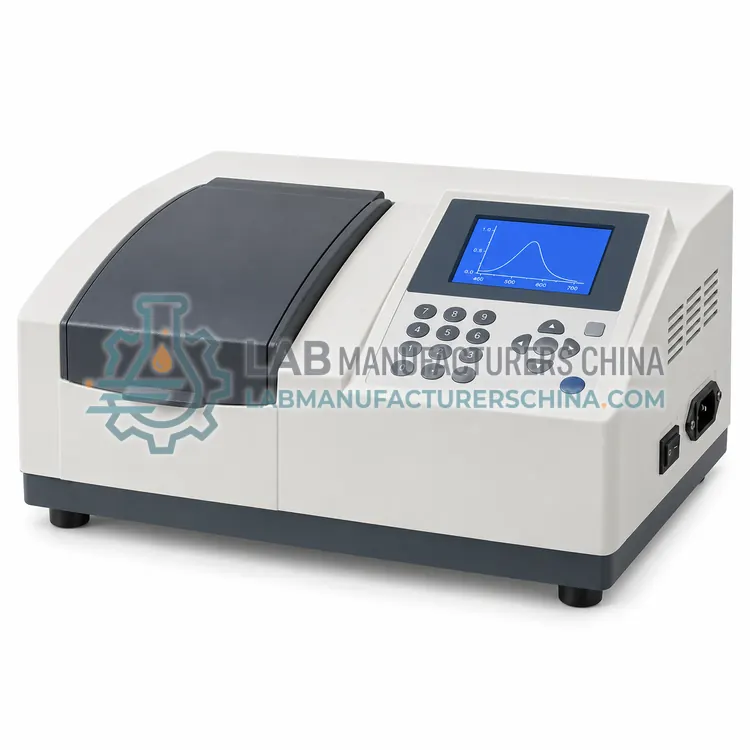 CANI6 product types分析仪器Analytical instruments measure the chemical, optical or physical properties of samples to identify substances and quantify their concentration. This category covers spectrophotometers, photometers, refractometers, polarimeters, turbidity meters and general analytical analyzers used in pharmaceutical, environmental, food, chemical and industrial quality-control laboratories.
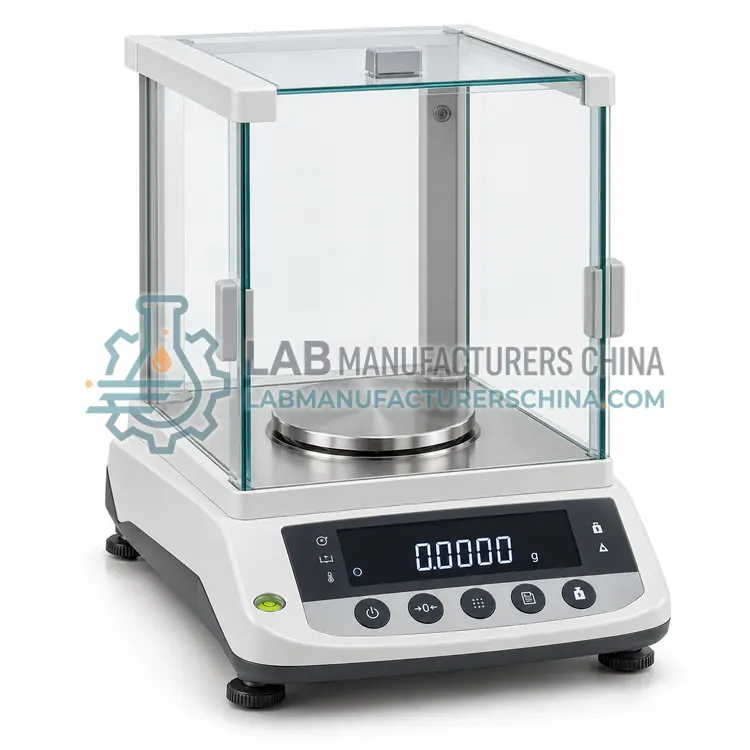 CLAB5 product types实验室天平Laboratory balances measure mass with readability from 0.1 microgram to 1 kg across analytical, precision, micro, moisture and platform types. They support sample preparation, formulation, gravimetric analysis and quality control in pharmaceutical, chemical, food, environmental, clinical and academic laboratories.
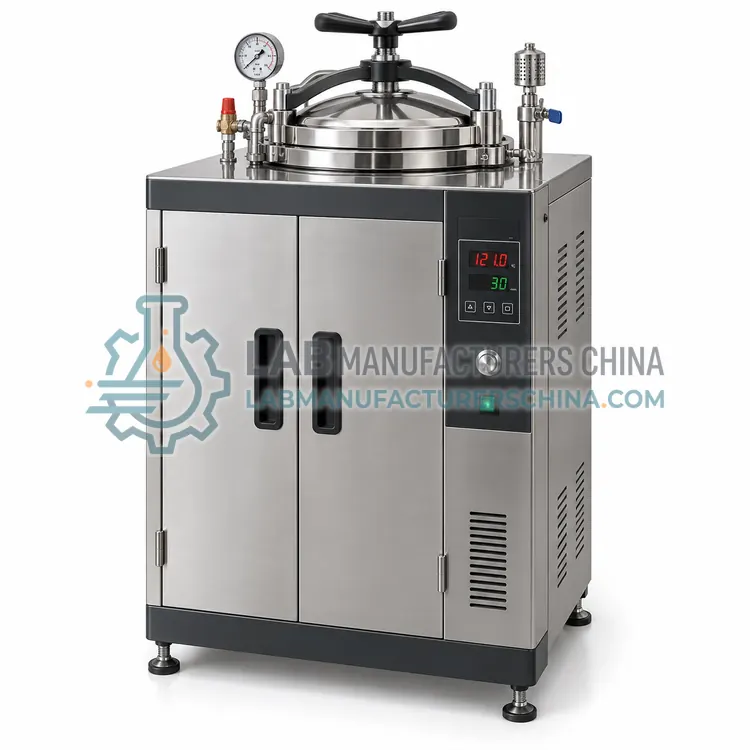 CLSE5 product types实验室灭菌设备Laboratory sterilization equipment inactivates or removes microorganisms from media, glassware, instruments, waste and work surfaces using saturated steam, dry heat, hot glass beads or ultraviolet radiation. Microbiology, clinical, pharmaceutical, food and research laboratories use it to protect sample integrity, prevent cross-contamination and treat biohazardous material.
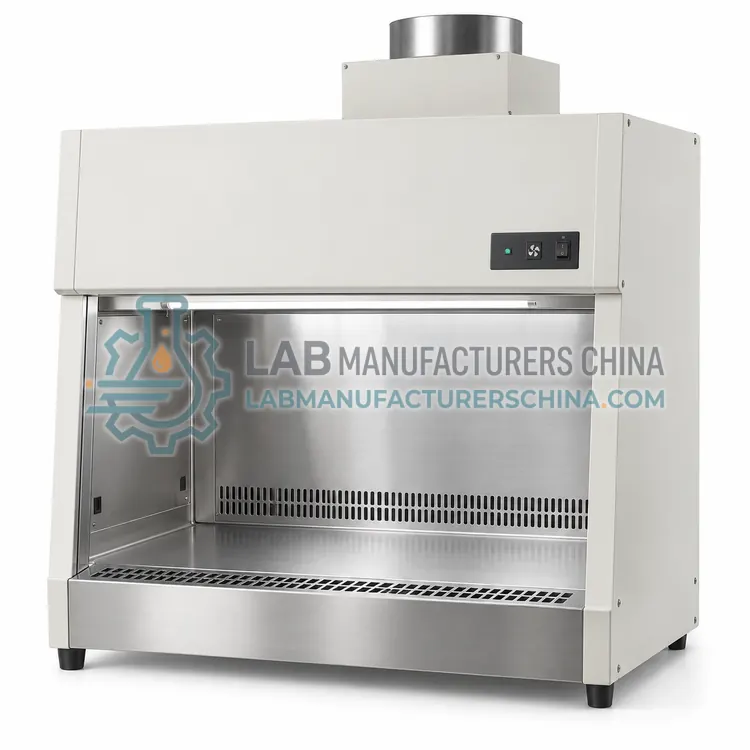 CBIC4 product types生物安全柜Biosafety cabinets are ventilated enclosures that use HEPA filtration and controlled airflow to protect operators, the environment and often the work from biological aerosols. Class I, II and III designs and cytotoxic cabinets cover different containment levels.
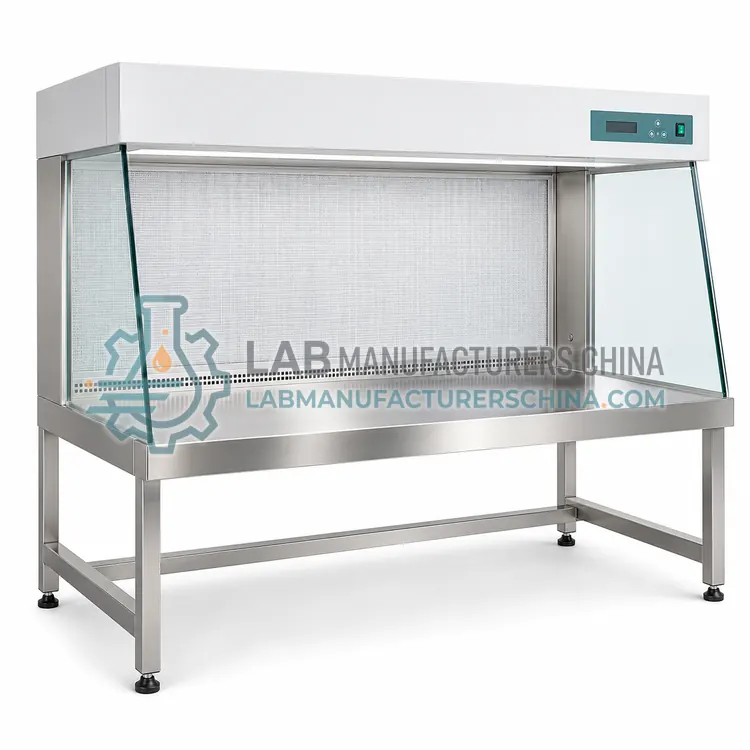 CLFC4 product types层流柜Laminar flow cabinets use HEPA-filtered unidirectional airflow to protect a work surface and the samples on it from particles and microbes. Horizontal, vertical, PCR and clean bench designs are used in cleanrooms, cell culture and molecular laboratories.
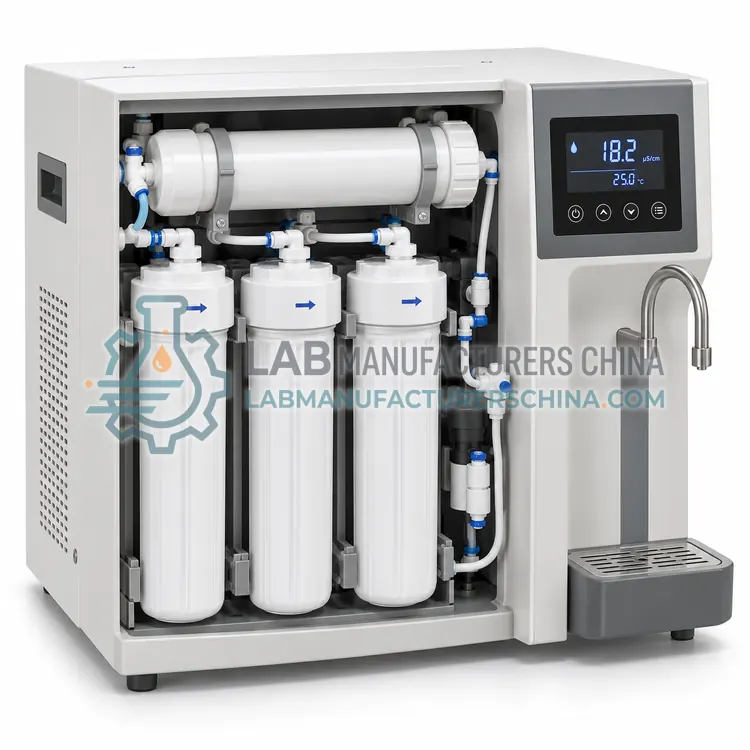 CLWP5 product types实验室水纯化设备Laboratory water purification equipment produces water of defined purity from tap or pretreated feed for analytical, biological and industrial use. The category covers reverse osmosis systems, deionizers, ultrapure water systems, distillation units and larger water purification plants.
Reference project
A case study for this industry will be added once a suitable project is available.
Frequently asked questions about Pharmaceutical
A typical set includes HPLC, UV-Vis, dissolution, disintegration, hardness and friability testers, balances, pH meter, Karl Fischer titrator, purified water, ovens, sterilizer and biosafety or laminar flow cabinets. The final list depends on dosage forms, the pharmacopoeia followed and planned throughput.
Qualification support such as IQ and OQ protocols, factory test records and calibration certificates can be discussed at quotation. Scope, format and any charges are confirmed for each project, and performance qualification is normally completed on site using the user's own procedures.
Many models are designed around USP and Ph. Eur. apparatus specifications, and the datasheet lists the chapters each model follows. Because compliance depends on the exact configuration, conformity and any supporting test records are to be confirmed at quotation.
Some software-controlled systems offer audit trails, electronic signatures and user access control intended to support Part 11 and data-integrity practices. Whether a given configuration meets your needs depends on your procedures and validation, so confirm features with the supplier before ordering.