
Dissolution Testing Equipment
溶出度测试设备
CDTE · Pharmaceutical · 4 product types · 20 models
By Lab Manufacturers China Technical TeamLast reviewed
What are Dissolution Testing Equipment?
Dissolution testing equipment measures how quickly and completely the active ingredient of a tablet, capsule, patch or implant is released into a controlled medium. The category covers dissolution testers, flow-through systems, media preparation units and sampling systems used in pharmaceutical QC and development.
4 product types in Dissolution Testing Equipment
The 4 product types below are grouped by the exact instrument you need.
- TDT5 models
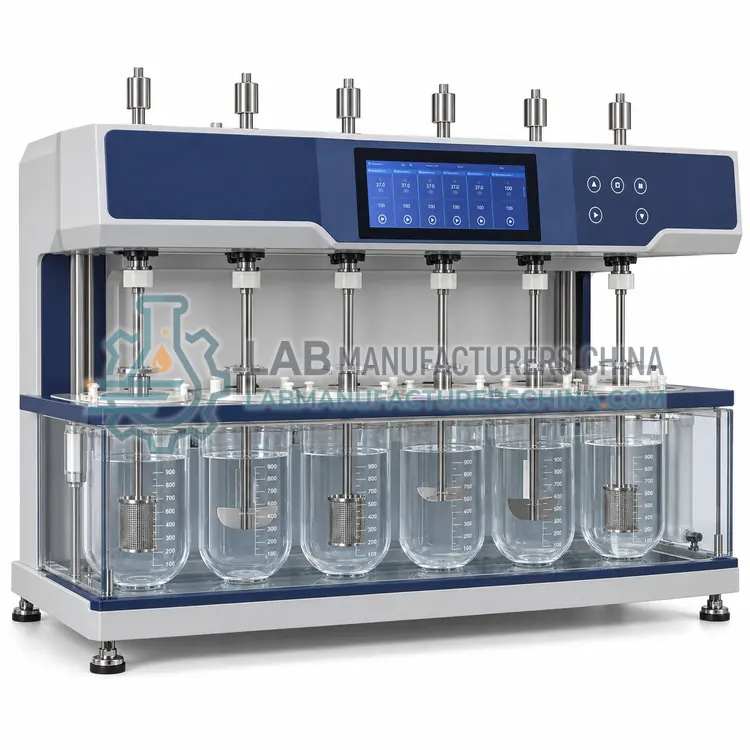
Tablet Dissolution Testers
片剂溶出度仪
Tablet dissolution testers measure the rate and extent at which the active ingredient of a tablet or capsule dissolves in a controlled medium at 37 °C. Pharmaceutical QC, formulation and regulatory laboratories use them for batch release, stability studies and bioequivalence support.
- FTS5 models
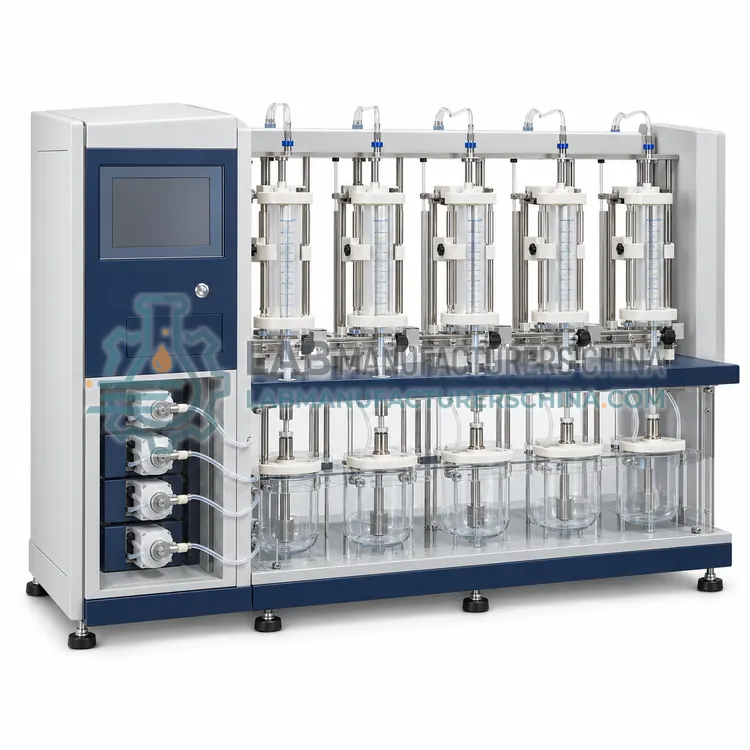
Flow-Through Systems
流通池溶出系统
Flow-through dissolution systems pump fresh or recirculated medium through a thermostatted cell holding the dosage form, as defined by USP Apparatus 4. Pharmaceutical laboratories use them for poorly soluble drugs, implants, extended-release products and studies needing sink conditions and pH changes.
- MEP5 models
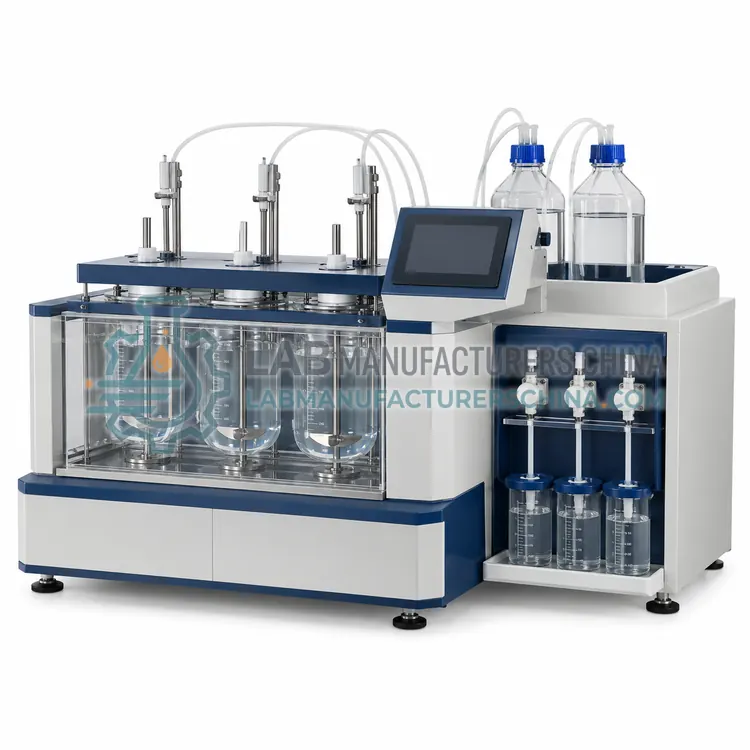
Media Preparation
溶出介质配制设备
Media preparation equipment prepares dissolution medium by diluting buffer concentrates, adjusting pH, degassing and dispensing a defined volume at test temperature. Pharmaceutical QC and development laboratories use it to make dissolution tests repeatable and compliant with pharmacopoeial requirements. These systems improve repeatability.
- SAS5 models
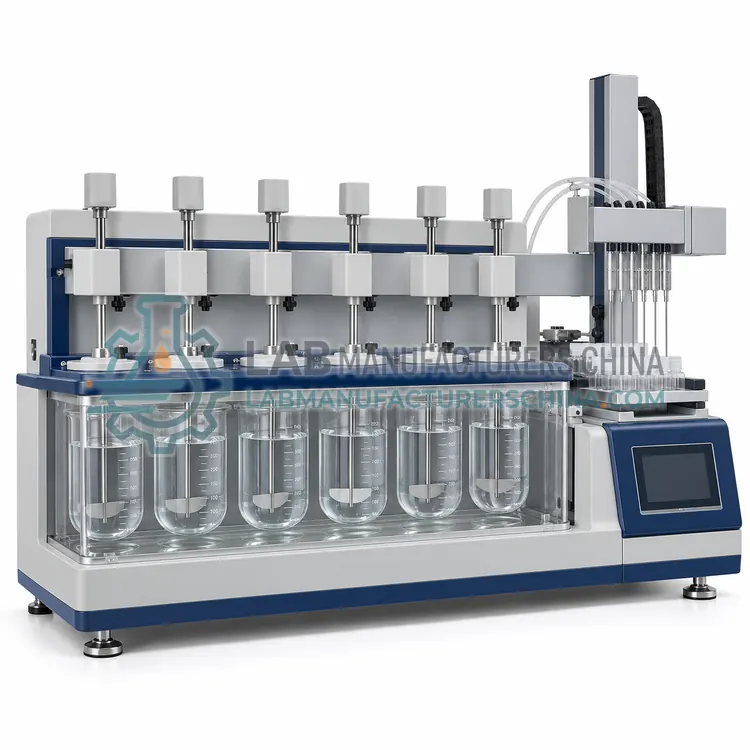
Sampling Systems
溶出取样系统
Dissolution sampling systems withdraw timed, filtered aliquots from dissolution vessels and deliver them to vials, detectors or collectors. QC and development laboratories use them to automate pull points, improve timing accuracy and support data-integrity requirements in dissolution testing. They also help to standardize sampling.
What are Dissolution Testing Equipment?
Dissolution testing is a pharmacopoeial performance test that links a dosage form to its release behavior. Because a drug must dissolve before it can be absorbed, dissolution results are used for batch release, stability studies, formulation development, scale-up and, through profile comparison, to support bioequivalence and biowaivers. The equipment category includes the dissolution tester itself (USP Apparatus 1, 2, 3, 5, 6 and 7 designs), flow-through systems for Apparatus 4, media preparation equipment that dilutes, degasses and dispenses medium, and sampling systems that withdraw filtered aliquots automatically. Each item addresses a different source of variability: mechanical agitation, hydrodynamics, medium composition, temperature, dissolved gas and sampling timing. For regulated laboratories, the category also includes the qualification tools, such as calibrator tablets and mechanical verification fixtures, that demonstrate the system is suitable for use.
How do Dissolution Testing Equipment work?
In a typical test, the dosage form is placed in a vessel containing 500–1000 mL of temperature-controlled medium, usually at 37.0 ± 0.5 °C. Agitation is provided by a rotating basket, a paddle, a reciprocating cylinder or a flow of medium through a cell, each generating defined hydrodynamics. Aliquots are withdrawn at specified times through filters and analysed by UV-Vis spectrophotometry or HPLC, and the percentage of label claim dissolved is calculated and compared with acceptance criteria such as Q value tables. Drug release is governed by solubility, surface area and the boundary layer around the solid, as described by the Noyes–Whitney equation. Media preparation equipment ensures that pH, composition, volume and dissolved gas are correct, while sampling systems control timing and reduce manual handling. Sink conditions, meaning medium volume at least three times that needed for saturation, are maintained so that release is not limited by solubility.
Where are Dissolution Testing Equipment used?
Dissolution testing is applied throughout the product lifecycle. In development, profiles in several media guide formulation choices and help establish in vitro–in vivo correlation. In quality control, single-point or multi-point tests release each batch and monitor stability. In regulatory work, profile comparisons using the f2 similarity factor support generic submissions and post-approval changes. Extended-release, enteric-coated and modified-release products require multi-stage or pH-shift testing, which often uses Apparatus 3 or Apparatus 4. Transdermal patches, implants, stents and suppositories use dedicated configurations. Contract laboratories run high volumes of tests and benefit from automation, while hospital and academic formulation groups may favor simpler manual systems.
Which standards apply to Dissolution Testing Equipment?
Dissolution testing is governed by USP <711> Dissolution and USP <724> Drug Release, Ph. Eur. 2.9.3 and 2.9.4, JP general test 6.10 and Chinese Pharmacopoeia general rule 0931. USP <1092> provides guidance on development and validation, while USP <1058> covers analytical instrument qualification. Mechanical calibration follows ASTM E2503 and the USP performance verification test using prednisone or salicylic acid calibrator tablets. Regulators expect electronic records to meet 21 CFR Part 11 and data-integrity principles, and FDA guidance documents describe dissolution method development for immediate-release and extended-release forms. Equipment is typically supplied with IQ/OQ documentation, and suppliers may seek certifications such as CE and ISO 9001, to be confirmed for each product.
How do I select the right dissolution testing equipment?
Start with the dosage form and monograph. Immediate-release tablets and capsules normally use Apparatus 1 or 2; extended-release and pH-shift products use Apparatus 3 or 4; patches use Apparatus 5 or 6. Next, select the vessel count by daily throughput and choose whether sampling is manual, automated by syringe or peristaltic pump, or in situ by fibre-optic probes. Decide how medium will be prepared and degassed, because it is a major source of variability. Consider temperature uniformity, speed accuracy, vessel geometry tolerances and the availability of mechanical calibration tools. For regulated sites, require IQ/OQ support, audit-trail software and spare-part availability. Finally, confirm that the supplier can provide method transfer and training support for your laboratory.
Dissolution Testing Equipment comparison
| Subcategory | Principle | Typical use | Key spec |
|---|---|---|---|
| Tablet Dissolution Testers | Rotating basket or paddle, reciprocating cylinder or disk in heated medium | Batch release and stability of tablets and capsules | 6–8 vessels, 25–250 rpm, 37.0 ± 0.5 °C |
| Flow-Through Systems | Medium pumped through a cell holding the dosage form (USP Apparatus 4) | Poorly soluble drugs, implants and stents | 4–16 mL/min, 120 ± 10 pulses/min |
| Media Preparation | Dilution, degassing and heated dispensing of medium | Consistent medium for repeatable dissolution tests | Volume accuracy ±1%, 37–41 °C |
| Sampling Systems | Filtered timed aliquots by syringe pump, peristaltic pump or in situ probe | Unattended profile sampling and data logging | Timing ±2 s, 1–10 mL aliquots |
Frequently asked questions about Dissolution Testing Equipment
It measures how fast and how much of the drug in a tablet, capsule or patch dissolves in a controlled medium. Results are used for batch release, stability, development and regulatory comparisons.
Apparatus 1 uses a rotating basket that holds the dosage form, while Apparatus 2 uses a rotating paddle with the dosage form resting on the vessel bottom. The monograph specifies which one applies.
Six is standard because Stage 1 testing uses six units. Eight or more vessels allow standards or blanks to run in the same cycle, and automated systems may run more vessels for higher throughput.
Qualification includes IQ/OQ, mechanical calibration of shaft wobble, centering, verticality, speed and temperature, and performance verification with USP prednisone or salicylic acid tablets. These are repeated periodically.
Choose Apparatus 4 for poorly soluble drugs needing sink conditions, implants, stents, and extended-release forms that require medium changes or continuous flow during testing. Method validation confirms the choice.
Yes, if the sampler is qualified and validation shows equivalence to manual sampling in timing, volume and recovery, with audit trail and data integrity controls in place.
Related categories
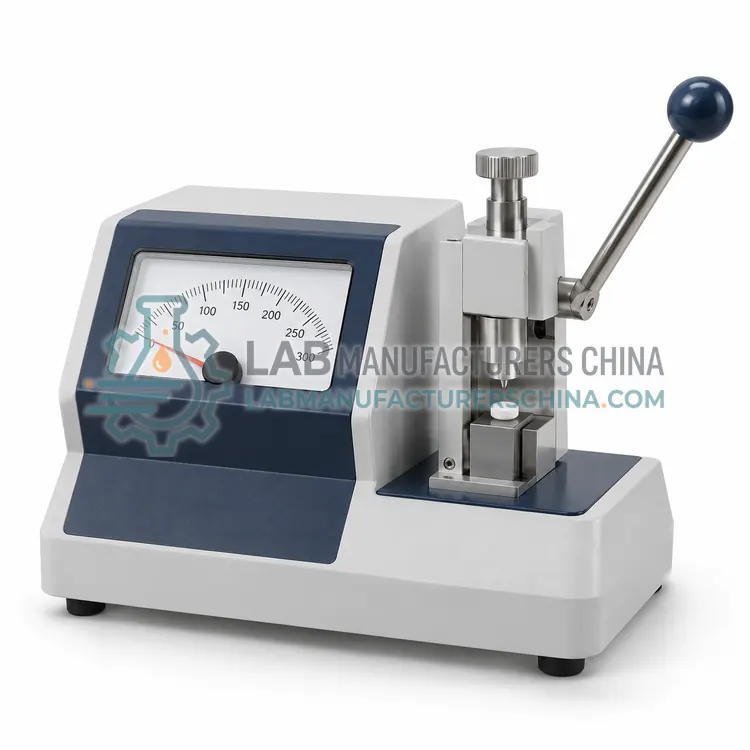 CTTE片剂测试设备Tablet testing equipment measures the physical quality attributes of compressed tablets and capsules: hardness, friability, disintegration time, thickness and visual appearance. The category covers hardness testers, friability testers, disintegration testers, thickness gauges and inspection systems used for batch release and in-process control.
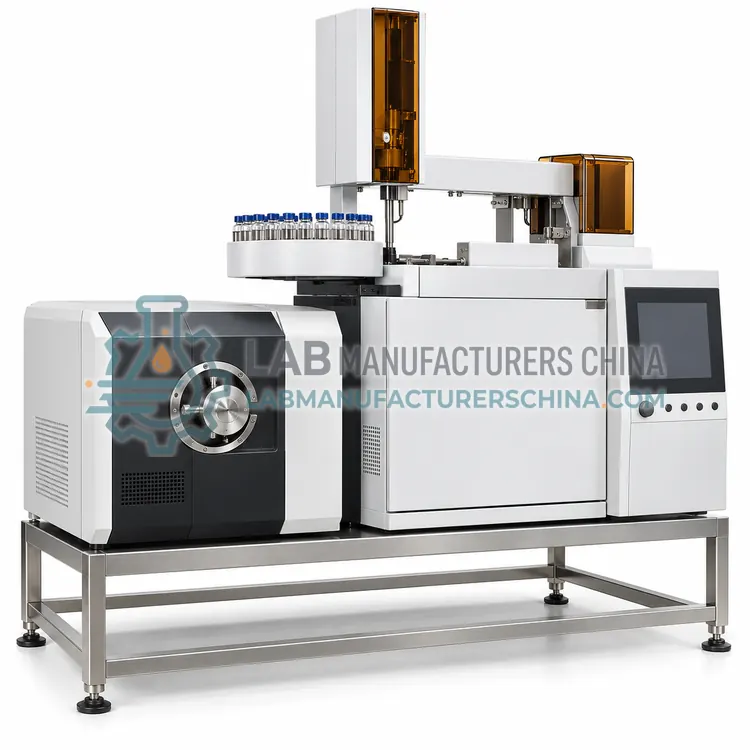 CDRU药物检测设备Drug testing equipment detects and quantifies drugs of abuse, therapeutic drugs and their metabolites in biological and seized samples. The category covers analytical confirmation systems, toxicology analyzers, screening platforms and the sample-preparation equipment used in forensic, clinical and workplace drug-testing laboratories.
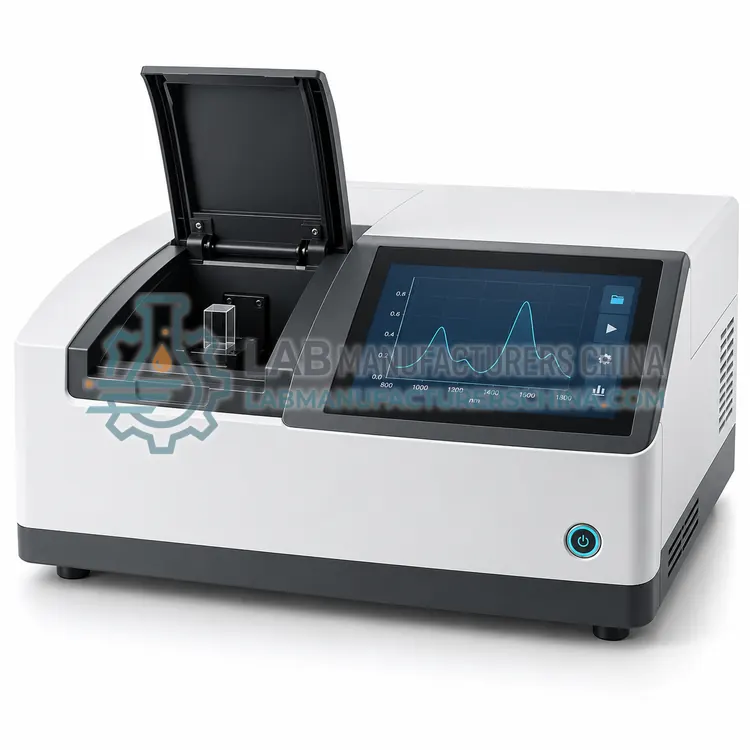 CPLE制药实验室设备Pharmaceutical laboratory equipment covers the analyzers, stability chambers, dissolution systems, tablet testers and sample preparation instruments used to test drug substances and finished dosage forms. It serves pharmaceutical quality control, research and development, and contract testing laboratories operating under pharmacopoeial and GMP requirements.
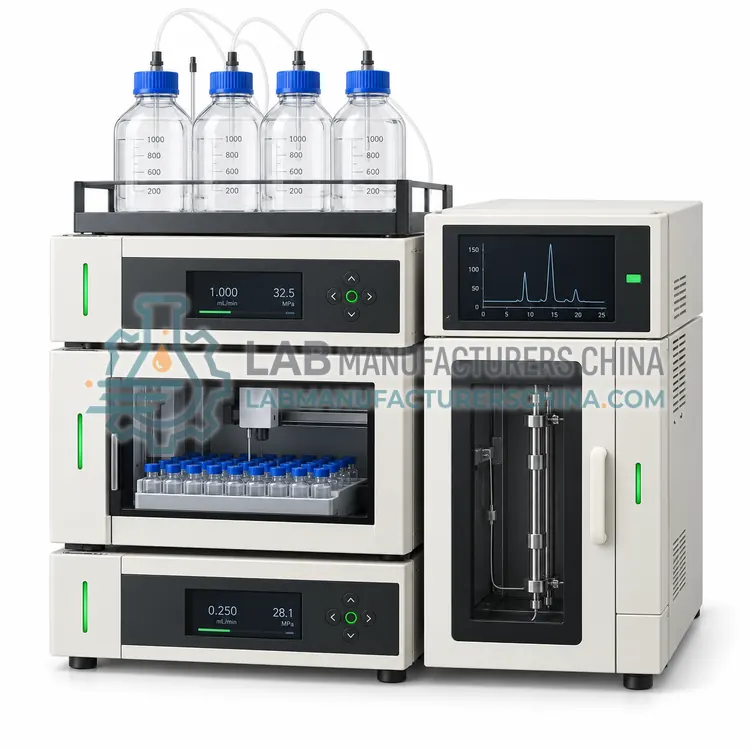 CPHA药物分析设备Pharmaceutical analysis equipment covers the instrumental techniques used to identify and quantify drug substances, impurities and residual water in pharmacopoeial testing. It serves quality control, research and development and contract laboratories that must demonstrate identity, assay, purity and compliance with monograph limits.