
Drug Testing Equipment
药物检测设备
CDRU · Pharmaceutical · 4 product types · 20 models
By Lab Manufacturers China Technical TeamLast reviewed
What are Drug Testing Equipment?
Drug testing equipment detects and quantifies drugs of abuse, therapeutic drugs and their metabolites in biological and seized samples. The category covers analytical confirmation systems, toxicology analyzers, screening platforms and the sample-preparation equipment used in forensic, clinical and workplace drug-testing laboratories.
4 product types in Drug Testing Equipment
The 4 product types below are grouped by the exact instrument you need.
- DAS5 models
Drug Analysis Systems
毒品分析系统
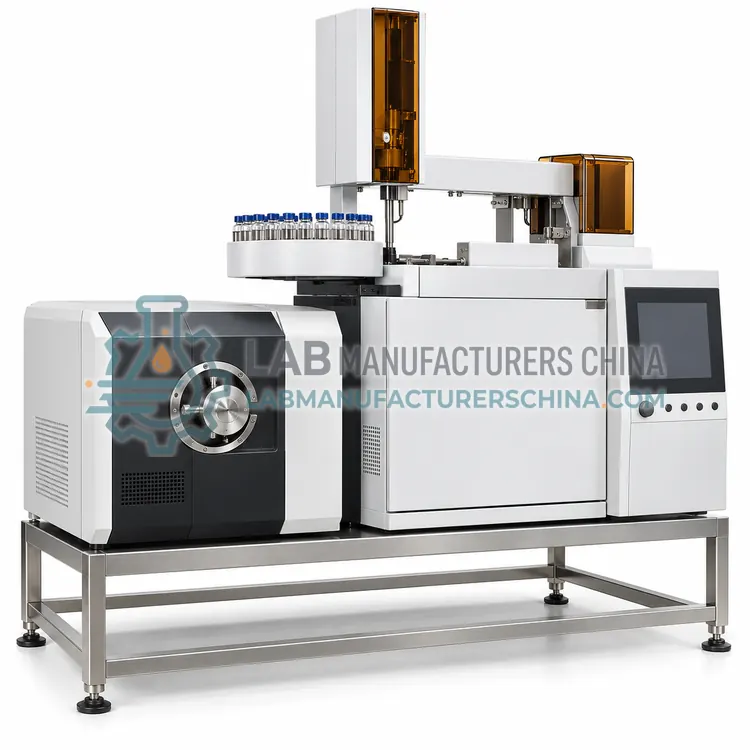
Drug analysis systems are laboratory instruments that identify and quantify controlled substances, adulterants and impurities in seized materials and pharmaceutical preparations. They include mass spectrometry, infrared, Raman and ion mobility platforms used by forensic laboratories, customs agencies and regulatory authorities.
- TOX5 models
Toxicology Analyzers
毒理学分析仪
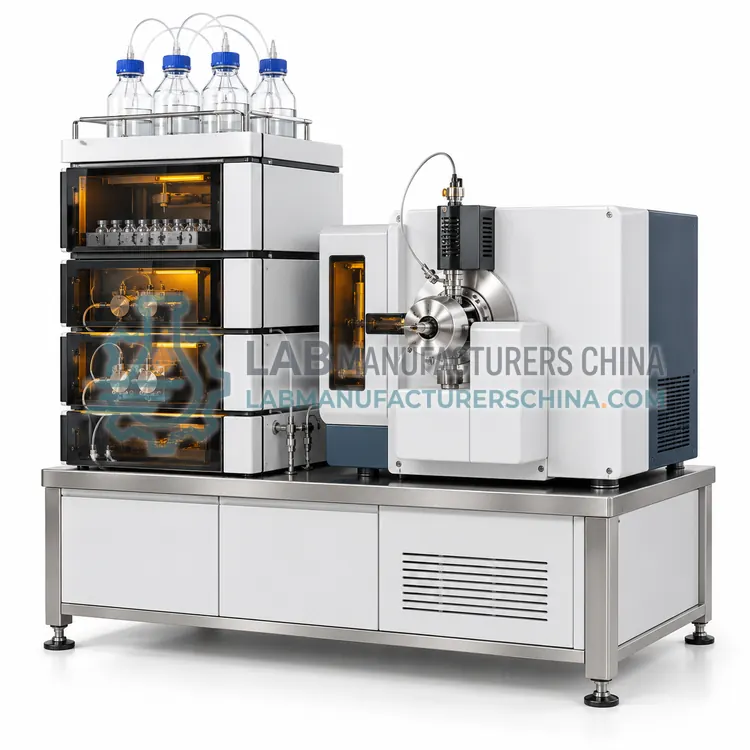
Toxicology analyzers detect and quantify drugs, poisons, alcohol and metals in blood, urine, oral fluid and tissue. They combine immunoassay, chromatography and mass spectrometry platforms used by clinical, forensic and workplace toxicology laboratories to support diagnosis, legal investigation and monitoring.
- DSS5 models
Drug Screening Systems
毒品筛查系统
Drug screening systems provide rapid presumptive detection of drugs of abuse in urine, oral fluid, hair or other specimens. They include immunoassay analyzers, lateral flow readers, point-of-care devices and ELISA platforms used in workplaces, clinics, treatment programs and law enforcement.
- SAE5 models
Sample Preparation
药物检测样品前处理设备
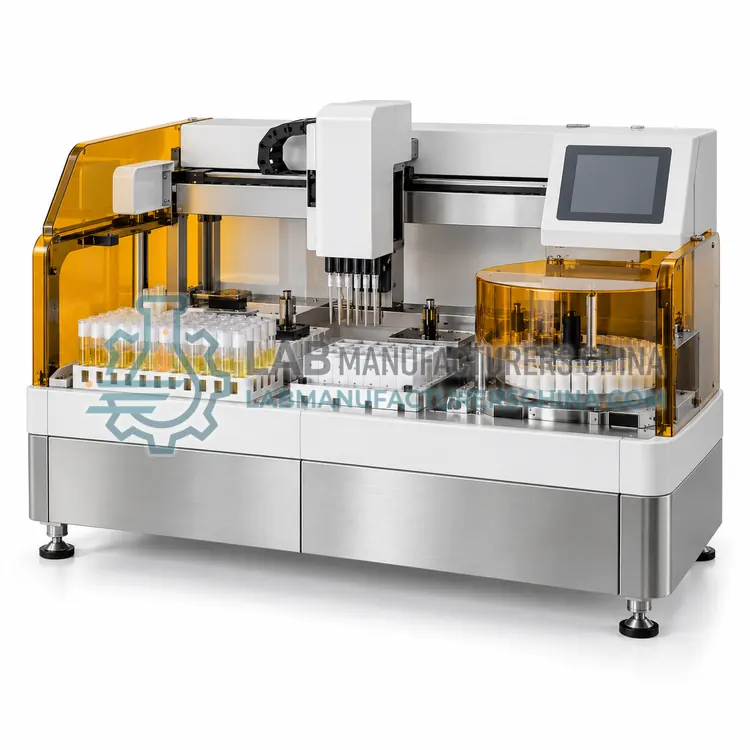
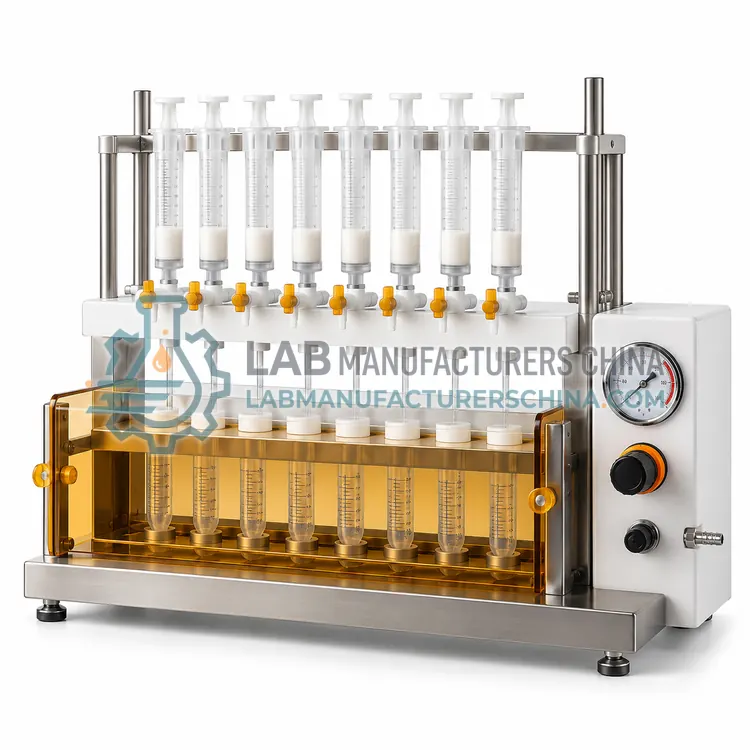
Sample preparation equipment for drug testing extracts, cleans and concentrates drugs and metabolites from urine, blood, oral fluid and hair before instrumental analysis. It includes SPE systems, evaporators, pulverizers and liquid handlers used by toxicology, forensic and workplace testing laboratories.
What are Drug Testing Equipment?
Drug testing combines screening, confirmatory analysis and toxicology to establish the presence and concentration of substances. Screening gives a fast presumptive result with immunoassays or lateral-flow devices, while confirmatory methods such as GC-MS and LC-MS/MS identify and measure the analyte with far greater specificity. Toxicology settings also monitor therapeutic drugs, alcohol, heavy metals and poisons, often with panels run on automated clinical analyzers. Because results may support clinical, workplace or legal decisions, laboratories require documented chain of custody, validated cutoffs, calibrators and controls, and data-integrity controls. Equipment spans benchtop confirmatory instruments, portable identifiers, automated immunoassay platforms and the extraction, evaporation and grinding tools that prepare samples before analysis.
How do Drug Testing Equipment work?
Screening immunoassays rely on antibodies that bind a drug class; a labelled tracer competes with the analyte, and the signal changes with concentration relative to a cutoff. Lateral-flow cassettes produce visible lines read by eye or by a reader. Confirmatory methods separate analytes by gas or liquid chromatography and identify them by mass spectrometry, matching retention time and characteristic ion ratios against certified reference standards. Quantification uses calibration curves and isotope-labelled internal standards. Sample preparation isolates the analyte from urine, blood, oral fluid or hair and removes matrix interferences. Seized-drug identification may use FTIR or Raman spectroscopy, comparing spectra with validated libraries.
Where are Drug Testing Equipment used?
Typical users include hospital and clinical toxicology laboratories, forensic and medico-legal laboratories, workplace drug-testing programmes, sports anti-doping bodies and customs or police facilities. Clinical toxicology supports emergency care, therapeutic drug monitoring and compliance testing. Forensic laboratories perform confirmatory identification for legal cases. Workplace programmes screen urine or oral fluid for a defined panel and confirm positives at an accredited laboratory. Public health and environmental teams monitor wastewater for drug-consumption patterns. Seized-material laboratories use portable and benchtop identifiers for rapid presumptive classification before full laboratory analysis.
Which standards apply to Drug Testing Equipment?
Laboratories commonly follow SAMHSA and AS/NZS 4308 workplace-testing requirements, ISO/IEC 17025 for testing competence and ISO 15189 for medical laboratories. Confirmatory method guidance comes from SWGTOX or SOFT documents, and CLIA rules apply to US clinical testing. Standards such as ASTM E2327 and ASTM E2329 address forensic examination quality, and IEC 61010-1 covers instrument safety. ISO 13485 and CE marking under in-vitro diagnostic rules apply to screening devices sold as IVDs. Suppliers may claim CE, ISO 9001 and ISO 13485 conformity, to be confirmed for each product and intended use.
How do I select the right drug testing equipment?
Define first what decision the result will support, because that sets the required specificity and documentation. Screening-only programmes can use immunoassay analyzers or reader-based cassettes with validated cutoffs, while legal or clinical reporting needs confirmatory GC-MS or LC-MS/MS. Match the assay menu to the drug classes you must detect, including metabolites and new psychoactive substances. Throughput, sample type (urine, oral fluid, blood or hair) and chain-of-custody features drive the platform choice. Confirm that calibrators, controls and reference standards are available, that the software keeps complete audit trails, and that the supplier provides installation, training and service within your required turnaround time.
Drug Testing Equipment comparison
| Subcategory | Principle | Typical use | Key spec |
|---|---|---|---|
| Drug Analysis Systems | Chromatographic separation with mass, infrared or Raman detection | Confirmatory identification and quantification of seized drugs | Mass range 10–1000 m/z, scan rate ≥ 10,000 Da/s |
| Toxicology Analyzers | Immunoassay, chromatography-mass spectrometry or headspace GC | Clinical toxicology and therapeutic drug monitoring | Detection limit 1–10 ng/mL, panel of 20–150 analytes |
| Drug Screening Systems | Antibody-based immunoassay in cassette, cup or microplate format | Presumptive workplace, clinical and point-of-care screening | Cutoffs 20–2000 ng/mL, throughput up to 1200 tests/h |
| Sample Preparation | Extraction, evaporation, grinding and liquid handling before analysis | Isolating and concentrating analytes from complex biological matrices | Recovery 85–105 percent, plate capacity 96 wells |
Frequently asked questions about Drug Testing Equipment
Screening is a fast, low-cost presumptive test that indicates a drug class may be present. Confirmatory testing uses chromatography with mass spectrometry to identify and quantify the specific substance, and it is required before a result is reported as positive.
Urine is most common because concentrations are high and collection is simple. Oral fluid, blood, hair and sweat are also used; each has a different detection window, and the laboratory must validate its methods for the matrix it receives.
Biological samples contain proteins, salts and other compounds that interfere with detection. Extraction and clean-up isolate the analyte, concentrate it to measurable levels and protect the analytical instrument, which improves sensitivity and reproducibility of the result.
A cutoff is the concentration at or above which a screening or confirmatory result is reported as positive. Cutoffs are set by regulators or programme sponsors and are verified in the laboratory with calibrators and controls near the decision point.
Accreditation is not always legally required, but many clinical, forensic and workplace programmes expect ISO 15189 or ISO/IEC 17025 accreditation. It demonstrates competence and gives confidence in chain-of-custody and quality-control practices.
Related categories
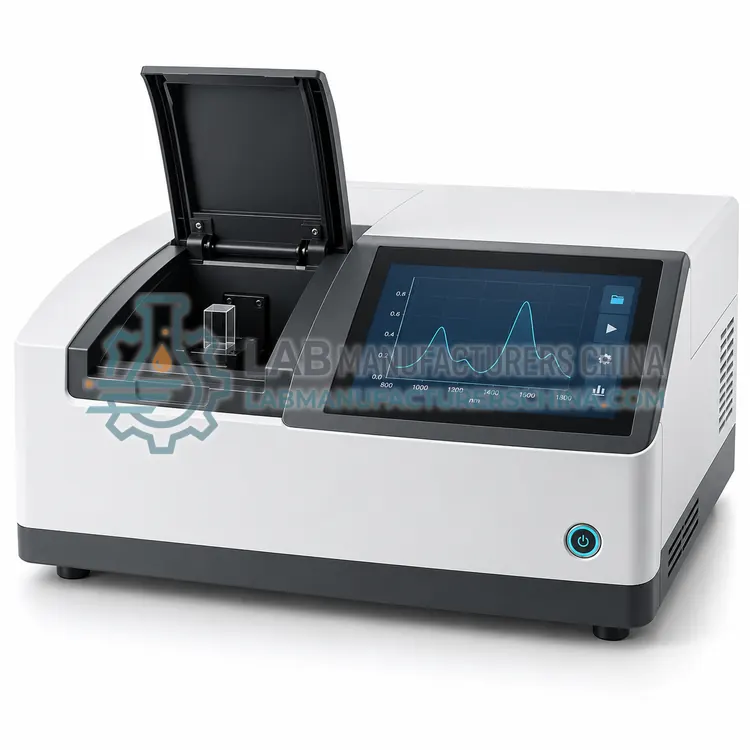 CPLE制药实验室设备Pharmaceutical laboratory equipment covers the analyzers, stability chambers, dissolution systems, tablet testers and sample preparation instruments used to test drug substances and finished dosage forms. It serves pharmaceutical quality control, research and development, and contract testing laboratories operating under pharmacopoeial and GMP requirements.
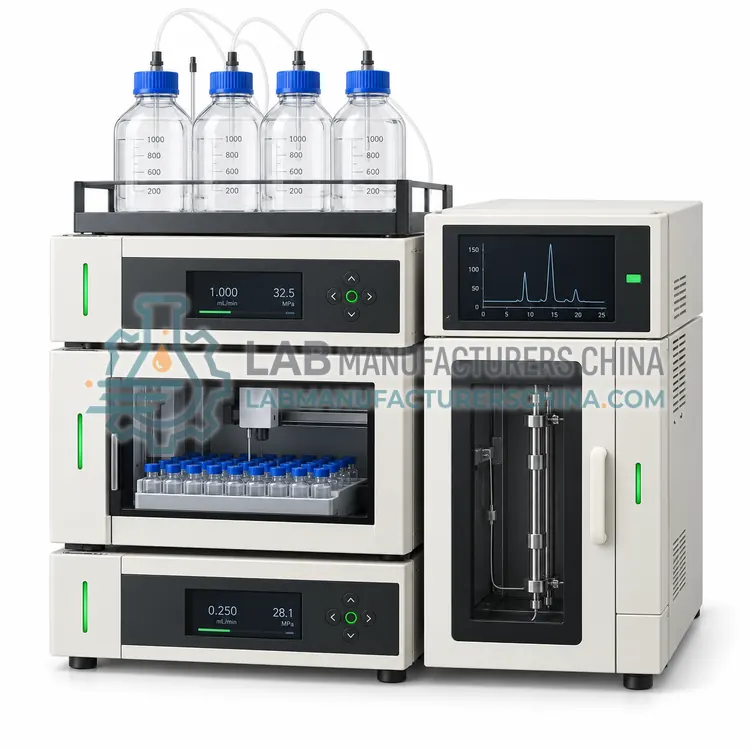 CPHA药物分析设备Pharmaceutical analysis equipment covers the instrumental techniques used to identify and quantify drug substances, impurities and residual water in pharmacopoeial testing. It serves quality control, research and development and contract laboratories that must demonstrate identity, assay, purity and compliance with monograph limits.
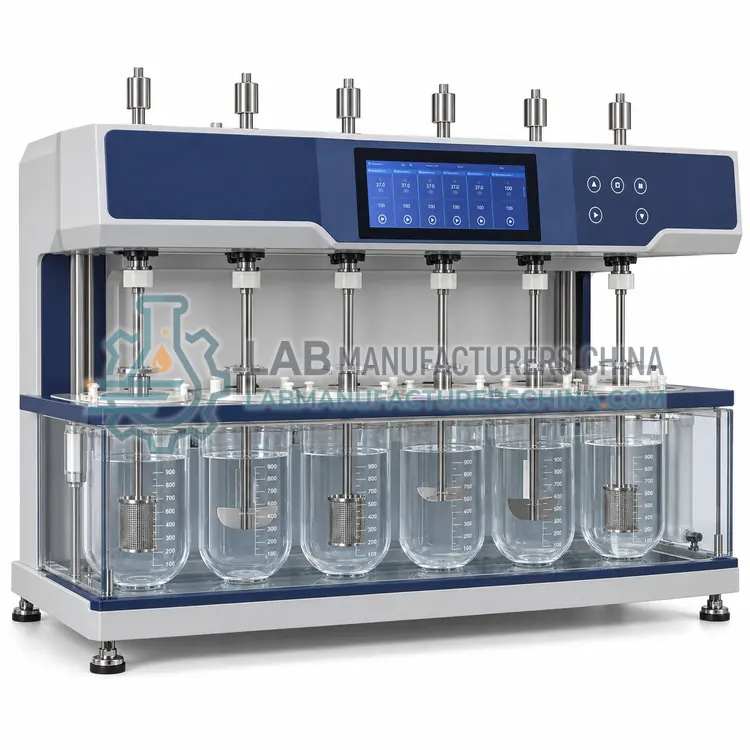 CDTE溶出度测试设备Dissolution testing equipment measures how quickly and completely the active ingredient of a tablet, capsule, patch or implant is released into a controlled medium. The category covers dissolution testers, flow-through systems, media preparation units and sampling systems used in pharmaceutical QC and development.
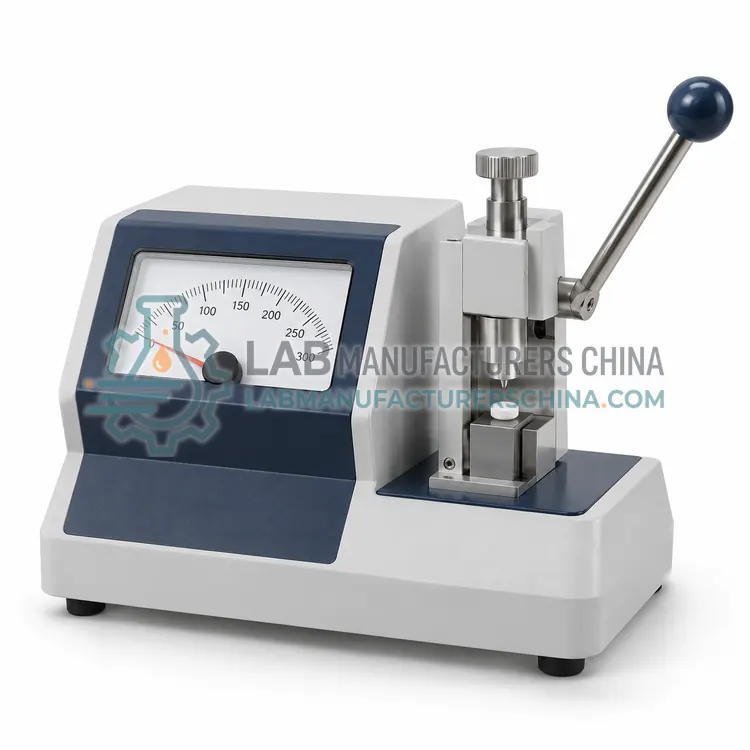 CTTE片剂测试设备Tablet testing equipment measures the physical quality attributes of compressed tablets and capsules: hardness, friability, disintegration time, thickness and visual appearance. The category covers hardness testers, friability testers, disintegration testers, thickness gauges and inspection systems used for batch release and in-process control.