Lab Manufacturers China

Drug Analysis Systems

毒品分析系统

DAS · Drug Testing Equipment · 5 models

By Lab Manufacturers China Technical TeamLast reviewed Standards: ASTM E2329, ISO/IEC 17025, ISO 21043

Standards referenced

  • ASTM E2329
  • ISO/IEC 17025
  • ISO 21043
  • UNODC Recommended Methods for Drug Identification
  • IEC 61010-1

What are Drug Analysis Systems?

Drug analysis systems are laboratory instruments that identify and quantify controlled substances, adulterants and impurities in seized materials and pharmaceutical preparations. They include mass spectrometry, infrared, Raman and ion mobility platforms used by forensic laboratories, customs agencies and regulatory authorities.

5 models of Drug Analysis Systems

The 5 models below are current configurations; specifications are confirmed on quotation.

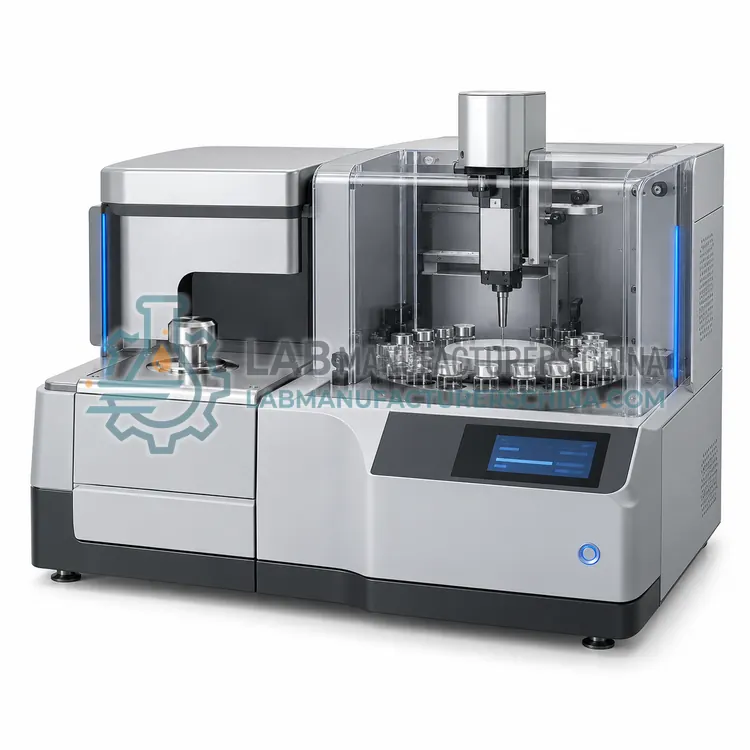
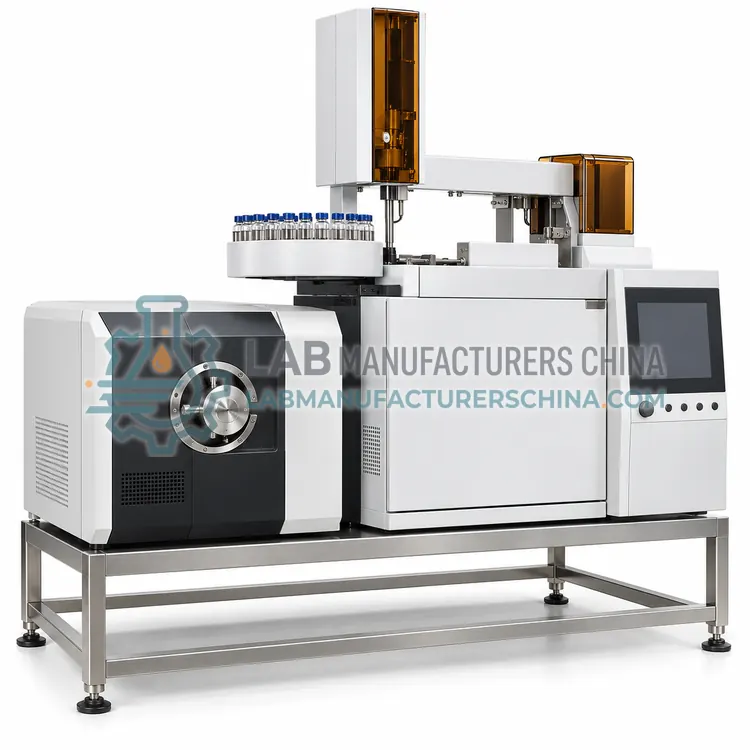
GC-MS System for Seized Drug Analysis

缴获毒品分析用 GC-MS 系统

  • DAS-0001
  • Drug Analysis Systems
  • CE (to be confirmed)
  • ISO 9001 manufacturing (to be confirmed)
Mass range:
1.2–1050 u
Ionization:
EI, 70 eV
Mass analyzer:
Single quadrupole
Scan speed:
up to 10,000 u/s
Oven temperature range:
Ambient +4 to 450 °C
Autosampler capacity:
≥ 100 vials

A GC-MS system for seized drug analysis separates volatile and semi-volatile components by gas chromatography and identifies them by electron ionization mass spectra. It is the standard confirmatory technique in most forensic drug laboratories.

Request a quote
View details

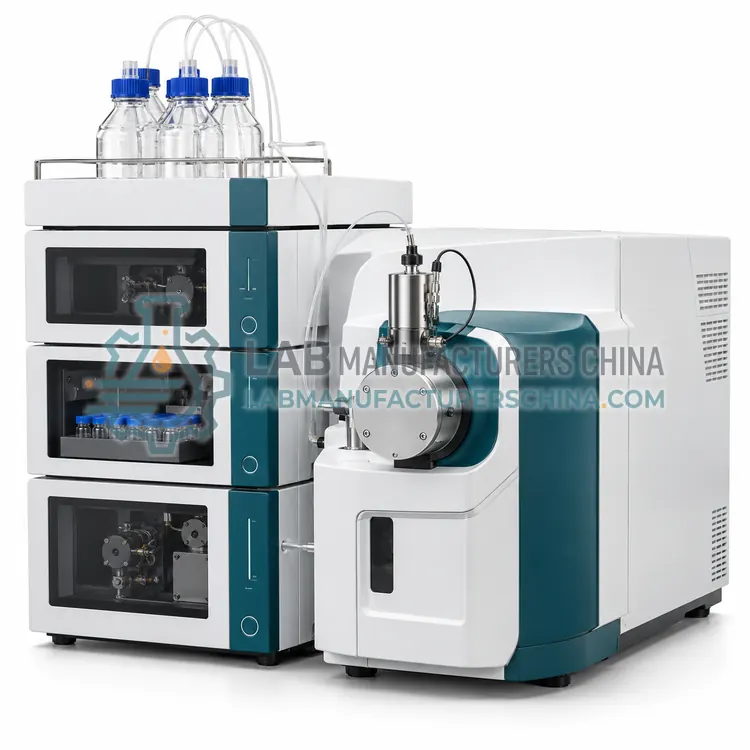
LC-MS/MS System for Drugs of Abuse Confirmation

滥用药物确证用 LC-MS/MS 系统

  • DAS-0002
  • Drug Analysis Systems
  • CE (to be confirmed)
  • ISO 9001 manufacturing (to be confirmed)
Mass analyzer:
Triple quadrupole
Mass range:
5–2000 m/z
MRM speed:
≥ 500 transitions/s
Polarity switching:
≤ 5 ms
UHPLC pressure limit:
≥ 600 bar
Ionization:
ESI / APCI

An LC-MS/MS system for drugs of abuse confirmation separates compounds by liquid chromatography and quantifies them by multiple reaction monitoring. It is suited to polar, thermally labile and low-dose drugs and their metabolites.

Request a quote
View details

FTIR Spectrometer for Seized Drug Identification

缴获毒品鉴定用 FTIR 光谱仪

  • DAS-0003
  • Drug Analysis Systems
  • CE (to be confirmed)
  • ISO 9001 manufacturing (to be confirmed)
Spectral range:
7800–350 cm-1
Resolution:
≤ 0.5 cm-1 (4 cm-1 typical use)
Signal-to-noise ratio:
≥ 30,000:1 (peak-to-peak, 1 min)
ATR crystal:
Diamond, single bounce
Detector:
DLaTGS
Sample amount:
< 1 mg

An FTIR spectrometer with ATR accessory identifies seized drugs from their infrared fingerprint with little or no preparation. It provides a rapid, non-destructive screening and identification technique for bulk powders, tablets and cutting agents.

Request a quote
View details

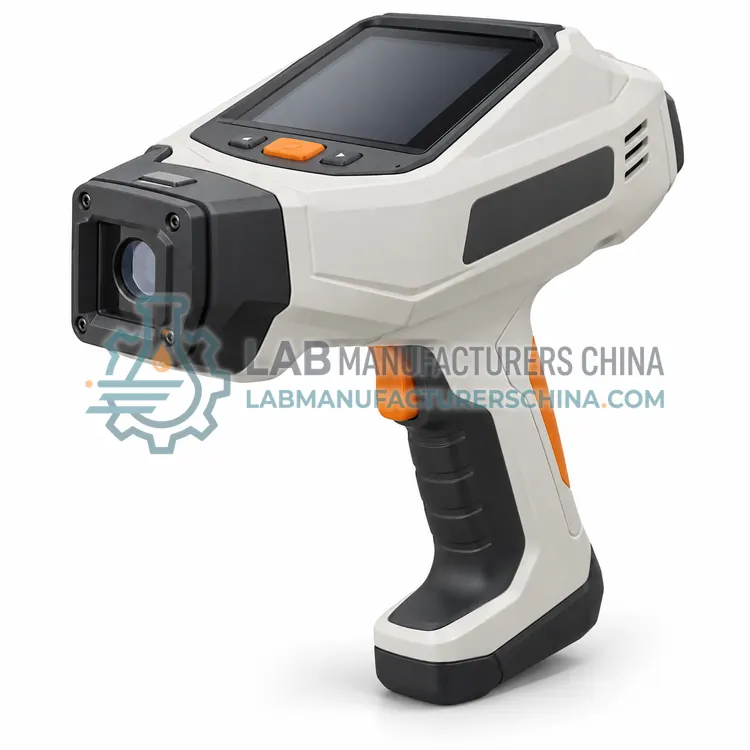
Handheld Raman Drug Identifier

手持式拉曼毒品识别仪

  • DAS-0004
  • Drug Analysis Systems
  • CE (to be confirmed)
  • ISO 9001 manufacturing (to be confirmed)
Laser wavelength:
785 nm or 1064 nm
Spectral range:
approx. 200–2800 cm-1
Resolution:
≤ 10 cm-1
Measurement time:
5–30 s
Library:
Onboard, updatable
Battery life:
≥ 4 h

A handheld Raman drug identifier uses a laser and onboard library to identify suspected narcotics in seconds, often through transparent packaging. It is used by customs and police officers for field screening before samples go to the laboratory.

Request a quote
View details

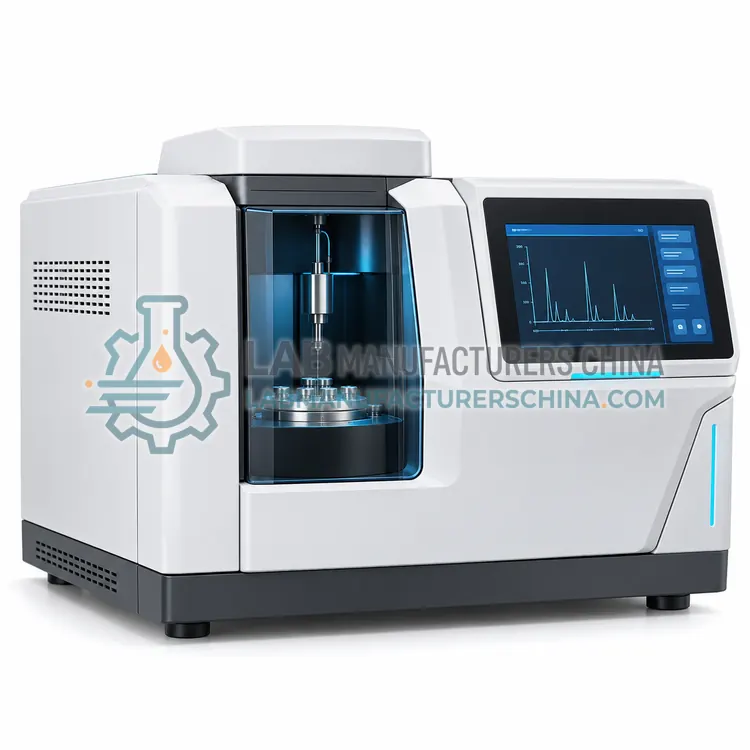
Ion Mobility Spectrometry Trace Drug Detector

离子迁移谱痕量毒品探测仪

  • DAS-0005
  • Drug Analysis Systems
  • CE (to be confirmed)
  • ISO 9001 manufacturing (to be confirmed)
Detection principle:
Ion mobility spectrometry
Analysis time:
5–10 s
Detection limit:
ng–pg range
Sample introduction:
Swab or wipe, thermal desorption
Ionization source:
Corona discharge or Ni-63
Target substances:
Cocaine, heroin, amphetamines, cannabinoids

An ion mobility spectrometry trace drug detector samples residues from surfaces or swabs and identifies narcotics by ion drift time. It is used at border crossings, airports and prisons for rapid screening in seconds.

Request a quote
View details

Compare Drug Analysis Systems models

ModelMass rangeIonizationMass analyzerAutosampler capacityLibrary
GC-MS System for Seized Drug AnalysisDAS-00011.2–1050 uEI, 70 eVSingle quadrupole≥ 100 vialsNIST-format compatible
LC-MS/MS System for Drugs of Abuse ConfirmationDAS-00025–2000 m/zESI / APCITriple quadrupole≥ 200 vials—
FTIR Spectrometer for Seized Drug IdentificationDAS-0003————Forensic drug libraries, custom entries
Handheld Raman Drug IdentifierDAS-0004————Onboard, updatable
Ion Mobility Spectrometry Trace Drug DetectorDAS-0005—————

Indicative values for this product class. Final specifications are confirmed on the quotation and in the calibration documents supplied with the instrument.

How do Drug Analysis Systems work?

Drug analysis relies on orthogonal techniques to reach a confident identification. Gas chromatography and liquid chromatography separate components, and mass spectrometry measures mass-to-charge ratio and fragmentation patterns that are matched to reference libraries. Fourier transform infrared spectroscopy measures molecular vibrations and produces a fingerprint spectrum of the bulk material, often with an attenuated total reflectance crystal that needs no sample preparation. Raman spectroscopy uses laser scattering and can analyze through glass or plastic packaging. Ion mobility spectrometry separates ionized molecules by drift time in an electric field, offering rapid trace detection. Quantitation requires calibration with certified reference materials and internal standards. Software compares spectra with libraries, reports match scores and stores results with chain-of-custody information.

Which Drug Analysis Systems variants are available?

  • GC-MS System for Seized Drug Analysis — A GC-MS system for seized drug analysis separates volatile and semi-volatile components by gas chromatography and identifies them by electron ionization mass spectra.
  • LC-MS/MS System for Drugs of Abuse Confirmation — An LC-MS/MS system for drugs of abuse confirmation separates compounds by liquid chromatography and quantifies them by multiple reaction monitoring.
  • FTIR Spectrometer for Seized Drug Identification — An FTIR spectrometer with ATR accessory identifies seized drugs from their infrared fingerprint with little or no preparation.
  • Handheld Raman Drug Identifier — A handheld Raman drug identifier uses a laser and onboard library to identify suspected narcotics in seconds, often through transparent packaging.
  • Ion Mobility Spectrometry Trace Drug Detector — An ion mobility spectrometry trace drug detector samples residues from surfaces or swabs and identifies narcotics by ion drift time.

How do I choose the right variant?

Select by sample type and the confidence level your laboratory must report. Seized drug laboratories typically pair a screening technique with a confirmatory one, for example FTIR or color test with GC-MS. LC-MS/MS suits thermally labile, polar or low-dose compounds, including new psychoactive substances and pharmaceuticals in complex matrices. Portable Raman or FTIR suits field identification by customs and police, while ion mobility suits trace detection on surfaces. Check the availability and size of spectral libraries, the ability to add custom entries and the quality of software reporting. Consider throughput and autosampler capacity, consumables cost, and the skill level of operators. Accredited laboratories should confirm that instrument performance checks, such as tuning for GC-MS, are supported and documented.

Where are Drug Analysis Systems used?

Drug Analysis Systems are specified in seized drug identification, forensic laboratory casework, customs and border screening, pharmaceutical counterfeit investigation and illicit drug profiling.

Which standards and certifications apply?

Work with Drug Analysis Systems is commonly governed by ASTM E2329, ISO/IEC 17025, ISO 21043, UNODC Recommended Methods for Drug Identification and IEC 61010-1. Instrument certifications such as CE marking are confirmed per configuration and never assumed.

What are the key considerations before purchase?

Use certified reference materials for calibration and identification, and run blanks to detect carryover, because potent drugs can contaminate subsequent samples. Establish system suitability and tuning checks for mass spectrometers and verify library matching against known standards. Safety is important, since samples may include highly potent opioids, so use fume hoods, appropriate personal protective equipment and waste handling procedures. Keep stable power, carrier gas purity and temperature control in the room. Maintain chain-of-custody and data security, and validate methods under ISO/IEC 17025 with measurement uncertainty where quantitation is reported. Schedule preventive maintenance for ion sources, liners, columns and optical components.

Frequently asked questions about Drug Analysis Systems

A drug analysis system is a laboratory or field instrument platform that identifies and sometimes quantifies controlled substances in seized or pharmaceutical samples. It typically uses mass spectrometry, infrared, Raman or ion mobility techniques with reference spectral libraries.

Need help specifying Drug Analysis Systems?

Request a quote