
Pharmaceutical Analysis Equipment
药物分析设备
CPHA · Pharmaceutical · 5 product types · 25 models
By Lab Manufacturers China Technical TeamLast reviewed
What are Pharmaceutical Analysis Equipment?
Pharmaceutical analysis equipment covers the instrumental techniques used to identify and quantify drug substances, impurities and residual water in pharmacopoeial testing. It serves quality control, research and development and contract laboratories that must demonstrate identity, assay, purity and compliance with monograph limits.
5 product types in Pharmaceutical Analysis Equipment
The 5 product types below are grouped by the exact instrument you need.
- HPC5 models
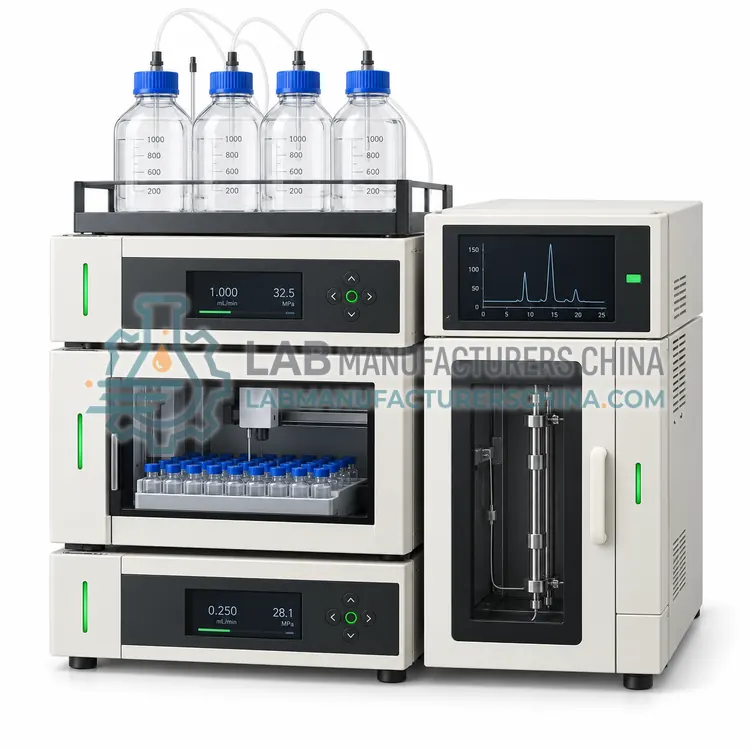
HPLC
药品分析高效液相色谱仪
HPLC systems for pharmaceutical analysis separate, identify and quantify drug substances, related substances and degradation products for pharmacopoeial testing. Quality control, stability and development laboratories use them as the primary technique for assay, impurities and dissolution samples.
- UVI5 models
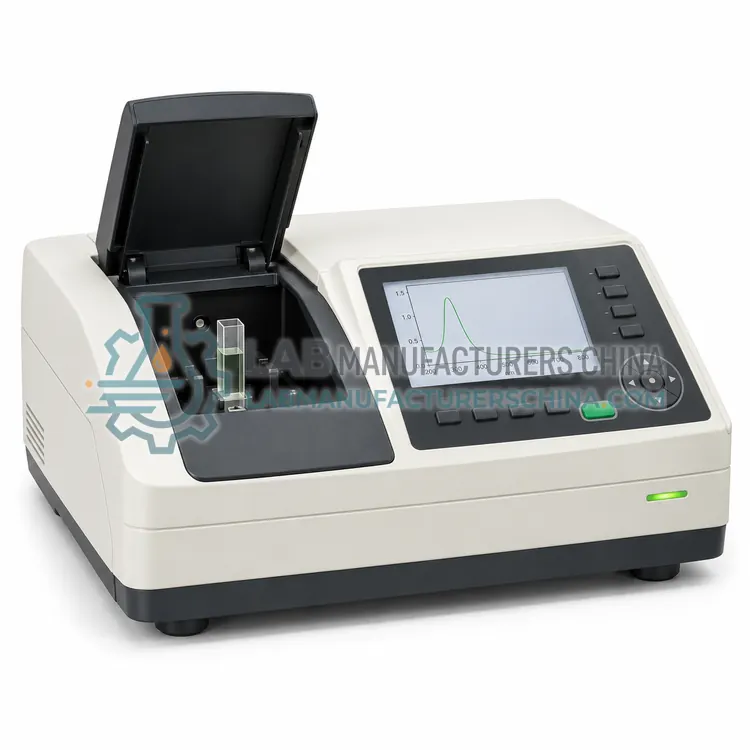
UV-Vis
药品分析紫外可见分光光度计
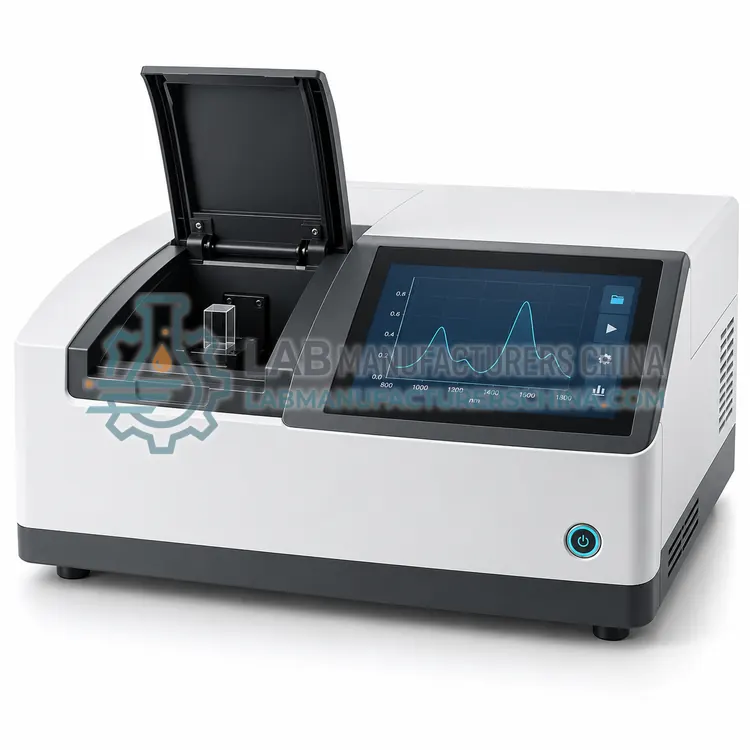
UV-Vis spectrophotometers for pharmaceutical analysis measure the absorbance of ultraviolet and visible light to quantify drug content in solutions. Quality control and development laboratories use them for assay, content uniformity, dissolution monitoring and colorimetric limit tests.
- FTR5 models
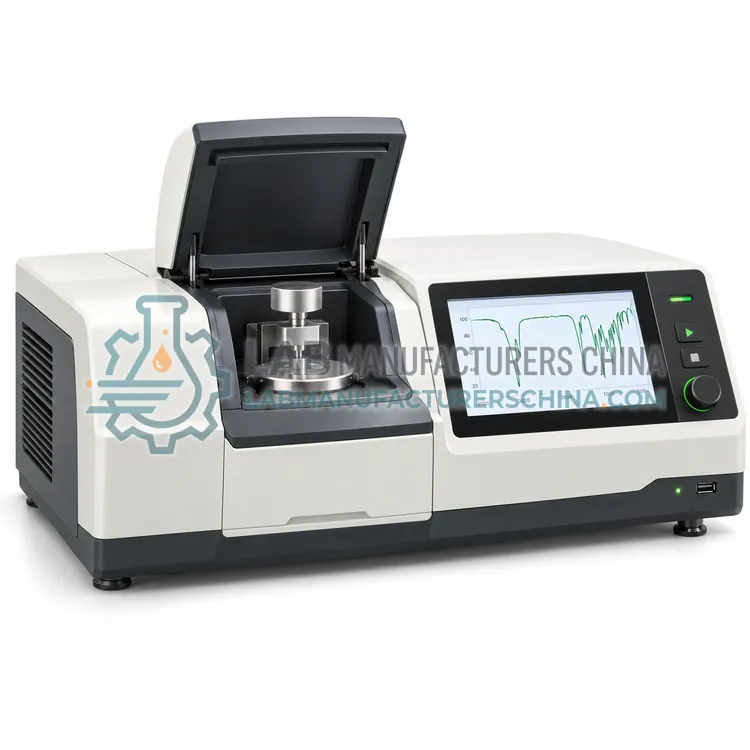
FTIR
药品分析傅里叶变换红外光谱仪
FTIR spectrometers for pharmaceutical analysis identify drug substances and excipients from their infrared absorption spectra. Quality control, incoming goods and development laboratories use them for routine raw material identity, polymorph screening and structural confirmation.
- TAN5 models
TOC Analyzers
制药总有机碳分析仪
TOC analyzers for pharmaceutical analysis measure total organic carbon in purified water, water for injection and cleaning samples. Pharmaceutical water system operators and quality control laboratories use them to demonstrate that water and cleaned surfaces meet pharmacopoeial and GMP limits.
- KFT5 models
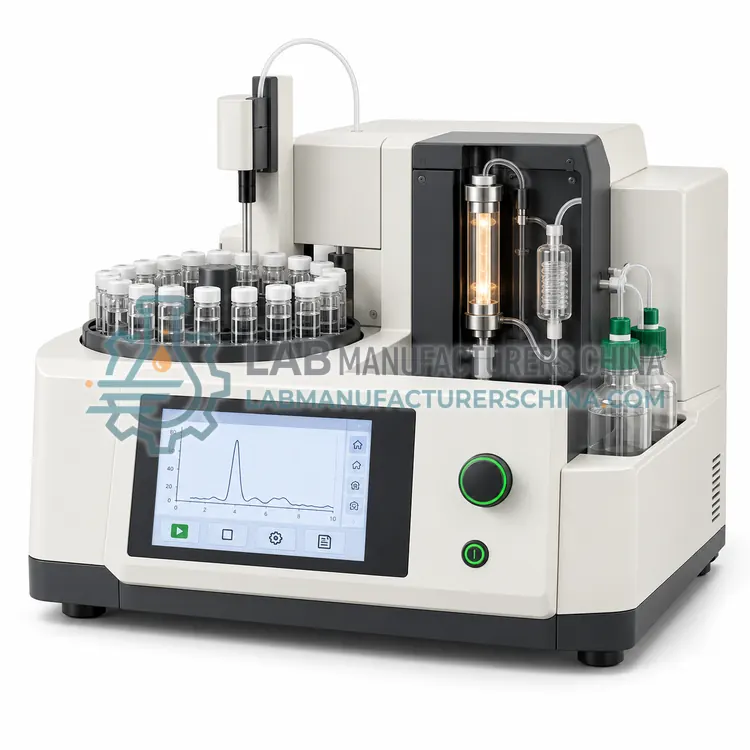
Karl Fischer Titrators
卡尔费休滴定仪
Karl Fischer titrators determine water content in drug substances, excipients, solvents and lyophilised products by a specific chemical reaction between water and iodine. Pharmaceutical quality control and development laboratories use them to meet pharmacopoeial water content limits and to protect products from moisture-related degradation.
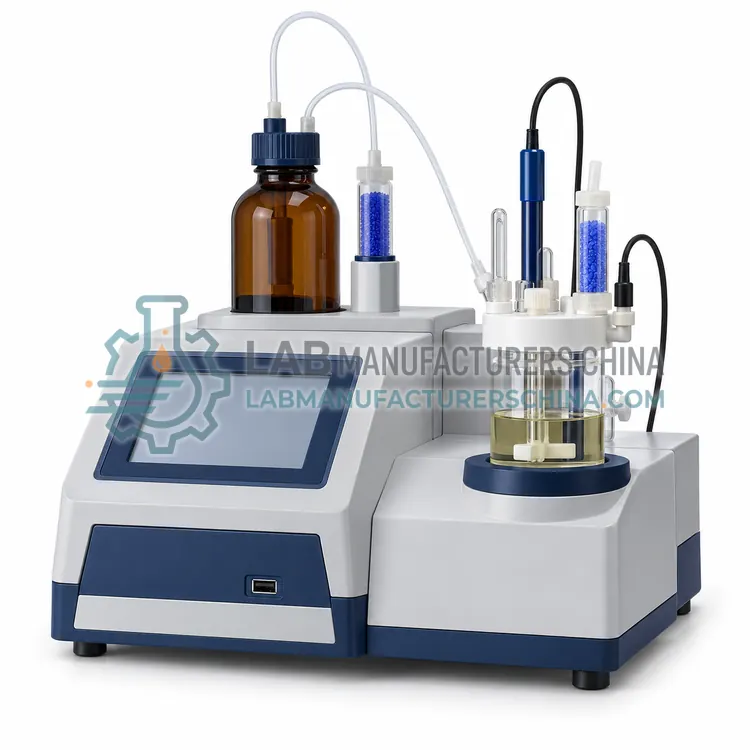
What are Pharmaceutical Analysis Equipment?
Pharmaceutical analysis equipment is the set of instruments that produce analytical results for regulatory and release decisions. Liquid chromatography separates a sample into components that are measured by UV-Vis or diode-array detection for assay, related substances and dissolution samples. UV-Vis spectrophotometry quantifies absorbance for content and uniformity. FTIR confirms molecular identity through vibrational spectra. TOC analyzers measure organic carbon in purified water and cleaning samples, and Karl Fischer titrators determine water content. These techniques are coupled to pharmacopoeial methods, so the instrument must meet the system suitability criteria and detection limits defined in the monograph or the validated in-house procedure.
How do Pharmaceutical Analysis Equipment work?
In HPLC, a pump drives mobile phase through a column packed with stationary phase; components partition differently and elute at characteristic retention times, where a UV or diode-array detector records absorbance to give peak area. UV-Vis spectrophotometers pass light from a deuterium and tungsten source through a sample and measure transmitted intensity against the Beer-Lambert relationship. FTIR spectrometers use an interferometer and Fourier transform to obtain an infrared absorption spectrum; ATR sampling avoids preparation for solids and pastes. TOC analyzers oxidise organic carbon to carbon dioxide, commonly by UV persulfate or high-temperature combustion, and quantify the gas conductimetrically or with a non-dispersive infrared detector. Karl Fischer titration reacts water stoichiometrically with iodine, detected voltametrically or photometrically.
Where are Pharmaceutical Analysis Equipment used?
Pharmaceutical analysis equipment supports the full testing scheme. HPLC dominates assay, related substances, content uniformity and dissolution analysis, and is the backbone of stability-indicating methods. UV-Vis supports simple assays, colorimetric limit tests and in-situ dissolution monitoring. FTIR is used for raw material identification, packaging and polymorph screening, and increasingly with portable probes at goods-in. TOC analyzers monitor purified water, water for injection and cleaning validation samples in pharmaceutical water systems. Karl Fischer titrators determine water content in APIs, excipients, lyophilised products and solvents, where moisture affects stability and potency. Contract laboratories apply the same methods for many clients.
Which standards apply to Pharmaceutical Analysis Equipment?
Methods and limits come from pharmacopoeial general chapters and monographs. Key documents include USP <621> chromatography, <851> spectrophotometry, <197> and <197M> for FTIR identity, <643> for total organic carbon, <921> for water determination and <1225> for validation, with Ph. Eur. and JP equivalents. ICH Q2 defines validation characteristics, ICH Q3 defines impurity limits and ICH Q1A governs stability design. GMP expectations follow ICH Q7 and ICH Q10, while ISO 17025 applies to testing laboratories. System suitability, resolution, tailing and precision criteria must be met before results are reported.
How do I select the right pharmaceutical analysis equipment?
Begin with the monograph or method and list the required detection, resolution and limit of quantitation. For HPLC, choose a system whose pressure range, autosampler precision and detector options match the method, and confirm gradient capability and column oven control for stability-indicating assays. For UV-Vis, decide between single-beam and double-beam optics according to stability and throughput needs. For FTIR, select ATR or transmission sampling based on the sample form, and consider portability for goods-in identification. For TOC, choose between laboratory and online instruments by sampling frequency, and for Karl Fischer decide between volumetric and coulometric titration from the expected water content. Always verify software, qualification and service support.
Pharmaceutical Analysis Equipment comparison
| Subcategory | Principle | Typical use | Key spec |
|---|---|---|---|
| HPLC | Partition chromatography with UV or diode-array detection | Assay, related substances and dissolution samples | Pressure to 600 bar; flow 0.1–10 mL/min |
| UV-Vis | Beer-Lambert absorbance of ultraviolet and visible light | Content, uniformity and in-situ dissolution monitoring | 190–1100 nm; absorbance to 4 AU |
| FTIR | Molecular vibrational absorption with Fourier transform | Raw material identity and polymorph screening | 4000–400 cm-1; resolution 1 cm-1 |
| TOC Analyzers | Oxidation of organic carbon to carbon dioxide | Purified water, WFI and cleaning validation | 0.001–50 mg/L; limit 0.5 mg/L for WFI |
| Karl Fischer Titrators | Stoichiometric reaction of water with iodine | Water content in APIs, excipients and solvents | Volumetric 0.1–100 percent; coulometric to 10 µg |
Frequently asked questions about Pharmaceutical Analysis Equipment
Common techniques include liquid chromatography with UV or diode-array detection for assay and impurities, UV-Vis spectrophotometry for content and dissolution, FTIR for identity, total organic carbon analysis for water quality, and Karl Fischer titration for water content.
System suitability confirms that the instrument, column and method perform within defined limits at the time of analysis. Parameters such as resolution, tailing factor, theoretical plates and precision are measured, and results are only valid if the criteria in the monograph or validated procedure are met.
TOC analysis is preferred for purified water, water for injection and cleaning validation because it measures total organic carbon and responds to a wide range of contaminants. UV-Vis at a single wavelength only detects absorbing species and is less suitable as a general water purity test.
Volumetric titration delivers iodine from a burette and suits water contents from roughly 0.1 to 100 percent. Coulometric titration generates iodine electrochemically and suits very low water contents, typically 10 micrograms to a few milligrams of water per sample.
An infrared spectrum is compared with a reference spectrum or a pharmacopoeial reference standard. A match confirms the molecular identity of the incoming material. Portable and handheld FTIR analyzers with ATR sampling allow identification through a clear bag at goods-in, reducing sampling and turnaround time.
Related categories
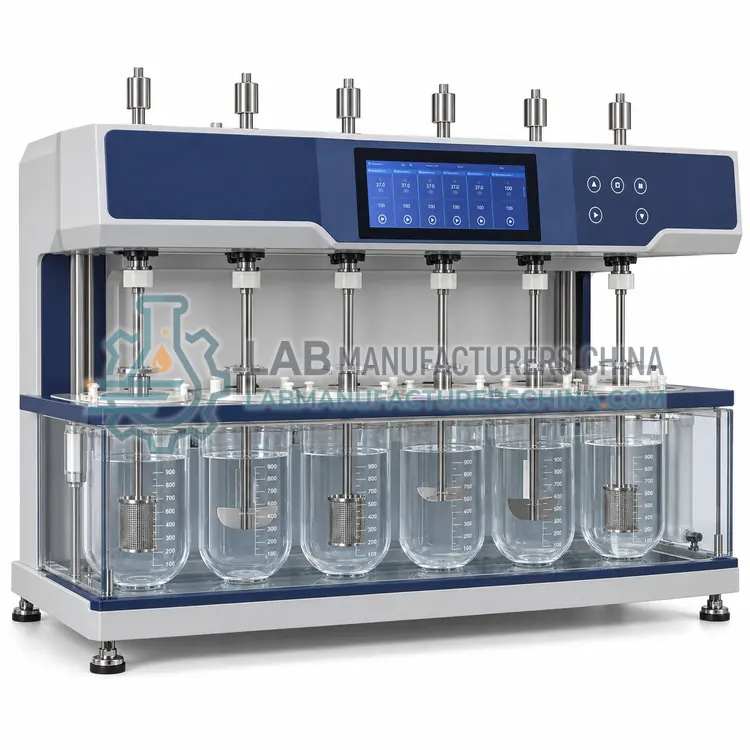 CDTE溶出度测试设备Dissolution testing equipment measures how quickly and completely the active ingredient of a tablet, capsule, patch or implant is released into a controlled medium. The category covers dissolution testers, flow-through systems, media preparation units and sampling systems used in pharmaceutical QC and development.
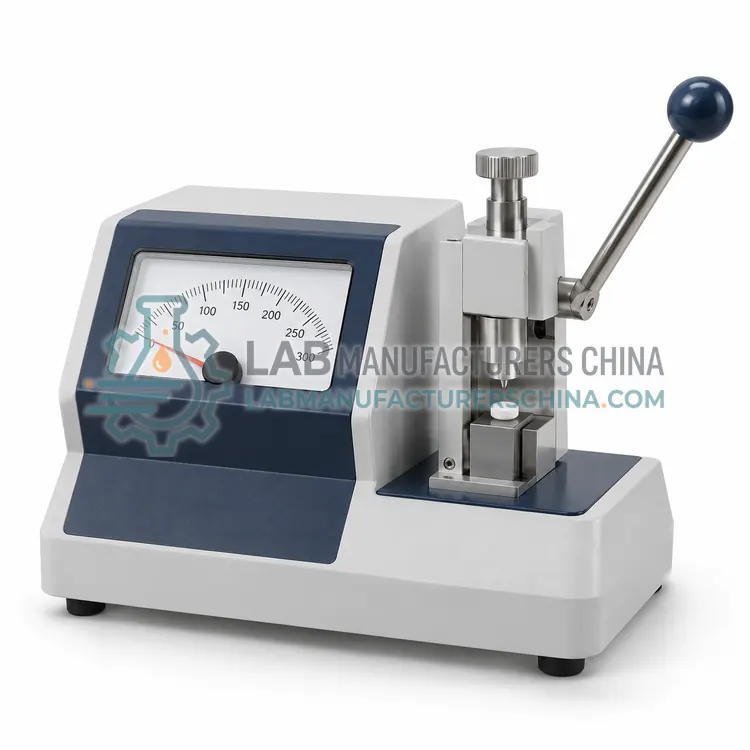 CTTE片剂测试设备Tablet testing equipment measures the physical quality attributes of compressed tablets and capsules: hardness, friability, disintegration time, thickness and visual appearance. The category covers hardness testers, friability testers, disintegration testers, thickness gauges and inspection systems used for batch release and in-process control.
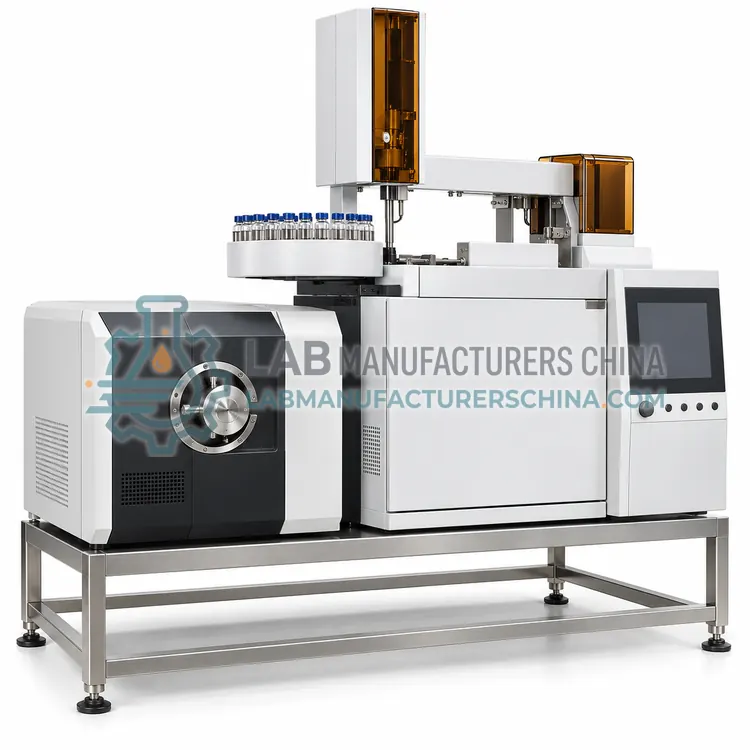 CDRU药物检测设备Drug testing equipment detects and quantifies drugs of abuse, therapeutic drugs and their metabolites in biological and seized samples. The category covers analytical confirmation systems, toxicology analyzers, screening platforms and the sample-preparation equipment used in forensic, clinical and workplace drug-testing laboratories.
 CPLE制药实验室设备Pharmaceutical laboratory equipment covers the analyzers, stability chambers, dissolution systems, tablet testers and sample preparation instruments used to test drug substances and finished dosage forms. It serves pharmaceutical quality control, research and development, and contract testing laboratories operating under pharmacopoeial and GMP requirements.