Lab Manufacturers China

DNA/RNA Extraction

核酸提取系统

DRE · Molecular Biology Equipment · 5 models

By Lab Manufacturers China Technical TeamLast reviewed Standards: ISO 13485 manufacturing, ISO 15189, CLSI MM13-A

Standards referenced

  • ISO 13485 manufacturing
  • ISO 15189
  • CLSI MM13-A
  • IEC 61010-1
  • IVDR (EU) 2017/746

What are DNA/RNA Extraction?

DNA/RNA extraction systems isolate nucleic acids from cells, tissue, blood or swabs by lysis, binding to a solid phase, washing and elution. Automated platforms use magnetic beads, silica columns or sealed cartridges, while vacuum manifolds handle column-based purification. They serve molecular biology, clinical diagnostics and testing laboratories.

5 models of DNA/RNA Extraction

The 5 models below are current configurations; specifications are confirmed on quotation.

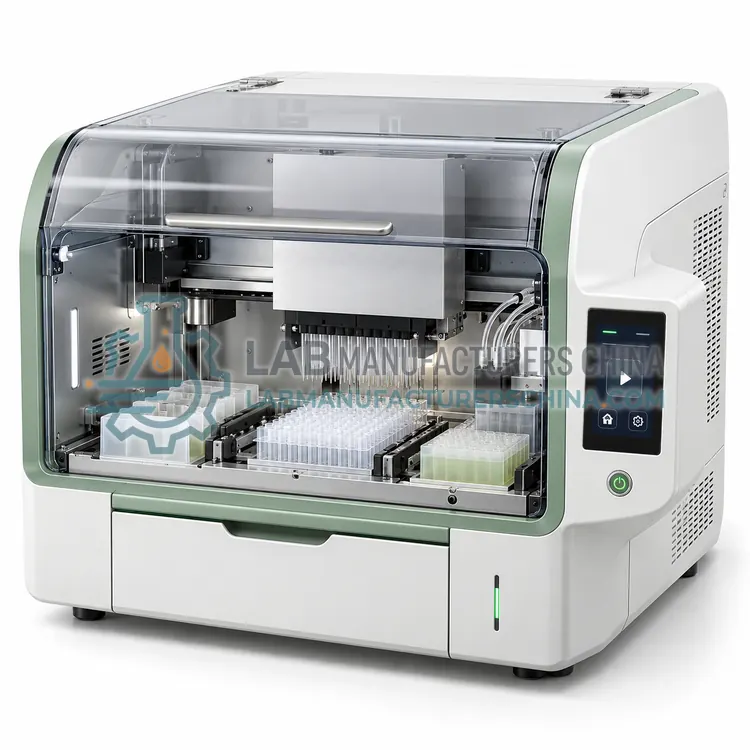
Magnetic Bead Nucleic Acid Extraction System

磁珠法核酸提取系统

  • DRE-0001
  • DNA/RNA Extraction
  • CE (to be confirmed)
  • ISO 13485 manufacturing (to be confirmed)
  • IVDR (EU) 2017/746 (to be confirmed)
Sample capacity:
16-32 per run
Sample volume:
20-1,000 µL, up to 10 mL optional
Lysis heating range:
Ambient to 105 °C
Elution volume:
30-200 µL
Run time:
20-60 min
Mixing method:
Oscillation or magnetic stirring

A benchtop automated instrument that mixes samples with magnetic beads and moves them through lysis, wash and elution plates. It processes 16 to 32 samples per run without columns or centrifugation and suits routine molecular laboratories.

Request a quote
View details

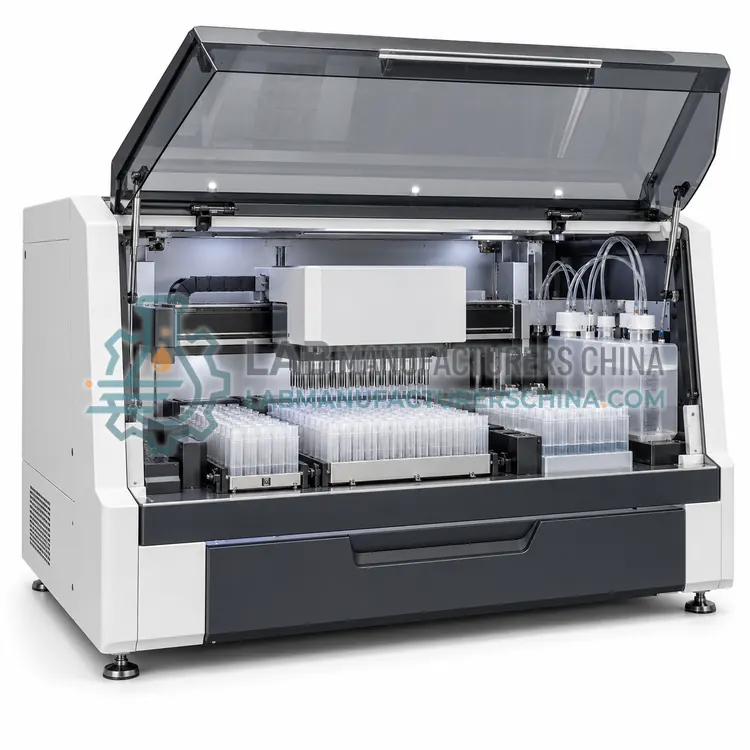
96-Well High-Throughput Nucleic Acid Extraction Platform

96 孔高通量自动核酸提取平台

  • DRE-0002
  • DNA/RNA Extraction
  • CE (to be confirmed)
  • ISO 13485 manufacturing (to be confirmed)
  • IVDR (EU) 2017/746 (to be confirmed)
Format:
96-well plates
Throughput:
96-384 samples per hour
Sample volume:
50-500 µL
Elution volume:
30-150 µL
Heating range:
Ambient to 105 °C
Plate positions:
6-12 positions with hotels

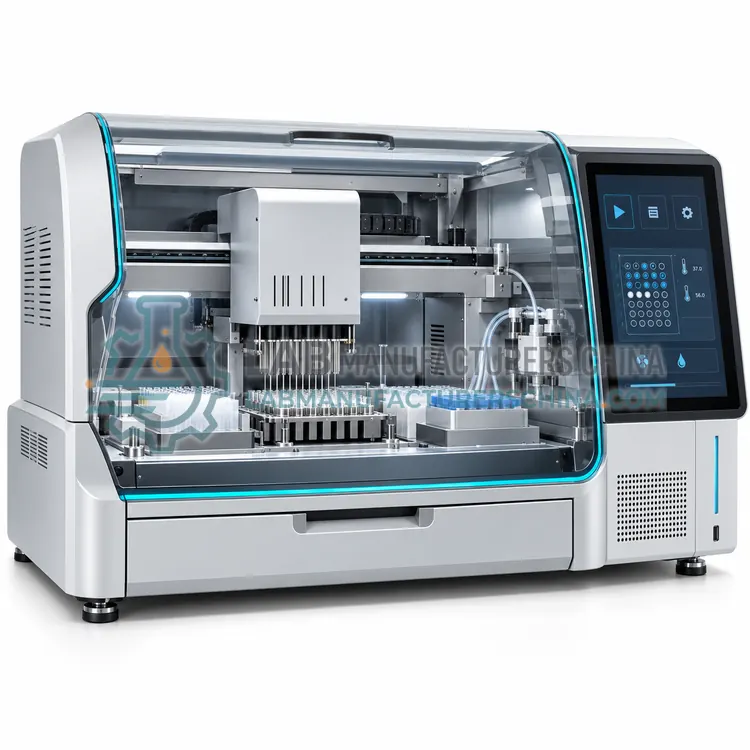
A fully automated platform that prepares 96 samples per plate with robotic pipetting, magnetic bead separation, heating and an integrated plate handler. It suits clinical testing and screening laboratories with sustained high daily volumes.

Request a quote
View details

Large-Volume Viral Nucleic Acid Extraction System

大体积病毒核酸提取系统

  • DRE-0003
  • DNA/RNA Extraction
  • CE (to be confirmed)
  • ISO 13485 manufacturing (to be confirmed)
  • IVDR (EU) 2017/746 (to be confirmed)
Sample volume:
1-50 mL
Sample capacity:
4-24 per run
Elution volume:
30-100 µL
Concentration factor:
50-500 fold
Run time:
60-120 min
Lysis temperature:
Ambient to 90 °C

An automated system that processes input volumes from 1 to 50 mL of plasma, serum or swab medium to concentrate low-titre viral nucleic acid. It is used for viral load testing and pathogen surveillance with low-abundance targets.

Request a quote
View details

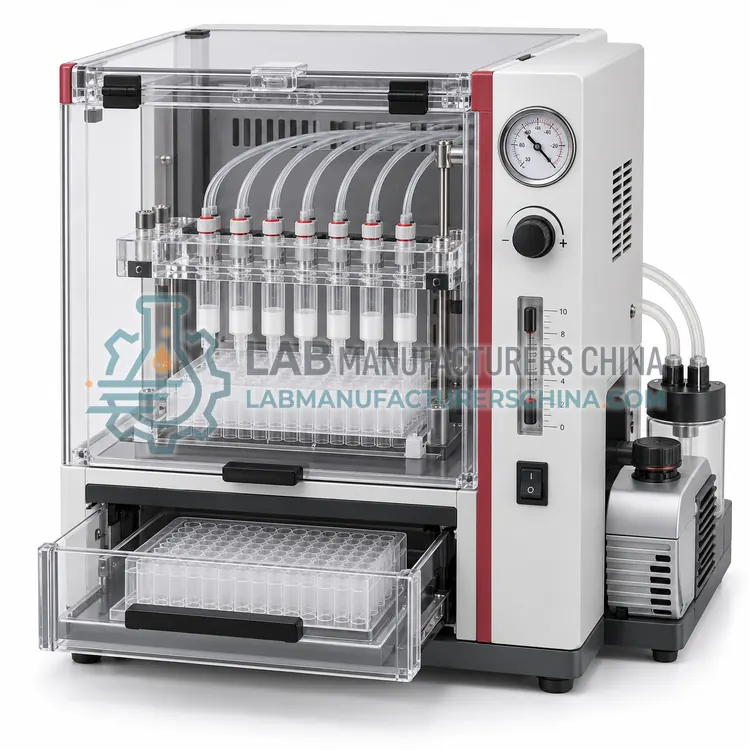
Vacuum Manifold Nucleic Acid Purification System

真空歧管核酸纯化系统

  • DRE-0004
  • DNA/RNA Extraction
  • CE (to be confirmed)
  • ISO 9001 manufacturing (to be confirmed)
  • IEC 61010-1 test report (to be confirmed)
Sample capacity:
12-96 per manifold
Working vacuum:
-60 to -90 kPa
Compatible formats:
Spin columns, 96-well filter plates
Body material:
Polycarbonate or acrylic
Fittings:
Anodised aluminium or stainless luer
Waste collection:
Removable tray or bottle

A manifold that pulls samples through silica membrane columns or filter plates under vacuum for parallel purification of plasmid DNA, genomic DNA or RNA. It is an economical option for medium-throughput, column-based workflows.

Request a quote
View details

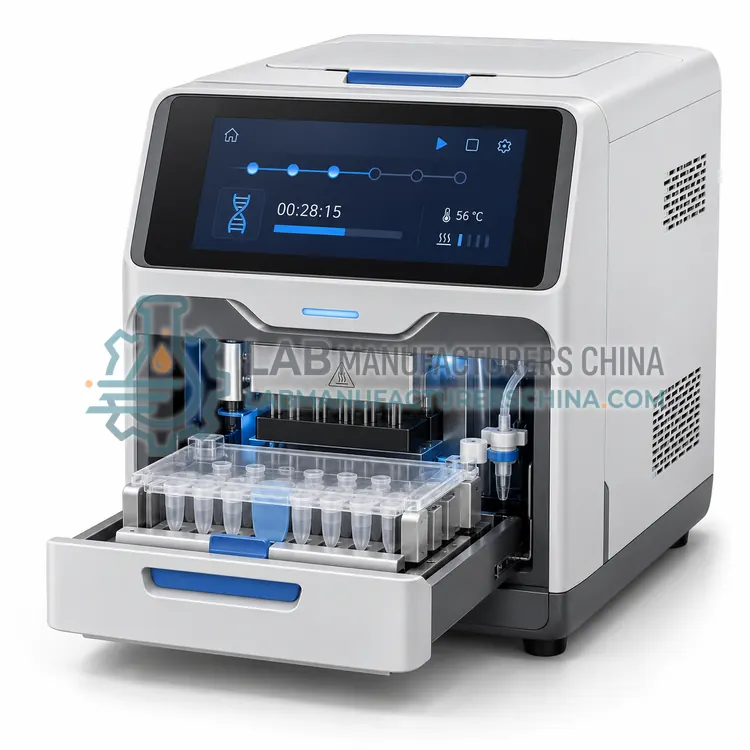
Cartridge-Based Point-of-Care Nucleic Acid Extractor

卡盒式即时核酸提取仪

  • DRE-0005
  • DNA/RNA Extraction
  • CE (to be confirmed)
  • ISO 13485 manufacturing (to be confirmed)
  • IVDR (EU) 2017/746 (to be confirmed)
Sample capacity:
1-8 cartridges per run
Sample volume:
100-1,000 µL
Processing time:
15-45 min
Elution volume:
20-100 µL
Heating range:
Ambient to 100 °C
Magnetic capture:
Integrated magnetic actuators

A compact instrument that performs extraction entirely inside a sealed single-use cartridge, so the sample never contacts the instrument. It suits near-patient testing, field stations and clinical settings without a molecular laboratory on site.

Request a quote
View details

Compare DNA/RNA Extraction models

ModelSample capacitySample volumeElution volumeRun timeTypical yield
Magnetic Bead Nucleic Acid Extraction SystemDRE-000116-32 per run20-1,000 µL, up to 10 mL optional30-200 µL20-60 min1-10 µg DNA from 200 µL blood
96-Well High-Throughput Nucleic Acid Extraction PlatformDRE-0002—50-500 µL30-150 µL——
Large-Volume Viral Nucleic Acid Extraction SystemDRE-00034-24 per run1-50 mL30-100 µL60-120 min—
Vacuum Manifold Nucleic Acid Purification SystemDRE-000412-96 per manifold———5-30 µg plasmid from 5 mL culture
Cartridge-Based Point-of-Care Nucleic Acid ExtractorDRE-00051-8 cartridges per run100-1,000 µL20-100 µL——

Indicative values for this product class. Final specifications are confirmed on the quotation and in the calibration documents supplied with the instrument.

How do DNA/RNA Extraction work?

Extraction begins with lysis, which uses chaotropic salts, detergents and often proteinase K to break cell membranes and denature nucleases. Nucleic acids then bind to a solid phase, either silica in the presence of high salt or magnetic beads with a silica or carboxyl surface. Washing removes proteins, salts and inhibitors, and elution in a low-salt buffer or nuclease-free water releases purified nucleic acid. Automated instruments move magnetic particles with a magnetic rod, or pipette liquid through a filter plate, following a program that controls lysis time, mixing, bead collection, wash steps and heated elution. Yield and purity are checked by absorbance at 260, 280 and 230 nm or by fluorescent dyes. Carryover between samples and cross-contamination are controlled by tip changes, sealed consumables and controlled airflow.

Which DNA/RNA Extraction variants are available?

  • Magnetic Bead Nucleic Acid Extraction System — A benchtop automated instrument that mixes samples with magnetic beads and moves them through lysis, wash and elution plates.
  • 96-Well High-Throughput Nucleic Acid Extraction Platform — A fully automated platform that prepares 96 samples per plate with robotic pipetting, magnetic bead separation, heating and an integrated plate handler.
  • Large-Volume Viral Nucleic Acid Extraction System — An automated system that processes input volumes from 1 to 50 mL of plasma, serum or swab medium to concentrate low-titre viral nucleic acid.
  • Vacuum Manifold Nucleic Acid Purification System — A manifold that pulls samples through silica membrane columns or filter plates under vacuum for parallel purification of plasmid DNA, genomic DNA or RNA.
  • Cartridge-Based Point-of-Care Nucleic Acid Extractor — A compact instrument that performs extraction entirely inside a sealed single-use cartridge, so the sample never contacts the instrument.

How do I choose the right variant?

Start with the sample: whole blood, tissue, swabs, plasma, plant material or environmental samples each need a different lysis protocol, and input volume drives consumable and platform choice. Next set throughput, whether a few samples per run or several hundred per day, because this decides between manual manifolds, small benchtop instruments and 96-well platforms. Consider the elution volume and concentration required by the downstream assay, since quantitative PCR and sequencing have different sensitivity to inhibitors and RNA integrity. Check contamination controls such as sealed cartridges, UV decontamination, tip management and negative controls. Confirm that the reagents, plasticware and software are supplied continuously, and ask for validated protocols for each matrix you intend to process.

Where are DNA/RNA Extraction used?

DNA/RNA Extraction are specified in clinical pathogen nucleic acid testing, cancer genomics and mutation analysis, next-generation sequencing library preparation, food, feed and GMO testing and plant breeding and agricultural research.

Which standards and certifications apply?

Work with DNA/RNA Extraction is commonly governed by ISO 13485 manufacturing, ISO 15189, CLSI MM13-A, IEC 61010-1 and IVDR (EU) 2017/746. Instrument certifications such as CE marking are confirmed per configuration and never assumed.

What are the key considerations before purchase?

Keep extraction and amplification areas physically separate, use dedicated pipettes and filter tips, and clean surfaces with fresh hypochlorite or a validated decontaminant. Note that guanidine-based lysis waste must not be mixed with bleach, because toxic gas can form; collect and dispose of it separately under local rules. Wear gloves and change them frequently, since skin and breath carry nucleases and amplification products. Run negative controls in every batch and monitor extraction efficiency with a known standard. Calibrate heating blocks, pipetting accuracy and any magnetic rod height at fixed intervals. Validate each new sample matrix for yield, purity and inhibitor carryover before routine use, and keep lot records of reagents.

Frequently asked questions about DNA/RNA Extraction

It lyses cells or tissue, captures nucleic acid on magnetic beads, silica columns or cartridges, washes away protein and inhibitors, and elutes purified DNA or RNA in a defined volume for PCR, sequencing or storage.

Need help specifying DNA/RNA Extraction?

Request a quote