Lab Manufacturers China

Fermentation Tanks

发酵罐体

FET · Fermentation Equipment · 5 models

By Lab Manufacturers China Technical TeamLast reviewed Standards: GB/T 150, ASME BPVC Section VIII, EU GMP Annex 1

Standards referenced

  • GB/T 150
  • ASME BPVC Section VIII
  • EU GMP Annex 1
  • 21 CFR Part 211
  • USP <661>
  • ISO 9001
  • IEC 61010-1

What are Fermentation Tanks?

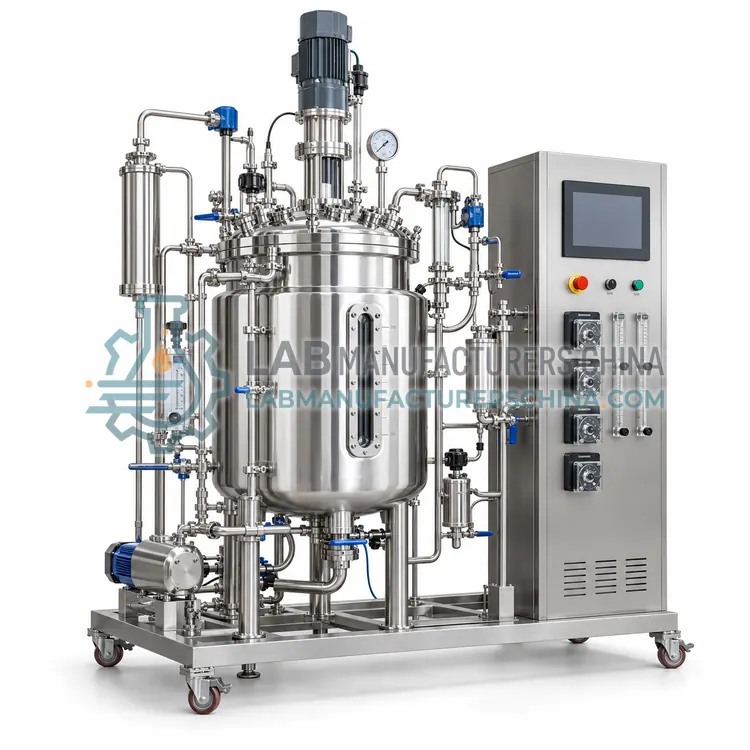
Fermentation tanks are the vessels themselves, typically stainless steel and often jacketed, in which microbial or cell culture is carried out at production scale. Their geometry, mixing and heat transfer determine how well a process scales.

5 models of Fermentation Tanks

The 5 models below are current configurations; specifications are confirmed on quotation.

Jacketed Stainless Steel Fermentation Tank

夹套不锈钢发酵罐

  • FET-0001
  • Fermentation Tanks
  • CE (to be confirmed)
  • ISO 9001 manufacturing (to be confirmed)
  • Pressure vessel compliance (to be confirmed)
Volume:
500–50,000 L
Material:
316L stainless steel inner shell
Design pressure:
0.2–0.4 MPa (vessel), 0.3–0.6 MPa (jacket)
Design temperature:
0–150 °C
Surface finish:
Ra below 0.8 µm (product contact)
Jacket type:
Zoned, dimpled or half-pipe

A jacketed stainless steel fermentation tank uses a surrounding jacket for heating and cooling while containing the culture at production scale. It is the general-purpose vessel for industrial fermentation and pharmaceutical production.

Request a quote
View details

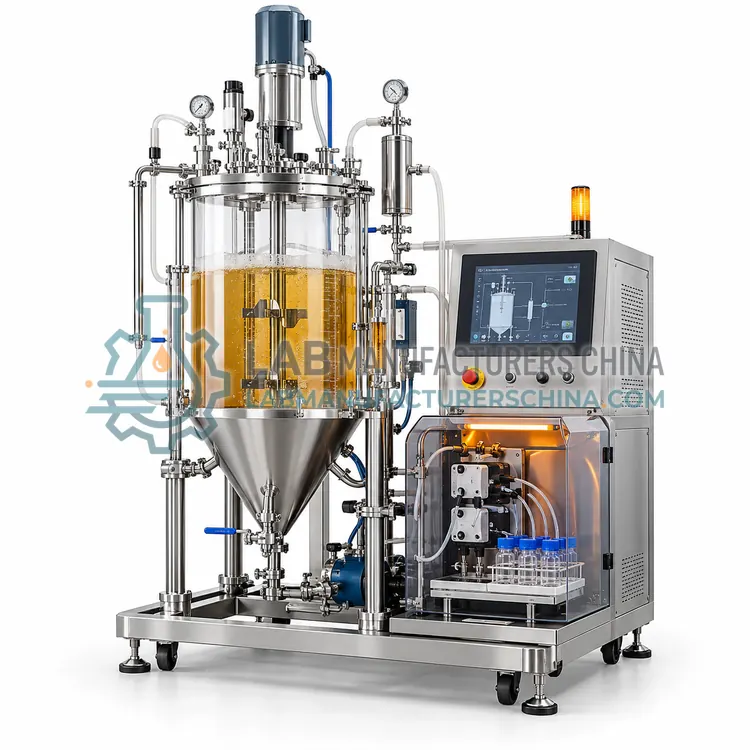
Conical Fermentation Tank

锥形发酵罐

  • FET-0002
  • Fermentation Tanks
  • CE (to be confirmed)
  • ISO 9001 manufacturing (to be confirmed)
  • Pressure vessel compliance (to be confirmed)
Volume:
100–10,000 hL
Cone angle:
60–75 degrees
Material:
316L stainless steel
Design pressure:
0.1–0.3 MPa
Cooling:
Jacketed cylinder, cone jacket optional
Surface finish:
Ra below 0.8 µm (product contact)

A conical fermentation tank has a cylindrical body and a cone-shaped base that collects yeast and solids, making it standard for brewing and many cell cultures. It allows easy cropping and harvesting from the bottom.

Request a quote
View details

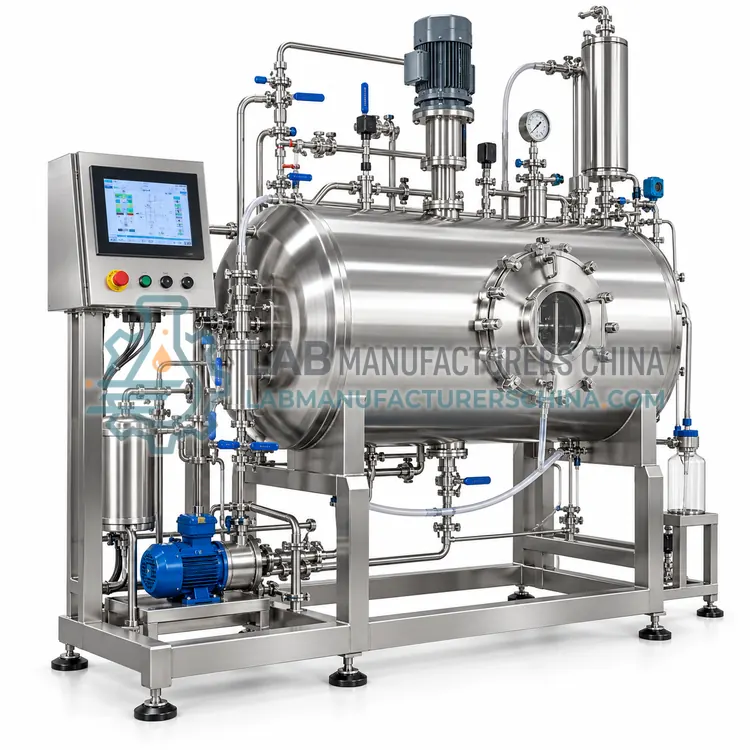
Horizontal Fermentation Tank

卧式发酵罐

  • FET-0003
  • Fermentation Tanks
  • CE (to be confirmed)
  • ISO 9001 manufacturing (to be confirmed)
  • Pressure vessel compliance (to be confirmed)
Volume:
1,000–100,000 L
Orientation:
Horizontal, saddle supported
Material:
316L or 304 stainless steel
Design pressure:
0.1–0.4 MPa
Agitation:
Side-entry agitators, one to several
Cooling:
Full jacket or half-pipe coil

A horizontal fermentation tank lays the vessel on its side, giving a large surface area for heat transfer and a low profile for restricted headroom. It suits facilities where height is limited and volumes are large.

Request a quote
View details

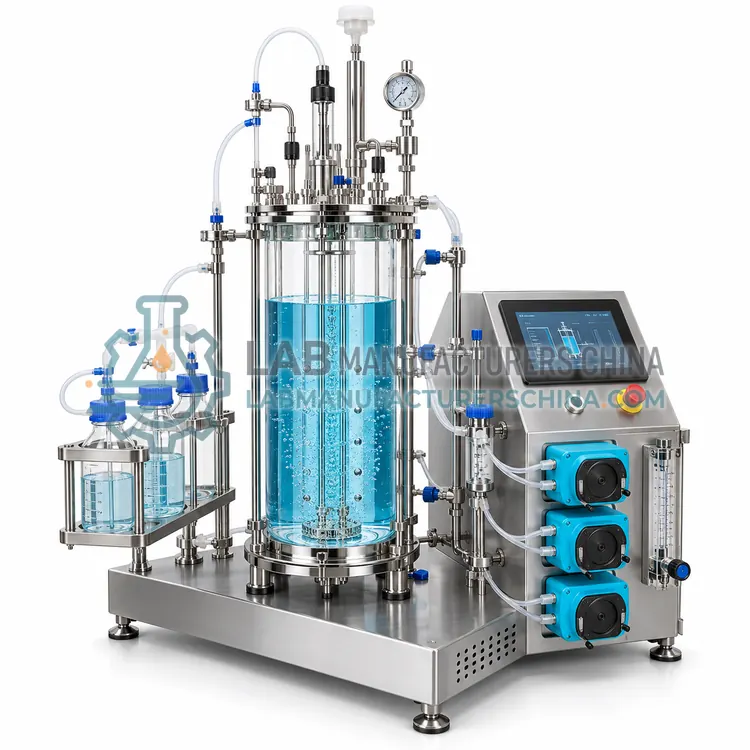
Airlift Fermentation Tank

气升式发酵罐

  • FET-0004
  • Fermentation Tanks
  • CE (to be confirmed)
  • ISO 9001 manufacturing (to be confirmed)
  • Pressure vessel compliance (to be confirmed)
Volume:
1,000–100,000 L
Aeration rate:
0.5–2 vvm
Height-to-diameter ratio:
5:1 to 10:1
Material:
316L stainless steel
Circulation:
Riser and downcomer, gas driven
Temperature control:
Jacket or internal coil

An airlift fermentation tank circulates the broth with gas rather than a mechanical agitator, using a tall column with a riser and downcomer. It provides low-shear mixing and efficient oxygen transfer at production scale.

Request a quote
View details

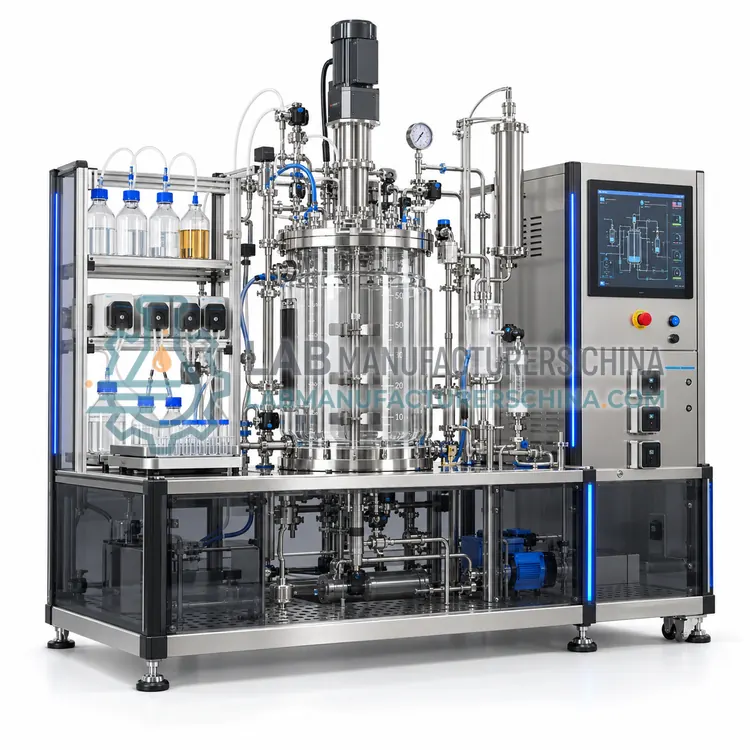
Continuous Stirred-Tank Fermentation Tank

连续搅拌罐发酵罐

  • FET-0005
  • Fermentation Tanks
  • CE (to be confirmed)
  • ISO 9001 manufacturing (to be confirmed)
  • Pressure vessel compliance (to be confirmed)
Volume:
100–50,000 L
Dilution rate:
0.05–0.5 per hour
Feed control:
Calibrated pump or flow meter
Level control:
Overflow or level probe with pump
Material:
316L stainless steel
Agitation:
Top-entry impeller, baffled

A continuous stirred-tank fermentation tank is configured for steady-state operation with continuous feed and harvest, keeping volume, dilution rate and conditions constant. It suits continuous production and steady-state physiological studies at production scale.

Request a quote
View details

Compare Fermentation Tanks models

ModelVolumeMaterialDesign pressureSurface finishCooling
Jacketed Stainless Steel Fermentation TankFET-0001500–50,000 L316L stainless steel inner shell0.2–0.4 MPa (vessel), 0.3–0.6 MPa (jacket)Ra below 0.8 µm (product contact)—
Conical Fermentation TankFET-0002100–10,000 hL316L stainless steel0.1–0.3 MPaRa below 0.8 µm (product contact)Jacketed cylinder, cone jacket optional
Horizontal Fermentation TankFET-00031,000–100,000 L316L or 304 stainless steel0.1–0.4 MPa—Full jacket or half-pipe coil
Airlift Fermentation TankFET-00041,000–100,000 L316L stainless steel0.1–0.3 MPa——
Continuous Stirred-Tank Fermentation TankFET-0005100–50,000 L316L stainless steel0.1–0.3 MPa——

Indicative values for this product class. Final specifications are confirmed on the quotation and in the calibration documents supplied with the instrument.

How do Fermentation Tanks work?

A fermentation tank provides a contained, sterilizable volume in which the culture is mixed, aerated and temperature controlled. Geometry matters because the ratio of height to diameter, the baffles and the impeller type set the mixing pattern and the oxygen transfer achieved at a given power input. A jacket or internal coil supplies or removes heat, and the wall thickness, welding quality and surface finish support pressure containment, cleaning and sterilization. Gas is introduced through a sparger and leaves through a condenser and exhaust filter, while ports on the top or side carry probes, feeds, sampling and cleaning devices. Material grade, surface roughness, drainability and the absence of dead legs determine whether the vessel can be cleaned and sterilized reliably, and whether it meets the hygiene and pressure requirements of the process.

Which Fermentation Tanks variants are available?

  • Jacketed Stainless Steel Fermentation Tank — A jacketed stainless steel fermentation tank uses a surrounding jacket for heating and cooling while containing the culture at production scale.
  • Conical Fermentation Tank — A conical fermentation tank has a cylindrical body and a cone-shaped base that collects yeast and solids, making it standard for brewing and many cell cultures.
  • Horizontal Fermentation Tank — A horizontal fermentation tank lays the vessel on its side, giving a large surface area for heat transfer and a low profile for restricted headroom.
  • Airlift Fermentation Tank — An airlift fermentation tank circulates the broth with gas rather than a mechanical agitator, using a tall column with a riser and downcomer.
  • Continuous Stirred-Tank Fermentation Tank — A continuous stirred-tank fermentation tank is configured for steady-state operation with continuous feed and harvest, keeping volume, dilution rate and conditions constant.

How do I choose the right variant?

Start from the volume, the organism and the process. Choose the geometry from the mixing and oxygen transfer requirements: tall and narrow columns favor gas-driven circulation, while wider vessels with baffles and multiple impellers suit high power input. Decide on jacketed or coil design from the heat load, and confirm the design pressure and temperature with the sterilization method. Specify the material grade, typically 316L, and the surface finish and welding standard so that clean-in-place and sterilize-in-place are effective. List the ports and their functions, including probes, feeds, sampling, foam and cleaning devices, and check the positions for reliable measurement. For regulated production, request design documents, material certificates, pressure test records and the qualification package.

Where are Fermentation Tanks used?

Fermentation Tanks are specified in production-scale fermentation, brewing and beverage fermentation, industrial enzyme manufacture, pharmaceutical and biopharmaceutical production and wastewater and environmental treatment.

Which standards and certifications apply?

Work with Fermentation Tanks is commonly governed by GB/T 150, ASME BPVC Section VIII, EU GMP Annex 1, 21 CFR Part 211, USP <661>, ISO 9001 and IEC 61010-1. Instrument certifications such as CE marking are confirmed per configuration and never assumed.

What are the key considerations before purchase?

Verify the pressure rating and safety devices before operation, and never defeat relief valves or interlocks. Confirm welding, surface finish and drainability during installation because they determine whether cleaning is effective. Establish cleaning and sterilization cycles and confirm them with rinse water conductivity, swabs or biological indicators as appropriate. Inspect gaskets, seals and sparger holes for wear, since a blocked sparger causes poor oxygen transfer and a failed seal can compromise sterility. Monitor jacket and coil performance for fouling, and log pressure and temperature tests. For used or refurbished tanks, request inspection records and confirm that repairs meet the design standard before returning the vessel to service.

Frequently asked questions about Fermentation Tanks

It holds and cultivates microorganisms or cells at production scale under controlled temperature, mixing and aeration. Fermentation tanks are used in brewing, industrial enzyme production, pharmaceutical manufacturing and wastewater treatment, where reliable sterilization and cleaning are essential.

Need help specifying Fermentation Tanks?

Request a quote