How do Digital Microscopes work?
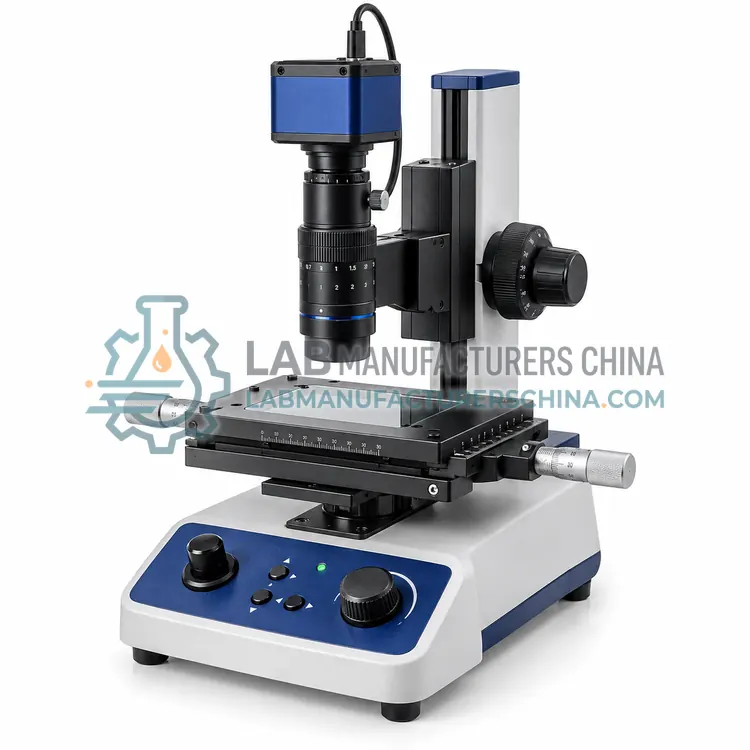
A digital microscope forms a magnified image with a lens system, then projects it onto an image sensor instead of an eyepiece. The sensor converts the optical image into digital data, which a processor displays on an LCD panel, a computer monitor or a mobile device. Image processing adjusts exposure, white balance, contrast and edge enhancement, and software overlays scales and markers. Magnification results from the optical magnification and the sensor and display dimensions, so the field of view and displayed magnification must be stated carefully. Illumination, often ring or coaxial LED, controls reflectance and reveals surface detail. Digital capture enables measurement, annotation, archiving and sharing, but measurement requires calibration against a known reference.
Which Digital Microscopes variants are available?
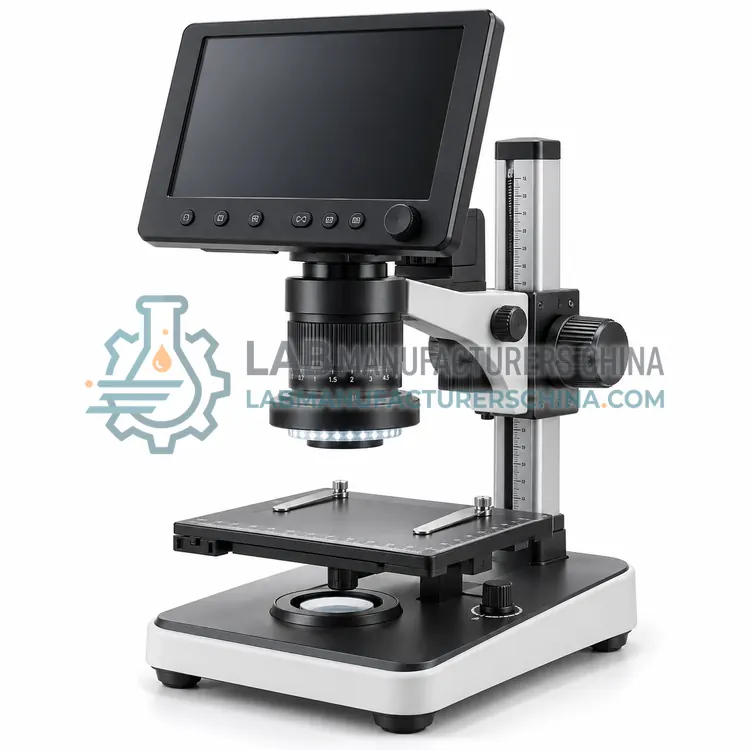
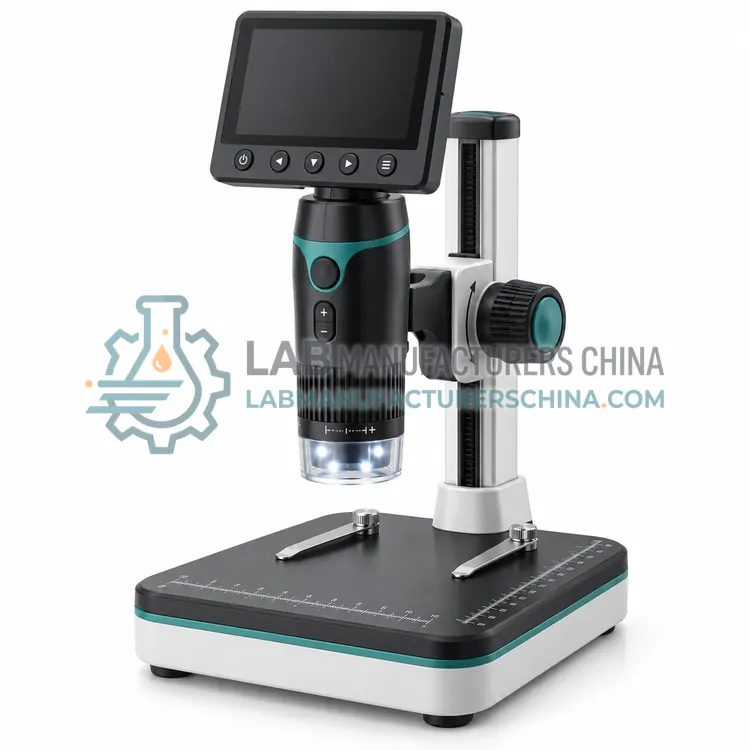
- LCD Digital Microscope — An LCD digital microscope has an integrated screen and requires no computer.
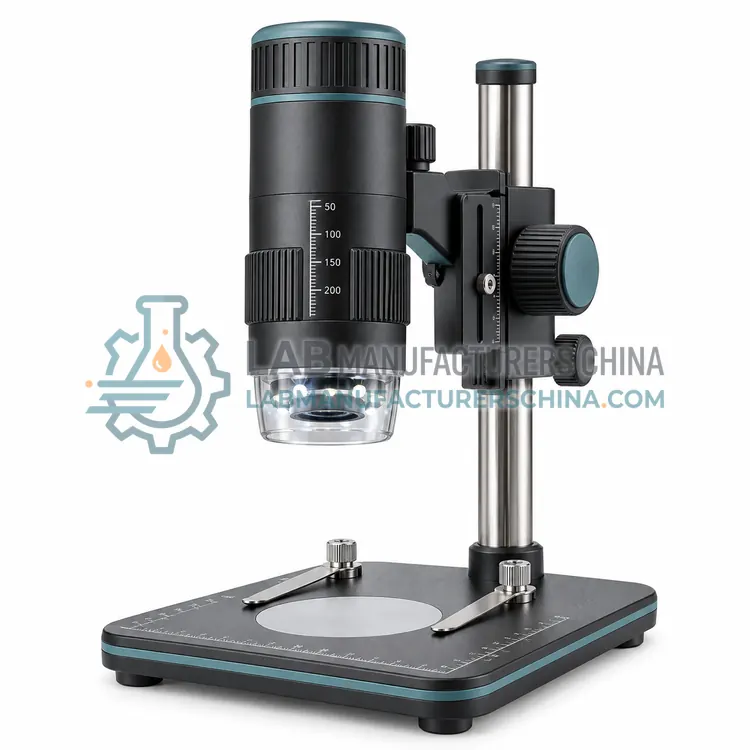
- USB Digital Microscope — A USB digital microscope streams the magnified image to a computer, where software controls capture, measurement and storage.
- HDMI Digital Microscope — An HDMI digital microscope outputs a live image directly to a monitor without a computer.
- Wireless Digital Microscope — A wireless digital microscope transmits images to a tablet or phone over Wi-Fi or Bluetooth.
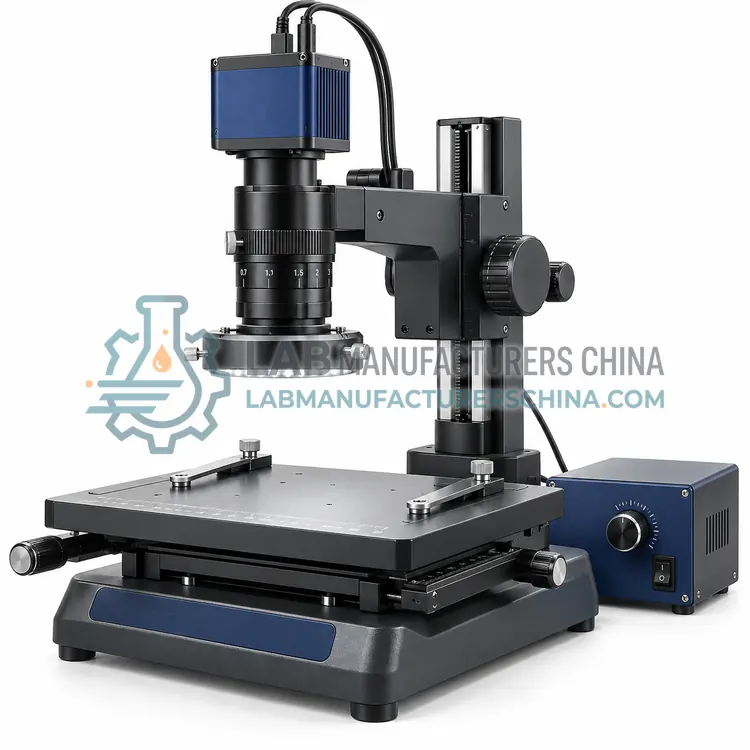
- Measuring Digital Microscope — A measuring digital microscope combines digital imaging with calibrated measurement tools for dimensions, angles and areas.
How do I choose the right variant?
Choose a digital microscope when image capture, measurement or documentation is central, or when eyepiece viewing is impractical. Decide the display route: an integrated LCD for standalone use, USB to a computer, HDMI to a monitor or wireless to a tablet. Confirm the optical magnification range and the numerical aperture, since sensor magnification does not add optical detail. Check the illumination type for the surface, the working distance for the task, and whether measurement software with calibration is included. For inspection lines, consider depth of field, field of view and the ability to record pass or fail results.
Where are Digital Microscopes used?
Digital Microscopes are specified in industrial surface and component inspection, electronics and PCB quality control, teaching with shared images and materials and forensic documentation.
Which standards and certifications apply?
Work with Digital Microscopes is commonly governed by ISO 8036, ISO 19012-1, ISO 9345-1, ISO 8255-1 and IEC 61010-1. Instrument certifications such as CE marking are confirmed per configuration and never assumed.
What are the key considerations before purchase?
Calibrate the measurement scale with a stage micrometer or certified target, and recalibrate whenever the lens, working distance or display settings change. Keep the lens and sensor window clean, and control glare from reflective surfaces with diffused or polarised illumination. Set consistent illumination, white balance and exposure so images can be compared across sessions. Store calibration data and images with the settings recorded. For regulated inspection, ensure files are protected and traceable, and define user access and backup. Check that the stated magnification refers to the display and is reproducible.