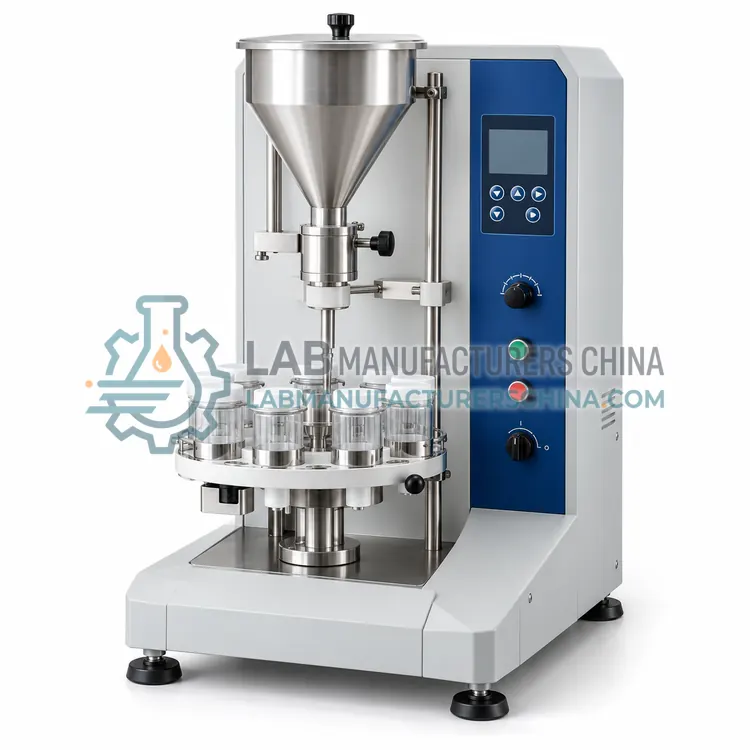
How do Sample Preparation work?
Sample preparation applies mechanical and chemical steps to make a sample representative and measurable. Tablets are weighed, comminuted by crushing, milling or grinding, and then dissolved or extracted in a volumetric flask or a closed vessel with a defined solvent and time. Powders are sampled with a thief or a spinning riffler so the aliquot reflects the whole blend. Dilution is performed by hand with volumetric glassware or automatically with syringes and valves, and solutions are filtered through membranes to protect the analytical column or detector. Solid-phase extraction concentrates or cleans up analytes before chromatography. Accuracy, completeness of extraction and freedom from contamination determine whether the analytical result is valid.
Which Sample Preparation variants are available?
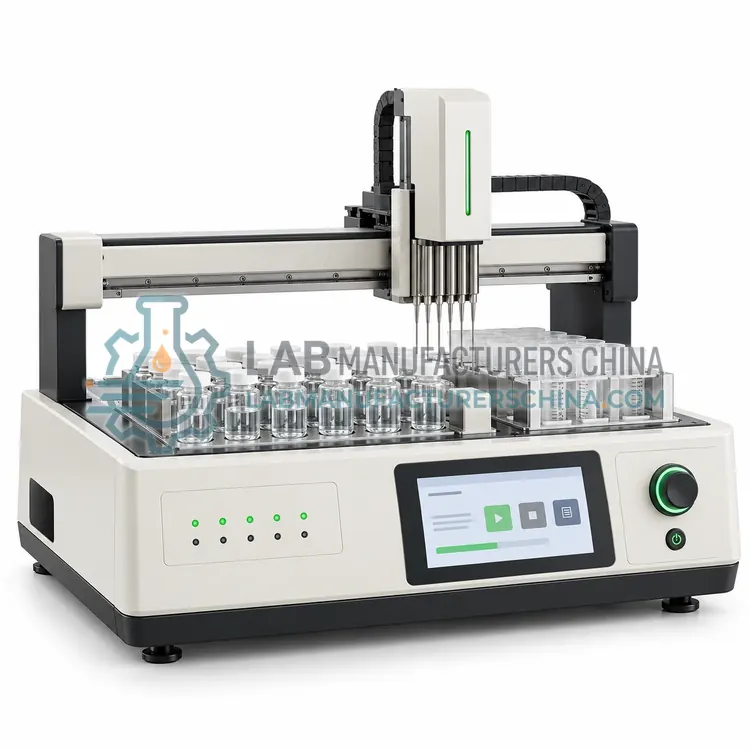
- Automated Sample Preparation System for Content Uniformity Testing — An automated sample preparation system for content uniformity testing weighs, comminutes, extracts and dilutes individual dosage units in one sequence.
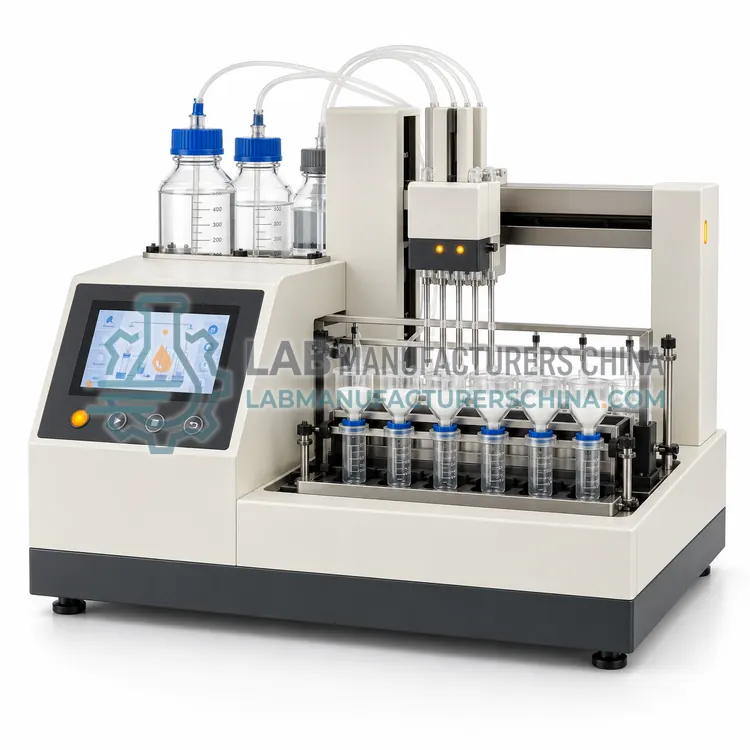
- Automated Dilution and Filtration System for Pharmaceutical Analysis — An automated dilution and filtration system prepares precise dilutions and filters them for chromatography or spectroscopy.
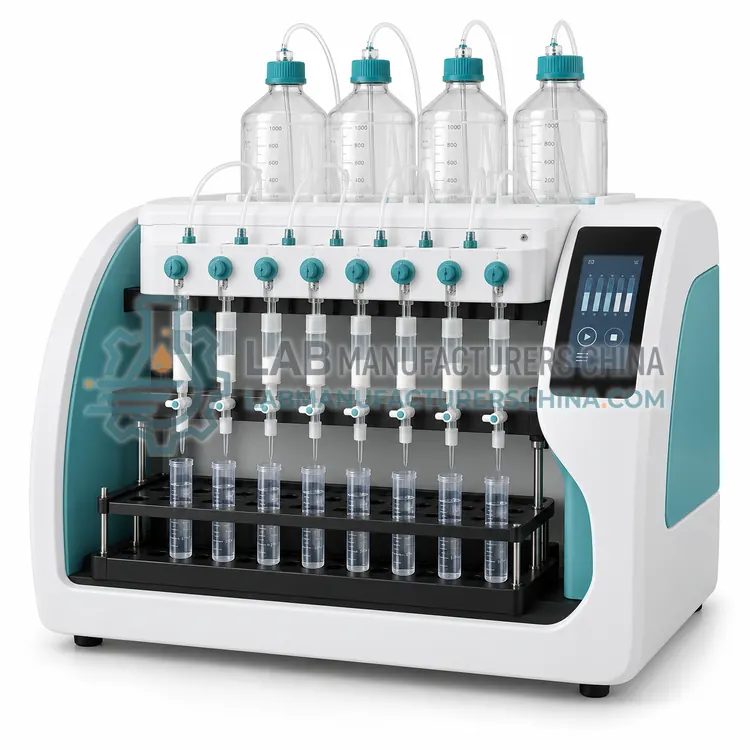
- Solid-Phase Extraction System for Pharmaceutical Samples — A solid-phase extraction system cleans up and concentrates pharmaceutical analytes before chromatography using disposable cartridges or plates.
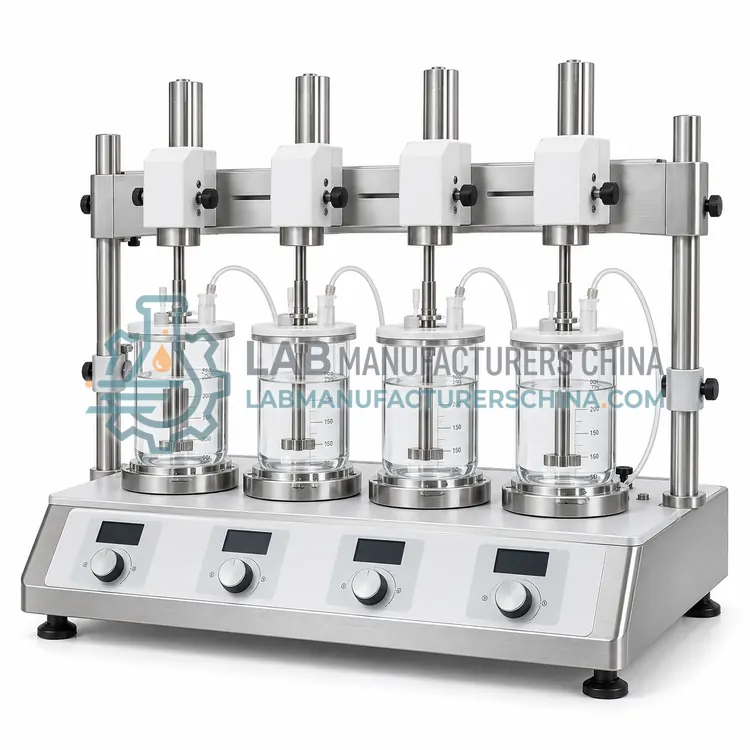
- Tablet Comminution and Extraction System — A tablet comminution and extraction system crushes or mills tablets and extracts the drug into solution reproducibly.
- Powder Sampling System for Pharmaceutical Blending — A powder sampling system takes representative aliquots from blends, bins and drums for blend uniformity testing and process control.
How do I choose the right variant?
Select sample preparation equipment from the analytical method and the dosage form. Content uniformity and assay of tablets need precise weighing, complete comminution and accurate dilution. Dissolution studies need large numbers of filtered aliquots taken at timed intervals. Powders and blends need representative sampling rather than grinding. Solid-phase extraction suits trace analysis and complex matrices. Compare the number of samples per run, dilution ratios achievable, weighing accuracy, solvent compatibility, filtration type and carryover control. Automated platforms that combine weighing, dilution and filtration reduce labour and improve data integrity, and their software should support method storage, audit trails and export to a laboratory information management system.
Where are Sample Preparation used?
Sample Preparation are specified in content uniformity sample preparation, assay sample preparation, dissolution sample handling, blend uniformity testing, trace analysis of impurities and cleaning validation samples.
Which standards and certifications apply?
Work with Sample Preparation is commonly governed by USP <905>, USP <711>, USP <1092>, ICH Q2(R2), IEC 61010-1 and ISO 17025. Instrument certifications such as CE marking are confirmed per configuration and never assumed.
What are the key considerations before purchase?
Place equipment on a level, vibration-free bench and keep the area clean, because dust from powders can contaminate open vessels. Verify balances and pipettes at defined intervals and use certified reference weights. Confirm that extraction time and technique are reproducible, since incomplete extraction gives low assay results. Check solvent compatibility of seals, tubing and filters, and change membranes and SPE cartridges according to the method. Avoid cross-contamination by using disposable labware or validated wash cycles, and record reagent lots, sample weights and preparation conditions. Follow local rules for solvent handling and waste disposal.